Home
How to Choose the Best Gift Cards for Kids Activities and Experiences
Gift cards for kids activities are a top-tier alternative to traditional toys, focusing on memory-making and skill-building. For high energy, choose trampoline parks or bowling . For education, consider STEM subscription boxes . For teens, entertainment centers like Dave & Busters are a popular choice. These gifts reduce clutter and can even serve as tools to teach financial literacy.
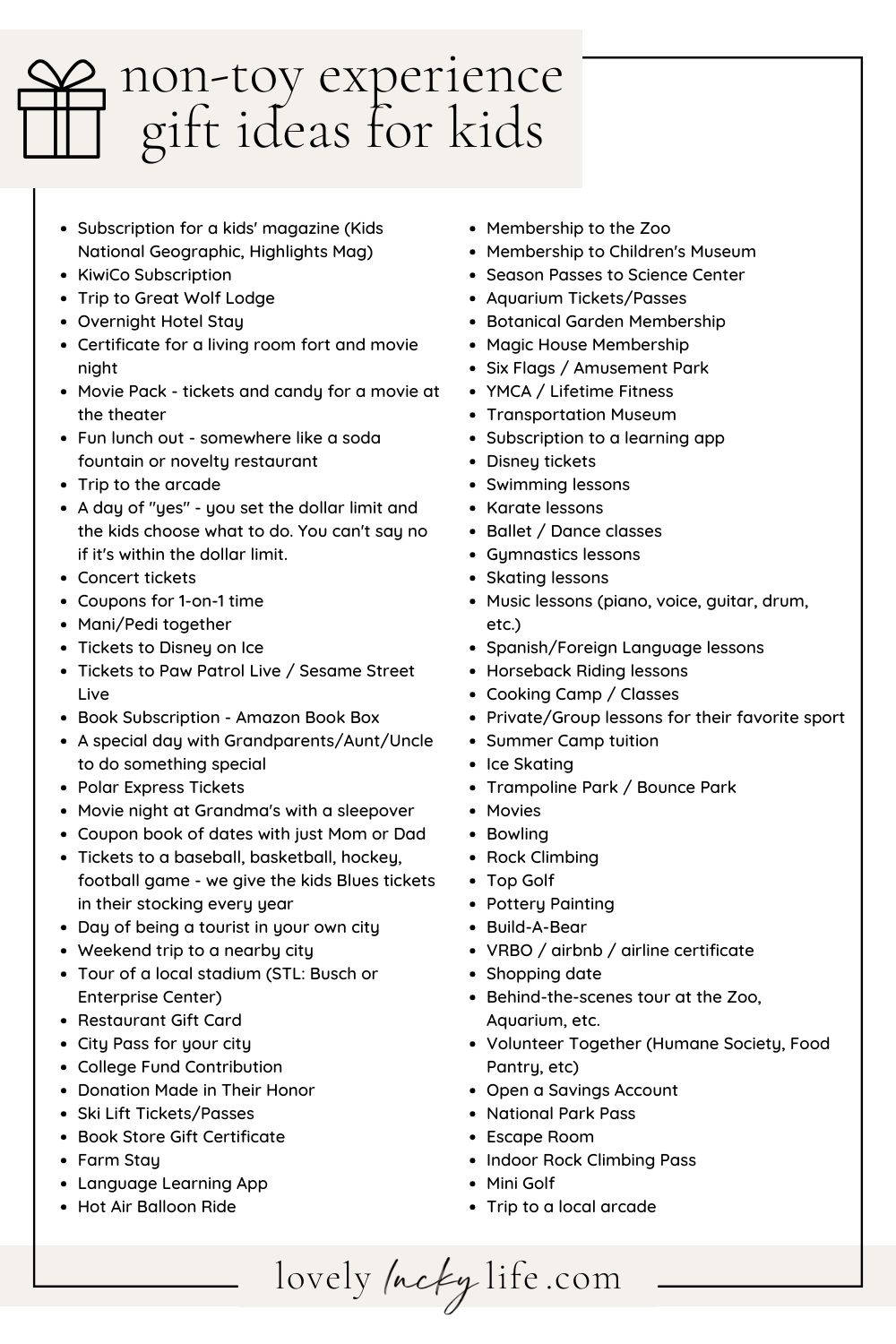
Image source: Lovely Lucky Life
Why Experience Gift Cards Are Better Than Physical Toys
In recent years, the "Non-Toy Movement" has gained significant momentum among families looking to simplify their lives. While a new action figure or doll might provide excitement for an afternoon, experience-based gifts offer psychological benefits that last much longer. According to research on the psychology of gifting , the anticipation of an event and the subsequent memories created provide a more sustained level of happiness than tangible items.
Beyond the emotional impact, there is a practical side to this shift. Modern households are often overwhelmed by "toy creep"—the gradual accumulation of plastic items that eventually end up in landfills. By choosing activity vouchers, you are actively participating in the "Stuff-Free" movement, which prioritizes local exploration and environmental sustainability. This is particularly relevant for families with toddlers, where sensory play and physical movement are more developmentally appropriate than complex electronic gadgets.
Furthermore, experience gift cards offer a unique flexibility for the giver. They can be delivered digitally in seconds for last-minute celebrations, yet they carry the weight of a thoughtful, curated plan. Whether it is a trip to the local zoo or a specialized art class, these gifts signal that you value the child's growth and interests rather than just their collection of things.
Best Gift Cards for High-Energy Kids Who Love to Move
For children who seem to have endless reserves of energy, a gift card that facilitates physical movement is a top choice. These venues provide a safe, controlled environment where kids can push their physical limits while having fun with peers.
Trampoline Parks and Indoor Play Centers
Brands like Sky Zone and Urban Air have become staples in the experience gift economy. These facilities offer more than just jumping; they often include ninja warrior courses, dodgeball courts, and virtual reality integration. A gift card here is essentially a ticket to an afternoon of high-intensity exercise disguised as play. Many parents find these vouchers especially valuable during winter months when outdoor play is limited.
Competitive Fun and Social Venues
For older children and teens, social interaction is just as important as the activity itself. Venues like Dave & Busters or local bowling alleys provide a competitive edge that appeals to the middle-school demographic. Top Golf is another strong contender, offering a gamified version of golf that is accessible even to those who have never picked up a club. These locations often rank among the top choices for birthday parties because they cater to varying skill levels and interests simultaneously.
Creative and Educational Gift Cards for Skill Building
Not every child wants to jump off a platform; some prefer to build, paint, or experiment. Educational gift cards bridge the gap between entertainment and learning, providing tools that foster creativity and critical thinking.
Hands-On Art and Crafting
Pottery painting studios, such as Color Me Mine, offer a serene yet productive environment. A gift card allows a child to select a piece of bisque, choose their palette, and spend hours in focused creation. Similarly, Build-A-Bear workshops provide a multi-sensory experience where the "gift" is the process of creation as much as the final product.
STEM and Geography Subscription Boxes
If you want the activity to come to the child, subscription boxes are an excellent choice. Platforms like My Creative Box or KiwiCo offer structured projects that arrive at the doorstep. These boxes typically range from $35 to $50 and provide all the materials needed for a science experiment or a complex art project. They are widely regarded as one of the best ways to keep kids engaged in learning outside of the classroom, offering educational value that far exceeds standard commercial toys.
How to Use Gift Cards to Teach Kids About Money
One of the most overlooked benefits of gift cards is their potential as a financial literacy tool. In an increasingly digital world, children often struggle to understand the value of money because they rarely see physical currency exchanged. Gift cards provide a tangible bridge between abstract numbers and real-world purchasing power.
According to the Montessori perspective , children learn best through curiosity and observation. You can use a gift card to facilitate several key lessons:
- The Exchange: Have the child accompany you to the store to "load" the card. Even if you use a credit card, explain that you are trading work-earned money for the balance on the card.
- The Trade-Off Lesson: When at the venue or store, help the child understand that their balance is finite. If they spend $20 on a large plush, they may not have enough left for the arcade games. This teaches the concept of opportunity cost.
- Budgeting Practice: Let the child lead the transaction. Have them check the price tags, calculate the total (including tax), and ask the cashier for the remaining balance. This builds confidence in handling financial interactions.
Which Activity Gift Cards Are Best for Different Ages?
Choosing the right activity depends heavily on the child's developmental stage. What thrills a teenager might be overwhelming for a toddler, and vice versa. Use the following table to help narrow down your choices based on age-appropriateness.
| Age Group | Recommended Activities | Why It Works |
|---|---|---|
| Toddlers (2-4) | Zoo, Children’s Museum, Sensory Play Centers | Focuses on exploration and gross motor skills without complex rules. |
| School-Age (5-12) | Trampoline Parks, Pottery Painting, Movie Theaters | Balances physical energy with the ability to follow structured activities. |
| Teens (13+) | Escape Rooms, Top Golf, Concert Vouchers, Dave & Busters | Prioritizes social interaction, independence, and high-stakes fun. |
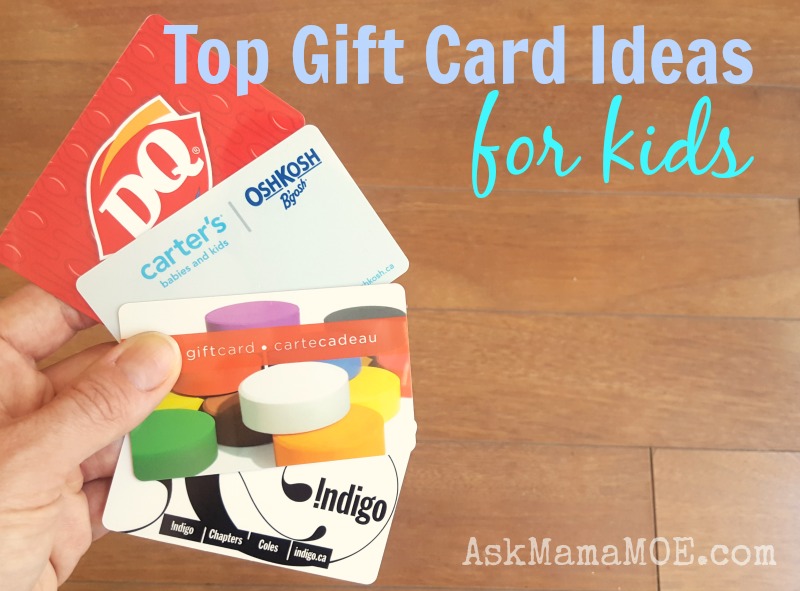
Image source: Ask Mama MOE
Creative Ways to Wrap a Gift Card So It Feels Special
One common complaint about gift cards is that they can feel "small" or "boring" to unwrap. However, with a little creativity, you can make the presentation as exciting as the activity itself. This solves the problem of the "boring envelope" and gives the child something physical to hold immediately.
The Snow Globe Method
Hot glue a small plastic figurine to the inside of a jar lid. Add water, a drop of glycerin, and glitter. Tuck the gift card into a waterproof sleeve and tape it to the back of the figurine before sealing the jar.
The Reindeer Bag
Use a simple brown paper lunch bag. Attach googly eyes, a red pom-pom nose, and use clothespins as antlers. Place the gift card inside with some festive tissue paper for a whimsical look.
The Living Ornament
Purchase a clear plastic ornament from a craft store. Fill it with shredded colorful paper or fake snow. Slide the gift card inside so it is visible through the plastic and hang it on a tree or a gift hook.
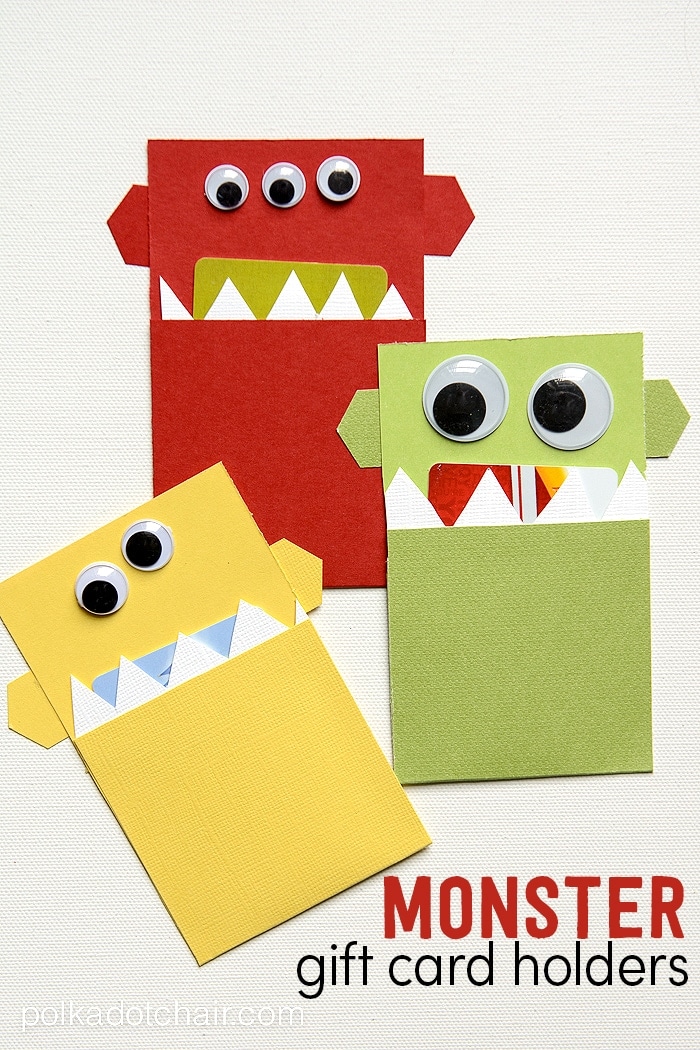
Image source: The Polka Dot Chair
How to Plan a "Yes Day" Using Activity Gift Cards
A "Yes Day" is a structured period where the child gets to make the decisions, within reason. Using a pack of gift cards as the "currency" for this day is a significant advancement in gifting strategy. It transforms individual vouchers into a cohesive, multi-step adventure.
To plan a successful Yes Day, follow this framework:
- Set the Boundaries: Give the child a set of 3-4 gift cards (e.g., a breakfast spot, an activity center, and a treat shop).
- Let Them Sequence: Allow the child to decide the order of events. Do they want to go to the movies in the morning or the afternoon?
- The "Yes" Rule: Within the confines of the gift cards provided, you must say "yes" to their choices (e.g., which movie to see or which toppings to get on their pizza).
This strategy provides "structured freedom," allowing the child to feel in control while you manage the logistics and budget. It creates a day of total engagement that most children find far more rewarding than any single physical toy.
Common Problems With Activity Gift Cards and How to Fix Them
While gift cards are generally convenient, they do come with specific hurdles that can frustrate users. Being aware of these issues beforehand can help you avoid disappointment.
- Leftover Small Balances
- It is common to end up with a balance like $1.42 that is difficult to spend. Solution: Many modern platforms allow you to add these cards to digital wallets (like Apple Pay or Google Pay), which can then be used to cover partial payments at checkout.
- Expiration Dates and Fees
- Some local vouchers may have strict expiration dates. Solution: Opt for specialized platforms like Giftory , which offers experience vouchers that never expire, providing peace of mind for both the giver and the recipient.
- Lost or Stolen Cards
- Physical cards are easily misplaced by children. Solution: Immediately take a photo of the back of the card and the receipt. Most major brands can replace a lost card if you have the identification numbers and proof of purchase.
Frequently Asked Questions
What are the best gift cards for kids who already have everything?
How do I give an experience gift to a child so it feels "real"?
What are the best "non-toy" gift cards for toddlers?
Can you buy gift cards for local trampoline parks online?
What gift cards allow kids to be creative at home?
Key Takeaways
Choosing an activity-based gift card is a thoughtful way to support a child's development while creating lasting family memories.
- Prioritize experiences over physical toys to reduce clutter and increase long-term happiness.
- Match the activity to the child's developmental stage—toddlers need exploration, while teens crave social competition.
- Use gift cards as tools to teach financial literacy, including budgeting and the concept of opportunity cost.
- Enhance the presentation with DIY wrapping methods like the "Snow Globe" or "Reindeer Bag" to make the gift feel special.
- Plan a "Yes Day" to give the child a sense of agency and turn multiple cards into a full-day adventure.
- Check for logistics such as online waivers and expiration policies before purchasing to ensure a smooth experience.
Take a moment to consider the child's current interests and pick one activity card today to start building a memory that will last far longer than any toy.