Home
How to Experience 2026 World Cup Matches at San Francisco Bay Area Stadium
The arrival of the FIFA World Cup in Northern California marks a historic moment for the San Francisco Bay Area. While the tournament branding focuses on San Francisco, the actual matches take place 40 miles south in Santa Clara at the venue commonly known as Levi’s Stadium. For the duration of the tournament, this high-tech arena transforms into "San Francisco Bay Area Stadium" to meet international hosting requirements.
Navigating a global event of this scale requires more than just a ticket. From the "Field of Jeans" heat issues to the complex transit connections between San Francisco and Santa Clara, fans must plan their logistics with precision. This guide provides the essential data points and insider strategies needed to navigate the six-match slate effectively, ensuring you spend more time enjoying the world-class football and less time stuck in the "Rideshare Trap."
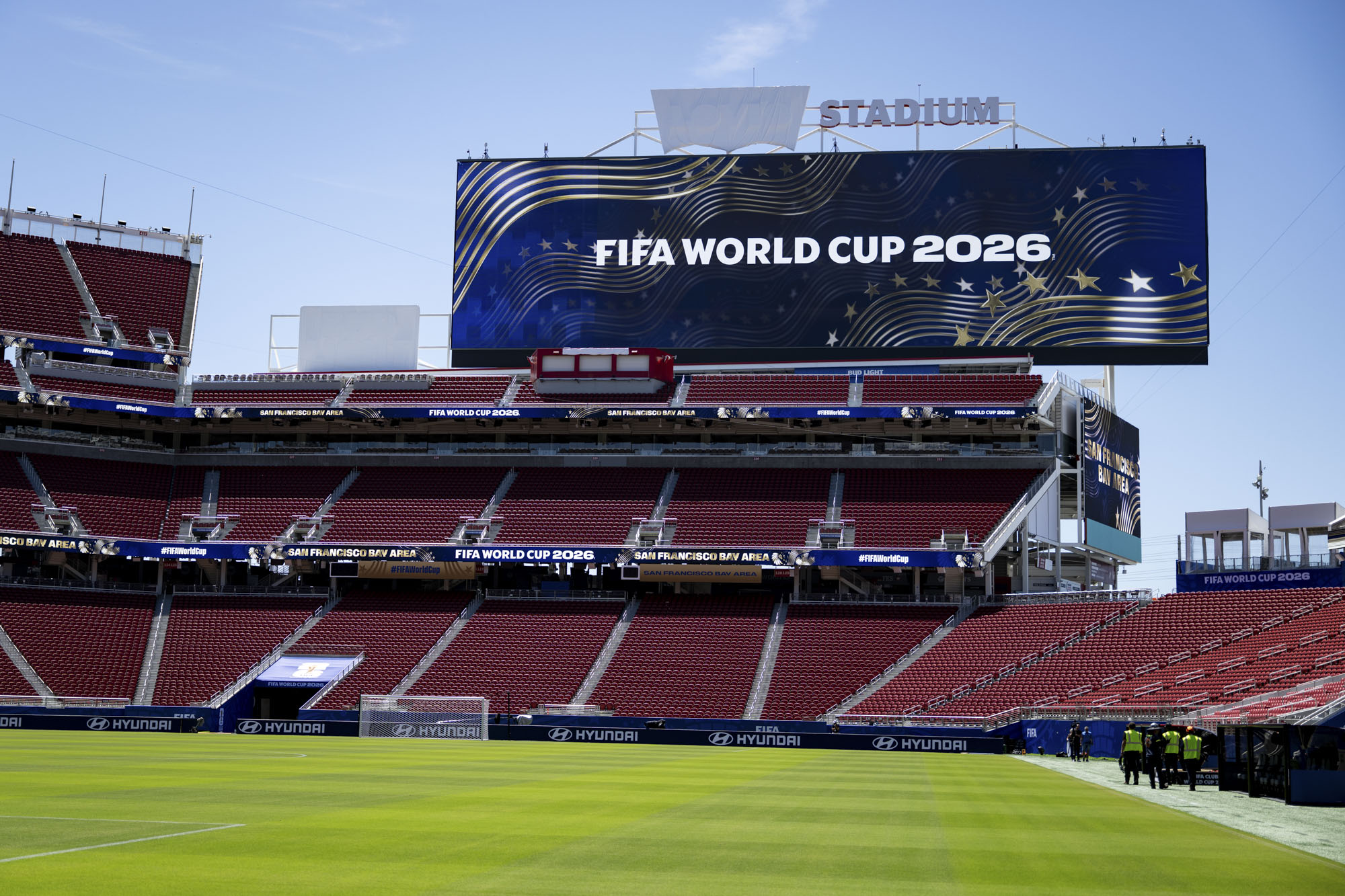
Image source: KQED
When Are the 2026 World Cup Matches in Santa Clara?
The 2026 tournament schedule for Northern California is concentrated in a three-week window during the height of the California summer. According to StadiumDB , the venue will host a total of six matches, providing a mix of group-stage drama and high-stakes knockout football.
The Six-Match Slate
While exact kickoff times are finalized by FIFA closer to the tournament start, fans should anticipate a mix of midday and evening starts to accommodate global broadcast windows. Midday matches (typically starting between 12:00 PM and 3:00 PM local time) present the most significant challenges regarding heat management and sun exposure.
The Round of 32 match on July 1 is expected to be the most sought-after ticket in the region. As the first knockout round of the expanded 48-team tournament, this match represents a "win or go home" scenario that typically draws capacity crowds and heightened security measures. Fans should plan for extended entry times for this specific fixture.
Why Is the Venue Called San Francisco Bay Area Stadium?
One of the most common points of confusion for international travelers is the name of the venue itself. While locals and NFL fans know the building as Levi’s Stadium, you will not find that name on official FIFA tickets, maps, or signage. This is due to FIFA’s "Clean Stadium" policy, which prohibits corporate stadium names unless the brand is an official FIFA partner.
FIFA Clean Stadium Rules
To maintain exclusivity for its global sponsors, FIFA requires all host venues to use generic or geographic names. Consequently, the venue has been officially rebranded as San Francisco Bay Area Stadium for the duration of the 2026 World Cup. This rebranding extends to all interior signage, exterior wraps, and even digital wayfinding apps used within the FIFA ecosystem.
Avoiding Navigation Errors
For fans using older GPS devices or offline maps, searching for "San Francisco Bay Area Stadium" might not yield results. It is vital to remember that the physical location remains 4900 Marie P. DeBartolo Way, Santa Clara, CA. If your navigation app does not recognize the tournament name, searching for "California’s Great America" (the adjacent theme park) is a reliable alternative to ensure you arrive at the correct destination.
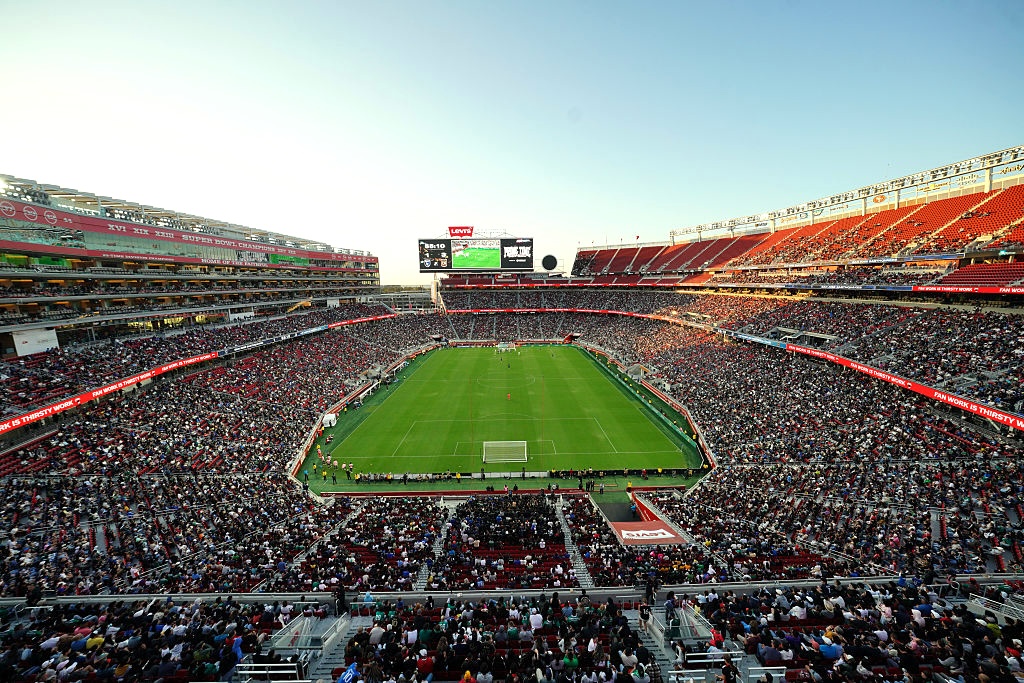
Image source: SF.gov
How to Get to the Stadium Without Getting Stuck in the Rideshare Trap
Transportation is arguably the most difficult aspect of the Santa Clara matchday experience. The stadium is located in a suburban office park environment that was not originally designed for the simultaneous arrival and departure of 70,000 people. Relying solely on Uber or Lyft can lead to what local fans call the "Rideshare Trap."
The Waymo Gap
While San Francisco is a hub for autonomous vehicle technology, fans should note that Waymo does not currently service the Santa Clara stadium area . Despite their popularity in the city, these driverless taxis will not be an option for getting to or from the matches in Santa Clara. You must rely on traditional human-driven rideshares or public transit.
Transit Comparison Table
| Method | Best For | Cost (Est.) | Hassle Factor |
|---|---|---|---|
| VTA Light Rail | San Jose / Mountain View | $5.00 | Low (Front Gate Drop) |
| Caltrain + VTA | San Francisco Fans | $15.00 - $20.00 | Medium (Transfer Required) |
| ACE / Capitol Corridor | East Bay / Sacramento | $20.00+ | Low (Limited Schedule) |
| Rideshare (Uber/Lyft) | Door-to-Door | $60.00 - $150.00 | High (Post-game Lockout) |
The "Pro" Transit Hack
To avoid the $180 parking fees and the post-game rideshare gridlock, many experienced attendees use a "combination" strategy. Take the VTA Light Rail (Orange Line) two or three stops away from the stadium (toward Mountain View or San Jose) and call your rideshare from a local hotel or shopping center. This bypasses the restricted zone and usually results in a much faster trip back to your accommodation.
Where to Sit to Avoid the Intense Santa Clara Sun
San Francisco Bay Area Stadium is an open-air venue with a unique design that prioritizes lower-bowl seating. However, this design also leaves a significant portion of the crowd exposed to the elements. The stadium has earned the nickname "Field of Jeans" among locals, partly due to the Levi's brand, but also because the heat can be punishing for those wearing heavy clothing.
The West Side Advantage
If you are sensitive to heat or traveling with children, the West Side stands (the "Home" side for 49ers games) are a top-tier choice. Because the sun sets behind the luxury suite tower on the west side, these seats enter the shade much earlier in the afternoon. By 4:00 PM, most of the West Side lower bowl is protected from direct sunlight, while the East Side remains baked in heat until sunset.
Lower Bowl Intimacy
One of the stadium's strengths is that approximately two-thirds of the 68,827 seats are located in the lower bowl. This configuration is exceptionally strong for soccer, as it keeps the majority of fans close to the pitch. "Category 1" seats in the lower sideline sections offer some of the most impressive views of the tournament, providing a clear perspective of tactical movements that higher tiers might miss.
According to Wikipedia , the stadium uses a Bermuda grass surface, which is meticulously maintained to meet FIFA's strict pitch standards. The proximity of the lower bowl to this pristine surface creates an intimate atmosphere that ranks among the top experiences in North American soccer venues.
What You Can and Cannot Bring Through the Gates
Security for the World Cup is significantly tighter than for standard domestic matches. FIFA implements a strict "Clear Bag Policy" that is non-negotiable. If your bag does not meet the specific dimensions, you will be required to return it to your vehicle or pay for a locker, which can have long queues.
The Clear Bag Policy
- Allowed: Bags that are clear plastic, vinyl, or PVC and do not exceed 12" x 6" x 12".
- Allowed: One-gallon clear plastic freezer bags (Ziploc style).
- Allowed: Small clutch bags, approximately the size of a hand (4.5" x 6.5"), with or without a handle or strap.
- Prohibited: Backpacks, camera bags, binocular cases, and tinted plastic bags.
Water and Refreshment Rules
Staying hydrated is critical in the Santa Clara sun, but the rules on containers are specific. You are permitted to bring one factory-sealed plastic water bottle up to 20 oz (590 ml). Reusable metal or hard-plastic bottles (like Hydroflasks or Yetis) are strictly prohibited and will be confiscated at the gate. Once inside, water prices are typically high—often around $7 per bottle—so bringing your own sealed bottle is a highly recommended cost-saving measure.
The FIFA Banner Portal
Fans planning to bring large flags or banners should be aware of a unique FIFA requirement. Any banner larger than 2m x 1.5m requires a permit. You must apply through the official FIFA Fan Materials Portal at least 30 days before the match. Banners containing political, offensive, or commercial messages will be rejected at the security checkpoint.
Why the Tailgating Ban Changes the Game Day Experience
For many Bay Area sports fans, tailgating in the parking lots is a fundamental part of the experience. However, for the 2026 World Cup, tailgating is strictly prohibited in all official stadium parking lots. This is a significant departure from the culture of 49ers games and requires a shift in pre-game planning.
San Pedro Square Market: The Unofficial Hub
With the parking lots closed to parties, the pre-game energy has shifted to downtown San Jose. The San Pedro Square Market has emerged as the premier "unofficial" hub for fans. Located about 7 miles from the stadium, it offers a massive open-air courtyard, dozens of food vendors, and a direct connection to the VTA Light Rail. It provides the communal atmosphere that the stadium lots will lack during the tournament.
Official FIFA Fan Fests
While Santa Clara hosts the matches, the official FIFA Fan Fest—featuring giant screens, sponsor activations, and live music—is located in San Francisco, roughly 40 miles away. This creates a dilemma for fans: stay in SF for the festival atmosphere or head to Santa Clara early to ensure entry. Most experienced fans recommend visiting the SF Fan Fest on non-match days and focusing on the San Jose/Santa Clara local activations on the days you have tickets.
As noted by KQED , the economic impact of these matches is projected to reach $630 million, much of which will be driven by these off-site fan gatherings and hospitality zones.
Where to Stay Near the Stadium vs. San Francisco
Choosing where to stay is a balance between proximity to the pitch and access to the "World Cup City" vibe. The 40-mile (65 km) distance between San Francisco and Santa Clara is a major factor that many international visitors underestimate.
Santa Clara Hotels (Proximity)
Staying in Santa Clara, particularly near Great America Parkway, is the most practical choice for those who want to walk to the stadium. However, hotel prices in this immediate radius are known to skyrocket during major events, with some rates increasing by 300-400%. Availability is often thin, with many rooms blocked out for FIFA officials and teams.
San Jose Hotels (The Middle Ground)
Downtown San Jose offers a more balanced experience. It is closer to the stadium than San Francisco (about 15-20 minutes by light rail) and features a dense concentration of restaurants and bars. Neighborhoods like Willow Glen or Santana Row provide a more upscale, relaxed environment while remaining within a short rideshare distance of the venue.
San Francisco Hotels (The Experience)
If you want to be at the heart of the tournament's cultural celebrations, San Francisco is the place to be. However, you must be prepared for a 90-minute commute on match days. The combination of Caltrain and VTA is reliable but time-consuming. If you choose this route, ensure your hotel is within walking distance of the 4th & King Caltrain station to minimize transfers.
Frequently Asked Questions
Key Takeaways for Your World Cup Trip
- Rebranding Awareness: Remember the venue is officially "San Francisco Bay Area Stadium" for the tournament; don't let the name change confuse your navigation.
- Transit Strategy: Avoid the post-game rideshare lockout by taking the VTA Light Rail a few stops away before calling a car.
- Heat Management: Prioritize seating on the West Side to get shade earlier, and bring a factory-sealed 20 oz water bottle.
- Bag Compliance: Use a 12" x 6" x 12" clear bag to avoid being turned away at the security gates.
- Pre-Game Planning: Since tailgating is banned, make San Pedro Square Market in San Jose your primary gathering spot.
- Schedule Diligence: Arrive at the parking lots 4 hours early or the gates 3 hours early to navigate the heightened security.
- Banner Permits: Apply for permits for any large flags or banners at least 30 days in advance via the FIFA portal.
Mastering the logistics of Santa Clara is the most important step toward enjoying the world-class football on display in the Bay Area.