Home
How to Explore Oceanside Oregon and Find the Secret Tunnel Beach
Oceanside, Oregon, is a quiet hillside community located on the Three Capes Scenic Loop , approximately 90 minutes from Portland. The town is famous for its man-made beach tunnel , which provides access to the secluded "Starry Night Beach." To visit safely, you must bring a high-powered flashlight for the pitch-black tunnel and check tide tables to avoid being trapped by rising water. Key landmarks include the Octopus Tree and Cape Meares Lighthouse , both situated just north of the main village.
Where Is Oceanside Oregon and How Do You Get There?
Oceanside is an unincorporated community in Tillamook County, uniquely built on a steep hillside that offers nearly every home a view of the Pacific Ocean. Unlike many coastal towns that sprawl along the highway, Oceanside feels tucked away, maintaining a quiet, residential atmosphere that contrasts with the busier hubs like Cannon Beach or Newport. According to Wikipedia , the town is a census-designated place with a small year-round population, though it swells with visitors during the summer months.
The town is a central anchor on the iconic Three Capes Scenic Loop . There is often some confusion regarding the length of this drive. While the core stretch connecting Cape Meares, Cape Lookout, and Cape Kiwanda is roughly 25 miles, the full loop that returns travelers to Highway 101 is approximately 40 miles. This route is widely regarded as one of the top scenic drives in the Pacific Northwest, offering dramatic cliffside vistas and dense forest canopies.
For those traveling from the valley, Oceanside is a manageable 90-minute drive from Portland via Highway 6, which winds through the Tillamook State Forest. If you are already on the coast, it is a quick 20-minute detour west of the city of Tillamook. Geographic Warning: Travelers should ensure their GPS is set for Oregon, as Oceanside, California, is a significantly different destination with a Mediterranean climate and different local regulations. In Oregon, expect cooler temperatures, frequent mist, and rugged, rocky shorelines.
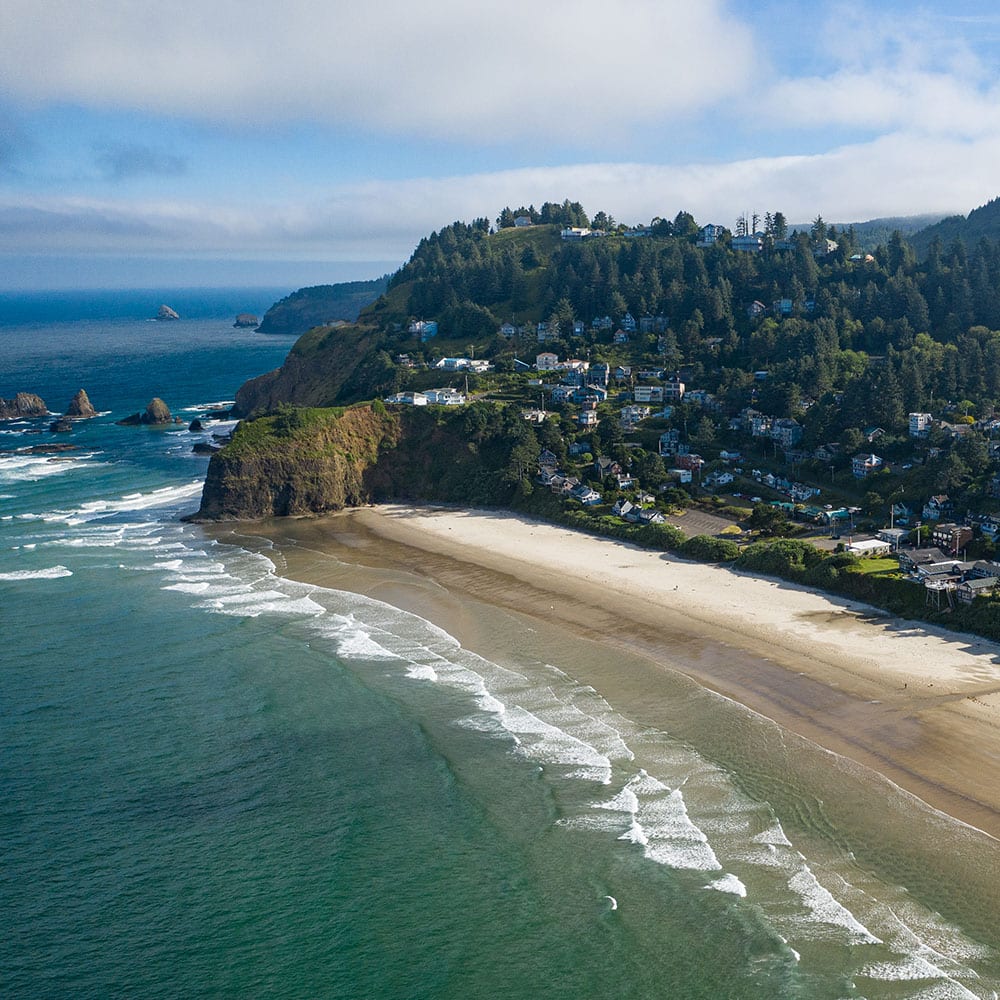
Image source: Oregon Coast Visitors Association
How to Find and Safely Navigate the Oceanside Beach Tunnel
The most famous feature of this town is the man-made tunnel located at the north end of Oceanside Beach. Built in 1926 by the Rosenberg family to provide access to the secluded beach on the other side of Maxwell Point, the tunnel is a significant piece of local history. To find it, simply walk north along the main beach toward the vertical sea cliff. You will see a dark, rectangular opening reinforced with concrete.
Physical Conditions and Hazards
Navigating the tunnel is a unique experience, but it requires preparation. The interior is roughly 50 to 100 feet long and is pitch black once you move past the entrance. The floor is not paved; it consists of uneven, large rocks and loose gravel that can be slippery when wet. To avoid tripping or injury, it is highly recommended to use a dedicated high-lumen flashlight rather than a standard phone light, which may not illuminate the ground sufficiently.
This is the most critical safety factor for your visit. During extreme high tides or winter storms, the tunnel entrance can be completely submerged or battered by heavy surf. Even more dangerous is the risk of entering at low tide and becoming trapped on the other side as the tide rises. Always check the NOAA tide tables before entering and ensure you have a clear exit window. Never enter the tunnel if the tide is actively coming in.
What Will You Find at Tunnel Beach?
Once you emerge from the northern end of the tunnel, you arrive at what locals call Starry Night Beach (or simply Tunnel Beach). This area feels worlds away from the main beach in town. It is rugged, surrounded by towering cliffs, and often much less crowded. The atmosphere here is one of seclusion and raw natural beauty.
The primary activities at Tunnel Beach include:
- Agate Hunting: This is a top-tier location for finding coastal treasures. The best time for hunting is immediately following a winter storm when the surf has stripped away the top layer of sand to reveal the gravel bars beneath.
- Tide Pooling: At low tide, the rocks at the base of Maxwell Point reveal vibrant ecosystems. You can often spot sea anemones, purple sea stars, and small crabs in the shallow pools.
- Photography: The view looking back through the tunnel or out toward the sea stacks provides exceptional framing for landscape photography.
How to Find the Hidden Waterfalls at Short Beach
While the main beach gets the most attention, Short Beach is a hidden gem located just north of Oceanside near Radar Road. Accessing this beach requires a bit of effort, as you must descend a steep, makeshift staircase constructed of concrete and wood. Locals sometimes refer to this as the "Pirate Hideout" due to its tucked-away nature.
The Two-Waterfall Hunt
Short Beach is unique because it offers two distinct waterfall experiences. The first is a man-made spillway waterfall located near the bottom of the access stairs. While not natural, it creates a beautiful cascading effect against the rocks. The second is a natural waterfall located further north along the shoreline. This waterfall is only accessible by walking the beach at low tide. Finding it feels like a true discovery, as it is often overlooked by generic travel guides that only focus on the main town beach.
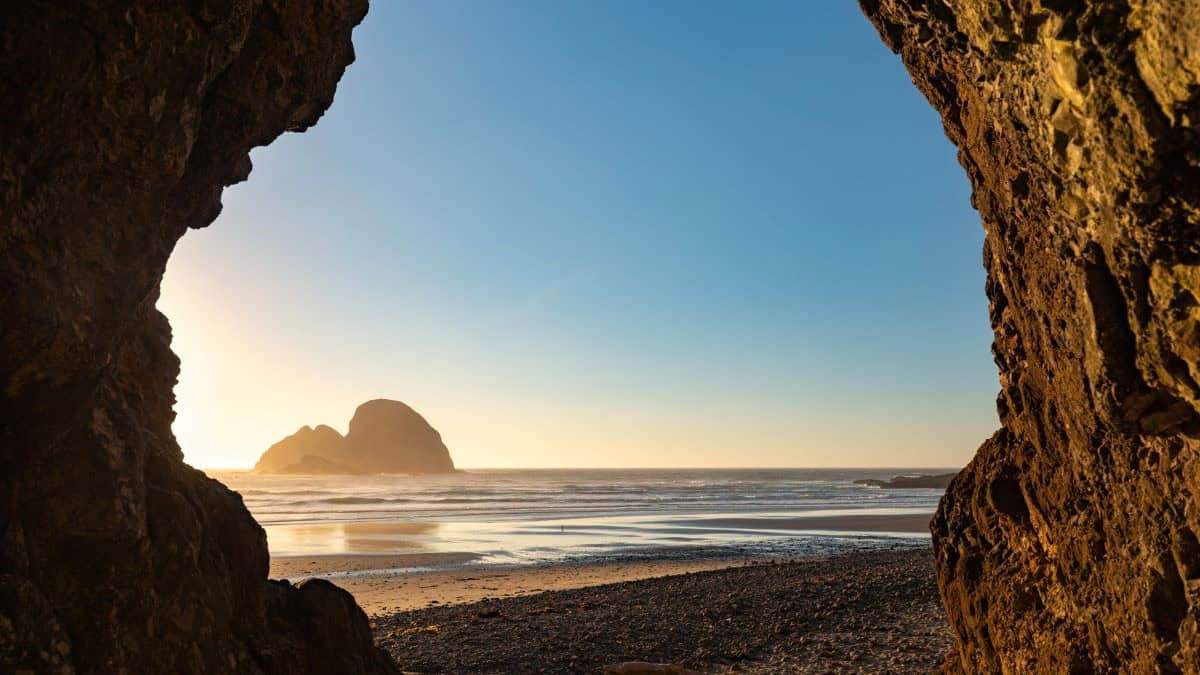
Image source: Oregon Coast Weekend
Exploring the Landmarks of Cape Meares State Scenic Viewpoint
Just a few minutes north of Oceanside lies the Cape Meares State Scenic Viewpoint. This area is a cornerstone of the Three Capes Loop and contains several of the region's most famous landmarks. The Cape Meares Lighthouse , standing 200 feet above sea level, is one of the shortest lighthouses on the Oregon coast but offers one of the most powerful views due to its high cliffside perch.
Nearby, you will find the Octopus Tree , a massive Sitka spruce with a unique shape. Rather than a single trunk, it has several large limbs that radiate outward like tentacles. It is believed to have been shaped by the elements and possibly by local Indigenous peoples centuries ago. Additionally, the "Big Spruce"—Oregon’s largest Sitka spruce at approximately 800 years old—is located a short hike away.
| Trail Name | Distance (One Way) | Difficulty | Key Feature |
|---|---|---|---|
| Lighthouse Loop | 0.2 miles | Easy (Paved) | Historic Lighthouse |
| Octopus Tree Trail | 0.2 miles | Easy | Unique Sitka Spruce |
| Big Spruce Trail | 0.25 miles | Moderate | 800-year-old Tree |
Wildlife Watching at Three Arch Rocks National Wildlife Refuge
The massive sea stacks visible from the shore are part of the Three Arch Rocks National Wildlife Refuge . Established in 1907, it was the first National Wildlife Refuge west of the Mississippi River. According to the Tillamook Coast Visitors Association , these rocks are vital breeding grounds for several species.
Visitors with binoculars can spot a variety of wildlife:
- Tufted Puffins: Oceanside hosts the largest breeding colony of these iconic birds in Oregon.
- Steller Sea Lions: This is the only pupping site for these sea lions on the North Coast.
- Common Murres: In the spring, over 100,000 of these birds nest on the flat tops of the rocks.
- Peregrine Falcons: These birds of prey are frequently seen hunting along the cliffs of Cape Meares.
Where to Eat in Oceanside Oregon: A Local Dining Comparison
Because Oceanside is small, dining options are limited but high in quality. Choosing where to eat depends largely on the time of day and the atmosphere you desire. Here is a framework for your dining decisions:
Roseanna’s Café
Widely regarded as the top choice for a sit-down dinner. They are famous for their steamer clams, fresh local oysters, and decadent homemade desserts. Rationale: Best for a romantic sunset dinner or a celebratory meal.
Blue Agate Café
A laid-back spot that focuses on hearty breakfast and lunch options. It has a classic coastal diner feel. Rationale: The go-to choice for fueling up before a long day of hiking or agate hunting.
Current Café & Lounge
A more modern addition to the town, offering high-quality coffee, pastries, and a lounge atmosphere. Rationale: Excellent for those who need a workspace or a quick, light bite in a contemporary setting.
Essential Logistics for a Stress-Free Visit
To ensure your trip goes smoothly, keep these logistical details in mind. First, parking at the state park areas (like Cape Meares and Cape Lookout) requires a $10 day-use fee . You can purchase a pass at the kiosks on-site. If you plan to visit multiple Oregon State Parks in a year, a 12-month pass is a cost-effective alternative.
Cell service in Oceanside is notoriously spotty. The steep hillside and remote location mean that GPS can sometimes fail. It is a significant advancement in your planning to download offline maps of the Tillamook area before you leave home. Additionally, while Oceanside is a premier spot for scuba diving on the Oregon coast, it is considered an advanced site due to strong currents and cold water; only experienced divers should attempt it.
Final Thoughts on Planning Your Oceanside Trip
Oceanside offers a rugged, authentic Oregon coast experience that avoids the commercial feel of larger resort towns. By focusing on safety and timing, you can enjoy the hidden wonders of the tunnel and the surrounding capes.
- Check the tide tables before attempting to enter the Maxwell Point tunnel.
- Bring a high-powered flashlight to navigate the rocky, dark interior of the tunnel safely.
- Visit Short Beach at low tide to find the natural waterfall hidden at the north end.
- Download offline maps to navigate the Three Capes Scenic Loop without cell service.
- Make dinner reservations for Roseanna’s Café in advance, especially during the summer months.
- Pack $10 in cash or a card for the state park day-use parking fees.
Start your journey by checking the current weather and tide conditions on the official Oregon State Parks website to ensure a safe and rewarding adventure.
Frequently Asked Questions
- Is the Oceanside beach tunnel safe for children?
- Yes, the tunnel is generally safe for children, provided they are under close adult supervision. The main hazards are the pitch-black environment and the uneven, rocky floor. Ensure every child has their own light source to prevent trips and falls, and always verify that the tide is low before entering.
- Can you see whales from the shore in Oceanside?
- Yes, Oceanside and the nearby Cape Meares are excellent vantage points for whale watching. During the peak migration seasons (winter and spring), Gray whales can often be spotted from the high cliffs of the lighthouse viewpoint as they travel along the coast.
- Is Oceanside, Oregon dog-friendly?
- Oceanside is very dog-friendly. Dogs are allowed on the main beach and at Tunnel Beach, though they should be kept under voice control. However, in the Cape Meares State Scenic Viewpoint and other state park areas, leashes are strictly required to protect local wildlife and nesting birds.
- How long does it take to walk through the tunnel?
- The tunnel itself is relatively short, measuring between 50 and 100 feet. However, because the ground is covered in large, loose rocks, the walk usually takes 2 to 5 minutes as you must move slowly and carefully to maintain your footing.
- Are there grocery stores in Oceanside?
- There are no major grocery stores in the immediate community of Oceanside. Visitors staying in vacation rentals should stock up on supplies in the city of Tillamook, which is about a 20-minute drive away and offers several large supermarkets and specialty shops.