Home
Home
How to Find a Reliable Used Ford Explorer Near You Without Getting Ripped Off
Finding a used Ford Explorer locally requires balancing price against the known reliability of specific model years. As of August 2026, the market offers a wide range of options from $11,000 for older high-mileage units to $48,000 for near-new Platinum trims. To secure a dependable vehicle, prioritize 2022 or newer models to avoid early sixth-generation transmission bugs, and always verify the service history of the 10-speed automatic transmission. Targeting Certified Pre-Owned (CPO) units provides a 172-point inspection that acts as a critical safeguard against common infotainment and suspension issues.
The Ford Explorer has long stood as a staple of the American driveway, offering a blend of three-row utility, towing capability, and modern technology. However, with over 30,000 used units typically available across national databases like Edmunds and Carfax, the challenge isn't finding one—it's finding the right one. Navigating local inventory requires more than just a zip code search; it demands an understanding of which years represent a significant advancement in quality and which ones carry "tech gremlins" that could cost you thousands in repairs.
In the current 2026 market, we are seeing a unique overlap where early-release 2026 models are already appearing in used inventories alongside well-maintained 2020–2024 versions. This guide bridges the gap between dealership marketing and real-world owner experiences to help you identify red flags during a test drive and negotiate a fair price based on data-driven insights.
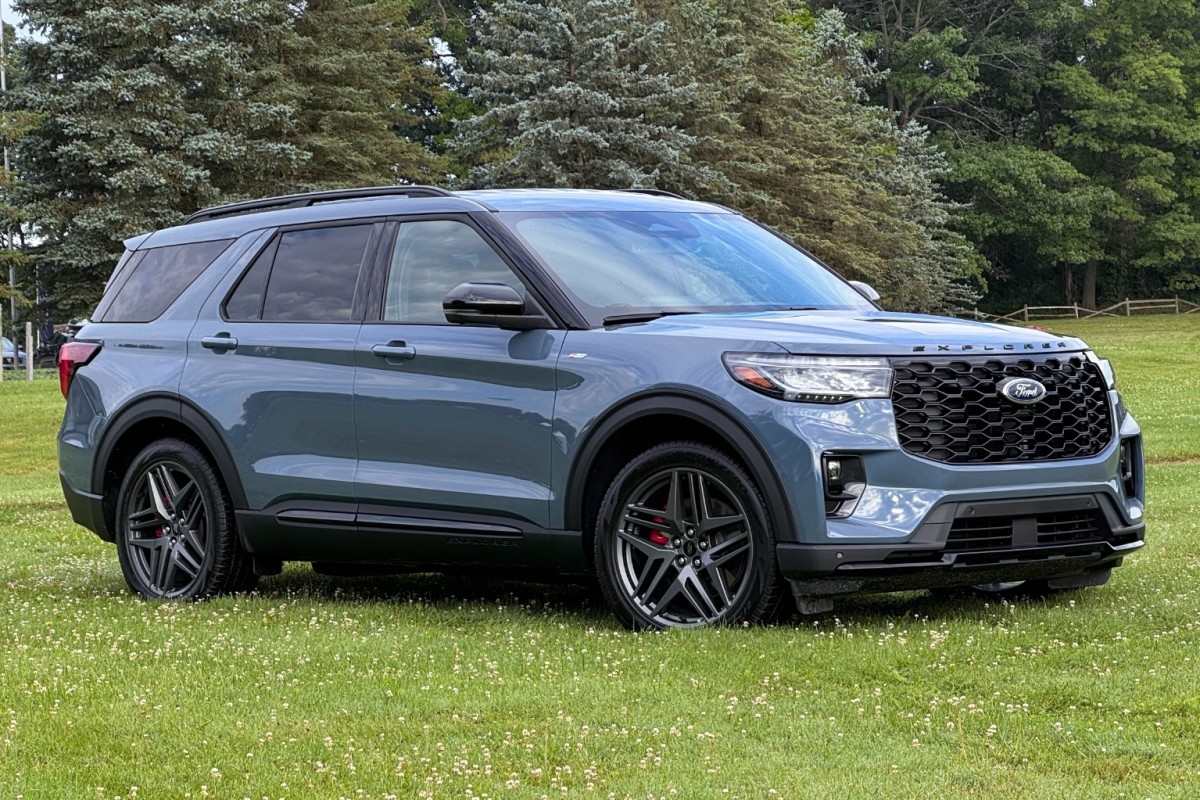
Image source: CarGurus
What Should You Look for When Browsing Local Inventory?
When you start your search for a "ford explorer used near me," the sheer volume of results can be overwhelming. Prices currently fluctuate significantly based on mileage and trim. According to recent market data from Carfax , you might find a 2014 Sport trim for as low as $11,199, while a near-new 2026 Platinum trim can command upwards of $47,991. This massive spread means you must define your budget and needs before stepping onto a lot.
One of the most effective strategies for reducing risk is targeting "1-Owner" vehicles. These listings often indicate a vehicle that has been consistently maintained at a single dealership, reducing the likelihood of inherited maintenance debt. Furthermore, using zip code filters to search within a 50-mile radius is essential. While national shipping is an option, local purchases allow you to perform a hands-on inspection and avoid delivery fees that can range from $500 to $2,000.
Pay close attention to the "Market Days Supply." If a specific Explorer has been sitting on a local lot for more than 60 days, it may indicate an underlying issue or simply a dealership that is overpricing the unit. This provides you with significant leverage during negotiations. Always cross-reference the VIN on multiple platforms to see if the price has been recently dropped, which signals a motivated seller.
Which Used Ford Explorer Trim Level Actually Fits Your Lifestyle?
The Explorer is not a one-size-fits-all SUV. The trim you choose dictates everything from fuel economy to towing capacity. The XLT serves as the practical entry point for most families, featuring the 2.3L EcoBoost engine. This powertrain is widely regarded as a top choice for those prioritizing efficiency, as it can achieve approximately 26 MPG on the highway.
For those seeking more luxury, the Limited trim adds leather seating and the SYNC 3 infotainment system, which remains a popular choice for its balance of features and cost. However, enthusiasts often gravitate toward the ST trim. With a 400hp engine and sport-tuned suspension, the ST ranks among the top performance SUVs in its class, though it requires a more diligent inspection of its mechanical history.
| Trim Level | Primary Engine | Key Features | Avg. Used Price (2020+) |
|---|---|---|---|
| XLT | 2.3L EcoBoost I4 | Cloth seats, 8-inch screen, Power liftgate | $28,000 - $34,000 |
| Limited | 2.3L EcoBoost / Hybrid | Leather, B&O Sound, Ventilated seats | $35,000 - $41,000 |
| ST | 3.0L EcoBoost V6 | 400hp, Sport seats, 20-inch wheels | $42,000 - $49,000 |
| Platinum | 3.0L EcoBoost V6 | Diamond-stitch leather, Moonroof | $45,000 - $52,000 |
In recent months, dealerships have also begun listing "Active" and "Platinum" trims for the 2026 model year. As noted by Confidence Ford , these early-release units often have very low mileage (under 5,000 miles) and represent a strong value for buyers who want the latest features without the "new car" depreciation hit.
Are Newer Ford Explorers Reliable or Should You Avoid Certain Years?
Reliability is the most debated aspect of the used Explorer market. While Ford marketing often describes the vehicle as highly dependable, consumer data suggests a more nuanced reality. The model currently holds an average rating of 3.9 out of 5 stars on major review platforms, but a notable 18% of owners have reported significant quality control issues, particularly with the 2020 model year.
The 2020 Explorer was the first year of the sixth generation, and like many first-year redesigns, it suffered from various "teething" problems. Owners frequently report that 30,000 miles is a common turning point where major component failures begin to surface. If you are looking at a vehicle near this mileage threshold, it is imperative to check if the powertrain warranty is still active and if all recall work has been completed.
How to Spot the Infamous 10-Speed Transmission Issues
The 10-speed automatic transmission used in the Explorer is a significant advancement in gear-ratio spread, but it has been a source of frustration for some owners. Documented reports indicate that some units experience complete failure as early as 30,000 miles. Before you buy, you must listen for specific warning signs during the test drive.
Common symptoms include a grinding or "howling" noise specifically when the vehicle is in 1st, 2nd, or 3rd gear. Some drivers also report a harsh "clunk" when shifting from Park to Reverse or Drive. During your local test drive, perform several low-speed stops and starts to see how the transmission handles frequent shifting. If the gear changes feel hesitant or overly aggressive, it is a sign that the transmission control module (TCM) or the mechanical internals may be failing.

Image source: Autotrader
Dealing with SYNC 3 Tech Gremlins and GPS Errors
The SYNC 3 infotainment system is generally well-regarded for its user interface, but used buyers should be aware of "tech gremlins" that plague certain units. One of the most common complaints is the "slow boot" problem, where the screen remains black or unresponsive for several minutes after the car is started. This is often linked to a failing APIM (Accessory Protocol Interface Module).
Another specific issue involves the GPS navigation. Some owners have reported a glitch where the vehicle appears to be "driving over water" on the map, or the location cursor becomes stuck miles away from the actual position. Additionally, check the Bluetooth connectivity; there are reports of the system failing to transfer calls from the phone to the car speakers despite showing a successful connection. Testing these features for at least 15 minutes during your inspection is a top-tier strategy for avoiding post-purchase headaches.
What Does a Ford Certified Pre-Owned Inspection Really Cover?
For many buyers, the peace of mind offered by a Certified Pre-Owned (CPO) vehicle is worth the price premium. Ford offers two levels of certification: Blue Certified (139-point inspection) and Gold Certified (172-point inspection). According to Big Valley Ford , these inspections are performed by Ford-certified technicians, not just general lot mechanics.
The 172-point inspection is exceptionally thorough, covering:
- Engine Performance: Checking for leaks, abnormal noises, and fluid clarity.
- Transmission & Drivetrain: Ensuring smooth shifting and 4WD engagement.
- Suspension & Steering: Inspecting struts, bushings, and alignment.
- Interior Electronics: Verifying every button, screen, and safety sensor works.
- Exterior Quality: Checking for frame damage and paint consistency.
Beyond the inspection, CPO vehicles come with 24-hour roadside assistance and extended limited warranty coverage. While a CPO Explorer might cost $2,000 more than a standard used unit, the protection against a $5,000 transmission replacement makes it a highly recommended choice for risk-averse buyers.
Insider Tips for Buying a Used Explorer ST
The Explorer ST is a popular choice for those who want a family hauler that doesn't feel like a minivan. However, buying a used ST requires a specific set of checks. Community reports from enthusiast forums highlight a recurring issue with front strut noise. Owners of 2023–2026 models have noted a "clunking" sound at low speeds, which can be difficult for dealerships to replicate during a standard service visit.
Furthermore, the "all stock" strategy is vital for ST buyers. Because the ST is easy to tune for more power, many used units have been modified with aftermarket intake systems or ECU flashes. While these modifications increase performance, they often void the factory powertrain warranty. Always check the engine bay for non-Ford parts and ask for a service record that confirms the vehicle has not been flagged for unauthorized modifications.
"The Explorer ST holds its value remarkably well compared to the Limited or Platinum trims, but that means you have less room to negotiate on price. Focus your leverage on the condition of the tires and brakes, which wear faster on this high-performance model."
How to Negotiate the Best Price and Avoid Hidden Dealership Fees
The "sticker price" you see online is rarely the final price you pay. Dealerships often include various add-ons that can inflate the cost by thousands. Common fees to watch for include an $85 document prep fee and electronic filing fees ranging from $30 to $59. While these are standard in many states, some dealers may attempt to add "protection packages" or "VIN etching" for $500 or more—these are almost always negotiable or removable.
When negotiating, focus on the "out-the-door" price rather than the monthly payment. Use online estimators to determine the fair market value of your trade-in before you arrive. If the dealer offers significantly less than the online estimate, be prepared to sell your current vehicle elsewhere. Finally, check if local emission testing charges are included in the advertised price, as these vary by county and can be an unexpected closing cost.
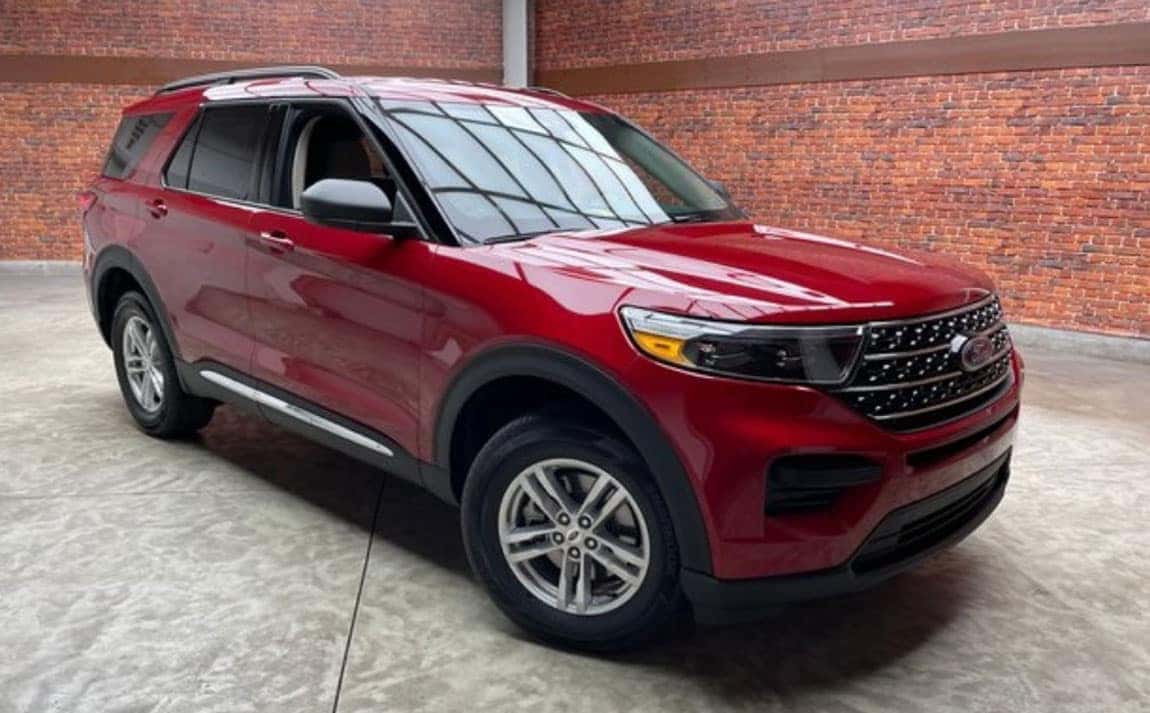
Image source: Tom Masano Ford
Frequently Asked Questions
What is the best year for a used Ford Explorer?
While "best" is subjective, many experts recommend the 2018–2019 models for those who prefer the previous generation's proven reliability. For the current generation, 2022 and newer models are widely considered the top choice because Ford addressed many of the transmission and infotainment issues that plagued the 2020 launch year.
Why are some used Ford Explorers so cheap?
If you find an Explorer priced significantly below market value, it is likely a high-mileage fleet vehicle (such as a former rental or police interceptor) or a unit with a branded title. Additionally, 2020 models with known transmission hesitation often sell for less because buyers are wary of potential repair costs.
How many miles will a Ford Explorer last?
With proper maintenance, a Ford Explorer can typically last between 150,000 and 200,000 miles. The EcoBoost engines are durable, but they require consistent oil changes and cooling system inspections to reach these high-mileage milestones without major failure.
Does the Ford Explorer have a 3rd row?
Yes, all modern Ford Explorers come standard with a third row, offering seating for 6 or 7 passengers depending on whether the second row has a bench seat or captain's chairs. The third row also features power-folding options on higher trims like the Limited and Platinum.
What is the difference between Ford Explorer XLT and Limited?
The XLT is the mid-range trim focusing on value, while the Limited adds luxury features such as leather upholstery, a premium B&O sound system, heated and ventilated front seats, and 20-inch wheels. The Limited also offers an optional hybrid powertrain not available on the XLT.
The Bottom Line on Buying a Used Ford Explorer
The Ford Explorer remains a highly competitive choice in the three-row SUV segment, offering a blend of technology and power that few alternatives match. However, success in the used market depends on your ability to filter out problematic units. Here are the key takeaways for your search:
- Verify the transmission history on any 2020+ model, specifically listening for howling noises in lower gears during your test drive.
- Test all SYNC 3 functions for at least 15 minutes to ensure the APIM module isn't suffering from slow-boot or GPS glitches.
- Prioritize Gold Certified CPO units to benefit from the 172-point inspection and extended powertrain warranty.
- Check for suspension clunking on ST trims, as front strut issues are a documented concern in enthusiast communities.
- Calculate the out-the-door price by identifying hidden dealership fees like document prep and electronic filing charges before signing.
- Target 2022 or newer models to avoid the manufacturing inconsistencies found in the early sixth-generation production runs.
Before you commit to a purchase, always request a full vehicle history report and consider having an independent mechanic perform a pre-purchase inspection to ensure the 10-speed transmission is in good health.