Home
How to Find and Buy High-Value Homes for Sale in Pennsylvania
As of late 2026, the Pennsylvania real estate market remains a top choice for buyers seeking a balance of affordability and economic stability. The median list price stands at $309,900 , with an average cost of $192 per square foot . While inventory levels fluctuate between 44,000 and 62,000 active listings depending on the inclusion of pending sales, the state offers a diverse range of properties from historic Philadelphia rowhomes to sprawling rural retreats in the Poconos.
What Is the Current State of the Pennsylvania Real Estate Market?
Navigating the landscape of homes for sale in Pennsylvania requires an understanding of the state's unique inventory dynamics. Recent data indicates a significant discrepancy in reported listings, with figures ranging from approximately 44,498 to over 62,000 active properties. This variation typically stems from how different platforms, such as Realtor.com and Zillow , categorize "Pending" or "Under Contract" statuses. For buyers, this means that while the volume appears high, the most desirable homes often move into pending status within days.
The pricing benchmarks in Pennsylvania offer a refreshing alternative to the hyper-inflated markets of neighboring states. With a median list price of $309,900, Pennsylvania ranks among the top options for middle-class families and remote professionals. The market is currently composed of roughly 24,000 single-family homes, with the remainder consisting of townhomes, condos, and multi-family units. This diversity allows for a wide range of entry points, whether you are looking for a starter home in a growing tech hub or a luxury estate in the historic Main Line.
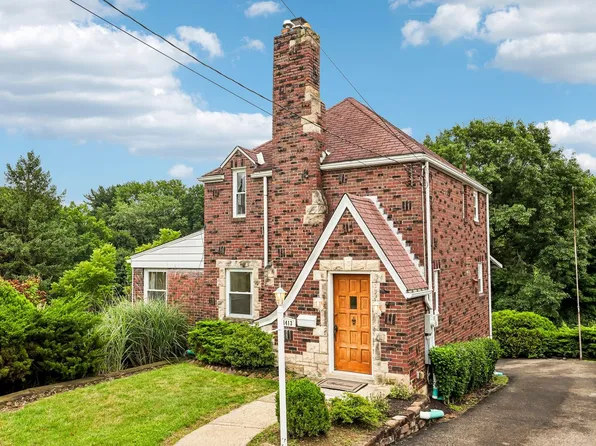
Image source: Zillow
How Much Do You Need to Earn to Buy a Home in Pennsylvania?
Financial readiness is the cornerstone of a successful home search. To determine if you are ready to browse PA real estate market listings, we apply the "3-3-3 Rule," a conservative financial framework designed to ensure long-term housing stability. When applied to Pennsylvania's current median home price, the numbers provide a clear benchmark for prospective buyers.
The 3-3-3 Rule Applied to PA
- Price (3x Income): To comfortably afford a $309,900 home, a household should ideally have an annual income of approximately $103,300 . This ensures that mortgage payments, including taxes and insurance, do not overwhelm the monthly budget.
- Down Payment & Closing (30% Buffer): While many programs allow for lower down payments, having a 30% buffer ($92,970) is highly recommended. This covers a 20% down payment to avoid private mortgage insurance (PMI), plus 5-10% for Pennsylvania's notably high closing costs and immediate maintenance needs.
- Reserves (3 Months): Buyers should maintain at least three months of total living expenses in a liquid savings account after the keys are handed over.
One factor that often surprises out-of-state buyers is the Pennsylvania transfer tax . The state imposes a 1% tax on the property's value, but many local municipalities add their own percentage, often resulting in a total tax of 2% or more. In cities like Philadelphia or Reading, these costs can be even higher. Typically, this expense is split 50/50 between the buyer and the seller, but in a competitive market, buyers may be asked to cover the full amount.
Is It Cheaper to Live in Pennsylvania or New Jersey?
For those working in Philadelphia or New York City, the choice between Pennsylvania and New Jersey is often a financial one. Pennsylvania stands out as a top choice for tax efficiency, particularly for high earners. Unlike New Jersey's progressive income tax, which can reach as high as 10.75%, Pennsylvania maintains a flat income tax rate of 3.07% . This difference alone can save a household thousands of dollars annually.
Property taxes also tell a compelling story. While Pennsylvania's taxes are not the lowest in the nation, they are significantly more manageable than those in New Jersey. For example, comparing Pike County (PA) to Sussex County (NJ) reveals that Pennsylvania residents often pay 30-50% less in annual property taxes for a home of similar value. However, buyers must factor in "Commuter Math"—the cost of gas, tolls, and time spent on the Pennsylvania Turnpike or I-78.
| Metric | Pennsylvania (PA) | New Jersey (NJ) | New York (NY) |
|---|---|---|---|
| Median Home Price | $309,900 | $500,000+ | $450,000+ |
| State Income Tax | 3.07% (Flat) | 1.4% - 10.75% | 4% - 10.9% |
| Avg. Property Tax | 1.50% | 2.49% | 1.73% |
| Sales Tax | 6% | 6.625% | 4% - 8.875% |
Which Pennsylvania Region Fits Your Lifestyle and Budget?
Pennsylvania is a geographically diverse state, and the best places to live in PA depend entirely on your professional needs and personal preferences. According to eXp Realty , the state is segmented into distinct economic and cultural zones.
- The Urban Powerhouses: Philadelphia & Pittsburgh
- Philadelphia offers a rich historical context and a booming healthcare sector, while Pittsburgh has transitioned into a notable tech and robotics hub. Both cities provide high walkability and vibrant cultural scenes.
- The Commuter Belts: Lehigh Valley
- Allentown, Bethlehem, and Easton form the Lehigh Valley, one of the fastest-growing regions in the state. It is a popular choice for those who want more space while remaining within driving distance of New York City.
- The "Messy Middle" Markets: Lancaster & Harrisburg
- These areas are currently experiencing high competition. Lancaster, in particular, is a favorite for "move-up" buyers who are looking for high-quality school districts and a blend of suburban and rural living.
- The Rural Retreats: The Poconos & The Wilds
- For the "Remote Woodsman" persona, the Poconos offer incredible value and natural beauty. These areas are also popular for short-term rental investments, though local regulations are tightening.
How to Navigate the Move-Up Buyer Strategy in Competitive PA Markets
A common challenge in the 2026 market is the "move-up" dilemma: selling your current home while simultaneously purchasing a larger one. In competitive areas like Lancaster or the Philadelphia suburbs, this can be a logistical nightmare. Many buyers fear being left homeless if their current home sells faster than they can find a new one.
To manage this, savvy buyers are utilizing sale-leaseback agreements . This allows you to sell your home but remain in it as a tenant for 30 to 90 days, giving you the cash and the time needed to close on your next property. Another option is the bridge loan, which allows you to borrow against your current home's equity to fund the down payment on the new one. While these strategies involve more complexity, they are highly impactful in a market where contingency offers are often rejected by sellers.
What Are the Red Flags to Watch for in Pennsylvania Home Flips?
With the rise of real estate investing, many homes for sale in Pennsylvania are recent "flips." While some are renovated to a high standard, others may hide significant structural issues behind fresh paint. In rural markets and older coal-region towns like Tamaqua, buyers must be particularly vigilant.
The "Lipstick-on-a-Pig" Checklist
- Check the Permits: Always visit the township office to verify that permits were pulled for electrical, plumbing, and structural work. Unpermitted work is a major red flag.
- Beware of "Grey-Washing": If a home features identical grey vinyl flooring and light grey paint in every room, it may indicate a budget-focused flip where structural repairs were deprioritized.
- Foundation Inspection: In coal regions, check for signs of subsidence or foundation cracks that have been recently patched with hydraulic cement.
- Electrical Panels: Look for outdated "Federal Pacific" or "Zinsco" panels, which are fire hazards often left unchanged by low-quality flippers.
Expert Staging Secrets to Help Your Pennsylvania Home Sell Faster
If you are selling your home to move up, presentation is everything. According to the Pennsylvania Association of Realtors , specific staging techniques can trigger emotional responses in buyers that lead to faster offers.
The 60/40 Rule and Emotional Triggers
One of the most effective tactics is the 60/40 Closet Rule . Closets should be kept 60% full and 40% empty. This creates the illusion of abundant storage space, which is a top priority for growing families. If a closet is packed to the ceiling, buyers subconsciously assume the house lacks sufficient storage.
In the bathroom, aim for a "Spa" aesthetic. Use only rolled white towels and clear surfaces. This triggers a sense of calm and cleanliness. Additionally, strategic TV placement is crucial. Even if you don't have a TV in a specific room, placing a faux TV or a framed piece of art at the exact height a mount would go helps buyers visualize their own setup, particularly in "man caves" or finished basements.
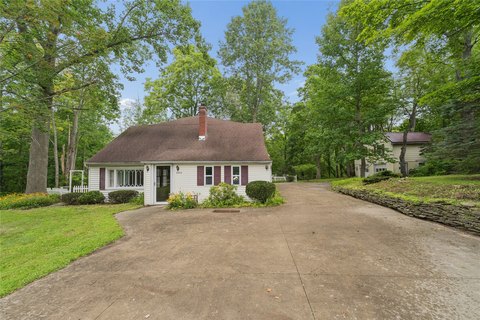
Image source: Realtor.com
Can You Save Money with a Flat-Fee MLS Listing in Pennsylvania?
For sellers looking to maximize their equity, the flat-fee MLS Pennsylvania model is a notable advancement. Typically, a listing agent charges a 3% commission to list your home. On a $300,000 sale, that is $9,000. A flat-fee broker allows you to pay a one-time fee—usually between $150 and $500—to have your home listed on the official Multiple Listing Service (MLS).
This approach is a popular choice for "For Sale By Owner" (FSBO) sellers who want the exposure of sites like Zillow and Realtor.com without the high cost of a full-service agent. However, it requires the seller to handle their own photography, showings, and contract negotiations. As noted by Homes.com , this strategy works best for those with previous real estate experience or those in high-demand neighborhoods where the home "sells itself."
Frequently Asked Questions
Which city in Pennsylvania has the lowest property taxes?
Property taxes in PA are determined by county, municipal, and school district millage rates. Generally, counties like Delaware and Montgomery have higher rates due to school funding needs, while rural counties in the northern tier often have lower rates. However, you must check the specific millage rate for each township, as two neighboring towns can have vastly different tax bills. Homestead exemptions can also help primary residents lower their taxable value.
Is now a good time to buy a house in Pennsylvania?
As of 2026, the market has stabilized from the volatility of previous years. While interest rates remain a factor, the steady appreciation of PA real estate makes it a strong long-term investment. Inventory is higher than it was in 2024, giving buyers more options, though high-quality homes in top school districts still face multiple-offer scenarios. It is a "balanced" market that favors prepared buyers.
What is the 1% transfer tax in PA?
The state of Pennsylvania charges a 1% tax on the sale price of all real estate. Most local municipalities and school districts also charge their own transfer tax, which usually brings the total to 2% or more. By custom, this tax is split equally between the buyer and the seller, but this is entirely negotiable. In a buyer's market, you might ask the seller to pay the whole thing; in a seller's market, you might offer to cover it yourself.
Are there first-time buyer grants in PA?
Yes, the Pennsylvania Housing Finance Agency (PHFA) offers several programs, including the Keystone Home Loan Program and down payment assistance grants. Many of these programs are geared toward low-to-moderate-income buyers or those purchasing in "target" areas. It is highly recommended to work with a PHFA-approved lender to explore these options early in your search.
How do I find foreclosures in PA?
Foreclosures can be found through the Multiple Listing Service (MLS), but many are also sold at county sheriff sales. Each county in PA (such as Allegheny or Bucks) holds its own monthly auction. These sales require significant research, as you are often buying the property "as-is" with potential liens attached. For most buyers, looking for "REO" (Real Estate Owned) properties on standard listing sites is a safer route.
The Bottom Line on Finding Homes for Sale in Pennsylvania
Finding the right home in the Keystone State requires a blend of financial discipline and regional expertise. Whether you are fleeing high taxes in New Jersey or seeking a tech career in Pittsburgh, Pennsylvania offers a high standard of living at a competitive price point.
- Financial Benchmark: Aim for a household income of at least $103,000 to comfortably afford the median $309,900 home.
- Tax Advantage: Leverage PA's 3.07% flat income tax to increase your monthly purchasing power compared to neighboring states.
- Regional Strategy: Match your persona to the region—Lehigh Valley for growth, Poconos for value, and the Main Line for luxury.
- Due Diligence: Always pull permits at the township office when considering a recently renovated or "flipped" property.
- Staging Success: Use the 60/40 closet rule and "spa" bathroom techniques to sell your current home faster.
- Closing Costs: Budget for the 2%+ transfer tax, which is a unique and significant expense in Pennsylvania transactions.
Before you start touring properties, get pre-approved by a local lender who understands Pennsylvania's specific tax and closing requirements to ensure your offer stands out in a competitive market.