Home
Home
How to Look at Apartments from Initial Search to Physical Inspection
Looking at apartments effectively requires a structured 4-month timeline . Begin with neighborhood research 120 days out, narrowing your search to active tours 60 days before your move. To secure a unit in a competitive market, you must verify listings via a "Ghost Filter" script, perform a 60-second physical stress test during tours, and have a digital "Renter Resume" ready for immediate submission. Experts recommend a budget cap of 30% to 40% of your gross income , including a $250–$450 buffer for monthly utilities.
Finding a new home is often one of the most stressful transitions in adult life. In many metropolitan areas, the rental market moves with such velocity that a listing appearing at 9:00 AM can be leased by noon. This environment demands more than just casual browsing; it requires a tactical system that bridges the gap between digital discovery and physical verification. Whether you are a first-time renter or a seasoned mover, understanding the nuances of how to look at apartments will save you from "renter's remorse" and financial strain.
This guide provides a comprehensive framework for navigating the modern rental landscape. We will move beyond the basic advice found on most listing sites to explore "boots on the ground" strategies, technical inspection checklists, and financial planning that accounts for the true cost of living. By following this process, you position yourself as a prepared, professional applicant that landlords are eager to sign.
When to start looking at apartments for optimal results
Timing is the most critical variable in your search. If you start too late, you are forced to settle for whatever is left over. If you start too early, landlords will not take you seriously because they need to fill vacancies immediately. According to Zillow research , the most effective search begins approximately four months before your desired move-in date.
Month 4: The Research Phase
Focus entirely on neighborhood discovery and budget calibration. Visit potential neighborhoods at different times of day—specifically Friday nights and Monday mornings—to gauge noise levels and commute patterns. Do not look at specific units yet; look at the infrastructure of the area.
Month 3: The Preparation Phase
Gather your "Renter Resume." This includes your credit report, the last three months of pay stubs, tax returns, and a list of references. Having these documents digitized and ready to send via a mobile link is a significant advantage in fast-moving markets.
Month 2: The Outreach Phase
This is when serious browsing and touring begins. Most tenants give 30 to 60 days' notice, meaning the inventory for your move-in date is just hitting the market. Aim to schedule 3-5 tours per week during this window.
Month 1: The Execution Phase
If you haven't signed a lease, this is the "sprint" period. You should be prepared to view a unit and submit an application within the same 48-hour window. In competitive markets, the first qualified applicant often wins.
Navigating Peak Competition in the Rental Market
It is important to note that rental activity is not distributed evenly throughout the year. Data suggests that outreach to property managers peaks during the first week of June . If your schedule allows, searching during "off-peak" months like November or January can provide more leverage. Landlords are often more willing to negotiate on rent or waive application fees when demand is lower. However, inventory is also lower during these times, so the trade-off is a smaller selection of units.
How to set a realistic budget before you browse
One of the most common mistakes renters make is looking at apartments based solely on the "sticker price" of the rent. This leads to a distorted view of what you can actually afford. To look at apartments effectively, you must establish a "Hard Cap" budget that includes all ancillary costs.
The 30 Percent Rule versus the 40 Percent Hard Cap
The traditional financial advice is to spend no more than 30% of your gross monthly income on rent. While this remains a healthy target, many renters in high-cost-of-living areas find this nearly impossible. Some experts and state agencies, such as those cited in Medium's apartment hunting guides , suggest that a 40% cap is a more realistic ceiling in modern markets. However, you should never view a unit that exceeds this 40% mark. Doing so creates an emotional attachment to a lifestyle that will lead to long-term financial stress.
Accounting for the Hidden Utility Buffer
Rent is only the beginning. Official guidelines from Mass.gov suggest that renters should budget an additional $250 to $450 per month for utilities if they are not included in the lease. This includes heating, electricity, water, trash removal, and high-speed internet. When you are "looking" at a $2,000 apartment, you are actually looking at a $2,350 monthly commitment.
| Expense Category | Typical Amount | Total Estimate |
|---|---|---|
| First Month's Rent | 1 Month | $2,000 |
| Security Deposit | 1 Month | $2,000 |
| Broker Fee (If applicable) | 1 Month | $2,000 |
| Application Fees | Per Person | $50 - $100 |
| Total Cash Required | - | $4,050 - $6,100 |
Where to find apartments online using top-rated platforms
The digital landscape for apartment hunting is vast, but not all platforms are created equal. To maximize your efficiency, you should use a combination of high-volume aggregators and specialized tools that prioritize landlord responsiveness.
High Volume Platforms for Professional Listings
Zillow and Apartments.com are widely regarded as the industry standards for volume. They offer the most robust map-drawing tools and 3D tours, which are essential for narrowing down your search from hundreds of units to a manageable top five. However, because these sites are so popular, the competition for every listing is exceptionally high.
Using Specialized Tools for Landlord Responsiveness
Platforms like RentHop offer a unique advantage through their "HopScore" system. This algorithm ranks listings based on how quickly the landlord responds to inquiries and how recently the information was updated. This helps you avoid wasting time on "zombie" listings that have already been rented but remain active on other sites. For those seeking "Mom and Pop" landlords, Facebook Marketplace and Craigslist remain viable, though they require a higher level of scrutiny to avoid scams.
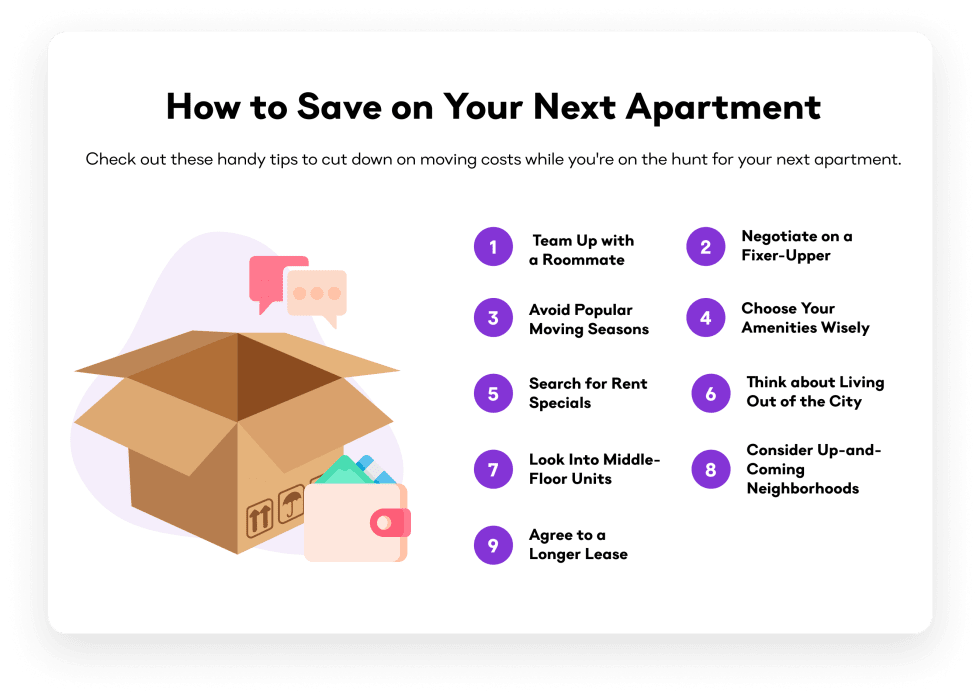
Image source: Apartment List
How to spot and filter out ghost listings effectively
A "Ghost Listing" is a rental advertisement for a unit that is no longer available. Landlords or brokers often leave these active to collect a "lead bank" of potential tenants for future openings. This practice is a significant drain on a renter's time. According to Apartment Therapy's testing of various rental sites, ghost listings are one of the most frustrating aspects of the modern search.
Common Red Flags in Rental Advertisements
- Listings that have been active for more than 14 days in a competitive market.
- Advertisements that use only stock photos or "model unit" renderings.
- Prices that are significantly below the national median (approximately $2,049 as of recent data).
- Descriptions that are overly vague or lack a specific address.
A Verification Script for Serious Renters
Before you spend an hour traveling to a tour, send a verification message. Do not use the automated "Is this available?" button. Instead, use a script that demonstrates you are a serious, qualified lead:
How to find hidden listings from private landlords
Some of the most desirable apartments never make it to Zillow. These are often owned by private "Mom and Pop" landlords who prefer to find tenants through word-of-mouth or local physical advertising. These units often feature more unique layouts and more flexible lease terms than corporate-owned complexes.
Boots on the Ground Neighborhood Strategies
The most effective way to find these hidden gems is to walk your target neighborhood on a Saturday morning. Look for physical "For Rent" signs in windows. These landlords are often older and less tech-savvy, meaning they value a face-to-face interaction over a digital inquiry. This "boots on the ground" approach allows you to see the building's exterior condition and the neighborhood's vibe before you even make a phone call.
Leveraging Local Social Media Groups
Instead of the general Facebook Marketplace, join neighborhood-specific groups (e.g., "Brooklyn Heights Renters" or "North End Living"). Private landlords often post there first to find people who are already invested in the community. Additionally, check physical bulletin boards in local coffee shops or laundromats within the specific zip code you desire. These "low-tech" methods are a highly effective way to bypass the high-competition digital portals.
What you should bring to an apartment tour
When you walk into a tour, you are being interviewed just as much as you are interviewing the space. Arriving prepared signals to the landlord that you will be a responsible and organized tenant. Professional renters carry a "toolkit" that allows them to vet the space technically and legally on the spot.
Essential Tools for a Professional Walkthrough
- A Tape Measure: Never assume your queen-sized bed or executive desk will fit. Measure the "pinch points" like narrow hallways and door frames.
- A Phone Charger: Use this to test every electrical outlet in the bedroom and living area. It is common for older buildings to have "dead" outlets that go unnoticed until move-in day.
- A High-Powered Flashlight: Use this to look under sinks and in the back of closets for signs of pests or water damage.
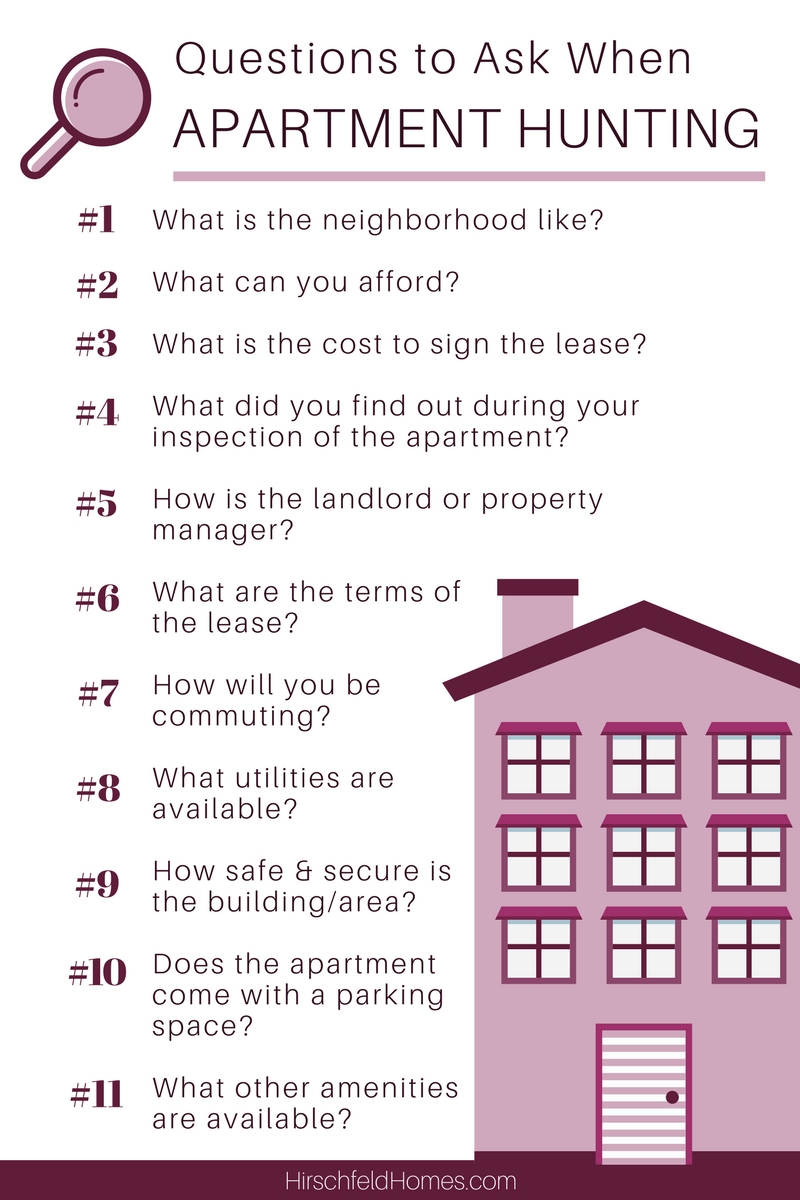
Image source: Hirschfeld Apartment Homes
Preparing Your Digital Renter Resume
In a competitive market, you should have a folder on your phone (using Google Drive or Dropbox) containing PDFs of your ID, three months of pay stubs, your most recent tax return, and a credit report. If you like the apartment, tell the agent: "I love the unit. I have my full application package ready to email to you right now. Where should I send it?" This speed often beats out other interested parties who need 24 hours to gather their paperwork.
The 60-second physical stress test for every unit
A beautiful renovation can hide significant functional flaws. To look at apartments like a pro, you must perform a "stress test" that pushes the unit's systems to their limit. This takes less than a minute but can save you a year of frustration.
Checking Water Pressure and Temperature
Go to the bathroom and turn on the shower. While it is running, go to the kitchen and turn on the sink. Check if the shower pressure drops significantly. This test reveals the building's plumbing capacity. If the pressure fails, you will likely struggle with inconsistent water temperatures every morning when your neighbors are also showering.
Auditing Cell Service and Electrical Outlets
Walk to the exact corner where you plan to put your bed or your home office desk. Check your phone's signal strength. Many modern buildings use materials that create "dead zones." If you have zero bars in your bedroom, you will face dropped calls and connectivity issues. Simultaneously, count the outlets. Are they positioned where you actually need them, or will you be forced to run dangerous extension cords across the floor?
The Window and Noise Insulation Test
Open and close every window. They should move smoothly and lock securely. While they are closed, listen to the street noise. If you can hear a conversation on the sidewalk clearly, the windows are likely single-pane and offer poor thermal and acoustic insulation. This will lead to higher heating bills and disrupted sleep.
How to look at apartments virtually without getting scammed
Virtual tours have become a standard part of the search, especially for those moving from out of state. However, they are also the primary tool for rental scammers. To look at apartments virtually, you must insist on transparency and live verification.
Using 3D Tours to Spot Hidden Flaws
Matterport 3D tours are a significant advancement in rental technology. They allow you to "walk" through a space at your own pace. Use these to look for things standard photos hide: slanted ceilings that reduce usable square footage, a lack of overhead lighting in bedrooms, or the proximity of the trash chutes to the front door. If a listing only provides a pre-recorded video, be cautious.
The Live Walkthrough Requirement
Never sign a lease based on a recorded video or 3D tour alone. Insist on a live FaceTime or Zoom walkthrough with the landlord or agent. Ask them to open the fridge, turn on the faucets, and show you the view out of the windows. This proves that the person actually has access to the unit and that the video wasn't stolen from an old listing. If they refuse a live tour, it is a major red flag for a scam.
What questions should you ask the landlord or agent?
The quality of your questions determines the quality of your tenancy. Many renters focus on the "now" (the rent price) but forget to ask about the "future" (maintenance and renewals). Use these questions to vet the management style of the property.
Inquiring About Maintenance and Repairs
Ask: "Who handles repairs, and what is the typical turnaround time for a non-emergency request?" A good landlord will have a specific system (like an online portal) and a dedicated maintenance person. If the answer is "just call me and I'll see what I can do," expect delays when your dishwasher breaks.
Understanding Utility Costs and Guest Policies
Beyond the rent, clarify the guest policy. Some leases have strict limits on how many consecutive nights a guest can stay. Also, ask about the rent increase history: "How much has the rent increased for this unit over the last three years?" This gives you a realistic expectation of what your costs will look like if you decide to renew your lease next year.
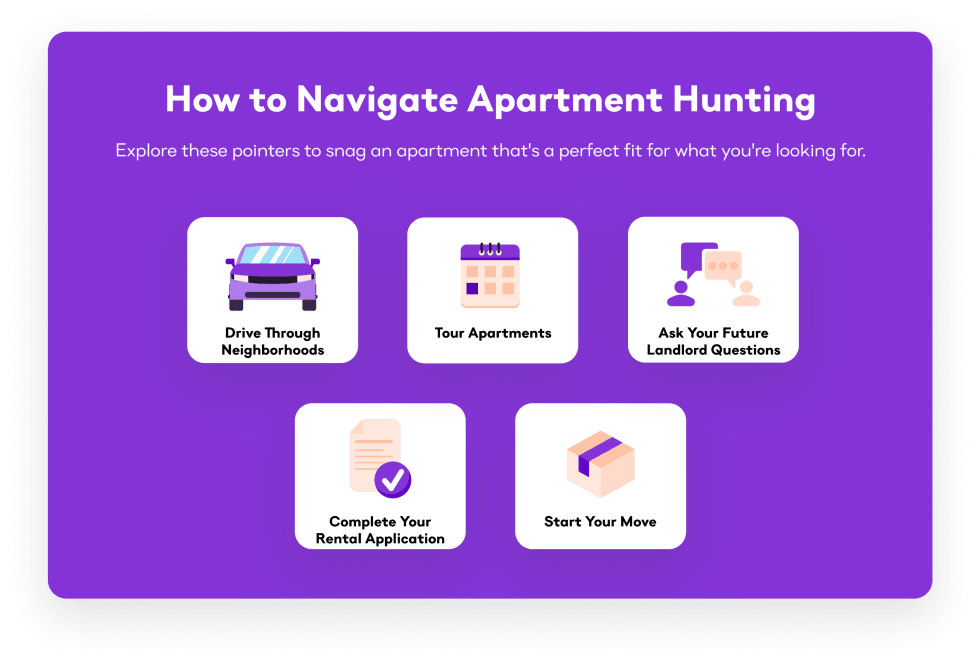
Image source: Apartment List
How to apply and secure the unit fast
Once you find a unit that passes your stress test and fits your budget, you must move with precision. The application process is the final hurdle, and in a competitive market, speed is your greatest ally. Most landlords prioritize the first complete application they receive.
Organizing Your Application Documents
Ensure all your documents are in a single, clearly labeled PDF file. This makes it incredibly easy for the landlord to review your file and send it to the property owner for approval. Include a brief "cover letter" that introduces yourself, your occupation, and why you are interested in the building. This humanizes your application in a sea of data points.
The Post Tour Follow Up Protocol
Immediately after the tour, send a "Thank You" email. Reiterate your interest and confirm that your application has been submitted. If there were any questions left unanswered during the tour, this is the time to ask them. This professional follow-up keeps you at the top of the agent's mind as they begin the screening process.
Frequently Asked Questions
Key Takeaways for a Successful Apartment Search
- Start your search 4 months early to allow for neighborhood research and document preparation.
- Set a Hard Cap budget that accounts for a $450 monthly utility buffer and upfront costs.
- Use the Ghost Filter script to verify listing availability before scheduling tours.
- Perform the 60-second stress test on water pressure, cell service, and noise insulation.
- Bring a tape measure and phone charger to every tour to verify the unit's functionality.
- Have a digital Renter Resume ready to submit within minutes of finishing a tour.
- Insist on live verification for all virtual tours to protect yourself from common rental scams.
Download a printable version of our apartment viewing checklist to take with you on your next tour.