Home
How to Navigate Italy by Train Like a Local

Stepping onto the platform at Milano Centrale involves more than just finding a seat; it is the beginning of a rhythmic immersion into the Italian way of life. Italy’s rail network is a sprawling masterpiece of engineering that connects the sun-drenched ruins of Pompeii to the frost-tipped peaks of the Dolomites. For those willing to trade the stress of driving on narrow Mediterranean cliffs for a window seat and a cup of espresso, the train is not just a mode of transport—it is the destination.
The efficiency of the high-speed lines combined with the rustic charm of regional "slow travel" creates a system that can be both exhilarating and, at times, confusing for the uninitiated. Understanding the pulse of the Italian tracks requires looking beyond the timetable and into the practical mechanics of how the country moves.
The Dual Giants of Italian High-Speed Rail
Unlike many European countries with a single state-owned monopoly, Italy benefits from healthy competition in the high-speed sector. Choosing between the two major players is often the first decision a traveler must make.
Trenitalia and the Frecce Heritage
As the primary national operator, Trenitalia manages everything from high-speed masterpieces to the humblest regional shuttles. Their high-speed fleet, known as Le Frecce (The Arrows), is divided into three tiers. The Frecciarossa (Red Arrow) is the flagship, reaching speeds of up to 300 km/h (190 mph). These trains connect major hubs like Milan, Bologna, Florence, Rome, and Naples with surgical precision.
During our recent runs on the Frecciarossa 1000, the stability even at top speed was remarkable—a glass of wine in the Executive carriage barely ripples. The Frecciargento (Silver Arrow) operates on both high-speed and traditional lines, often serving routes like Rome to Venice or Verona. Finally, the Frecciabianca (White Arrow) connects smaller cities outside the primary high-speed corridor, offering a reliable middle-ground experience.
Italo: The Private Challenger
Italo (NTV) is a private company that exclusively operates high-speed trains. They use the same tracks as Trenitalia but offer a different aesthetic and service model. Italo trains are sleek, burgundy-colored, and often feature ultra-modern interiors designed by Alstom.
In terms of the user experience, Italo often wins on technology and clarity. Their mobile app is exceptionally intuitive, and the "Prima" class often provides a more boutique feel compared to Trenitalia’s larger business segments. However, because they only run high-speed services, you cannot rely on Italo for reaching remote villages in Tuscany or the cliffside stops of the Cinque Terre.
Deciphering the Regional Rail Experience
While the high-speed trains garner the most attention, the Regionale and Regionale Veloce (Fast Regional) trains are the true workhorses of Italy. These are the trains that take you into the heart of the countryside.
The Art of the Regional Journey
Regional trains do not offer seat reservations. You simply buy a ticket and board. This provides incredible flexibility but requires a different mindset. On a summer afternoon in the Val d'Orcia, these trains can be crowded with students and commuters. The windows often open, allowing the scent of wild rosemary and warm earth to drift into the carriage—an experience you’ll never have on a pressurized high-speed train.
The Non-Negotiable Rule of Validation
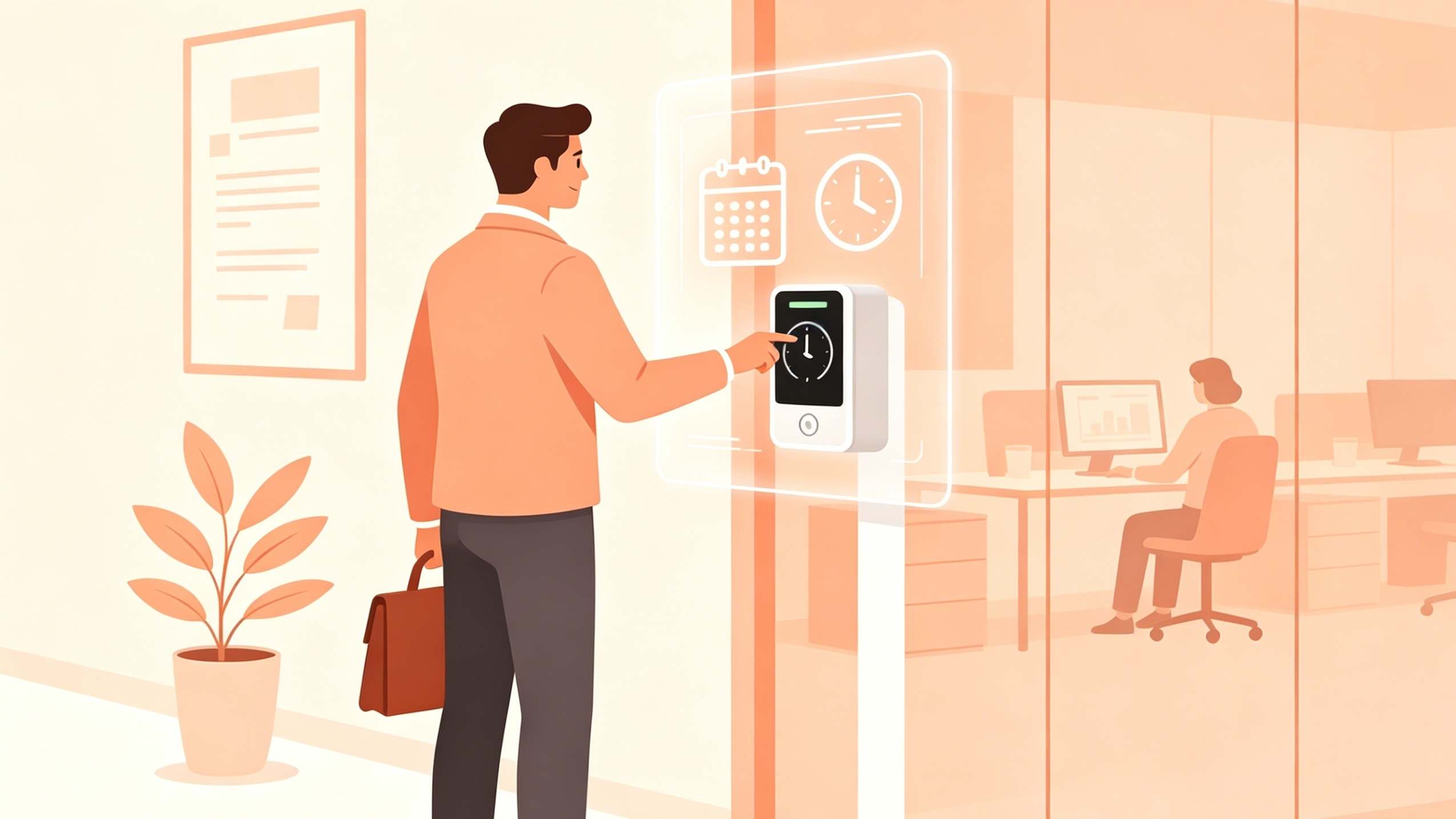
Perhaps the most important practical tip for any traveler using regional rail is the act of validation (convalida). If you purchase a physical paper ticket for a regional train at a station kiosk, it is not yet "active." Before boarding, you must find the small green or yellow machines located near the platforms and insert your ticket to have it time-stamped.
Failure to do this is a frequent source of fines for tourists. Trenitalia conductors are generally strict; a ticket without a timestamp is considered invalid, as it could theoretically be used again the next day. However, if you purchase a digital ticket through the official app, validation is usually handled automatically when you "check-in" on your phone before the train departs.
Iconic Routes Every Traveler Should Experience
Italy is home to some of the most visually stunning rail segments in the world. Whether you are looking for coastal drama or alpine grandeur, these routes offer a cinematic perspective of the peninsula.
The High-Speed Classic: Rome to Florence
This 90-minute journey is the backbone of Italian tourism. Leaving the chaotic energy of Rome Termini, the train quickly enters the rolling landscape of Lazio before crossing into the cypress-dotted hills of Tuscany. The transition from the ancient architecture of the capital to the Renaissance skyline of Florence is seamless. This route is so frequent that trains often depart every 15 to 20 minutes during peak hours.
The Cinque Terre Express: Coastal Perfection
Running between La Spezia and Levanto, this regional service stops at the five famous villages: Riomaggiore, Manarola, Corniglia, Vernazza, and Monterosso. While much of the track is in tunnels, the moments when the train emerges onto the cliffs above the Ligurian Sea are breathtaking. The turquoise water feels close enough to touch. During the peak season (May to September), this line is incredibly busy, so it is best to use it as a shuttle between hikes rather than a sightseeing tour in itself.
The Bernina Express: To the Top of the World
Starting in Tirano, just north of Milan, the Bernina Express is a UNESCO World Heritage route that climbs into the Swiss Alps. It is one of the highest railway crossings in Europe. The panoramic carriages feature floor-to-ceiling windows, offering unobstructed views of glaciers, mountain lakes, and the famous circular viaduct at Brusio. While this journey requires a dedicated day, the contrast between the Italian palm trees in Tirano and the snow-capped peaks at the summit is unforgettable.
The Sicilian Sea-Crossing Train
One of the world's few remaining train ferries operates between the mainland (Villa San Giovanni) and Sicily (Messina). The entire train is shunted onto a massive ferry boat. Passengers can step out of the carriages and onto the deck to watch the sunset over the Strait of Messina while the train is transported across the water. It is a slow, nostalgic process that captures the soul of Southern Italian travel.
How to Buy Train Tickets in Italy?
The booking process has evolved significantly over the last decade. While ticket windows (biglietteria) still exist at major stations, they are increasingly bypassed in favor of digital solutions.
Using Official Apps vs. Third-Party Sites
For the best prices and the most accurate real-time data, using the official Trenitalia and Italo apps is highly recommended. These apps allow you to save your credit card information, track your train's "live" location, and change your booking with a few taps.
Third-party aggregators can be helpful for comparing prices across different operators, but they often charge a small booking fee and may not provide instant notifications about strikes or delays. If you are comfortable with a mobile interface, sticking to the direct source is the most reliable path.
The Logic of Dynamic Pricing
High-speed tickets in Italy work much like airline tickets. There are various fare levels:
- Super Economy: The cheapest, but completely non-refundable and non-changeable.
- Economy: A middle ground allowing some changes for a fee.
- Base: The most expensive, but fully flexible.
Booking three to four weeks in advance can often save you 50% or more compared to buying a ticket on the day of travel. Conversely, regional train prices are fixed. A ticket from Pisa to Lucca will cost the same whether you buy it two months early or two minutes before the train leaves.
Logistics and the On-Board Experience
The physical reality of Italian stations and trains requires some preparation, particularly regarding luggage and timing.
Navigating the Large Hubs
Major stations like Roma Termini, Milano Centrale, and Firenze Santa Maria Novella are massive, multi-level complexes. It is essential to arrive at least 30 minutes before your departure. Keep a close eye on the "Partenze" (Departures) boards. Your platform number (Binario) might only appear 10 to 15 minutes before the train leaves.
Be aware that in large stations, platforms are often behind security gates. You will need to show your ticket (digital or paper) to the staff to access the platform area.
Luggage Management
There is no checked luggage system on Italian trains. You are responsible for carrying your bags onto the train and stowing them. On high-speed trains, there are racks at the end of each carriage and space above the seats. On regional trains, space is more limited.
A seasoned traveler’s tip: if you have a large suitcase, try to board as soon as the platform is announced. The luggage racks fill up quickly, and you don’t want to be the person blocking the aisle with a 30-kg bag.
Dining at 300 km/h
The dining experience on Le Frecce is surprisingly decent. The "FRECCIABistrò" offers everything from espresso and cornetti to pasta dishes and local cheeses. In Business and Executive classes on Trenitalia, a welcome drink and snack are usually included in the price. However, for a truly local experience, do as the Italians do: visit a "Panino" shop at the station before you board and bring a fresh focaccia and a bottle of water with you.
Why 2025 Is the Year of Italian Rail Travel?
Italy is currently investing billions of euros into its rail infrastructure as part of its sustainability goals. We are seeing the expansion of the high-speed network further south toward Bari and Calabria, making the once-remote corners of the "boot" more accessible than ever. Furthermore, the introduction of new "Experience" trains—dedicated vintage carriages for tourists—is turning the journey itself into a heritage event.
Is it better to take the train or drive in Italy?
For most travelers, the train is the superior choice. Most Italian city centers are "ZTL" (Limited Traffic Zones), meaning unauthorized cars (including rentals) are heavily fined for entering. Parking is expensive and difficult to find in cities like Florence or Rome.
The train drops you in the heart of the city, usually within walking distance of the major sights. Driving is only recommended if your primary goal is exploring deep into the countryside, such as visiting specific remote wineries in Piedmont or hilltop villages in Umbria that are not served by a station.
Do I need to validate my digital train ticket in Italy?
This is a common point of confusion. For high-speed trains (Frecciarossa, Italo), you do not need to validate. Your ticket is for a specific seat on a specific train.
For digital regional tickets, the rule has recently changed. You must "check-in" via the Trenitalia app or the link in your email before the scheduled departure time of your train. Once you check-in, the ticket becomes active. If you forget to do this, the conductor may treat it as an unvalidated ticket.
Conclusion
A train journey through Italy is a masterclass in the beauty of transitions. It is the shift from the bustling urbanity of Milan to the silent, misty waters of Lake Como; the leap from the chaotic vibrance of Naples to the sun-baked stillness of the Sicilian coast. By understanding the nuances of the ticketing system, respecting the ritual of validation, and choosing the right routes, you can transform a simple commute into a highlight of your Mediterranean adventure.
FAQ
What is the difference between Roma Termini and Roma Tiburtina? Roma Termini is the central hub, closest to the historic center. Roma Tiburtina is a secondary hub, often used by long-distance trains bypassing the city center to save time. Always check which station your ticket specifies.
Are there strikes on Italian trains? Yes, transport strikes (sciopero) do occur. They are usually announced weeks in advance. During a strike, "essential services" are guaranteed during peak commuting hours (usually 6:00–9:00 and 18:00–21:00).
Can I buy tickets at the station? Yes, every station has automated ticket machines (Biglietto Veloce) with multi-language support (including English). They accept both cash and cards.
Is there Wi-Fi on Italian trains? High-speed trains (Frecciarossa and Italo) offer free Wi-Fi, though the connection can be spotty when the train passes through tunnels in the Apennines. Regional trains generally do not have Wi-Fi.
How early should I book the Bernina Express? Because the Bernina Express is a specialized panoramic train with limited seating, it is advisable to book at least 2-3 months in advance, especially for travel in June, July, or August.
-
Topic: Best Train Journeys in Italy: 9 Scenic Routeshttps://www.getyourguide.com/explorer/italy-ttd169011/train-journeys-in-italy/
-
Topic: Train Routes Italy: Italo train stops | Italotrenohttps://www.italotreno.com/en/destinations-timetable
-
Topic: Trains in Italy | Interrail.euhttps://www.interrail.eu/en/plan-your-trip/tips-and-tricks/trains-europe/trains-country/trains-italy