Home
How to Plan a Trip to Martha's Vineyard Massachusetts Without the Celebrity Price Tag
Martha's Vineyard is a 100-square-mile island located 7 miles off the coast of Cape Cod, Massachusetts. Accessible only by ferry or plane, it is divided into the bustling "Down-Island" towns (Oak Bluffs, Edgartown, Vineyard Haven) and the rural "Up-Island" region (West Tisbury, Chilmark, Aquinnah). While famous for its summer celebrity guests, the island offers a relaxed "flip-flop lifestyle" accessible to all budgets through a robust $8 public transit system and diverse lodging options.
What Exactly Is Martha’s Vineyard and Where Is It Located?
Martha’s Vineyard is a prominent island located in the Atlantic Ocean, just south of Cape Cod, Massachusetts. Spanning approximately 96 to 100 square miles, the island is roughly 23 miles long and 9 miles wide. According to Wikipedia , it is the third-largest island on the East Coast of the United States that is not connected to the mainland by a bridge or tunnel, following Long Island and Mount Desert Island.
The name itself carries a bit of historical irony. While the island was named "Martha's Vineyard" by English explorer Bartholomew Gosnold in 1602—likely after his daughter or mother-in-law—there are currently no active wine-producing vineyards on the island. The last commercial vineyard, Chicama Vineyards, closed its doors in 2008 after nearly four decades of operation. Today, the name serves as a reminder of the wild grapes Gosnold encountered centuries ago rather than a thriving viticulture industry.
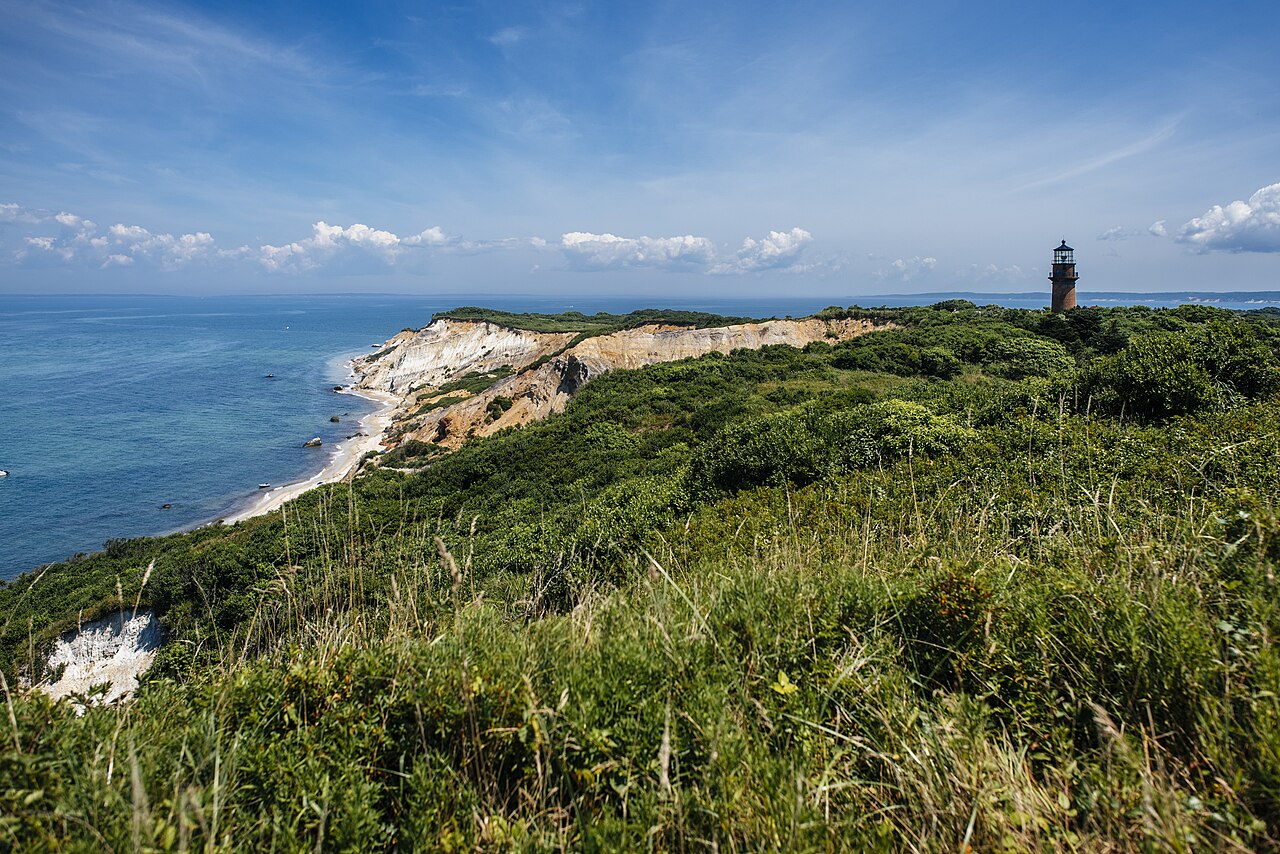
Image source: Wikipedia
Before European settlement, the island was (and remains) the home of the Wampanoag people, who called the land Noepe , meaning "land amid the streams." European settlement began in earnest in 1642 at Great Harbor, which we now know as Edgartown. Today, the island is a tapestry of these deep historical roots, featuring everything from 19th-century whaling mansions to the colorful Victorian "Gingerbread" cottages of Oak Bluffs.
Culturally, the island is widely regarded as a bastion of "low-key luxury." While it attracts presidents and celebrities, the local vibe is decidedly unpretentious. As noted by frequent visitors and designers like Kathleen Walsh, the island is about a relaxed, stylish way of life where flip-flops are more common than designer labels. It is a place where the natural landscape—124 miles of tidal shoreline and protected marshes—takes center stage over commercial glitz.
How to Get to the Island Without the Stress
Getting to Martha's Vineyard requires a bit of strategic planning, as there are no bridges connecting it to the Massachusetts mainland. The most common method of arrival is the ferry, but the process involves a specific logistical "dance" that first-time visitors should understand to avoid unnecessary stress.
The Steamship Authority and Alternative Ferries
The Steamship Authority is the primary lifeline to the island, operating year-round from Woods Hole on Cape Cod. This is the only ferry that carries vehicles, though bringing a car is often unnecessary and expensive. If you do plan to bring a vehicle, reservations typically open in January or February for the summer season and sell out almost instantly for weekend travel.
For those looking to skip the Woods Hole traffic, several seasonal passenger-only ferries operate from other locations:
- Hy-Line Cruises: Operates high-speed catamarans from Hyannis directly to Oak Bluffs.
- Seastreak: Offers seasonal service from New York City, New Jersey, and New Bedford, MA.
- Vineyard Fast Ferry: Runs from Quonset Point, Rhode Island, providing a convenient option for those coming from the south.
Flying to the Vineyard
If you prefer to skip the water crossing entirely, Martha’s Vineyard Airport (MVY) serves as the island's aviation hub. During the summer months, major carriers like JetBlue, Delta, and American Airlines offer direct flights from cities such as New York, Boston, and Washington D.C. Cape Air also provides frequent "puddle jumper" flights from Boston Logan and other regional airports year-round.
Should You Bring a Car or Use the $8 Public Transit Hack?
One of the most common questions travelers ask is whether they need a car on the island. While having a vehicle offers maximum flexibility, it comes with significant downsides: high ferry costs (often over $200 round-trip), limited parking in historic town centers, and heavy summer traffic. For many, the "car-free" approach is not only more affordable but also more relaxing.
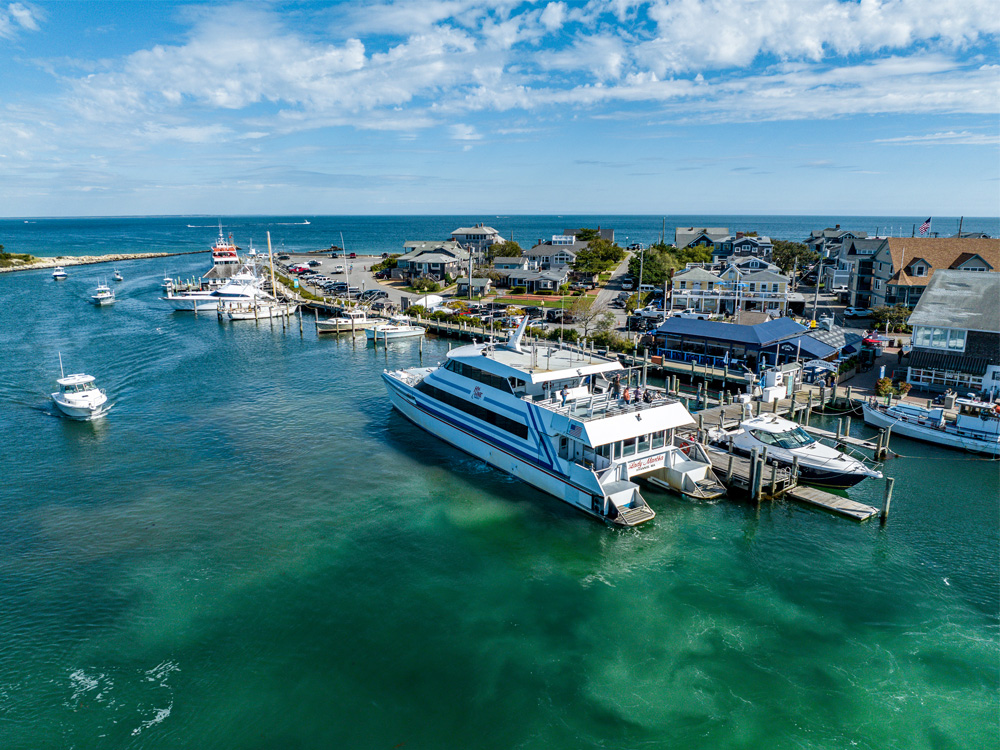
Image source: Hy-Line Cruises
The $8 All-Day Bus Pass
The Martha’s Vineyard Transit Authority (VTA) operates a remarkably efficient bus system that connects all six towns. For just $8, you can purchase an all-day pass that allows for unlimited rides. During the peak summer season, buses on major routes (like the one connecting Vineyard Haven, Oak Bluffs, and Edgartown) run every 10 to 15 minutes. This is a significant advancement in island accessibility, allowing budget-conscious travelers to explore the entire 100-square-mile landmass without the burden of a rental car.
Exploring by Bicycle
Martha's Vineyard is a top-tier destination for cyclists. The island features an extensive network of paved bike paths, particularly the 10-mile loop through the Manuel F. Correllus State Forest and the scenic coastal path between Oak Bluffs and Edgartown. Biking is a popular choice for reaching beaches like State Beach or Katama, where car parking is often at a premium. Numerous rental shops are located within walking distance of the ferry terminals in Vineyard Haven and Oak Bluffs.
Understanding the Divide Between Up-Island and Down-Island
To navigate Martha's Vineyard like a local, you must understand the regional divide. The island is split into two distinct areas: "Down-Island" and "Up-Island." This terminology can be confusing, as "Up-Island" actually refers to the western, higher-elevation part of the island, while "Down-Island" refers to the eastern, more developed ports.
| Region | Towns | Vibe | Best For |
|---|---|---|---|
| Down-Island | Edgartown, Oak Bluffs, Vineyard Haven | Bustling, historic, commercial | Shopping, nightlife, families, first-timers |
| Up-Island | West Tisbury, Chilmark, Aquinnah | Rural, agricultural, quiet | Nature lovers, sunsets, privacy, hiking |
Down-Island is where you will find the majority of the island's hotels, restaurants, and shops. Edgartown is famous for its white-painted whaling captain's homes and boutique shopping. Oak Bluffs is the center of nightlife and family fun, home to the Flying Horses Carousel and the Gingerbread cottages. Vineyard Haven serves as the main year-round port and offers a more "year-round" community feel.
Up-Island offers a stark contrast. Here, the landscape shifts to rolling farmland, ancient stone walls, and dramatic cliffs. West Tisbury is the agricultural heart of the island, Chilmark is a quiet fishing village (home to the famous Menemsha sunset), and Aquinnah is the westernmost point, known for its stunning red clay cliffs and Wampanoag heritage. Up-Island is where you go to escape the crowds and experience the island's raw natural beauty.
Which of the Six Towns Should You Stay In?
Choosing where to stay is the most critical decision in your planning process, as each town offers a vastly different experience. Your choice will dictate your access to specific beaches and your proximity to evening entertainment.
Oak Bluffs: The Family Favorite
Oak Bluffs is widely considered one of the best towns for families and those who want to be in the heart of the action. It is home to the Martha’s Vineyard Camp Meeting Association, a neighborhood of over 300 brightly colored Victorian cottages that look like something out of a fairy tale. The town also features the Flying Horses Carousel, the oldest platform carousel in the United States, and a lively harbor lined with bars and restaurants.
Edgartown: The Luxury Choice
If you are looking for a more refined, upscale experience, Edgartown is a top-tier option. The town is meticulously preserved, with brick sidewalks and stately Greek Revival architecture. It is the most "walkable" town for high-end dining and boutique shopping. Staying here also puts you close to Katama (South Beach), one of the island's most popular public beaches.
West Tisbury: The Beach Access Hack
For beach lovers, West Tisbury offers a unique advantage. Many of the island's most beautiful beaches, such as Lambert’s Cove, are restricted to town residents or those staying in local rentals. By booking a house in West Tisbury, you gain the ability to purchase a walk-on or vehicle pass for these exclusive spots. Lambert’s Cove is highly recommended for its fine white sand and calm, Caribbean-like waters.
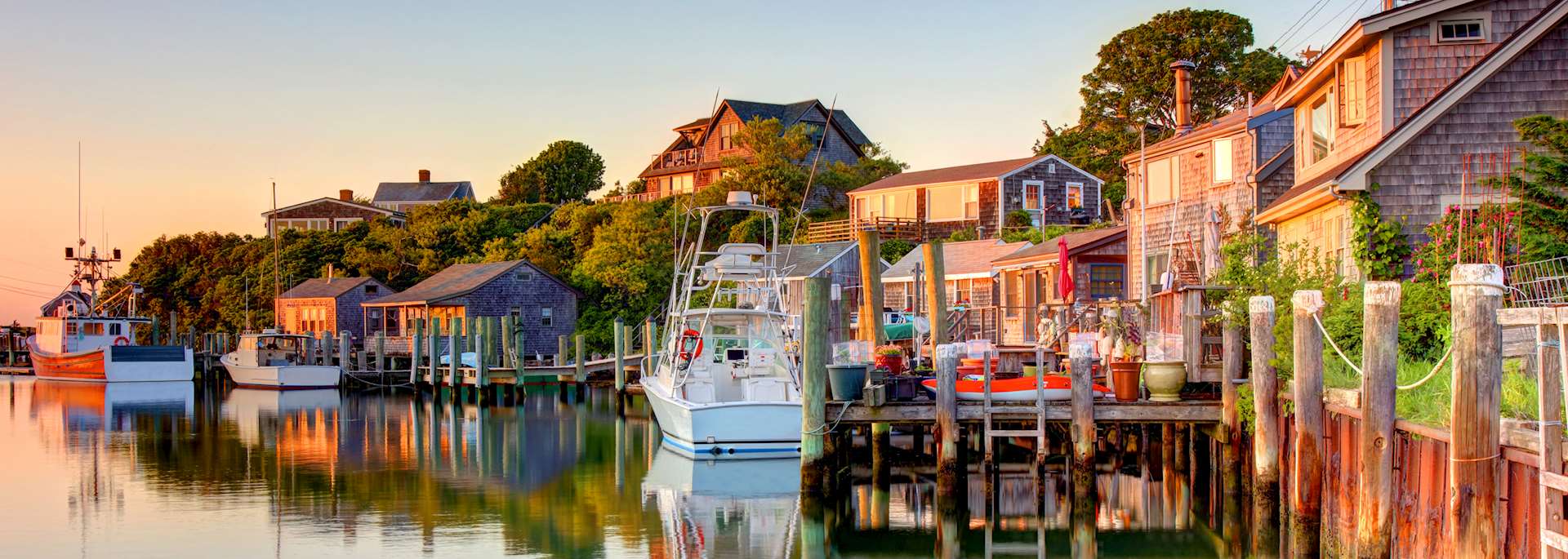
Image source: Audley Travel
How to Access the Martha’s Vineyard Beaches
Beach access on Martha's Vineyard can be surprisingly complex. Unlike many coastal destinations where all beaches are public, a significant portion of the Vineyard's shoreline is privately owned or restricted to town residents. Understanding these rules is essential for a successful trip.
Top Public Beaches
Fortunately, several of the island's most beautiful stretches of sand are open to everyone:
- Katama (South Beach): Located in Edgartown, this is a massive barrier beach with strong surf and plenty of space. It is a popular choice for younger crowds and families who enjoy the waves.
- State Beach (Joseph Sylvia State Beach): Stretching between Oak Bluffs and Edgartown, this beach has very calm water, making it an excellent choice for families with small children. It is also the site of the "Jaws Bridge," where locals and tourists alike jump into the channel.
- Moshup Beach (Aquinnah): Located at the foot of the Aquinnah Cliffs, this beach offers some of the most dramatic scenery on the island. Note that the cliffs themselves are protected and climbing them is strictly prohibited.
Navigating Resident-Only Beaches
Beaches like Lucy Vincent in Chilmark and Lambert’s Cove in West Tisbury are legendary for their beauty but are restricted to town residents and summer renters during the peak season (typically mid-June through Labor Day). If you are not staying in these towns, you can still visit them in the "shoulder season" (May or September) when the restrictions are often lifted. For those staying in West Tisbury, the "Tunnel of Trees" walk to Lambert's Cove is a significant highlight of the island experience.
What to Do Beyond the Beach
While the beaches are a primary draw, Martha's Vineyard offers a wealth of cultural and historical activities that provide a deeper understanding of the island's character.
The Gingerbread Cottages
A visit to the Martha’s Vineyard Camp Meeting Association in Oak Bluffs is essential. These 318 Victorian cottages were built in the mid-1800s by Methodists who gathered here for religious retreats. The architecture is notably innovative for its time, featuring intricate scrollwork and vibrant color palettes. The Tabernacle, a massive open-air wrought-iron structure at the center of the grounds, still hosts community events and concerts today.
The Five Lighthouses
The island is home to five distinct lighthouses, each with its own history. The Edgartown Harbor Light and the East Chop Light are easily accessible from the Down-Island towns. The Gay Head Light in Aquinnah is perhaps the most famous, having been painstakingly moved back from the eroding cliff edge in 2015. Visiting these beacons offers a glimpse into the island's maritime past and provides some of the strongest vantage points for photography.
Wildlife and Nature Preserves
For hikers and birdwatchers, the island offers over 124 miles of shoreline and thousands of acres of protected land. The Mytoi Garden on Chappaquiddick (a small island off Edgartown accessible by a 2-minute ferry) is a serene Japanese-style garden. The Polly Hill Arboretum in West Tisbury showcases "living legends" of the botanical world, featuring rare trees and shrubs from around the globe.
Where to Find Wine and Spirits on a Vineyard-less Island
As established, there are no actual vineyards on Martha's Vineyard. However, the island has a sophisticated beverage culture that caters to wine enthusiasts and craft beer lovers alike.
For those seeking a curated wine experience, Vintage MV Wine & Spirits in Edgartown ranks among the top shops for high-end selections and harbor-view tastings. The island also hosts two major culinary events: the MV Wine Fest in May and the MV Food & Wine Festival in October. These festivals bring together world-class chefs and winemakers, offering a significant advancement over standard dining experiences.
If beer is more your speed, Bad Martha Beer in Edgartown is a popular choice. They use local ingredients, including grape leaves from the island, to create their craft brews. The brewery features a beautiful outdoor seating area that embodies the relaxed island vibe. Additionally, the Offshore Ale Co. in Oak Bluffs is a local staple, known for its peanut-shell-covered floors and award-winning stouts.
The Real Martha’s Vineyard Beyond the Postcards
It is important to acknowledge that Martha's Vineyard is a real community with real-world challenges, not just a seasonal playground. The island's year-round population of roughly 20,000 swells to over 200,000 in the summer, putting an immense strain on local resources and infrastructure.
One of the most pressing issues is the housing crisis. According to census data , approximately 56% of the island's homes are seasonally occupied. This has driven property values to levels that make it difficult for year-round workers—teachers, nurses, and service staff—to afford to live on the island. Furthermore, the community has not been immune to mainland struggles, such as the opioid crisis, which has led to increased local advocacy and support programs, as reported by the Vineyard Gazette .
Understanding these nuances provides a more grounded perspective. When you visit, you are participating in a complex ecosystem. Supporting local businesses, respecting private property, and being mindful of water and energy usage helps preserve the island for both the residents who call it home year-round and the visitors who return every summer.
Key Takeaways for Your Island Adventure
- Book the ferry early if you must bring a car; reservations for summer weekends often sell out by February.
- Use the VTA bus system to save money and avoid parking headaches; the $8 all-day pass is an exceptional value.
- Choose your town wisely based on your beach needs; stay in West Tisbury for access to Lambert's Cove.
- Visit Up-Island for sunsets ; Menemsha is widely regarded as the premier spot to watch the sun go down.
- Explore the history beyond the beach, including the Wampanoag heritage and the Victorian architecture of Oak Bluffs.
- Pack for the "flip-flop lifestyle" ; the island culture is stylish but fundamentally relaxed and unpretentious.
Start your planning by checking the current ferry schedules and booking your lodging at least six months in advance for the best selection.
Frequently Asked Questions
While the island has a reputation for luxury, it can be visited on a budget. The primary costs are lodging and the ferry. You can save significantly by staying in a mid-range inn or rental, using the $8 VTA bus pass instead of a car, and taking advantage of the many free public beaches and hiking trails. Dining ranges from affordable clam shacks to high-end bistros, allowing for flexibility in your spending.
For most visitors, a car is not necessary. The island's public transportation system is exceptionally strong, and the bike path network is extensive. Bringing a car on the ferry is expensive and requires booking months in advance. If you stay in one of the Down-Island towns (Oak Bluffs, Edgartown, or Vineyard Haven), you can easily walk to shops, restaurants, and several beaches.
The island was named in 1602 by explorer Bartholomew Gosnold. He encountered a vast amount of wild grapes on the island and named it after his daughter, Martha (or possibly his mother-in-law). While commercial viticulture flourished briefly in the late 20th century, the last vineyard closed in 2008. The name remains a historical tribute to the island's natural flora.
Yes, a day trip is a popular choice for those staying on Cape Cod. A typical 8-hour itinerary includes taking the morning ferry to Oak Bluffs, touring the Gingerbread cottages, taking the bus to Edgartown for lunch and shopping, and finishing the day with a quick trip to the Aquinnah Cliffs before catching the evening ferry back to the mainland.
Martha's Vineyard is significantly larger (100 sq miles vs 48 sq miles) and offers more geographic diversity, including farmland and cliffs. It has six distinct towns, whereas Nantucket is essentially one large town. The Vineyard is generally considered slightly more "relaxed" and accessible, while Nantucket is often viewed as more "preppy" and consistently upscale. Both offer beautiful beaches and rich maritime history.