Home
How to Play Twisted Dune Golf Club in Egg Harbor Township Like a Local Pro
Twisted Dune Golf Club is a Scottish links-style course located in Egg Harbor Township, NJ, just 20 minutes from Atlantic City. Designed by Archie Struthers, it features over 100 bunkers and dramatic 70-foot elevation changes. Key insider tips include a rare BYOB policy , a requirement for extra golf balls due to thick fescue, and a recommendation to book tee times before 7:30 AM to avoid weekend pace-of-play issues.
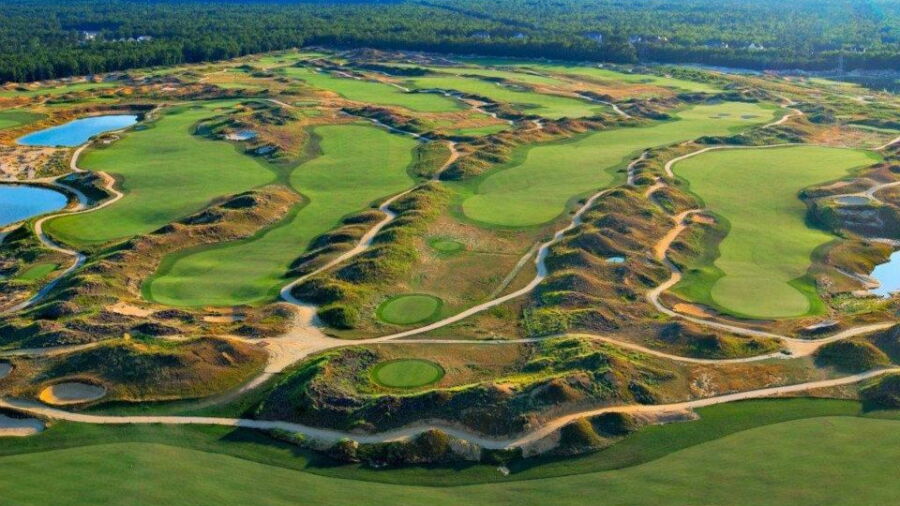
Image source: GolfPass
Why Twisted Dune Ranks Among the Top Scottish Links Experiences in New Jersey
When you arrive at Twisted Dune Golf Club in Egg Harbor Township, the first thing you notice is the sheer scale of the landscape. It does not look like the typical "Pine Barrens" terrain found throughout Southern New Jersey. This is because the course's architect, Archie Struthers, oversaw a massive engineering project that involved moving 2 million cubic yards of earth to create the towering dunes and deep ravines that define the property today. According to official club history , the goal was to simulate the rugged, wind-swept feel of a traditional Scottish links course.
The result is a layout that feels isolated and immersive. Because of the massive dunes, many holes are visually separated from one another, giving golfers a sense of privacy rarely found on public courses. This architectural vision has earned the club significant acclaim; it is widely considered one of the top public courses in the state and has been recognized by Golfweek as a top 4 "Best Course You Can Play" in New Jersey. Unlike the flat, tree-lined parkland courses nearby, Twisted Dune offers wide-open vistas where the primary defense is the wind and the sand.
Twisted Dune officially opens to the public, introducing a new style of links golf to the Atlantic City region.
The course gains a reputation for its difficulty and unique aesthetic, becoming a staple for Atlantic City golf trips.
As of October 2026, the course remains a highly recommended destination for golfers seeking a high-value, premium experience without a private club membership.
What Makes the Layout at Twisted Dune So Challenging for Every Skill Level
The challenge at Twisted Dune is multifaceted, combining visual intimidation with technical difficulty. The course spans up to 7,283 yards from the championship tees, but the yardage is only half the story. The true difficulty lies in the 100-plus bunkers scattered across the property. These aren't just standard fairway traps; many are deep pot bunkers or massive waste areas that require specialized recovery shots. If you find yourself in the sand, your primary goal should often be simply getting back to the fairway rather than chasing the green.
Navigating the 100 Plus Bunkers and Deep Pot Hazards
The bunkering at Twisted Dune is designed to dictate your strategy from the tee. On many holes, the bunkers are placed at the "elbows" of doglegs or in the direct landing zones for long hitters. For example, the par-4 5th hole features a green almost entirely encircled by sand, requiring a high-lofted, precise approach shot. According to user reviews on TripAdvisor , the sand quality is generally consistent, but the sheer volume of hazards means you will likely reach for your wedge several times during the round.
Managing the Dramatic Elevation Changes and Blind Sightlines
With elevation changes reaching up to 70 feet, Twisted Dune forces you to trust your yardage markers over your eyes. Several holes feature "blind" or semi-blind shots where the green is hidden behind a fescue-covered ridge. This is where local knowledge becomes vital. Power users often suggest using a GPS app or the on-cart yardage system to confirm the line of play. The dramatic drops and climbs also affect club selection; a 150-yard shot can play like 170 yards when hitting uphill into a prevailing coastal breeze.
A Strategic Playbook for Navigating the Most Difficult Holes
To score well at Twisted Dune, you must play "defensive" golf on specific holes while attacking others. The course is a par 72, but the rating of 74.8 from the back tees suggests that even scratch golfers will find it a stern test. The wind, which often whips across the open dunes from the nearby Atlantic Ocean, can change your club selection by two or three clubs between the morning and afternoon rounds.
Mastering Hole 5 and the Ring of Bunkers
Hole 5 is a par 4 that serves as an early litmus test for your iron play. The fairway is generous, but the approach is one of the most intimidating on the course. The green is elevated and surrounded by a "ring of fire"—a series of deep bunkers that catch anything short, long, or sideways. The smart play here is to aim for the center of the green, regardless of where the pin is tucked. A par here is a fantastic result that keeps your momentum going into the middle of the front nine.
Surviving Hole 14 and the Double Sided Water Hazard
While Twisted Dune is primarily a "sand and grass" course, Hole 14 introduces water in a significant way. This par 4 features water hazards on both sides of the fairway, narrowing the landing zone considerably. Many locals suggest "clubbing down" from a driver to a 3-wood or hybrid to ensure accuracy. Staying dry is more important than gaining an extra 20 yards of distance, as the approach to the green is relatively straightforward once you've found the fairway. According to data from GolfNow , this hole consistently ranks among the most difficult for mid-to-high handicappers.
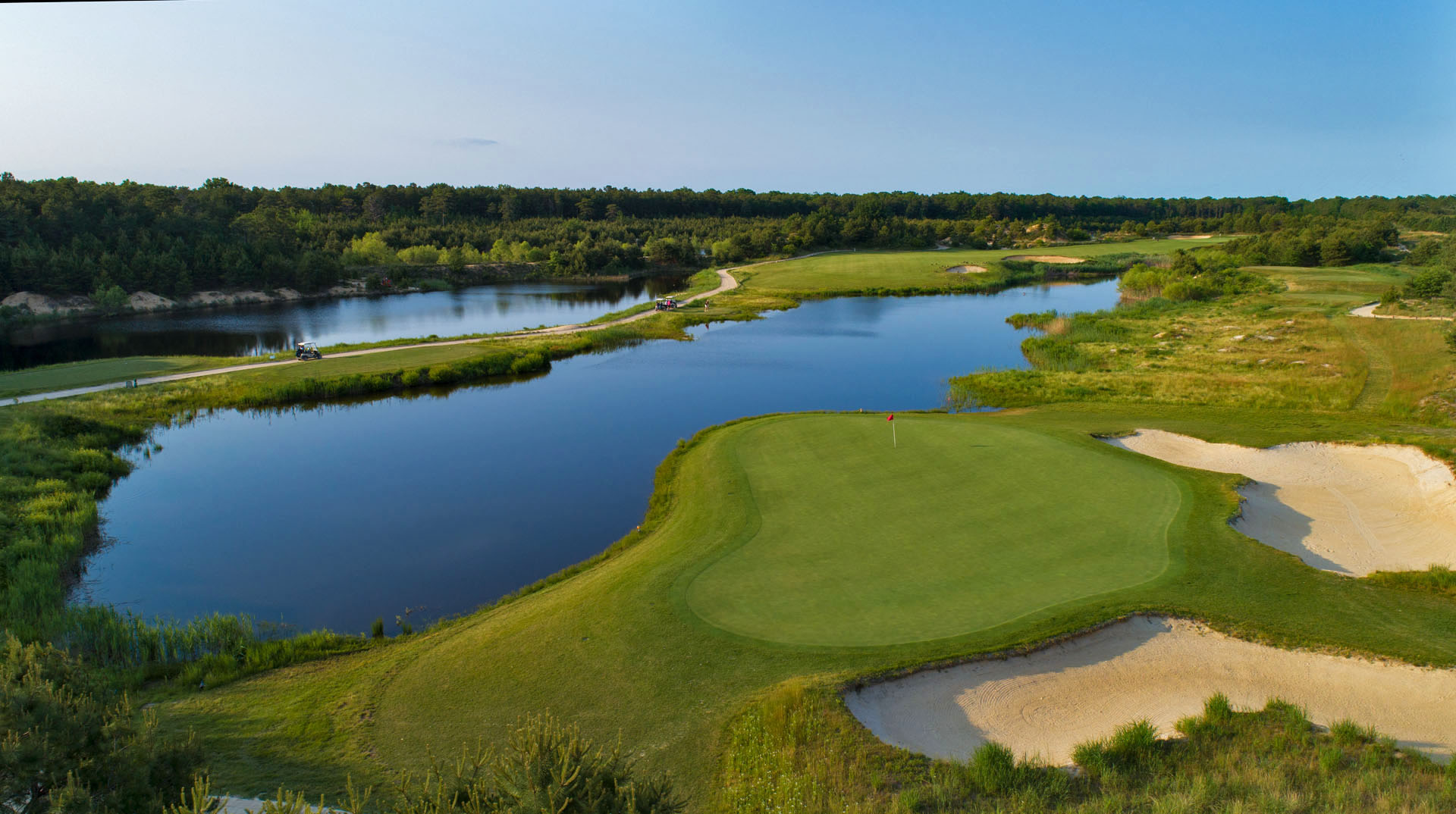
Image source: www.twisteddune.com
Insider Tips for Twisted Dune That Most Golfers Miss
Beyond the layout, there are several cultural and logistical details that make Twisted Dune stand out as a top choice for New Jersey golfers. These "information gain" points are often missed by those who only look at the scorecard. The club maintains a friendly, unpretentious vibe that contrasts with some of the more "stuffy" private clubs in the Atlantic City area.
Understanding the Rare BYOB Policy and Refreshment Rules
One of the most significant advantages of playing at Twisted Dune is its BYOB policy . Unlike most premium public courses that require you to purchase all beverages on-site, Twisted Dune allows golfers to bring their own coolers with refreshments. This can save a foursome between $50 and $100 over the course of a round. However, the club asks that golfers remain respectful and keep the course clean. This policy is a major reason why the course is a favorite for bachelor parties and large group outings.
Meeting the Local Staff and the Famous Course Dog
The staff at Twisted Dune is notably small and dedicated, often consisting of fewer than ten core members. This creates a "family" atmosphere where regular players are recognized by name. You might also encounter the "four-legged helper"—the staff dog that often roams near the clubhouse or practice green. This relaxed environment makes the club feel more like a local hangout than a corporate golf factory. The cart paths themselves are also part of the experience; because they wind through the massive dunes, the drive between holes is often described as an "adventure" in its own right.
How to Choose the Right Tee Box for Your Skill Level
Choosing the wrong tee box is the fastest way to ruin a round at Twisted Dune. The course offers five sets of tees to accommodate everyone from professionals to beginners. Because the slope rating is a high 132 from the Gold tees, mid-handicappers should be wary of overmatching themselves. As of recent 2026 data, the yardage breakdown is as follows:
| Tee Color | Yardage | Rating / Slope | Recommended Handicap |
|---|---|---|---|
| Gold (Championship) | 7,283 | 74.8 / 132 | 0 - 5 |
| Blue | 6,721 | 72.4 / 128 | 6 - 12 |
| White | 6,200 | 70.1 / 124 | 13 - 20 |
| Red (Forward) | 4,930 | 68.5 / 118 | 21+ / Beginners |
The Gold Tee Experience
Reserved for low-handicap players. Requires forced carries over fescue and bunkers that can exceed 240 yards. If you cannot consistently drive the ball 270+ yards, these tees will make the par 4s nearly unreachable in regulation.
The White Tee Experience
The most popular choice for the average golfer. It balances the challenge of the dunes with manageable distances. Most of the "forced carries" are removed or significantly shortened, allowing for a more enjoyable 4-hour round.
What You Need to Know Before Booking Your Tee Time
Planning your logistics is key to a successful trip to Egg Harbor Township. According to VisitNJ , the course is a popular destination for those staying in Atlantic City, but it requires some foresight regarding timing and weather. Because the course is built on moved earth, drainage can occasionally be an issue after heavy coastal storms. It is always wise to call the pro shop to check if the course is "Cart Path Only" before you make the drive.
- Pace of Play: Saturday rounds can stretch to 4.5 or 5 hours during peak season. To avoid the crowds, book the "First Out" slots, which typically start around 6:27 AM.
- Practice Facilities: The driving range opens 30 minutes before the first tee time and closes one hour before sunset. There is also a dedicated short-game area and a large practice putting green that mimics the speed of the course greens.
- Booking Window: Tee times are generally available 7 to 14 days in advance. Using the official website often provides the most accurate availability, though third-party sites like GolfNow may offer "Hot Deals" for mid-week afternoon slots.
- Dress Code: Standard golf attire is required. This means collared shirts and slacks or golf shorts. Denim and cargo shorts are generally discouraged to maintain the club's standards.
Is Twisted Dune Worth the Drive From Atlantic City or Ocean City?
For many visitors, the question is whether Twisted Dune is worth leaving the boardwalk for. The answer, for most golfers, is a resounding yes. While there are other public options in the Atlantic City area, few offer the "private club feel" and architectural uniqueness of Twisted Dune. The proximity is also a major factor; it is located just off the Garden State Parkway and is roughly a 20-minute drive from the Atlantic City Boardwalk or Ocean City.
The value proposition is exceptionally strong. While green fees can fluctuate based on the season and time of day, you are essentially getting a championship-caliber layout for a fraction of the cost of a private links course. The unpretentious clubhouse and snack bar mean you aren't paying for "fluff"—you are paying for 18 holes of high-quality golf. Whether you are a local looking for a weekend challenge or a tourist seeking a break from the casinos, Twisted Dune stands out as a top-tier option in the region.
Key Takeaways for Your Visit
- Bring extra golf balls: The fescue is beautiful but punishing to errant shots.
- Check the wind: Coastal breezes can change your club selection by 2-3 clubs.
- Utilize the BYOB policy: Bring your own cooler to save on refreshment costs.
- Pick the right tees: Don't play the Gold tees unless you are a low-handicapper.
- Book early: Aim for the first few tee times to ensure a fast pace of play.
- Call ahead for drainage: Check for "Cart Path Only" status after heavy rain.
- Enjoy the views: The 70-foot elevation changes offer some of the best vistas in South Jersey.
For the best experience, arrive at least 45 minutes early to utilize the full practice range and get a feel for the green speeds before heading to the first tee.
Frequently Asked Questions About Twisted Dune Golf Club
Yes, Twisted Dune requires standard golf attire. This includes collared shirts and golf-specific slacks or shorts. Denim, gym shorts, and tank tops are not permitted on the course or the practice facilities. Soft spikes are required; metal spikes are prohibited to protect the greens.
Yes, the pro shop offers high-quality rental sets for both right-handed and left-handed players. It is highly recommended to call the pro shop at least 24 hours in advance to reserve a set, especially during the busy summer season or on weekends.
While walking is technically allowed, it is not recommended for most players. The dramatic elevation changes and the significant distance between some greens and the next tee boxes make it a physically demanding walk. Most players opt for a power cart, which is included in most green fees.
Twisted Dune is approximately 12 to 15 miles from the major Atlantic City casinos, such as Borgata or Hard Rock. Depending on traffic, the drive typically takes between 20 and 25 minutes via the Atlantic City Expressway or Black Horse Pike.
Twisted Dune features a snack bar and grill that serves standard golf fare such as hot dogs, sandwiches, and breakfast wraps. While it is not a "fine dining" establishment, the food is well-regarded for its quality and speed. The BYOB policy applies to drinks brought onto the course.