Home
Where to Find Top-Rated Food in Shibuya From Hidden Alleys to Rooftop Dining
Shibuya is far more than just the world's busiest pedestrian crossing; it is a dense, multi-layered food district that rewards those who look beyond the street level. In this neighborhood, "vertical dining" is the norm. You might find a Michelin-recognized ramen shop in a basement and a high-end sushi bar overlooking the neon lights from the tenth floor. Navigating this district requires a strategy that balances the famous "circuit" spots with the hyper-local gems hidden in the backstreets of Shinsen and Dogenzaka.
Whether you are a solo traveler seeking the privacy of a ramen booth or a large family looking for an all-you-can-eat experience, Shibuya offers a diversity of flavors that few other Tokyo districts can match. This guide provides the logistical insights needed to bypass long queues, navigate dietary restrictions like the ubiquitous "dashi" problem, and secure tables at spots that usually require insider knowledge.
Which Famous Shibuya Restaurants Are Actually Worth the Wait?
Many travelers arrive in Shibuya with a checklist of famous names. While some "tourist favorites" can feel like traps, several iconic establishments maintain their reputation by delivering consistent quality and a unique atmosphere. The key is knowing how to manage the logistics of these high-traffic venues.
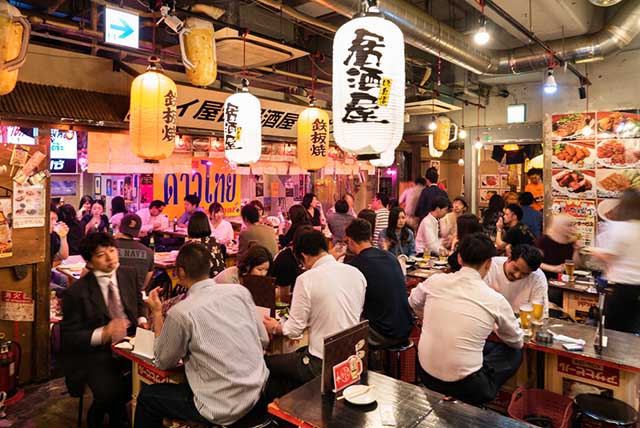
Image source: Japan Travel by NAVITIME
How to Get a Table at Sushi no Midori Without Standing in Line
Sushi no Midori is widely regarded as one of the top choices for high-quality sushi at a mid-range price point. However, the wait times at the Shibuya Mark City branch can easily exceed two hours. The "pro" move here is to use their automated ticketing system. Instead of standing in a physical line, you can take a numbered ticket from the machine at the entrance. According to traveler reports , you can then scan the QR code on your ticket to monitor your place in the queue via your smartphone. This allows you to explore the nearby shops or grab a coffee, returning only when you are within five to ten numbers of being called.
Why Ichiran Ramen Remains a Solo Traveler Favorite
Ichiran is often the first stop for visitors, and for good reason. Their "flavor concentration booths" are designed for solo diners to focus entirely on their bowl of tonkotsu ramen without social distraction. The process is highly efficient: you order via a ticket vending machine, customize your broth richness and noodle texture on a paper slip, and receive your food through a small bamboo curtain. While it is a chain, the Shibuya Dogenzaka branch offers a consistent experience that ranks among the top for those who prefer a creamy, pork-based broth with a spicy kick.
The High-Tech Experience at Genki Sushi
For those who want a fast, fun, and affordable meal, Genki Sushi (and its sister brand Uobei) stands out as a top choice. This is not your traditional revolving sushi bar; instead, you order via a multilingual tablet, and your dishes are delivered directly to your seat via a high-speed miniature train system. It is an excellent option for travelers with limited Japanese language skills, as the entire transaction—from ordering to paying—is digitized and transparent.
Where to Eat in Shibuya’s Newest Skyscrapers and Parks
The "New Shibuya" is defined by massive redevelopment projects like Shibuya Hikarie, Miyashita Park, and Shibuya Scramble Square. These modern complexes have shifted the culinary center of gravity away from the old alleys and toward sleek, air-conditioned rooftop spaces.
- Narrow, smoky Izakayas
- Hidden basement ramen shops
- Traditional standing bars
- Gritty, authentic atmosphere
- Regional specialty restaurants
- Rooftop dining with views
- Modern "Yokocho" food halls
- Family-friendly, accessible spaces
Regional Flavors From All 47 Prefectures at Shibuya Hikarie
One of the most notably innovative dining concepts in the district is D47 Shokudo , located on the 8th floor of Shibuya Hikarie. As highlighted by CN Traveler , this restaurant serves *kyōdo ryōri* (hyper-regional cuisine) from every one of Japan's 47 prefectures. The menu changes monthly, featuring a "set meal" from a specific region—such as Tokushima *sōmen* noodles or Nagasaki *champon*. It is a premier destination for those who want to "travel" through Japan's culinary landscape without leaving Shibuya.
Rooftop Dining and Street Food Vibes at Miyashita Park
Miyashita Park has transformed from a simple park into a multi-level lifestyle hub. The ground floor houses Shibuya Yokocho , a massive indoor food hall with 19 different stalls representing different regions of Japan. While it can be loud and crowded, it offers a vibrant "street food" atmosphere with the comfort of indoor seating. For a more relaxed experience, the upper levels feature rooftop restaurants that offer a mix of international and Japanese fusion, perfect for a sunset dinner.
Finding Views of the Scramble Crossing While You Eat
If you want to watch the famous Scramble Crossing while you dine, you have several options beyond the crowded Starbucks. The 11th floor of Shibuya Hikarie offers a free viewing deck with several adjacent restaurants that provide a bird's-eye view of the action. For an even higher perspective, the restaurants in Shibuya Scramble Square provide some of the most expansive vistas in the city, though prices here tend to be in the mid-to-high range.
How to Navigate Shibuya Restaurants With Food Allergies or Dietary Restrictions
Japan can be a challenging environment for those with dietary restrictions, and Shibuya is no exception. The primary hurdle is "dashi"—a fish-based stock that serves as the foundation for almost all savory Japanese cooking.
The Dashi Problem and How to Order Seafood-Free Meals
For travelers with seafood allergies, the safest strategy is to stick to restaurants that specialize in grilled meats, such as Yakitori (chicken skewers) or Yakiniku (Japanese BBQ). However, even in these spots, you must be careful with the "tare" (sauce), which often contains dashi. Ordering your meat "shio" (with salt) is a safer bet. Carrying a professionally translated "allergy card" that explains the severity of your condition in Japanese is highly recommended to ensure the kitchen staff understands the risk of cross-contamination.
Where to Find Vegetarian and Vegan Options in a Meat-Heavy District
While traditional Shibuya eateries are meat-centric, the district has seen a significant increase in vegan-friendly options. Spots like T's TanTan (often found in major stations) or dedicated vegan cafes in the backstreets of Udagawacho offer plant-based ramen and gyoza. If you are dining at a communal spot like Syabu-Yo , be aware that while they offer plenty of vegetables, the soup bases are often meat or fish-based. Always ask for a "kombu-only" (kelp) broth if you are trying to avoid animal products.
Why Standing Bars Are a Top Choice to Eat Like a Local
The culture of *Tachigui* (standing while eating) is deeply ingrained in Tokyo's fast-paced lifestyle. In Shibuya, standing bars are not just for a quick snack; they are a way to access high-quality ingredients at a fraction of the cost of sit-down restaurants.
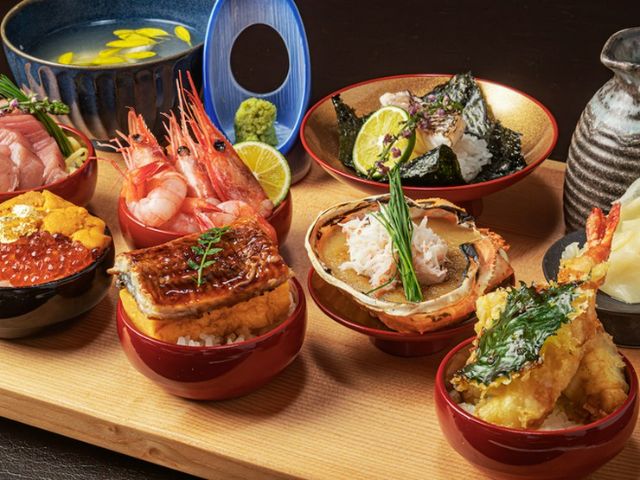
Image source: SAVOR JAPAN
Quick Bites at Suba VS and Standing Sushi Bars
Suba VS is a notably innovative standing soba shop that has gained a following for its modern aesthetic and high-quality buckwheat noodles. It is the perfect spot for a 15-minute lunch that feels authentically "Tokyo." Similarly, standing sushi bars (like those found near the station) allow you to order individual pieces of premium fish, such as *otoro* (fatty tuna) or *uni* (sea urchin), without the commitment of a full omakase course. The turnover is fast, meaning the fish is always fresh.
The Top Spots for Solo Dining Mastery
Shibuya is arguably one of the world's most accommodating districts for solo diners. Beyond Ichiran, many Izakayas in the Shinsen area feature long counter seats where eating alone is the norm rather than the exception. Establishments like Kaikaya by the Sea offer a friendly, bustling environment where solo travelers can enjoy a mix of Japanese and Western-style seafood dishes at the bar, often striking up conversations with the chefs.
How to Secure Reservations at Shibuya’s Most Popular Spots
For the most sought-after tables in Shibuya, showing up and hoping for the best is rarely a successful strategy. You need to understand the specific booking windows and "hacks" used by locals.
The Midnight Hack for Booking A Happy Pancake
A Happy Pancake is famous for its soufflé-style pancakes, but getting a table during peak hours is notoriously difficult. The secret is to book online exactly 14 days in advance at midnight Japan Standard Time. As noted by The Tokyo Chapter , weekday reservations are generally easier to secure, but they often stop serving the full pancake menu by 2:30 PM, so timing your visit is essential.
Why You Might Never Get a Table at Kotaro
Kotaro is a legendary Izakaya that represents the pinnacle of Shibuya's hidden dining scene. However, it is famously difficult to book because it prioritizes repeat customers. For a tourist, the best approach is to have a Japanese-speaking friend call the moment the reservation line opens for the month, or to look for "second seating" options late at night (after 9:30 PM) when the first wave of diners begins to depart.
Where to Take Large Groups and Families in Shibuya
Most restaurants in Shibuya are tiny, often seating fewer than 12 people. This makes group dining a logistical puzzle. However, a few specific locations are designed to handle larger parties without sacrificing food quality.
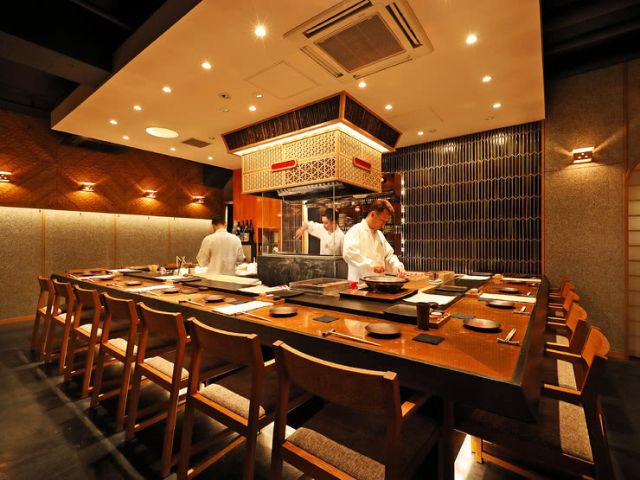
Image source: SAVOR JAPAN
Family-Friendly Dining at Syabu-Yo and Beyond
For families, Syabu-Yo (located near the Scramble Crossing) is a top-tier option. It offers all-you-can-eat shabu-shabu with a wide variety of meats and vegetables. The restaurant is spacious by Tokyo standards and features a self-service sauce and salad bar that kids enjoy. It is one of the few places in the heart of Shibuya where a group of six or eight can sit together comfortably without a long-term reservation.
Exploring the Meat-Themed Stalls of Shibuya Niku Yokocho
Located in the Chitose Kaikan building, Shibuya Niku Yokocho is a "meat theme park" featuring 26 different stalls. It is an excellent choice for groups because of the sheer variety—one stall might serve Wagyu sushi, while the next offers Brazilian churrasco or Thai-style grilled pork. The atmosphere is loud, smoky, and energetic, making it a premier spot for a night out with friends where everyone can find something they like.
What Should You Expect to Pay for a Meal in Shibuya?
Shibuya offers a wide spectrum of pricing, but it is generally more affordable than districts like Ginza or Roppongi. Understanding the "Otoshi" (table charge) system is crucial for managing your budget.
| Budget Tier | Price Range (JPY) | Typical Establishments |
|---|---|---|
| Budget | 1,000 – 3,000 | Genki Sushi, Joto Curry, Ichiran Ramen |
| Mid-Range | 5,000 – 8,000 | Sushi no Midori, Yakitori Tsukada, Kaikaya |
| High-End | 15,000 – 30,000+ | LATURE, Ajuuta, Premium Omakase Sushi |
In many Izakayas and sit-down restaurants, you will be served a small, unsolicited appetizer called *otoshi*. This is essentially a mandatory table charge, usually ranging from 300 to 800 JPY per person. It is a standard part of Japanese dining etiquette and should be factored into your final bill.
Frequently Asked Questions
Navigating Shibuya's culinary landscape requires a mix of digital preparation and physical exploration. By following these strategies, you can enjoy some of the city's most acclaimed flavors without the stress of endless queues.
- Book A Happy Pancake exactly 14 days out at midnight Japan time to secure a slot.
- Use the ticketing machine at Sushi no Midori to wait virtually while you shop.
- Visit D47 in Hikarie for a unique chance to taste regional dishes from all 47 prefectures.
- Carry an allergy card if you must avoid dashi, and stick to "shio" (salt) seasoned grilled meats.
- Look up and down —the most rewarding dining experiences are rarely at eye level on the street.
- Embrace solo dining at standing bars and ramen booths for a fast and authentic local experience.
- Factor in the Otoshi table charge when calculating your budget for Izakaya dinners.
Start your journey by exploring the B2 level of Shibuya Hikarie for high-quality regional takeout before heading to a rooftop for the sunset view.