Home
Why Steubenville Ohio Is More Than Just a College Town
Steubenville, Ohio, is a historic river city located 33 miles west of Pittsburgh. Known as the "City of Murals," it serves as the county seat of Jefferson County. While it gained fame in the mid-20th century as a steel powerhouse and a hub of organized crime (earning the nickname "Little Chicago"), today it is widely regarded as a global center for Catholic pilgrimage, anchored by Franciscan University of Steubenville and its world-renowned summer conferences.
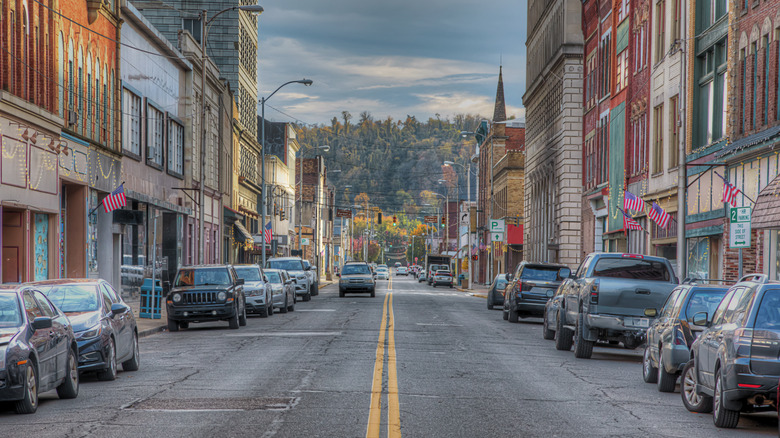
Image source: Islands
Where Is Steubenville and Why Does Its Location Matter?
Steubenville occupies a strategic position in the Upper Ohio Valley. Its geography is defined by the winding Ohio River, which has dictated the city's economic fortunes for over two centuries. As of the 2020 census, the city maintains a population of approximately 18,161 residents, offering a small-town atmosphere with the administrative importance of a county seat.
The Tri-State Connection and the Ohio River
The city is a central node in a tri-state region that includes Ohio, Pennsylvania, and West Virginia. This proximity allows residents to enjoy the cultural and professional amenities of Pittsburgh—just a 45-minute drive away—while maintaining a lower cost of living. According to Wikipedia's geographical data , Steubenville is directly across the river from the West Virginia panhandle, making it a hub for commuters and regional commerce.
The Market Street Bridge as a Regional Icon
The Market Street Bridge is perhaps the most recognizable landmark in the valley. This suspension bridge physically links Steubenville to East Steubenville, West Virginia. Beyond its utility, the bridge serves as a symbolic connection between the industrial past of the region and its modern identity. It is a frequent subject for local photographers and a reminder of the city's role as a transit point for the steel and coal that once powered the American economy.
How Did a Frontier Fort Become the City of Murals?
The history of Steubenville is a narrative of transformation. It began as a rugged military outpost on the edge of the American frontier and evolved into a sophisticated industrial city before reinventing itself through public art and education.
The 1786 Origins of Fort Steuben
In 1786, the First American Regiment constructed a fort to protect government surveyors who were mapping the Northwest Territory. This structure, known as Historic Fort Steuben , was a vital defensive position during the early years of American expansion. Today, the reconstructed fort serves as a living history museum where visitors can explore the wooden palisades and barracks that once housed frontier soldiers.
Baron von Steuben and the Prussian Influence
The city takes its name from Baron Friedrich Wilhelm von Steuben, a Prussian military officer who played a critical role in the American Revolutionary War. Von Steuben is credited with transforming the Continental Army into a disciplined fighting force at Valley Forge. Although he never visited the city that bears his name, his legacy of discipline and reform is a point of pride for the community.
The Mural Project and Famous Sons
Steubenville is famously known as the "City of Murals." This nickname stems from a concerted effort to revitalize the downtown area through large-scale public art. Over 25 murals depict scenes from local history, including the Lewis and Clark expedition and the city's industrial peak. One of the most popular murals honors Dean Martin, the legendary entertainer who was born in Steubenville in 1917. The city also claims Edwin Stanton, Abraham Lincoln’s Secretary of War, as one of its most influential historical figures.
What Was Steubenville Like During the Little Chicago Era?
To understand Steubenville today, one must acknowledge its gritty mid-20th-century reputation. During the height of the steel boom, the city was a place of immense wealth and, consequently, significant vice.
The Vice Capital of the Ohio Valley
The nickname "Little Chicago" was not given lightly. From the 1930s through the 1950s, Steubenville was a regional center for gambling, bootlegging, and organized crime. The downtown district was filled with "cigar stores" that served as fronts for backroom betting parlors. This era was fueled by the high wages of steelworkers who sought entertainment after long shifts in the mills. While this period is often viewed with a mix of nostalgia and caution, it shaped the city's resilient and somewhat rebellious character.
The Impact of the Steel Industry Boom
At its peak, the steel industry provided the lifeblood of the community. Mills like Wheeling-Pittsburgh Steel employed thousands of residents and supported a vibrant downtown filled with department stores and theaters. However, the decline of American steel in the late 20th century hit Steubenville hard, leading to a period of economic contraction and population loss. This transition forced the city to look beyond the blast furnaces for a new identity.
"Steubenville's history is written in iron and ink—from the steel that built the nation to the murals that now tell our story."
Why Millions of People Visit for Catholic Pilgrimages
In a dramatic cultural shift, the city that was once known for its gambling dens has become a premier destination for spiritual renewal. This transformation is largely due to the influence of the Catholic Church and higher education.
Franciscan University of Steubenville
Founded in 1946, the College of Steubenville (now Franciscan University) was established to provide higher education to returning World War II veterans. Over the decades, it has grown into a top-tier institution known for its commitment to Catholic orthodoxy and academic excellence. The campus sits on a hill overlooking the city, serving as a literal and figurative "city on a hill" for the community.
The Global Impact of Steubenville Conferences
Since 1975, the Steubenville Conferences have reached over 1 million participants. These events bring tens of thousands of youth and adults to the city every summer for weekends of prayer, sacraments, and worship. The economic impact of these visitors is significant, filling local hotels and restaurants and introducing people from around the world to the charm of the Ohio Valley.
Is Steubenville Actually Abandoned or Just Rebuilding?
A common query among those researching the region is whether Steubenville is "abandoned." This perception stems from the visible signs of urban decay in certain parts of the downtown area, but it fails to capture the full picture of the city's current state.
Addressing the Perception of Urban Decay
Like many Rust Belt cities, Steubenville faces challenges related to aging infrastructure and vacant buildings. The collapse of the steel industry left behind large industrial sites and storefronts that have struggled to find new uses. However, calling the city "abandoned" ignores the thousands of residents, students, and business owners who are actively invested in its future.
Infrastructure Challenges and Community Insights
Local forums often highlight frustrations regarding the state of the city's sidewalks and roads. Residents have noted that neighboring towns like East Liverpool or Toronto, Ohio, sometimes appear more maintained in their central districts. These infrastructure hurdles are a primary focus for the current city administration, which is working to balance a tight budget with the need for modernization.
Modern Healthcare and Revitalization Efforts
Evidence of revitalization can be found in the healthcare sector. Facilities like Pain and Spine Specialists offer advanced medical treatments, including Transcranial Magnetic Stimulation (TMS) and innovative therapies for PTSD. These services indicate that Steubenville is becoming a regional hub for specialized care, attracting professionals and patients from across the tri-state area.
Unique Things to Do That Most Tourists Miss
While the Fort and the University are the main draws, Steubenville offers several niche experiences that provide a deeper look into its unique culture.
- The Workshop: Participate in timber framing courses or "Theology of Work" lectures.
- Pipe Making: Learn the art of handcrafted pipe making with expert Kadesh Swanson.
- The Nutcracker Village: Visit during the holidays to see hundreds of life-sized nutcrackers.
- Mural Walking Tour: Explore the 25+ artworks scattered throughout the downtown.
- Tennis in the Valley: Take advantage of the numerous public courts and professional instruction.
The Workshop and the Theology of Work
One of the most innovative local institutions is The Workshop . This center combines manual trades with philosophical inquiry. Their timber framing courses are particularly popular, teaching students how to build structures using traditional joinery while discussing the spiritual and social value of manual labor. It is a unique blend of trade school and think tank that reflects the city's new intellectual energy.
The Nutcracker Village and Seasonal Magic
During the Christmas season, Steubenville transforms into a winter wonderland. The Nutcracker Village features over 200 unique, life-sized nutcrackers, each representing a different character or profession. This event has become a major regional draw, bringing families into the downtown area and fostering a sense of community pride during the colder months.
Where to Eat and Stay Near Franciscan University
Navigating Steubenville as a visitor requires some planning, especially during the busy summer conference season.
Local Dining Favorites for Students and Pilgrims
The dining scene in Steubenville is a mix of classic American fare and international flavors. Popular spots include local pizzerias that serve the distinct "Ohio Valley Style" pizza (where the cheese is added after the bake) and small cafes that cater to the university crowd. For a more formal experience, several restaurants in the downtown area offer a glimpse into the city's historic architecture.
Lodging Strategies for Peak Conference Weekends
If you are visiting during a Franciscan University conference, booking your lodging months in advance is essential. While there are several hotels within the city limits, they fill up quickly. Many visitors choose to stay in nearby Weirton, West Virginia, or even in the western suburbs of Pittsburgh to ensure they have a place to stay during these high-traffic weekends.
| Visitor Type | Primary Interest | Recommended Activity |
|---|---|---|
| History Buff | Frontier History | Historic Fort Steuben Tour |
| Pilgrim | Spiritual Growth | Steubenville Summer Conference |
| Art Lover | Public Art | Downtown Mural Walking Tour |
| Craftsman | Manual Trades | Timber Framing at The Workshop |
The Bottom Line on Steubenville
Steubenville is a city that defies simple categorization. It is a place where frontier history meets industrial grit, and where a "Little Chicago" past has given way to a future defined by faith and education.
- Strategic Location: Its position on the Ohio River makes it a vital part of the tri-state region.
- Rich Heritage: From Fort Steuben to the murals, the city's history is visible on every corner.
- Faith Center: Franciscan University and its conferences bring a global audience to the valley.
- Ongoing Revitalization: Despite infrastructure challenges, new businesses and medical facilities are driving growth.
- Niche Experiences: Unique spots like The Workshop offer activities you won't find in typical travel guides.
- Resilient Community: The people of Steubenville are dedicated to rebuilding and preserving their unique home.
Whether you are visiting for a spiritual retreat or a history lesson, Steubenville offers a complex and rewarding experience for those willing to look beneath the surface.
Frequently Asked Questions
Is Steubenville, Ohio a safe place to visit?
Steubenville is generally safe for visitors, especially in the areas surrounding Franciscan University and Historic Fort Steuben. Like any city with an industrial past, some neighborhoods face economic challenges, and it is always wise to stay aware of your surroundings. The downtown area is very active during the day, particularly during the Mural tours and the Nutcracker Village events.
How far is Steubenville from Pittsburgh?
Steubenville is approximately 33 miles west of downtown Pittsburgh. Depending on traffic, the drive typically takes between 45 and 55 minutes via US-22 West. This proximity makes it easy for visitors to combine a trip to Steubenville with the professional sports and cultural attractions found in Pittsburgh.
What is the ideal time to visit the Nutcracker Village?
The Nutcracker Village is a seasonal attraction that typically runs from late November through early January. The most popular time to visit is in December when the holiday spirit is at its peak and additional events, such as the Advent Market, are often taking place in the downtown area.
Why is it called the City of Murals?
The nickname comes from a large-scale public art project that began in the 1980s to beautify the city. There are now more than 25 professionally painted murals throughout the downtown district. These murals depict everything from the city's founding and its famous residents to its industrial heritage and the local flora and fauna.
Can you tour Fort Steuben year-round?
While the visitor center and gift shop may have broader hours, full tours of the reconstructed fort buildings are generally available from May through October. During the winter months, the fort grounds often host parts of the Nutcracker Village, though the interior historical displays may have limited access.