Home
21 Best German Candies You Need to Try and Where to Buy Them Online
Quick Snapshot: German candy stands out for its use of real beet sugar instead of high-fructose corn syrup and a commitment to natural fruit extracts. If you are looking for the quintessential experience, start with Haribo Goldbears (German version), Milka Alpine Milk Chocolate , and Ritter Sport Marzipan . For unique textures, try Ahoj Brause for a fizzy sensation or Niederegger Marzipan for historical Lübeck quality. Most authentic varieties are available through specialty importers like The Taste of Germany or One Stop German Shop .
Understanding the Difference Between German and American Sweets
When you first bite into a piece of authentic German candy, the difference is often immediate. It isn't just about the flavor; it is about the structural integrity of the ingredients. In Germany, confectionery is governed by strict European Union standards that limit the use of certain artificial dyes and preservatives that are common in North American snacks.
The Role of Real Beet Sugar vs High-Fructose Corn Syrup
One of the most significant technical differences lies in the sweetener. While American candy relies heavily on high-fructose corn syrup (HFCS) due to domestic corn subsidies, German manufacturers primarily use sugar derived from local sugar beets. According to Tasting Table , this results in a cleaner sweetness that doesn't leave the "cloying" aftertaste often associated with HFCS. Beet sugar provides a more neutral profile, allowing the cocoa or fruit extracts to take center stage.
Natural Fruit Extracts and the Absence of Artificial Aromas
German gummies, or Fruchtgummis , often utilize natural fruit juice concentrates and plant-based coloring agents like spirulina, black currant, and turmeric. This contrasts with the "neon" colors and chemical aromas found in many US-marketed sweets. When you open a bag of German Haribo, the scent is reminiscent of actual fruit rather than a laboratory-created "cherry" or "blue raspberry" scent.
The Cultural Significance of Kaffee und Kuchen
In Germany, sweets are not merely a snack for children; they are integrated into the 3:00 PM Kaffee und Kuchen (coffee and cake) ritual. This tradition emphasizes quality over quantity. A single, high-quality square of chocolate or a handful of premium gummies is enjoyed alongside a cup of coffee. This "everyday habit" philosophy means that even mass-market brands maintain a standard that many international consumers find superior to their domestic options.
| Feature | German Candy | US Candy |
|---|---|---|
| Primary Sweetener | Beet Sugar | High-Fructose Corn Syrup |
| Coloring Agents | Plant-based (Turmeric, Beetroot) | Synthetic Dyes (Red 40, Yellow 5) |
| Chocolate Fat | High Cocoa Butter Content | Often substituted with Vegetable Oils |
| Gummy Texture | Firm and Chewy | Soft and Pliable |
The Big Three Brands Dominating the German Market
If you walk into a Kiosk or supermarket in Berlin or Munich, three names will inevitably dominate the shelves. These brands represent the backbone of German confectionery and are widely regarded as the entry point for any enthusiast.
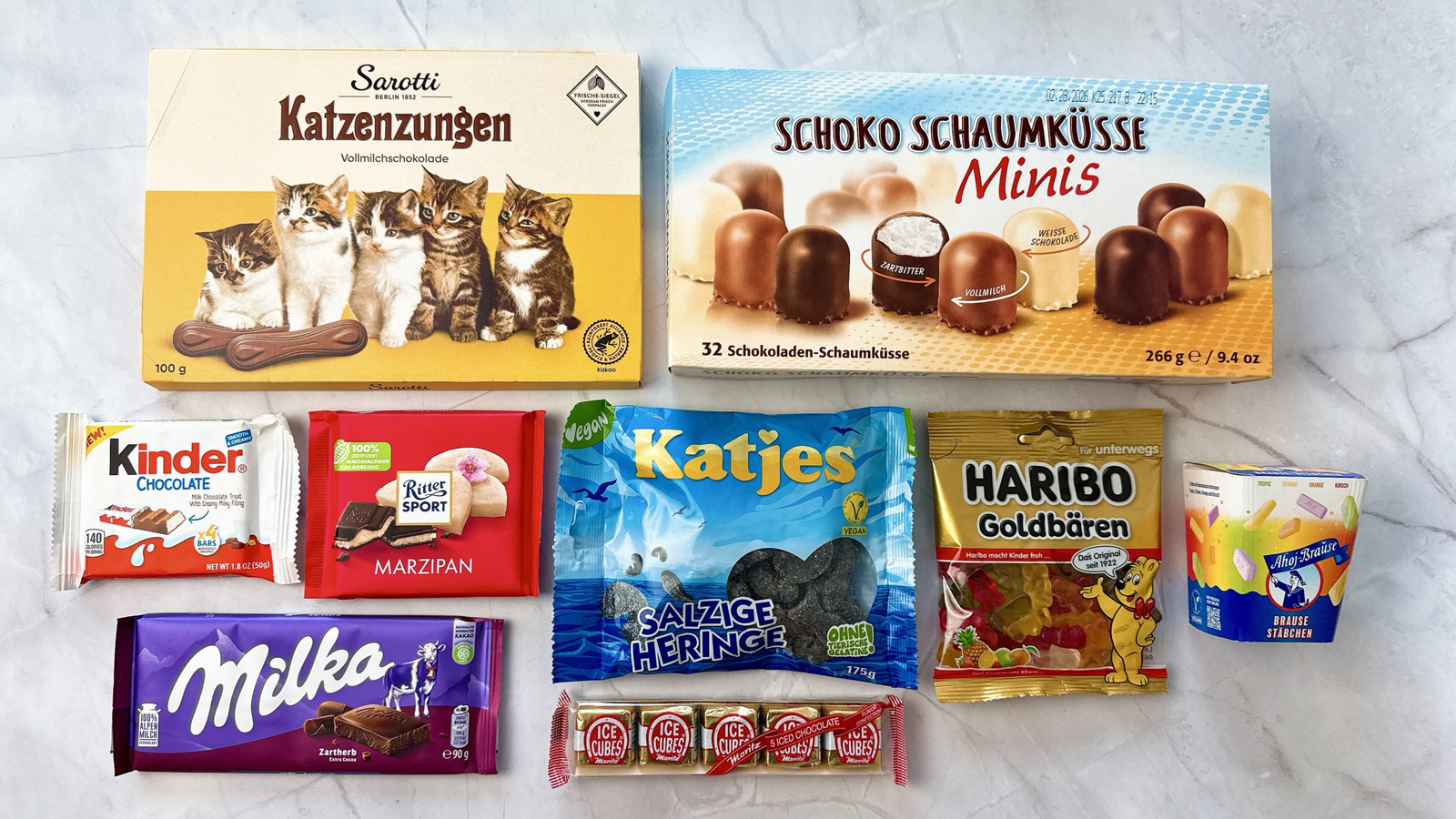
Image source: Tasting Table
Haribo and the Global Standard for Gummy Bears
Founded in 1920 by Hans Riegel in Bonn (HA-RI-BO), this brand is the undisputed leader of the gummy world. While Haribo is available globally, the German-made versions are notably different. They are firmer, less sweet, and use different fruit concentrates. In Germany, you will find "Maxi" bags weighing 1,000g (2.2 lbs), reflecting their status as a household staple. The Goldbären (Goldbears) are the flagship, but the variety in Germany—ranging from Phantasia to Saure Pommes (Sour Fries)—is vast.
Milka and the Smoothness of Alpine Milk Chocolate
Recognizable by its signature lilac packaging and the "Milka Cow," this brand is a top choice for those who prefer creamy, melt-in-your-mouth chocolate. Milka uses 100% Alpine milk, which provides a distinct richness. Unlike dark chocolate connoisseur brands, Milka focuses on comfort and variety, offering fillings like Oreo, hazelnut, and strawberry cheesecake. It ranks among the top-selling chocolate brands in Europe for its consistent texture.
Ritter Sport and the Innovation of the Square Bar
The iconic 100g square bar was designed in 1932 to fit into the pocket of a sport jacket without breaking. Ritter Sport is famous for its "Snap-Open" packaging and its diverse range of flavors. Each color-coded wrapper indicates a specific filling. The Marzipan (red wrapper) and Knusperflakes (yellow wrapper) are legendary. Ritter Sport is also noted for its commitment to sustainable cocoa sourcing, making it a favorite for ethically-minded consumers.
Must-Try German Gummies Beyond the Goldbear
While Haribo is the giant, other brands offer textures and dietary options that have garnered a cult following among "candy-heads" worldwide.
Katjes: The Plant-Based Pioneer
Vegan Friendly Katjes has positioned itself as a leader in the vegetarian and vegan gummy space. By removing animal gelatin from most of their products, they have created a softer, more "jelly-like" texture that many prefer. Their Salzige Heringe (Salty Herrings) are a must for licorice lovers, while Wunderland offers whimsical shapes in sour and fruit flavors.
Maoam and Mamba: The Chewy Staples
If you prefer a chew over a gummy, Maoam (owned by Haribo) and Mamba (by Storck) are the German equivalents to Starburst, but with a more intense fruit profile. Maoam Bloxx are small cubes found at every checkout lane. They are known for their long-lasting flavor and the "Maoam-Maoam" jingle that every German child knows by heart.
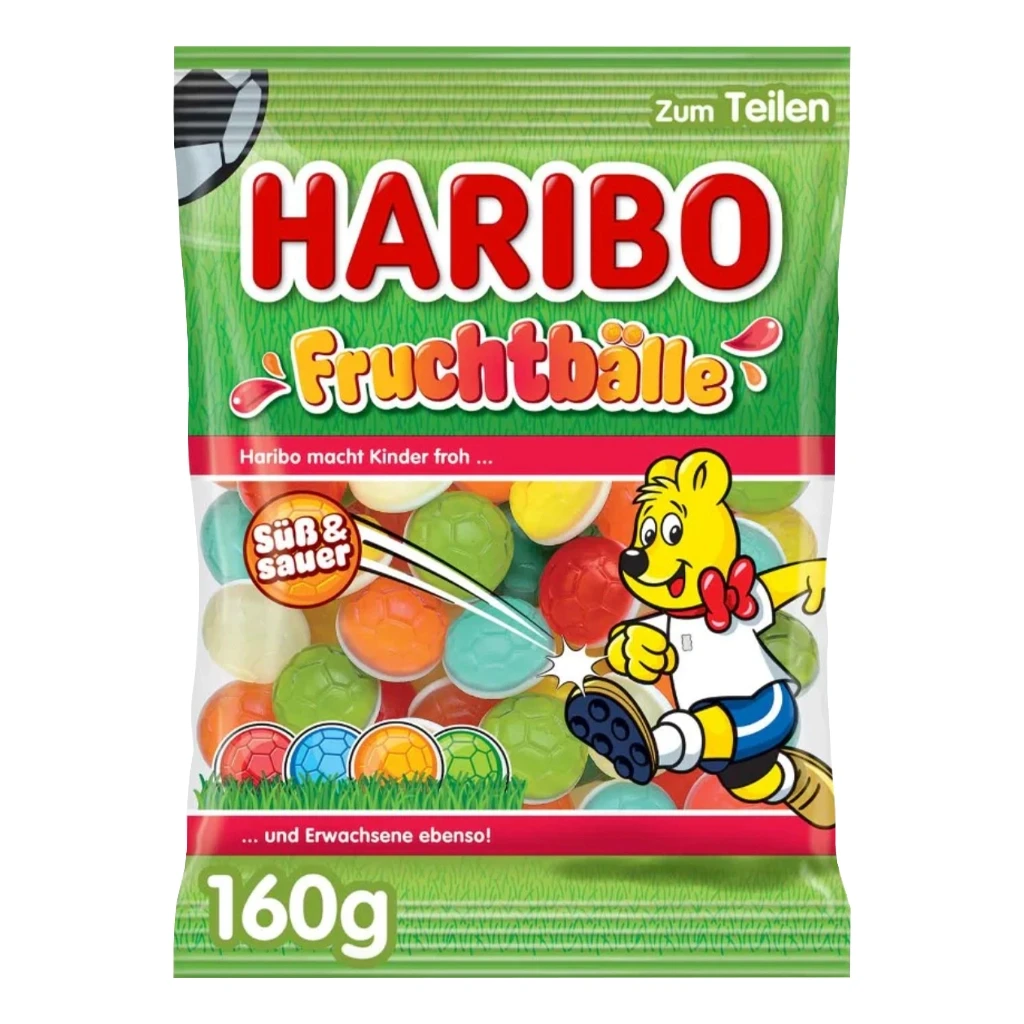
Image source: The Taste of Germany
Trolli: The Adventurous Alternative
Trolli is the brand for those who like "weird" candy. They are the creators of the gummy burger and are famous for their sour neon worms. In Germany, Trolli pushes the boundaries of texture, often combining marshmallow-style foam with traditional gummy layers to create a multi-sensory experience.
Authentic German Chocolates and Pralines for Connoisseurs
German chocolate culture extends far beyond the simple milk chocolate bar. The country has a deep tradition of Pralinen (truffles) and specialty bars that cater to adult palates.
Kinder: More Than Just a Surprise
While Ferrero is an Italian company, many of the most popular Kinder products were developed for or are manufactured in Germany. The Kinder Riegel is a simple stick of milk chocolate with a creamy milk filling, marketed for its high milk content. Kinder Bueno and Kinder Country (with puffed cereals) offer textures that few competitors match in the "snack bar" category.
Merci: The Language of Gratitude
Merci is the "thank you" chocolate. It is a cultural staple to bring a box of Merci when invited to someone's home. Each box contains eight varieties of slim, gold-wrapped chocolate bars, ranging from coffee-and-cream to dark mousse. It is a top-tier option for gifting due to its elegant presentation and reliable quality.
Rum Kugeln: The Adult Indulgence
Contains Alcohol Rum Kugeln (Rum Balls) are a unique niche. These are not just "rum-flavored"; they often contain actual Jamaica rum. They are typically coated in chocolate sprinkles and have a dense, fudgy center. Because of the alcohol content, these are strictly for adults and are a popular treat during the winter months.
The Anatomy of a Praline: According to My German Table , a high-quality German praline must balance the sweetness of the filling with a chocolate shell that has at least 70% cocoa. This ensures the "snap" of the tempered chocolate contrasts perfectly with the soft ganache inside.
Unique Textures: Fizzy Brause and Creamy Schokoküsse
Germany is home to some of the most unusual candy textures in Europe. If you are tired of the standard "chew or crunch" dynamic, these items offer something notably innovative.
Ahoj Brause: The Effervescent Experience
Ahoj Brause is a cultural icon. It is an effervescent powder that you can either dissolve in water to make a soda or—as most German kids do—pour directly onto your tongue. The reaction between the citric acid and sodium bicarbonate creates a sharp, tingling fizz. It comes in four classic flavors: Woodruff (Waldmeister), Raspberry, Orange, and Lemon. Woodruff is a uniquely German flavor that tastes like a sweet, herbal vanilla-grass.
Schokoküsse: The Chocolate Kiss
Formerly known by names that are no longer used today, the Schokokuss is a fluffy marshmallow-like egg on a thin waffle base, all covered in a delicate shell of dark or milk chocolate. The texture is incredibly fragile; biting into one results in a collapse of the airy center. They are a staple at birthday parties and carnivals.
Toffifee: The Multi-Layered Masterpiece
Toffifee is a masterclass in confectionery engineering. It consists of a caramel cup, a whole roasted hazelnut, a dollop of nougat cream, and a drop of dark chocolate on top. It provides four distinct textures in a single bite, making it an excellent choice for those who enjoy complex sweets.
Regional Specialties from North to South
The German candy landscape is geographically divided. The "Licorice Line" ( Lakritz-Äquator ) roughly follows the Main River, separating the licorice-loving North from the fruit-and-caramel-loving South.
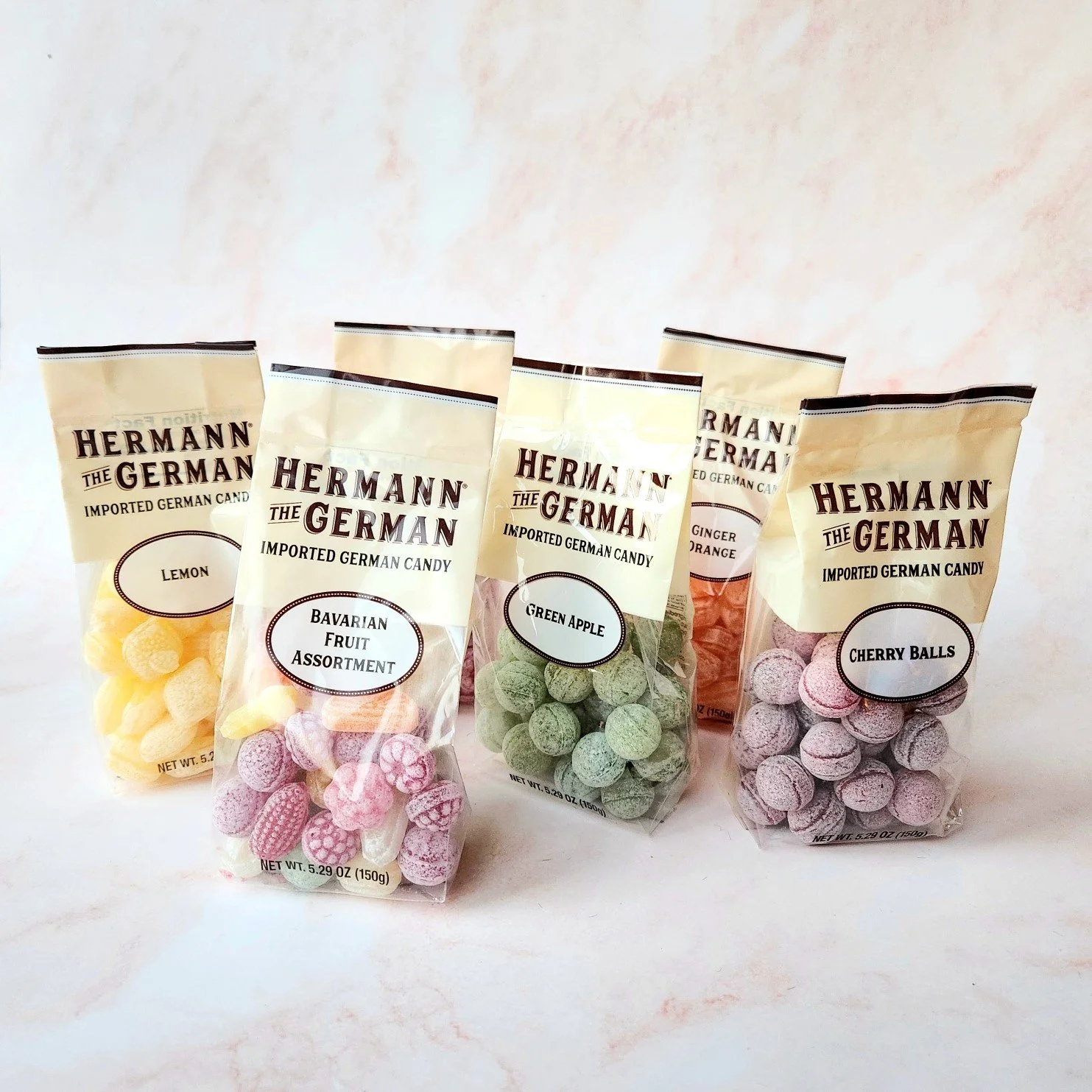
Image source: Tree of Chocolate
Northern Germany: The Licorice Belt
In cities like Hamburg and Bremen, Lakritz is king. Northern Germans enjoy "adult" licorice that is salty ( Salmiak ), spicy, and sometimes quite hard. Brands like Rheila produce herbal licorice lozenges that are often used for throat health but enjoyed as candy. The saltiness comes from ammonium chloride, which provides a "sting" that is an acquired taste for many foreigners.
Bavaria and the South: Fruit and Cream
In the South, the palate leans toward traditional Bonbons (hard candies) and creamy caramels. Hermann the German is a popular brand that exports these traditional Bavarian fruit drops. They are often shaped like the fruit they represent and are dusted with powdered sugar to prevent sticking.
Thuringia’s Hidden Gem: Dschungel Bananen
In the East, specifically Thuringia, you will find Dschungel Bananen (Jungle Bananas). These are chocolate-coated jelly bananas. While jelly bananas exist elsewhere, the Thuringian version is known for a thicker chocolate shell and a more "authentic" banana puree flavor compared to the artificial versions found in the UK or US.
Where to Buy Authentic German Candy Online
If you aren't planning a trip to Germany, you can still access these treats through several reliable importers. However, there are a few things to keep in mind regarding shipping and authenticity.
Top Importers for US and International Buyers
- The Taste of Germany : One of the most comprehensive catalogs. They carry everything from bulk Haribo to seasonal Advent calendars.
- One Stop German Shop : Excellent for finding specific Milka flavors and regional items like Niederegger Marzipan.
- Amazon: While convenient, be careful to check the "Sold By" section. Look for "Hermann the German" or official brand stores to ensure you aren't getting old stock or US-market versions.
The Shipping Pain Point
Shipping chocolate from Europe can be expensive, especially during summer months when cold packs are required. To offset the high cost of shipping, it is highly recommended to buy in bulk. Most 100g bars have a long shelf life, so ordering a "stockpile" is more cost-effective than buying individual items.
Frequently Asked Questions
The Haribo Goldbear is widely considered the most popular candy in Germany. It is a household staple found in nearly every pantry. Following closely are Milka Alpine Milk chocolate bars and Ritter Sport. These three brands form the core of the German confectionery market and are the most exported items.
The difference is primarily due to ingredient standards. German chocolate typically has a higher cocoa butter content and uses real sugar instead of high-fructose corn syrup. Additionally, European regulations require a higher percentage of cocoa solids in milk chocolate compared to the US, resulting in a richer, less "waxy" texture.
Yes, Germany is a leader in vegan confectionery. The brand Katjes is almost entirely vegetarian or vegan. Haribo also offers a "Veggie" line (look for the green V-label) that uses starch or pectin instead of gelatin. Many dark chocolates from Ritter Sport are also naturally vegan, though you should always check the label for cross-contamination.
Woodruff is a small woodland plant used to flavor many German sweets, most notably Ahoj Brause and certain gummy varieties. It has a unique, sweet, and slightly herbal taste that is often compared to a mix of vanilla, freshly cut hay, and almond. It is a flavor almost exclusively found in German-speaking countries.
Yes, many online importers offer "Maxi" bags of gummies (1kg) or "Counter Boxes" of chocolate bars (usually 10-12 bars). Buying in these quantities significantly reduces the price per gram and helps justify the international shipping costs, which can be high for small, individual orders.
Key Takeaways for Your German Candy Journey
- Prioritize Beet Sugar: Look for authentic imports to avoid the high-fructose corn syrup found in domestic versions.
- Try the "Big Three": You cannot go wrong starting with Haribo, Milka, and Ritter Sport for a baseline experience.
- Explore Textures: Don't miss out on the fizzy sensation of Ahoj Brause or the airy crunch of a Schokokuss.
- Respect the Licorice Line: If you are in the North, go for salty Lakritz; in the South, stick to fruit drops and caramels.
- Check for the V-Label: Germany offers some of the top-rated vegan and vegetarian gummies in the world via Katjes.
- Buy Seasonal: If it's near December, look for Dominosteine and Lebkuchen for a true cultural treat.
Start your collection by ordering a variety pack from a dedicated importer to discover which regional flavor profile suits your palate.