Home
25 Top-Rated Mexican Candies Ranked by Flavor and Spice Level
Mexican candy is defined by the "Big Four" flavor profile : a simultaneous explosion of sweet, spicy, salty, and sour. Unlike Western sweets that focus primarily on sugar, Mexican treats often use tamarind fruit pulp and chili powder as foundational ingredients. Whether you prefer the creamy texture of a peanut Mazapán or the intense heat of a Rockaleta lollipop, there is a flavor profile for every palate.
What Makes Mexican Candy Taste So Unique?
The flavor profile of Mexican confectionery is deeply rooted in the country's culinary history, blending indigenous ingredients with European influences. While many international sweets rely on chocolate or fruit gummies, Mexican treats frequently incorporate tamarind , a tangy fruit that provides a natural sour base. According to Muy Delish , this tanginess is almost always paired with salt and chili to create a complex sensory experience.
The role of chili cannot be overstated. From Tajín coatings to liquid chamoy centers, heat is used to enhance the sweetness of the sugar rather than overpower it. This cultural preference for "Agua-Chile" profiles—balancing heat with acid—is what sets these candies apart from the standard sugar-heavy options found elsewhere. Furthermore, the "creamy side" of Mexico offers a counterpoint to the spice, utilizing cajeta (burnt goat milk) and roasted peanuts to create rich, decadent textures.
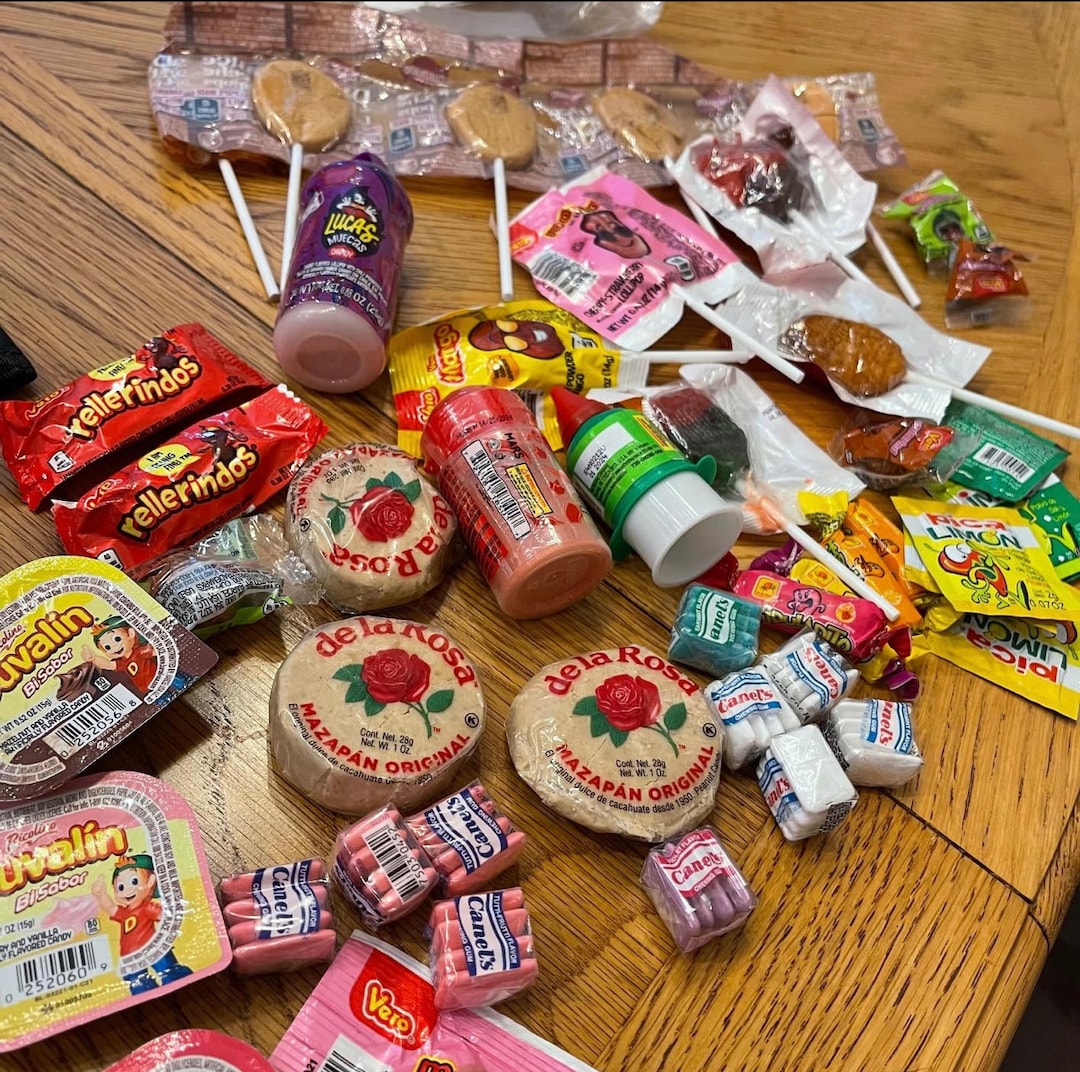
Image source: Etsy
The Mexican Candy Heat Index from Mild to Extreme
For those new to the world of spicy sweets, navigating the heat can be intimidating. To help you choose, we have categorized these treats using a 1–5 scale based on their intensity and flavor dominance.
| Heat Level | Flavor Profile | Example Candies |
|---|---|---|
| Level 1 | Sweet, Creamy, Nutty | Duvalín, Mazapán, Cajeta lollipops |
| Level 2 | Mild Tang, Fruity | Pulparindo (Original), Skwinkles Rellenos |
| Level 3 | Noticeable Kick | Pelon Pelo Rico, Lucas Muecas |
| Level 4 | Spicy & Salty | Rockaleta, Chili-coated Mango gummies |
| Level 5 | Extreme Heat | Chili-powder-filled hard candies, Extra Hot Pulparindo |
Which Candy Should You Try First?
If you are sensitive to spice, start with Level 1 . These candies, like the peanut-based Mazapán, contain no chili and focus on traditional sweetness. If you want to experience the authentic "Mexican flavor" without overwhelming your taste buds, Level 2 and 3 offer a balanced introduction. Level 4 and 5 are reserved for those who enjoy the lingering burn of habanero or concentrated guajillo chili powders.
Most Popular Mexican Candy Brands You Need to Try
Several brands have become cultural icons, recognized by their distinctive packaging and consistent flavor profiles. These are widely considered among the top choices for anyone building a variety pack.
Pulparindo (De La Rosa)
Pulparindo is often cited as the gold standard of tamarind candy. Made from real fruit pulp, it is a chewy, flat bar coated in a mixture of salt, sugar, and chili. It comes in various wrapper colors: the yellow wrapper is the original mild version, while the red wrapper indicates an "Extra Hot" experience. Many enthusiasts consider it a staple of the Mexican snack experience.
Pelon Pelo Rico
This interactive treat is a favorite among children. It features a "push-up" mechanism that squeezes soft tamarind gel through small holes, creating "hair" on the character's head. The flavor is tangier and more liquid than Pulparindo, offering a refreshing burst of acidity and mild heat.
Mazapán (De La Rosa)
Unlike the almond-based marzipan found in Europe, the Mexican version is made from finely ground roasted peanuts and powdered sugar. It is famous for its incredibly crumbly texture. In fact, unwrapping a Mazapán without breaking it is considered a skill in Mexico. It is so beloved that National Mazapán Day is celebrated every January 12th.
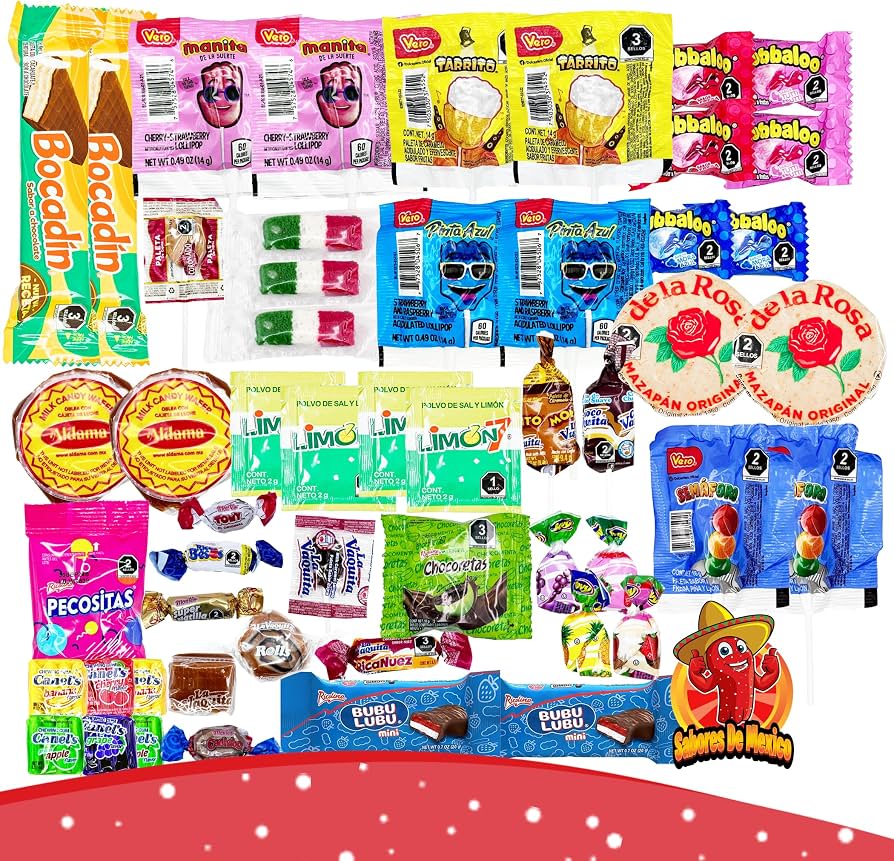
Image source: Amazon.com
Traditional Mexican Dulces and Their Regional Origins
Beyond the mass-produced brands found in supermarkets, Mexico has a rich tradition of artisanal "Dulces Típicos" that vary significantly by region. These candies often reflect the agricultural strengths of their home states.
- Puebla’s Sweet Legacy: This state is famous for Camotes , which are cigar-shaped candies made from flavored sweet potato puree. Puebla is also the home of Muéganos , crunchy dough nuggets stuck together with a honey-like piloncillo syrup.
- Jalisco and the Palanqueta: As a major peanut-producing region, Jalisco is the source of the best Palanquetas , a traditional peanut brittle made with unrefined cane sugar.
- Nuevo León’s Famous Glorias: Originating in Linares, these are chewy candies made from burnt goat milk (cajeta) and chopped pecans. They represent the pinnacle of Northern Mexican confectionery.
- Michoacán and Ate: Michoacán is the primary producer of Ate , a thick fruit paste made from quince or guava. It is traditionally served with a slice of salty cheese.
How to Make Your Own Mexican Candy at Home
You don't always need to buy pre-packaged treats to enjoy these flavors. Many popular snacks can be recreated or enhanced in your own kitchen using a few key techniques.
The "Enchiloka" Method for Spicy Gummies
This technique transforms standard fruit gummies into a top-tier Mexican snack. It involves coating the candy in a "wet" layer followed by a "dry" seasoning layer.
- Select your favorite fruit gummies (peach rings or watermelon slices work exceptionally well).
- Toss the gummies in a bowl with 2 tablespoons of liquid chamoy until they are fully coated.
- In a separate container, mix 3 tablespoons of Tajín (chili-lime salt) with 1 tablespoon of powdered sugar.
- Dredge the wet gummies through the dry mixture until they are no longer sticky.
- The Pro Tip: Spread the gummies on parchment paper and let them air-dry for at least one hour. This sets the coating and creates a chewy, professional texture.
The 240°F Rule for Milk Candy
When making traditional leche quemada or goat milk candy, precision is vital. To achieve the correct "soft-ball stage" consistency, the milk and sugar mixture must be stirred constantly over medium heat until it reaches exactly 240°F (115°C) . If the temperature is too low, the candy will remain a liquid sauce; if it goes higher, it will become a hard brittle. Using a candy thermometer is the most reliable way to ensure success.
Is Mexican Candy Safe to Eat?
A common concern among international consumers involves reports of lead content in certain imported candies. It is important to understand the context of these findings to shop safely.
To minimize risk, consumers should look for major, established brands like De La Rosa, Vero, and Lorena . These companies adhere to strict FDA and international safety standards and have modernized their manufacturing processes to eliminate contamination. Additionally, be wary of "unbranded" or artisanal candies sold in plain plastic bags without nutritional labeling, as these may not have undergone the same rigorous testing as commercial brands.
Creative Ways to Use Mexican Candy in Drinks and Snacks
Mexican candy is frequently used as an ingredient in larger culinary creations, particularly in street food culture. These "Power-User" applications take the flavors to a new level.
The Mangonada (Chamoyada)
This is a frozen mango smoothie layered with chamoy sauce and topped with fresh mango chunks. The finishing touch is always a tamarind straw (a plastic straw coated in spicy tamarind paste) and a sprinkle of chili powder. The contrast between the icy, sweet mango and the spicy, salty chamoy is a hallmark of Mexican summer treats.
Tostilocos Construction
Tostilocos are a "walking taco" variant that uses Mexican candy as a topping. A bag of Tostitos is sliced open and filled with chopped cucumber, jicama, Japanese peanuts, and pieces of chopped tamarind candy . The entire mix is then doused in lime juice, chamoy, and hot sauce. The tamarind candy provides a chewy, sweet contrast to the crunchy chips and peanuts.
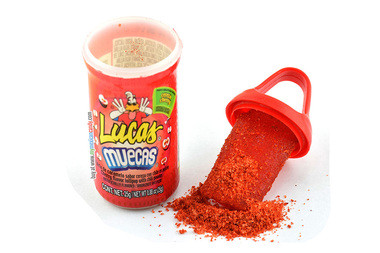
Image source: My Mexican Candy
How to Choose the Top Mexican Candy Variety Pack
If you are buying for a party or as a gift, a variety pack is often the most efficient choice. However, not all assortments are created equal. According to market data from Mexicrate , a standard "Best Seller" pack typically contains around 40 to 50 pieces and weighs approximately one pound.
When shopping, consider these use-case recommendations:
- For Kids: Look for packs featuring Duvalín , Pelon Pelo Rico , and Bubulubu (chocolate-coated marshmallow). These are lower on the heat scale and highly interactive.
- For Authentic Gifts: Seek out assortments that include Glorias and Obleas (wafer sandwiches with cajeta). These feel more premium and traditional.
- For Travel: If you are bringing candy back in a suitcase, avoid Mazapán and Churros , which crumble easily. Instead, opt for Pulparindo and hard lollipops like Vero Elotes , which are exceptionally durable.
Frequently Asked Questions
What is the most popular candy in Mexico?
While preferences vary by region, Mazapán and Pulparindo are consistently ranked among the top-selling candies nationwide. Mazapán is the go-to for sweet cravings, while Pulparindo dominates the spicy-sour market.
Why is Mexican candy so spicy?
The spice is a cultural preference that dates back to pre-Hispanic times. In Mexican cuisine, chili is used as a flavor enhancer (like salt) rather than just a source of heat. It provides a necessary balance to the high sugar content in candy.
How do I unwrap Mazapán without it breaking?
The secret is the "pinch and slide" technique. Instead of pulling the wrapper apart, gently pinch the edges of the seal and slide the candy out onto your palm. Never apply pressure to the center of the disk.
Is Mexican candy vegan?
Many tamarind-based candies like Pulparindo are naturally vegan as they use fruit pulp and sugar. However, you should always check for gelatin in gummies (like Skwinkles) and milk in traditional treats like Glorias or Duvalín.
What exactly is Chamoy made of?
Chamoy is a savory sauce made from pickled fruit (usually apricot, plum, or mango), dried chilies, lime juice, and salt. It provides the "sour-salty-spicy" element in many Mexican snacks.
Key Takeaways for Candy Lovers
Exploring the world of Mexican confectionery is a journey through complex flavors and rich cultural history. Here is what you should remember:
- Balance is key: Look for the combination of sweet, sour, salty, and spicy in a single bite.
- Check the Heat Index: Start at Level 1 or 2 if you are new to chili-based sweets.
- Prioritize safety: Stick to major brands like De La Rosa and Vero to ensure FDA compliance.
- Try the DIY: Use the "Enchiloka" method to upgrade your favorite gummies at home.
- Respect the texture: Learn the proper way to unwrap a Mazapán to enjoy it fully.
- Regional variety: Don't miss out on artisanal treats like Glorias from Nuevo León.
For your first authentic experience, try a Mangonada—it perfectly captures the essence of Mexican snack culture in one treat.