Home
25 Best Things to Do in Warsaw and How to Experience the Phoenix City Like a Local
Warsaw is a city of resilience, famously reconstructed from rubble after WWII. For a first-time visit in 2026, prioritize the Old Town Market Square , the Warsaw Uprising Museum , and the POLIN Museum . Note that the Chopin Museum and Pawiak Prison are currently closed for renovation. To eat like a local, visit a Bar Mleczny (Milk Bar) for affordable, traditional Polish comfort food.
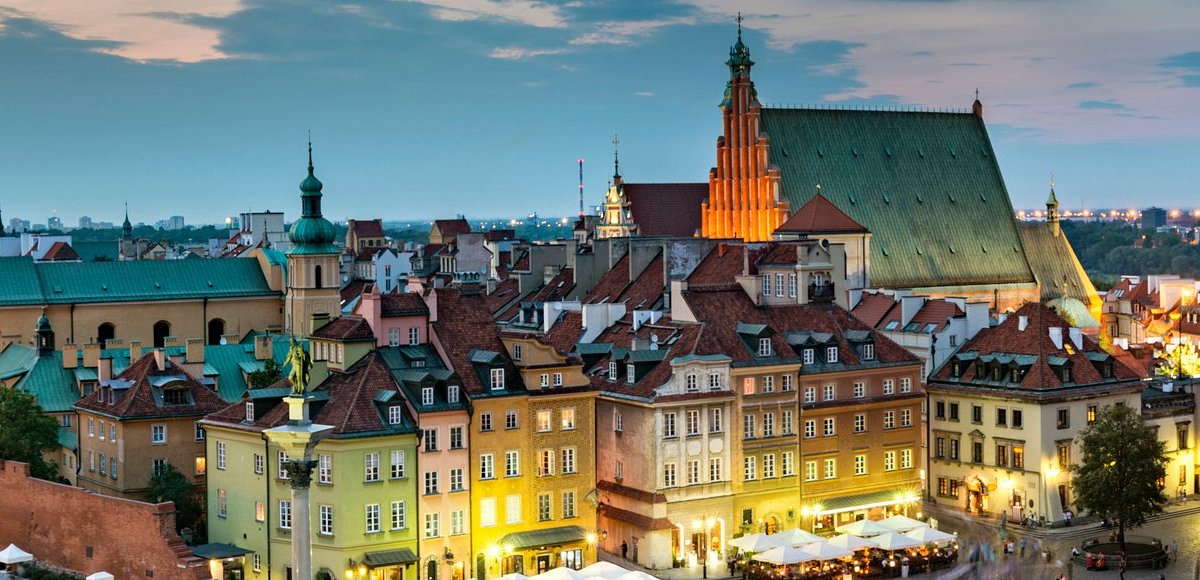
Image source: Tripadvisor
🏰 Why Warsaw Should Be Your Next European Stop
Warsaw is often called the "Phoenix City," a moniker earned through its miraculous rebirth. By the end of World War II, approximately 85–90% of the city lay in total ruin. Unlike other European capitals that modernized after the war, Warsaw undertook a painstaking reconstruction of its historic core. Using 18th-century paintings by Canaletto and surviving architectural plans, the citizens rebuilt the Old Town brick by brick.
Today, this reconstruction is so significant that it holds UNESCO World Heritage status . While many travelers arrive expecting a gritty, post-Soviet landscape, they instead find a high-energy capital that balances deep historical scars with a thriving tech scene, lush green spaces, and a nightlife that rivals Berlin. According to Next Level of Travel , Warsaw often surprises visitors who expect a "gray" city but find a vibrant, colorful metropolis.
🗓️ How to Spend 3 Perfect Days in Warsaw
To see the city's diverse faces, a structured three-day itinerary is highly recommended. This allows you to balance the heavy history of the Left Bank with the creative energy of the Right Bank.
-
Day 1: The Royal Route & Old Town
Start at Castle Square (Plac Zamkowy) and explore the Royal Castle. Walk through the narrow cobblestone streets of the Old Town to the Market Square. In the afternoon, follow the "Royal Route" down Krakowskie Przedmieście, stopping at St. Anne’s Church for a view of the city.
-
Day 2: History & Greenery
Dedicate your morning to the Warsaw Uprising Museum , an immersive experience detailing the 1944 resistance. In the afternoon, head to Łazienki Park (Royal Baths Park) to see the Palace on the Isle and the famous Chopin Monument. If visiting on a Sunday between May and September, you can catch a free piano concert here.
-
Day 3: The Right Bank & Modern Vibes
Cross the Vistula River to the Praga district . This area survived the war with more original architecture intact. Visit the Neon Museum and the Praga Museum of Warsaw. End your day at the Vistula Boulevards, where locals gather for drinks and food at seasonal pop-up bars.
🏛️ Must-See Historical Landmarks in the Reconstructed Old Town
Walk Through the Old Town Market Square (Rynek)
The heart of the Old Town is the Rynek, surrounded by colorful tenement houses that look centuries old but were actually completed in the 1950s. At the center stands the Mermaid Statue (Syrenka) . Local legend tells of a mermaid named Sawa and a fisherman named Wars who founded the city. The mermaid remains the protector of Warsaw, appearing on the city's coat of arms and in various monuments throughout the capital.
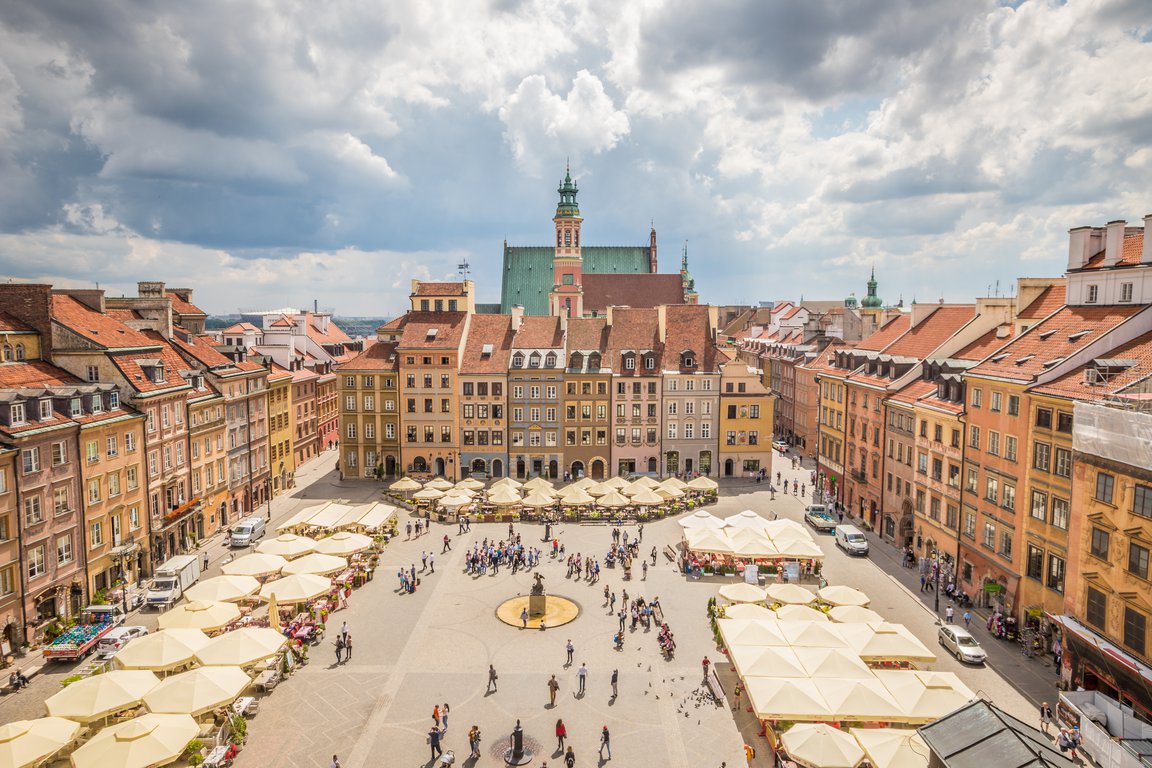
Image source: Overhere.eu
Explore the Royal Castle (Zamek Królewski)
The Royal Castle served as the official residence of Polish monarchs for centuries. It is also the site where the Constitution of May 3, 1791 , was signed—widely regarded as Europe’s first modern codified national constitution. Inside, you can view the Lanckoroński Collection, which includes two original Rembrandt paintings, and the Great Assembly Hall, which was restored to its former golden glory.
Walk the Barbakan and City Walls
Separating the Old Town from the New Town (Nowe Miasto) is the Barbakan, a semi-circular fortified gatehouse. While the original 16th-century structure was destroyed, the reconstruction offers a tangible sense of the city's medieval defenses. Walking along the red-brick walls provides excellent photo opportunities and leads you toward the Monument to the Little Insurgent, a poignant tribute to the children who fought in the Warsaw Uprising.
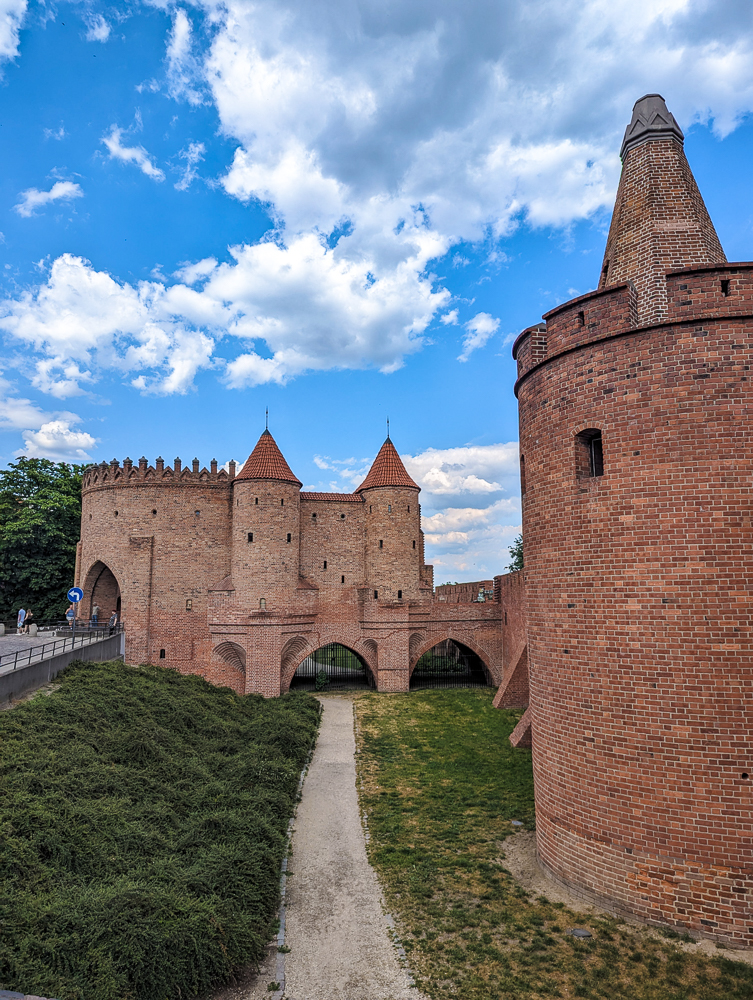
Image source: My Wanderlusty Life
🖼️ World-Class Museums You Can't Miss (With 2026 Updates)
Warsaw’s museums are among the most interactive and technologically advanced in Europe. They don't just display artifacts; they tell stories through sound, light, and immersive environments.
The Warsaw Uprising Museum
Located in a former tram power station, this museum is a tribute to the 1944 resistance against Nazi occupation. The exhibit covers 3,000 square meters and features a life-sized replica of a Liberator B-24J bomber. According to Viator , it is consistently ranked as one of the top attractions for its emotional depth and historical accuracy.
POLIN Museum of the History of Polish Jews
Built on the site of the former Warsaw Ghetto, POLIN is a masterpiece of modern architecture. Its core exhibition takes you through 1,000 years of Jewish history in Poland, from the first merchants to the vibrant pre-war culture and the tragedy of the Holocaust. It was named European Museum of the Year in 2016 and remains a cornerstone of the city's cultural landscape.
As of late 2026, the Fryderyk Chopin Museum and the Pawiak Prison Museum are closed for extensive renovations. If you are a fan of the composer, consider attending a "Chopin Salon" concert in the Old Town or visiting the Fryderyk Chopin University of Music for public recitals as an alternative.
🎨 Exploring the Praga District: Warsaw’s Edgy Right Bank
For decades, Praga was considered a "no-go" zone, but it has transformed into the city's creative hub. Because it suffered less destruction during the war than the Left Bank, you can find original pre-war brickwork and a more "authentic" atmosphere here.
The Neon Museum at Soho Factory
During the Cold War, the Polish government commissioned massive neon signs to "electro-graphic" the city. The Neon Museum preserves hundreds of these vintage signs, offering a glowing, nostalgic look at mid-century design. It is a top choice for photographers and design enthusiasts alike.
The Praga Museum of Warsaw
This museum focuses on the local history of the district. One of its most unique features is the collection of "backyard shrines"—small religious altars built by residents in the courtyards of apartment blocks during the war when they couldn't safely reach a church. These shrines are still maintained by locals today and can be spotted throughout the neighborhood.
🏙️ Where to Find the Best Views of the City Skyline
Warsaw’s skyline is a unique mix of Gothic spires, Stalinist architecture, and modern glass towers. Depending on what you want to see, different viewpoints offer vastly different perspectives.
The 30th-floor terrace offers a 360-degree view from 114 meters up. It’s the most famous spot, though you won't see the iconic building itself while standing on it!
Widely considered to offer one of the most picturesque views, looking directly down onto the Royal Castle and the colorful roofs of the Old Town.
One of the largest roof gardens in Europe. It’s free to enter and offers a modern perspective of the Vistula River and the PGE Narodowy stadium.
🥟 How to Eat Like a Local at a Traditional Polish Milk Bar
A Bar Mleczny (Milk Bar) is a government-subsidized cafeteria that dates back to the late 19th century. They were designed to provide affordable, dairy-based meals to workers. Today, they are popular with students, retirees, and tourists looking for an authentic experience.
- Find the Menu: It’s usually a large board on the wall, often only in Polish. Use a translation app if needed.
- Order at the Counter: You pay first. Popular dishes include Pierogi Ruskie (potato and cheese dumplings) and Żurek (sour rye soup).
- Listen for Your Dish: The staff will shout out the name of the dish when it's ready. Watch the pickup window.
- Clear Your Tray: These are self-service establishments. Always take your dirty dishes to the designated "zwrot naczyń" area.
Top Recommendations: Bar Mleczny Prasowy (Marszałkowska 10/16) and Bar Mleczny Familijny (Nowy Świat 39).
⚖️ Warsaw vs. Krakow: Which Polish City Should You Visit?
This is the most common question for travelers to Poland. While both cities are worth visiting, they offer very different experiences. Krakow is the "fairytale" city with its original medieval architecture, while Warsaw is the "high-energy" capital with world-class museums and a complex history.
| Feature | Warsaw | Krakow |
|---|---|---|
| Architecture | Reconstructed & Modern Skyscrapers | Original Medieval & Renaissance |
| Vibe | Business, High-Energy, Local | Fairytale, Tourist-Centric, Romantic |
| Museums | Interactive, Modern History | Art, Religious, Underground Archeology |
| Green Space | Extensive (Łazienki, Vistula) | Compact (Planty Park) |
If you are a history buff interested in WWII and modern resilience, Warsaw ranks among the top choices in Europe. If you prefer a compact, walkable city with a "classic" European feel, Krakow is a strong contender.
🛡️ Essential Travel Tips for Navigating Warsaw Safely
Public Transit and Lime Scooters
Warsaw has an efficient system of trams, buses, and two metro lines. Tickets can be bought at machines (which have English options) or via apps like Jakdojade . Crucial: You must validate your ticket immediately upon boarding a tram or bus, or at the metro gate. Failure to do so results in a heavy fine. Lime and Bolt scooters are also widely available, typically costing around $1 to start and $0.15 per minute, according to local reports.
Avoiding Common Tourist Scams
Warsaw is generally very safe, but like any capital, it has its pitfalls. Avoid taking unmetered taxis parked directly in front of major tourist sites like the Royal Castle. Instead, use ride-sharing apps like Uber, Bolt, or FreeNow, which offer transparent pricing. Also, be wary of "strip club" promoters on Nowy Świat who may lure tourists in with promises of free drinks only to charge exorbitant prices later.
Local Laws You Should Know
According to Culture Trekking , it is illegal to consume alcohol in public places (excluding designated bar terraces). Police are strict about this and will issue fines to locals and tourists alike. Regarding water, the tap water in Warsaw is perfectly safe to drink, though many locals still prefer bottled or filtered water due to the mineral taste.
Key Takeaways for Your Warsaw Trip
- Validate your transit tickets immediately to avoid fines.
- Visit St. Anne’s Bell Tower for the most iconic photo of the Old Town.
- Try a Milk Bar at least once for an authentic, budget-friendly meal.
- Book museum tickets in advance , especially for the Warsaw Uprising and POLIN museums.
- Check for 2026 closures before visiting the Chopin or Pawiak museums.
- Explore the Praga district to see the side of Warsaw that survived the war.
- Respect public drinking laws to avoid unnecessary fines from the city guard.
For the most up-to-date transit maps and schedules, check the official ZTM Warsaw website before you head out for the day.
Frequently Asked Questions
- How many days do you need in Warsaw?
- Three days is generally considered the ideal amount of time for a first-time visitor. This allows one day for the Old Town and Royal Route, one day for the major history museums (POLIN and Uprising), and a final day for the Praga district and the city's parks.
- Is Warsaw expensive for tourists?
- Compared to Western European capitals like London or Paris, Warsaw offers excellent value. A mid-range meal typically costs between $15–$25, while a meal at a Milk Bar can be as low as $5–$8. Public transport is also very affordable, with 24-hour passes costing roughly $4.
- Is Warsaw safe for solo travelers?
- Warsaw is widely regarded as one of the safest capitals in Europe. Violent crime is extremely rare. Solo travelers should exercise standard urban precautions, such as keeping an eye on belongings in crowded areas like the Central Railway Station (Warszawa Centralna).
- What is the best time of year to visit?
- The most pleasant time to visit is from May to September when the weather is warm and the Vistula Boulevards are active. However, December is also popular for the Christmas markets in the Old Town and the impressive light displays along the Royal Route.
- Can you drink the tap water in Warsaw?
- Yes, the tap water is safe and meets all EU standards. The city has invested heavily in modern filtration systems. While some older buildings may have older pipes that affect the taste, the water itself is potable throughout the city.
- Is tipping expected in Warsaw restaurants?
- Tipping is standard but not mandatory. In sit-down restaurants, a tip of 10–15% is customary for good service. In cafes or Milk Bars, tipping is less common, though rounding up the bill or leaving small change is always appreciated.
Final Thoughts on Visiting Warsaw
Warsaw is a city that demands a bit of effort to understand, but the rewards are significant. It is not a "museum city" frozen in time; it is a living, breathing testament to the idea that a culture cannot be destroyed even if its buildings are leveled. Whether you are standing in the middle of the meticulously rebuilt Market Square or exploring the neon-lit warehouses of Praga, you are witnessing a city that has mastered the art of the comeback. By following this guide and keeping the 2026 updates in mind, you are well-positioned to experience the very best of the Phoenix City.