Home
Best Nature Gifts for Kids and Adults Who Love the Outdoors
For 2026, the most impactful nature gifts focus on reciprocity and scientific engagement . Top choices for children include live butterfly kits and pocket microscopes (60x-120x range). For adults, National Park annual passes and wildlife tracking jewelry offer lasting value. If you are looking for eco-conscious options, prioritize gifts that provide quantifiable metrics, such as protecting 37 m² of wetland or providing meals for children per purchase.
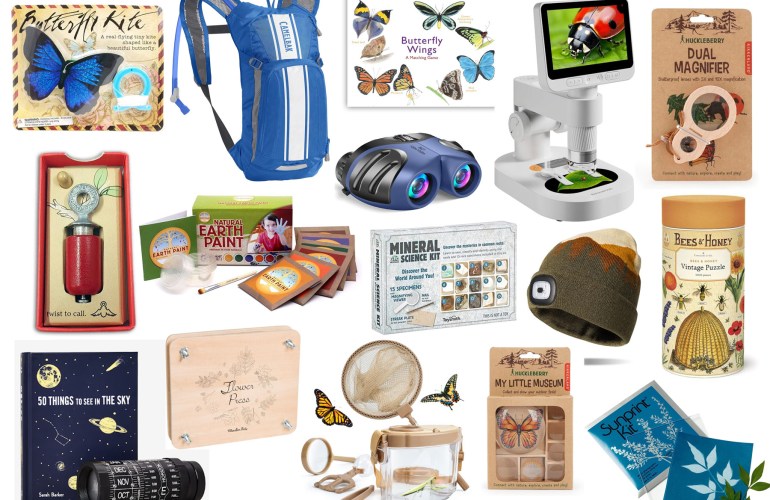
Image source: Raising Up Wild Things
Why Gardening Gifts Actually Make You Happier
When we think of nature gifts, we often focus on the physical object. However, the true value of a gardening kit or a set of heirloom seeds lies in the physiological response it triggers. Research into the "soil-brain" connection has revealed that getting your hands dirty is more than just a hobby; it is a biological mood enhancer.
The Science of Soil and Serotonin
Organic soil is home to a specific bacterium known as Mycobacterium vaccae . According to studies highlighted by Overgrow , this bacterium can be absorbed through the skin or inhaled while gardening. Once in the system, it stimulates neurons in the brain to produce serotonin, the chemical responsible for feelings of well-being and happiness. This makes gardening tools one of the few gifts that offer a direct, scientifically backed boost to mental health.
The Philosophy of Reciprocity
Beyond the biology, gifting nature-related items taps into the concept of reciprocity. As explored in Robin Wall Kimmerer’s Braiding Sweetgrass , the relationship between humans and the earth should be one of mutual giving. When you gift a composting bin or a native plant starter kit, you aren't just giving a product; you are providing the recipient with a way to give back to the earth. This shift from "taking" to "tending" is a core tenet for modern naturalists.
Exposure to Mycobacterium vaccae in soil has been shown to mirror the effects of antidepressant medications by naturally increasing serotonin levels. If you're looking for a gift that reduces stress, a high-quality trowel and a bag of organic potting soil are excellent choices.
What Are the Best Living Nature Gifts for Kids?
For children, nothing matches the excitement of watching a biological process unfold in real-time. Living gifts—often called "critter kits"—provide a hands-on biology lesson that stays with a child far longer than a plastic toy. These kits allow children to witness metamorphosis and life cycles up close.
Butterfly and Tadpole Kits
The most popular living gifts are caterpillar-to-butterfly and tadpole-to-frog kits. These sets typically include a mesh habitat and a voucher to have live specimens shipped directly to your door. According to the Nature Gift Store , these kits are designed to ensure a high success rate, allowing kids to observe the transition from a ravenous caterpillar to a chrysalis, and finally, a Painted Lady butterfly.
Comparing Sand and Gel Ant Farms
Ant farms remain a staple of nature-based play, but the technology has diverged into two main types: traditional sand and nutrient-rich gel. Each offers a different educational experience.
| Feature | Sand-Based Ant Farms | Gel-Based Ant Farms |
|---|---|---|
| Maintenance | High (requires regular feeding and watering) | Low (gel provides food and moisture) |
| Visibility | Moderate (tunnels can be hidden) | High (translucent gel shows all tunnels) |
| Educational Value | High (teaches responsibility and diet) | Moderate (focuses on architecture) |
| Longevity | Often longer with proper care | Limited by gel lifespan |
Venus Flytrap Terrariums
For kids who prefer botany with a bit of "bite," carnivorous plants like the Venus Flytrap are a top-tier choice. These plants serve as a "gateway drug" to botany, teaching children about specialized adaptation and the nutrient needs of plants in boggy environments. When gifting these, ensure the kit includes distilled water or instructions on why tap water can be harmful to these sensitive species.
Scientific Tools for Young Naturalists Under $35
You don't need to spend a fortune to equip a child for exploration. High-quality, durable tools can turn a simple walk in the park into a scientific expedition. The key is finding gear that is specifically designed for smaller hands and rugged use.
Pocket Microscopes for Micro-Exploration
A pocket microscope is a remarkably effective tool for sparking curiosity. Experts at Get the Kids Outside suggest that the 60x-120x magnification range is the "sweet spot" for children. It is powerful enough to see the scales on a butterfly wing or the cellular structure of a leaf, but simple enough for a six-year-old to focus without frustration.
Shockproof Binoculars for Small Hands
When choosing binoculars for kids, look for 8x magnification. Anything higher is often too difficult for children to hold steady, resulting in a shaky, frustrating image. Look for "shockproof" models with rubberized coatings that can withstand the inevitable drops on a rocky trail. These tools help children develop the patience required for birdwatching and wildlife spotting.
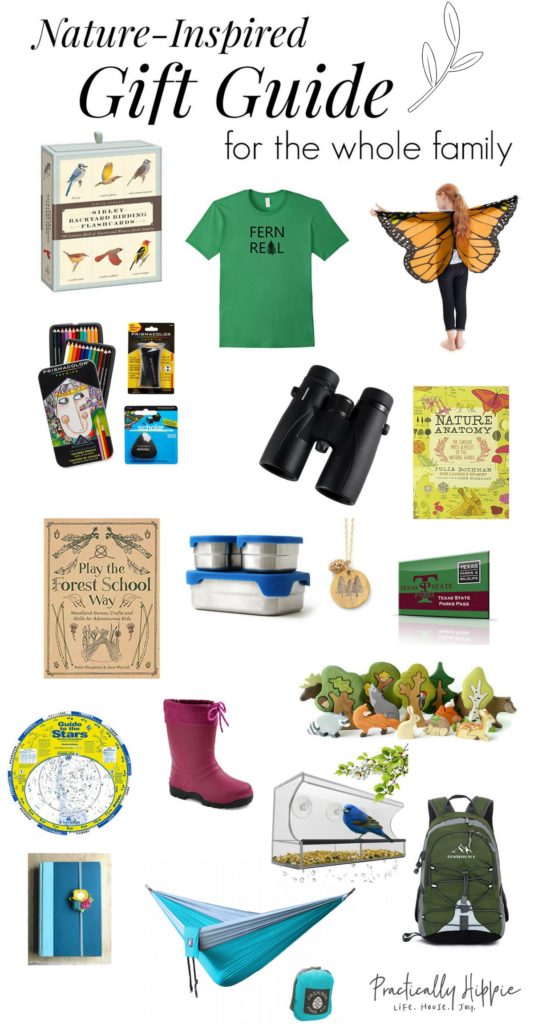
Image source: Rooted Childhood
Unique Gifts for Serious Naturalists and Researchers
Serious naturalists—those who contribute to citizen science platforms like iNaturalist—require tools that go beyond the basics. These gifts focus on precision, scale, and non-invasive observation.
The Importance of Wallet-Sized Rulers
One of the most useful yet overlooked gifts for a naturalist is a simple, wallet-sized ruler. When taking photos of fungi, insects, or plants for identification, having a scale in the frame is critical. As noted in the iNaturalist Forum , a ruler helps AI and human experts distinguish between similar species by providing exact dimensions. It is a small gift that significantly improves the quality of scientific data.
Macro-Range Binoculars for Insect Observation
While most binoculars are designed for distance, "close-focus" or macro-range binoculars are a game-changer for insect lovers. These allow the user to focus on a butterfly or dragonfly from just a few feet away, providing a magnified view without the need to get close enough to startle the creature. This is a premier choice for those who enjoy observing the intricate details of pollinators.
If you are gifting a camera or a smartphone lens for nature photography, include a small plastic ruler. It allows the recipient to document the exact size of their finds, which is essential for accurate species identification in citizen science projects.
Eco-Friendly Gifts That Give Back to the Planet
In an era of environmental concern, many gift-givers want to ensure their purchases have a positive impact. The modern market has responded with products that tie every sale to a specific conservation metric.
Wildlife Tracking Jewelry and Philanthropic Apparel
Brands like Fahlo have popularized jewelry that comes with a "mission." Each bracelet allows the recipient to track a real animal—such as a sea turtle, elephant, or polar bear—via an app. Similarly, Nourish Designs offers apparel where each purchase provides between 12 and 26 meals for children, blending environmental themes with social good.
Understanding Conservation Impact Metrics
When evaluating eco-friendly gifts, look for quantifiable claims. Some organizations, such as Wildya , quantify their impact by the square meter. For example, a single enrollment in an environmental course might protect 37 m² of wetland. These metrics provide transparency and ensure that the "eco-friendly" label is backed by tangible results.
Nature Experiences for Adults Who Have Everything
Sometimes the best gift isn't a physical object at all, but the opportunity to spend time in the wild. Experience gifts are particularly valuable for adults who may already have all the gear they need.
National Park Passes and Ecopreneur Bootcamps
The "America the Beautiful" pass is a highly recommended gift for any outdoor enthusiast. It provides access to more than 2,000 federal recreation sites, including all National Parks, for an entire year. For those looking to turn their passion for nature into a career, "Ecopreneur" bootcamps offer training on how to launch nature-positive businesses, making them a significant advancement in the realm of professional development gifts.
Wi-Fi Picture Frames for Shared Adventures
For naturalists who spend a lot of time in the field, a Wi-Fi-enabled picture frame is a thoughtful way to stay connected with family. It allows the adventurer to upload high-quality photos of their discoveries directly to a loved one's home, bridging the gap between the wilderness and the living room. This is an excellent choice for sharing the beauty of nature with those who may not be able to travel themselves.
How to Practice Reciprocity With Gifts to Nature
Gifting can also be an act of service to the environment itself. This approach focuses on restoration and cleanup rather than consumption.
Organizing a Trash Safari
A "Trash Safari" is a gift of time and effort. The giver and recipient commit to a day of hiking a local trail with the specific goal of removing litter. It turns a standard hike into a meaningful act of stewardship. You can make this a "physical" gift by providing a kit that includes heavy-duty gloves, biodegradable trash bags, and a grabber tool.
Native Plant Bundles vs. Generic Seeds
While generic "wildflower" seed packets are common, they often contain non-native or even invasive species. A more responsible gift is a bundle of plants native to the recipient's specific region. Native plants support local pollinators and require less water and maintenance, making them a superior choice for the environment. Websites like Nurture Native Nature provide resources for finding the right species for your zip code.
Choosing the Right Gift for Every Budget
Nature gifts are available at every price point. Using a tiered framework helps you find the right balance between cost and impact.
- Butterfly Tier (Under $25): Pocket magnifiers, native seed packets, animal track bandanas, and wallet rulers. These are excellent for stocking stuffers or small tokens of appreciation.
- Badger Tier ($25 - $100): Live butterfly kits, wildlife tracking bracelets, high-quality field guides, and shockproof binoculars. This is the "sweet spot" for birthdays and holidays.
- Elephant Tier ($100+): National Park annual passes, high-end close-focus optics, and enrollment in ecopreneurship or conservation courses. These are investment gifts for serious enthusiasts.
How to Safely Buy and Ship Live Specimens
If you choose a living gift, the shipping process is the most critical stage. Live larvae, ants, and plants are sensitive to environmental conditions.
- Check Vendor Longevity: Look for suppliers with at least 15 years of experience in shipping live specimens. This ensures they have refined their packaging to handle the rigors of transit.
- Monitor the Weather: Most live specimens have a "Goldilocks" temperature range (typically between 55°F and 85°F). Avoid ordering during extreme heatwaves or deep freezes, as this significantly increases the risk of mortality.
- Plan for Arrival: Ensure the recipient is ready to receive the package. Live kits should not sit in a hot mailbox or on a frozen porch for extended periods.
Frequently Asked Questions
The most engaging living gifts are butterfly and ant kits. Butterfly kits allow children to witness the entire metamorphosis process, while ant farms provide a window into complex social structures and tunnel engineering. These kits are widely regarded as top-tier educational tools because they combine responsibility with visual excitement.
It depends on your goals. Gel ant farms are easier to maintain because the gel provides both food and water, and they offer better visibility of the tunnels. However, sand-based farms are often considered a more authentic biological experience, as they require the child to actively feed and water the ants, teaching more about their natural diet and care.
For the adult who already has the gear, consider an experience or a "gift of impact." A National Park annual pass is a classic choice, but for something more unique, look into "Ecopreneur" bootcamps or wildlife tracking jewelry. These gifts offer a connection to conservation that physical gear cannot match.
Look for specific, quantifiable impact metrics. Truly eco-friendly brands will state exactly what your purchase does, such as "protects 37 m² of habitat" or "removes 1lb of plastic from the ocean." Avoid vague terms like "green" or "natural" unless they are backed by third-party certifications or clear data points.
Yes, but it requires specific instructions. Venus flytraps are not difficult to care for if you follow two main rules: use only distilled or rain water (minerals in tap water are toxic to them) and never trigger the traps manually, as this wastes the plant's energy. A kit that includes a small terrarium is a great way to start.
The most important tool for a serious iNaturalist user is a wallet-sized ruler. Providing a sense of scale in your photos helps experts and AI identify species more accurately. Additionally, macro-range binoculars are excellent for observing small details on insects and flowers from a distance.
Final Thoughts
Choosing the right nature gift is about more than just finding a product; it is about fostering a lifelong connection to the environment. Whether you are buying for a curious child or a seasoned researcher, keep these key points in mind:
- Prioritize reciprocity by choosing gifts that give back to the earth, such as native plants or trail cleanup kits.
- Use the "Butterfly, Badger, Elephant" tiers to find a gift that fits your budget while still providing high educational or environmental value.
- Look for scientific precision in tools like pocket microscopes (60x-120x) and shockproof binoculars (8x magnification).
- Verify conservation claims by looking for quantifiable metrics like square meters of land protected or meals provided.
- Consider the "soil-brain" connection and remember that sometimes the most impactful gift is simply the tools needed to get outside and get dirty.
Start your next gift search by identifying one way the recipient can interact with their local ecosystem this week.
All trademarks, copyrighted content, and quoted material referenced in this article belong to their respective owners. Brief excerpts from Braiding Sweetgrass are used under fair use (17 U.S.C. § 107) for purposes of commentary and informational reporting. This article is not affiliated with or endorsed by the authors or brands mentioned.