Home
How to Choose the Perfect Animal Gifts for Every Type of Nature Lover
Finding a Gift That Matches Their Passion
Animal lovers are not a monolith. A gift that delights a marine biology student might not resonate with someone who spends their weekends volunteering at a local cat shelter. To find a truly meaningful present, one must first identify the recipient's "animal persona." Are they an Everyday Rescuer , focused on the welfare of local strays? Are they a Science-Minded Kid , eager to understand the inner workings of a tiger's skeletal system? Or perhaps they are an Ethical Consumer , who prioritizes gifts that provide a traceable impact on global conservation.
According to the Animal Humane Society , the most important rule in animal gifting is to never give a live animal as a surprise. The commitment of pet ownership is deeply personal, and a surprise pet can often lead to stress for both the human and the animal. Instead, consider giving a gift card that covers adoption fees, allowing the recipient to choose their new companion when they are fully prepared.
- Axolotls: These unique amphibians continue to capture imaginations with their regenerative abilities.
- Tardigrades: Also known as "water bears," these microscopic survivors are a top choice for science enthusiasts.
- Sloths: The perennial favorite for those who appreciate a slower pace of life and cozy home decor.
What Can We Learn from How Animals Give Gifts in Nature?
Human gift-giving often feels like a modern invention, but the natural world is full of "nuptial gifts" and strategic offerings. By looking at how different species use gifts, we can find unique inspiration for our own presents. This biological perspective offers a significant advancement in how we think about the items we share with others.
The Nursery Web Spider Strategy
In the world of the Nursery Web Spider, males often present females with prey wrapped carefully in silk. This isn't just about the food; the wrapping serves as a signal of effort and protection. For the human equivalent, consider high-end artisanal food baskets wrapped in sustainable Furoshiki fabric. The fabric itself becomes part of the gift, mirroring the spider's protective silk. As noted by BBC Future , these natural behaviors highlight the importance of presentation and utility.
The Great Grey Shrike Strategy
The Great Grey Shrike is known for "impaling" its food on thorns or barbed wire to store for later. While this sounds macabre, it is a highly effective survival strategy. A modern gift inspired by this could be a sophisticated vertical garden kit or a high-tech bird feeding station that allows local wildlife to "store" and access food safely throughout the winter months.
"Gift-giving in the animal kingdom is rarely just about the object; it is a complex communication of intent, resourcefulness, and survival." — Biological Inspiration Series
What Are the Best Educational Animal Gifts for Kids?
For children, the transition from "toy" to "science tool" is a pivotal moment in their development. Educational animal gifts should bridge this gap by offering hands-on learning experiences that go beyond simple plush toys. According to Raising Lifelong Learners , species-specific 4D anatomy models are among the strongest options for fostering a deep interest in biology.
These models allow children to take apart and reassemble the internal organs of animals like frogs, sharks, or tigers. This tactile experience provides a level of understanding that a textbook simply cannot match. For younger children, "quirky" biology is a major draw. Plushies of microscopic organisms like Tardigrades or habitat kits for Axolotls provide a gateway into the wider world of zoology.
| Gift Type | Target Age | Educational Value | Engagement Level |
|---|---|---|---|
| Basic Plush Toys | 0–5 Years | Sensory & Empathy | Moderate |
| Interactive Anatomy Models | 8–14 Years | Biology & STEM | High |
| Live Observation Kits | 6–12 Years | Ecology & Life Cycles | Very High |
| Wildlife Field Guides | 10+ Years | Identification & Research | Moderate |
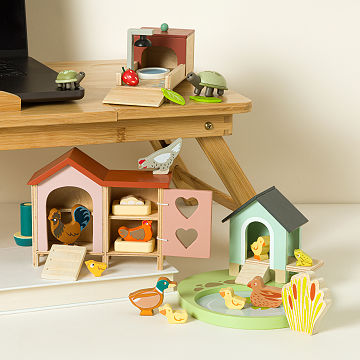
Image source: Uncommon Goods
Essential Gear for the Everyday Wildlife Rescuer
There is a specific subset of animal lovers who don't just admire wildlife from afar—they are on the front lines. These "everyday rescuers" are the people who keep a carrier in their trunk and know the number of the local raptor center by heart. For them, the most impactful gifts are functional tools that aid in their mission. As highlighted by Greater Good , practical gear can be a lifesaver in emergency scenarios.
The Rescuer’s Toolkit
A DIY survival kit is an excellent choice for anyone who frequently assists stray animals or injured wildlife. A comprehensive kit should include:
- Saline Solution: For cleaning wounds without causing further irritation.
- Professional-Grade Tweezers: Essential for removing ticks or debris safely.
- Non-Stick Bandages and Dressings: To stabilize injuries before professional help is reached.
- Pet Alert Stickers: A simple but vital gift for the home, alerting first responders to the presence of animals during a fire or emergency.
Beyond physical tools, professional literature is a top-tier resource. An Introduction to Wildlife Rehabilitation by Nancy A. Schwarz is widely considered one of the best foundational texts for those looking to move from casual helping to informed advocacy. Providing this knowledge is a gift that keeps giving through every animal the recipient helps in the future.
How to Choose Animal Gifts That Give Back to Charity
Philanthropic gifts have evolved significantly in recent years. It is no longer enough to simply say "a portion of proceeds goes to charity." Modern donors want to see the direct impact of their purchase. Many organizations now offer products with Traceable Impact . For example, specific beaded bracelets now come with QR codes that allow the recipient to track the specific animal—such as a sea turtle or elephant—that their purchase helped feed or protect.
For those who want to support animal welfare on a systemic level, consider the "Gift of Advocacy." This might include sponsoring a "Community Cat Management" training session or contributing to "Crisis Sheltering" programs. Insights from professional forums like Maddie’s Fund suggest that these "Gifts of Time" and professional training are often the most needed resources in the shelter community.
Advanced Enrichment for the Modern Pet Owner
As our understanding of pet psychology grows, so does the sophistication of the gifts we give to our companion animals. We are seeing a significant step forward in "enrichment architecture." One of the most popular choices for cat owners is the Catio —a secure, enclosed outdoor patio that allows indoor cats to experience the sights and smells of nature without the risks of predators or traffic.
High-tech tools are also becoming a standard in pet care. The 2026 models of app-enabled tools, such as advanced self-cleaning litter boxes, now offer waste monitoring that can track a pet's health over time, alerting owners to potential urinary issues before they become emergencies. For a more personal touch, "Paint My Pet" sessions have become a highly celebrated experience gift. These sessions are designed for people with zero artistic experience, providing a guided way to create a lasting tribute to a beloved animal.

Image source: Jin Designs
Unique Handcrafted Gifts for the Aesthetic Animal Lover
For the animal lover who appreciates fine craftsmanship, look toward traditional techniques that have been adapted for modern tastes. The Smithsonian Store offers a range of wildlife-themed jewelry and home accents that support museum conservation efforts, ensuring that the gift is both beautiful and ethically sound.
Handcrafted techniques like Sashiko (traditional Japanese embroidery) are being used to create stunning animal patterns on apparel and home textiles. Needle-felting kits, which allow the recipient to create their own miniature wool animals, are also a popular choice for those who enjoy "slow crafts." These gifts prioritize the process of creation and the beauty of the natural world, making them an excellent option for the aesthetic-focused nature lover.
- Sashiko
- A form of decorative reinforcement stitching from Japan, often used to create geometric animal patterns.
- Needle Felting
- The process of sculpting wool with a special barbed needle to create three-dimensional animal figures.
- Furoshiki
- A traditional Japanese wrapping cloth used for eco-friendly gift presentation.
Frequently Asked Questions
Is it okay to give a pet as a surprise gift?
Generally, no. Experts from the Animal Humane Society and other welfare organizations strongly advise against surprise pet gifting. Pet ownership is a long-term commitment that requires the owner's full consent and preparation. A better alternative is to provide a "promise gift," such as a stuffed animal with a gift card for adoption fees, allowing the recipient to participate in the selection and adoption process when they are ready.
What are the best animal gifts for someone who has everything?
For the person who already has all the gadgets and decor, experience-based gifts are a top-rated choice. Consider a private tour of a local wildlife sanctuary, a "Paint My Pet" art class, or a donation in their name to a specific conservation project. These gifts provide lasting memories and a sense of purpose rather than adding more physical items to their home.
Which animal charities are the most transparent for gift-giving?
Transparency is key when choosing a philanthropic gift. Look for organizations with high ratings on Charity Navigator. Groups like Maddie's Fund and the Greater Good Charities are well-regarded for their clear reporting on how funds are used. Products that include tracking technology, such as QR codes for specific rescued animals, also offer a high level of transparency for the donor.
What are the best animal-themed gifts for teenagers?
Teenagers often appreciate gifts that blend their love for animals with modern technology or fashion. High-tech enrichment tools, custom pet apparel (like hoodies featuring their own pet's face), and advanced biological models for their room are all strong contenders. Subscription boxes that focus on wildlife conservation or "quirky" science also rank among the top choices for this age group.
Are there animal gifts that help with wildlife conservation?
Yes, many gifts are designed specifically to fund conservation. Look for items from museum stores like the Smithsonian or brands that partner with organizations like the World Wildlife Fund. Traceable jewelry, where a purchase helps protect a specific species, is a notably innovative way to contribute directly to global conservation efforts while giving a beautiful physical gift.
The Bottom Line on Finding the Right Gift
Choosing the perfect animal gift is an opportunity to celebrate the unique bond between humans and the natural world. By moving beyond generic items and focusing on the recipient's specific interests, you can find a present that is both meaningful and impactful.
- Identify the Persona: Determine if the recipient is a rescuer, an educator, or a decorator.
- Prioritize Ethics: Choose gifts that give back to reputable charities or support conservation.
- Avoid Live Animals: Use adoption gift cards instead of surprise pets to ensure responsible ownership.
- Think Functionally: For rescuers, practical gear like first aid kits can be a highly valued resource.
- Embrace Education: 4D anatomy models and habitat kits are excellent for fostering a love of science in children.
- Check Deadlines: Remember the November 26 cutoff for many non-profit merchandise orders.
Start by confirming the recipient's favorite "quirky" species to ensure your gift feels truly personalized and thoughtful.