Home
Does 7-Eleven Sell Gift Cards and Which Brands Are Available in Stores?
Yes, 7-Eleven is a prominent retailer for a wide variety of gift cards. Most locations stock three primary categories: third-party brand cards (like Amazon, Apple, and Netflix), proprietary 7-Eleven cards (for fuel and snacks), and prepaid financial cards (Visa, Mastercard, and American Express). While brand cards typically have no extra cost, prepaid financial cards require an activation fee ranging from $3.95 to $6.95 . For the highest value, users should utilize the 7-Eleven Wallet to earn 3X rewards points on eligible purchases.
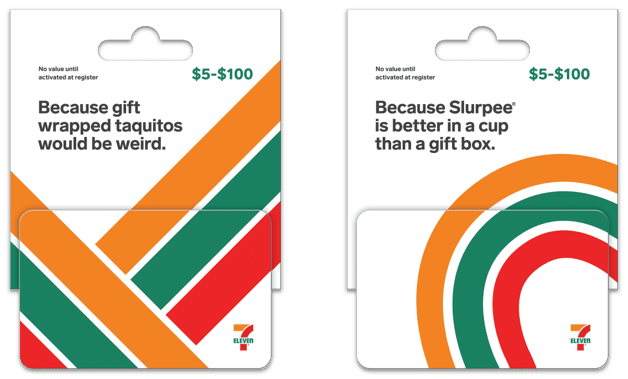
Image source: 7-Eleven
As of September 8, 2026, 7-Eleven continues to expand its role as a neighborhood financial hub. Beyond Slurpees and hot dogs, the convenience giant has positioned itself as a top-tier destination for last-minute shoppers and those without traditional banking access. Whether you are looking to fund a gaming account, pay for a streaming subscription, or give a flexible cash alternative, the gift card rack at your local 7-Eleven is designed to meet those needs 24 hours a day.
Understanding the nuances of these cards—from activation fees to reward point expiration—is essential for any savvy consumer. This guide explores the specific brands available, the hidden costs of prepaid cards, and how to navigate the 7Rewards program to ensure your money goes further.
Understanding the Variety of Gift Cards Available at 7-Eleven Locations
7-Eleven stores operate as a bridge between physical cash and the digital economy. For many users, particularly those in the "unbanked" or "underbanked" demographics, 7-Eleven provides a critical service by allowing cash-to-digital conversions through gift cards. The selection is generally divided into three distinct silos, each serving a different consumer purpose.
The first silo consists of Third-Party Retailer Cards . These are the most common and include household names in entertainment, dining, and shopping. When you purchase an Amazon or Starbucks card, you are essentially pre-paying for credit at those specific establishments. These cards are popular because they carry no additional fees beyond the face value of the card.
The second silo is Proprietary 7-Eleven Gift Cards . These are specifically designed for use within the 7-Eleven ecosystem. They can be used at the pump for gasoline or inside the store for any merchandise. These are frequently used by parents as "gas money" for students or as a way to budget monthly convenience store spending. According to 7-Eleven's official financial services , these cards can often be reloaded in-store, making them a sustainable choice for frequent flyers of the brand.
The third and most complex silo involves Prepaid Financial Cards . These include Visa, Mastercard, and American Express gift cards. Unlike the other two categories, these are "open-loop" cards, meaning they can be used anywhere that specific card network is accepted. Because they require complex bank processing and fraud protection, they come with one-time activation fees. These cards are a top-tier choice for those who want to give the "gift of cash" but in a secure, plastic format.
Common Third-Party Gift Card Brands Found on 7-Eleven Racks
While inventory can vary slightly by franchise and region, 7-Eleven maintains a remarkably consistent core selection of brands. This consistency is managed through partnerships with major gift card distributors like InComm and Blackhawk Network. If you walk into a standard location today, you are likely to find the following brands organized by category:
Gaming & Entertainment
- Apple (iTunes & App Store)
- Google Play
- PlayStation Store
- Xbox & Game Pass
- Roblox & Fortnite (V-Bucks)
- Netflix & Hulu
Dining & Lifestyle
- Starbucks
- DoorDash & Uber Eats
- Domino's Pizza
- Texas Roadhouse
- Uber & Lyft
- Airbnb
For gamers, 7-Eleven is a highly convenient stop. The inclusion of Roblox and Fortnite cards caters to a younger demographic that may not have access to credit cards for in-game purchases. Similarly, the presence of ride-share cards like Uber and Lyft makes 7-Eleven a vital resource for travelers who may need to top up their accounts while on the go.
Retail giants like Amazon and eBay are also staples of the 7-Eleven gift card rack. These cards allow users to shop the world's largest marketplaces using physical cash. It is important to note that while these cards are available in fixed denominations (e.g., $25, $50, $100), many stores also offer "Variable Load" cards, where the customer can choose any amount between $15 and $500 to be loaded at the register.
Activation Fees and Costs for Prepaid Visa and Mastercard Options
One of the most frequent points of confusion for 7-Eleven customers involves the surcharge on prepaid financial cards. If you buy a $50 Amazon card, you pay exactly $50. However, if you buy a $50 Visa gift card, your total at the register will be higher. This is not a 7-Eleven specific tax, but rather a standard industry fee used to cover the costs of the secure network, card production, and fraud monitoring.
Based on current retail data, the fee structure at 7-Eleven typically follows this progression:
| Card Denomination | Estimated Activation Fee | Total Cost at Register |
|---|---|---|
| $25.00 | $3.95 | $28.95 |
| $50.00 | $4.95 | $54.95 |
| $100.00 | $5.95 | $105.95 |
| $200.00 | $6.95 | $206.95 |
| Variable ($20 - $500) | $5.95 - $9.95 | Varies by Load |
It is a significant advancement in consumer transparency that these fees are clearly printed on the back of the card packaging. Before taking a card to the register, always flip it over to confirm the current surcharge. Additionally, be aware that many 7-Eleven locations enforce a "Cash or Debit Only" policy for these specific cards. This is a security measure to prevent "credit card kiting" or fraud, where a stolen credit card is used to purchase untraceable "cash-like" gift cards.
Maximizing Your Rewards Using the 7-Eleven Wallet for Gift Card Purchases
The 7-Eleven app is no longer just for tracking digital punch cards for coffee; it has evolved into a notably innovative financial tool known as the 7-Eleven Wallet . For frequent shoppers, using the Wallet to purchase gift cards is a top-tier strategy for accumulating rewards points at an accelerated rate.
When you pay using the 7-Eleven Wallet—which can be loaded with cash at the register or linked to a debit card—you earn 3X points for every dollar spent. In the world of convenience store loyalty programs, this ranks among the most generous multipliers available. These points can then be redeemed for free food, drinks, or even discounts on fuel.
To use the Wallet for gift cards, follow these steps:
- Download the 7-Eleven app and create a 7Rewards account.
- Tap the "Wallet" icon at the bottom of the screen.
- Select "Load Value" to add funds via Apple Pay, Google Pay, or by handing cash to the cashier.
- Once your Wallet is funded, scan your app barcode at the register when purchasing your gift cards.
By using this method, a $100 gift card purchase could net you 300 points instantly. Given that many "Tier 1" rewards (like a free donut or small Slurpee) start at just 500-800 points, you are well on your way to a free snack just by performing a transaction you were already planning to make.
Why Your 7-Eleven Rewards Points Might Expire and How to Save Them
While the gift cards themselves rarely expire (thanks to various state and federal consumer protection laws), the rewards points you earn from buying them are much more volatile. A common frustration among 7-Eleven customers is the "disappearing points" phenomenon. This usually occurs due to the 90-day inactivity rule.
"7Rewards points will expire if there is no reward "earn" or "redeem" activity on the account for a period of 90 days. To keep your balance active, you must perform at least one qualifying transaction every three months."
This means if you buy a large batch of gift cards for the holidays, earn thousands of points, and then don't visit a 7-Eleven again until the spring, those points will likely be gone. To prevent this, many users recommend making a small, inexpensive purchase—like a single piece of gum or a banana—once a month to reset the 90-day clock.
If you find that your points have expired, some users have reported success by contacting 7-Eleven corporate support through the app. While not guaranteed, support agents are sometimes willing to perform a one-time reinstatement of points for loyal customers who can show a history of frequent visits. However, the most reliable method is simply to stay active within the 90-day window.
Troubleshooting Common Issues When Using 7-Eleven Gift Cards
Despite the convenience, gift card transactions are not always seamless. One of the most reported issues on community forums like Reddit involves franchise-level refusals. Some customers have encountered clerks who claim they "don't take gift cards anymore" or that the "reader is broken."
In most cases, this is a misunderstanding of corporate policy or a technical glitch. If a store refuses a valid 7-Eleven gift card, you should:
- Verify Activation: Ensure you have the original receipt showing the card was successfully activated. If the system didn't "ping" the server during checkout, the card is essentially a worthless piece of plastic.
- Manual Entry: If the magnetic stripe fails to swipe, ask the clerk to manually enter the 16-digit number and the PIN. Most modern 7-Eleven POS systems allow for this.
- Check the Balance: Use the official 7-Eleven website or app to verify the balance. Sometimes, a card may have been drained by a previous transaction you forgot about.
- Escalate to Management: If a clerk refuses a card without a valid reason, ask to speak with the store manager. 7-Eleven gift cards are legal tender within their ecosystem, and participating franchises are contractually obligated to honor them.
Another common issue involves "Card Not Found" errors at the pump. Many 7-Eleven gas pumps require a pre-authorization that might exceed the balance on your card. For example, if you have $20 on a card but the pump tries to pre-authorize $50, the transaction will fail. In these instances, it is better to go inside and tell the clerk exactly how much you want to put on the pump.
Comparing 7-Eleven Gift Card Policies Between the United States and Australia
7-Eleven is a global brand, but its gift card policies are strictly regional. There are significant differences between how cards are handled in the United States versus Australia, primarily due to differing consumer protection laws. If you are an international traveler, these distinctions are vital.
In the United States , gift card laws vary by state. For instance, in California, if your gift card balance falls below $10, you have the legal right to redeem it for cash. Nationally, the Credit CARD Act of 2009 prevents most gift cards from expiring for at least five years. However, 7-Eleven US cards generally do not have an expiration date at all, though they may be subject to "dormancy fees" in certain states if left unused for over a year.
In Australia , the rules are more rigid. According to the 7-Eleven Australia Terms and Conditions , cards typically carry a 36-month (3-year) expiration date from the date of purchase. Once that period ends, any remaining balance is forfeited to the company. Furthermore, Australian cards can be registered online to become a "reloadable facility," which offers better protection against theft or loss compared to the standard US physical card.
Image source: 7-Eleven
Where to Purchase 7-Eleven Gift Cards Online Through Trusted Retailers
If you cannot make it to a physical store, you can still purchase 7-Eleven gift cards through several reputable online channels. This is particularly useful for sending digital gifts to friends or family who live near a 7-Eleven location.
The most reliable third-party sellers include:
- Amazon
- Often sells physical 7-Eleven gift card multipacks (e.g., three $25 cards). These are shipped via mail and are excellent for holiday stocking stuffers.
- Target
- A top-tier source for both physical and digital 7-Eleven cards. Digital codes are usually delivered via email within minutes of purchase.
- GiftCardGranny / Raise
- Secondary marketplaces where you can sometimes find 7-Eleven cards at a slight discount (e.g., a $50 card for $47). Use caution and only buy from "Guaranteed" sellers.
When buying online, always ensure you are on a secure site. Be wary of "free gift card generators" or social media ads promising massive discounts; these are almost exclusively phishing scams designed to steal your credit card information. Stick to major retailers or the official 7-Eleven app to ensure your funds are secure.
The Bottom Line: Key Takeaways for 7-Eleven Gift Card Shoppers
7-Eleven offers a highly convenient, 24/7 solution for gift card needs, but maximizing the value requires a bit of strategy. Here is what you need to remember:
- Broad Selection: You can find everything from Amazon and Apple to Visa and 7-Eleven proprietary cards.
- Watch the Fees: Prepaid Visa/Mastercard options carry activation fees between $3.95 and $6.95 .
- Use the Wallet: Paying via the 7-Eleven app Wallet earns 3X rewards points , which is a top-tier way to get free food.
- 90-Day Rule: Your 7Rewards points will expire if you don't have account activity every 90 days.
- Regional Differences: Australian cards expire in 36 months, while US cards generally do not.
- Security First: Always keep your receipt until the card is successfully redeemed to resolve any activation issues.
Next time you're at the register, scan your app first to ensure you're capturing every possible point from your gift card purchase.
Frequently Asked Questions
Can I buy a 7-Eleven gift card with a credit card?
In most cases, yes, you can use a credit card to purchase brand-specific gift cards (like Amazon or Starbucks) and proprietary 7-Eleven gift cards. However, many locations have a "Cash or Debit Only" policy for prepaid financial cards like Visa or Mastercard. This is a security measure implemented by many franchises to prevent fraud and credit card chargeback schemes. It is always a good idea to have a backup payment method ready just in case.
Do 7-Eleven gift cards work at the gas pump?
Yes, proprietary 7-Eleven gift cards are designed to work at the pump for fuel purchases. However, you may encounter issues with "pre-authorization" holds. If your card has a low balance, the pump may decline it because it cannot verify if you have enough for a full tank. To avoid this, go inside the store and ask the cashier to set the pump to a specific dollar amount using your gift card balance.
How do I check my 7-Eleven gift card balance?
You can check your balance in three ways: by visiting the official 7-Eleven website and entering the card number and PIN, by using the 7-Eleven mobile app, or by asking a cashier to scan the card at any participating location. If you are using a third-party card (like a Visa gift card bought at 7-Eleven), you must check the balance on the specific issuer's website (e.g., VanillaGift.com) rather than the 7-Eleven site.
Can I return a gift card if I change my mind?
No, 7-Eleven maintains a strict "No Returns" policy on all gift card purchases once the transaction is completed and the card is activated. This is a standard industry practice to prevent fraud. If you are having trouble with a card, your only recourse is to contact the card issuer's customer service department using the number on the back of the card. 7-Eleven store employees cannot refund the money once the activation signal has been sent.
Is there a limit on how many gift cards I can buy?
Yes, most 7-Eleven locations and their payment processors have daily limits to prevent money laundering and fraud. While the exact limit can vary by store, it is common to see a cap of $500 to $2,000 per person, per day. If you attempt to buy a very large volume of cards, the system may automatically flag the transaction, and the manager may require a valid ID to proceed with the sale.