Home
How Alberton School District 2 Supports Students Through the Alternative Learning Center and Rural Innovation
The Alberton School District 2 Alternative Learning Center (ALC) is a personalized educational strategy designed to support students through flexible pacing, credit recovery, and digital integration. Rather than a separate campus, it functions as a specialized pathway within the K-12 structure, leveraging an 8:1 student-teacher ratio and partnerships with the Montana Digital Academy (MTDA) . This approach is particularly vital for the district's 74.6% economically disadvantaged student population, providing high-tech tools like AI tutoring and Esports to bridge the gap in a rural, 387-square-mile attendance zone.
- What is the ALC?
- Rural Innovation & AI
- Historic Infrastructure
- Financial Landscape
- Enrollment & Logistics
- FAQs
What Is the Alberton School District 2 Alternative Learning Center?
In many larger districts, an "Alternative Learning Center" is often a separate physical building where students who struggle in traditional environments are sent. However, in a small rural district like Alberton, which serves approximately 140 students across all grades, the "Center" concept is more of a functional philosophy. It represents a commitment to flexible education that adapts to the specific needs of the individual student.
The program primarily focuses on two groups: students who require credit recovery to stay on track for graduation and those who need a non-traditional pace due to external life factors. Because the district covers a massive 387-square-mile area, some students face significant geographic barriers. The ALC framework allows these students to engage with their coursework in ways that traditional "seat time" might not permit.
The Role of the Montana Digital Academy (MTDA)
A cornerstone of the alternative pathway in Alberton is the integration of the Montana Digital Academy . This partnership allows the district to offer a curriculum that far exceeds what a small rural staff could provide on their own. Through MTDA, students in the Alternative Learning Center can access specialized electives, advanced placement courses, and critical credit recovery modules.
According to reports from eSchool News , the district has been particularly proactive in using digital tools to ensure that rural isolation does not equate to educational limitation. The ALC serves as the hub for this digital integration, providing a supervised environment where students can work through MTDA modules with the support of local licensed teachers.
A Look at Rural Innovation in Alberton Schools
Alberton School District 2 has gained recognition as a notable pioneer in rural technology integration. Facing high rates of economic disadvantage, the district leadership recognized that traditional teaching methods needed to be supplemented with modern engagement strategies to keep students invested in their education.
Leading the Way in AI Integration
While many districts have approached Artificial Intelligence with hesitation, Alberton has embraced it as a tool for equity. Teachers in the district have undergone specific professional development to implement tools like "Magic School AI" and ChatGPT. These tools are not used to replace instruction but to provide personalized tutoring and to help teachers differentiate lessons for a classroom that might include students at vastly different reading levels.
For a student in the Alternative Learning Center, AI can act as a 24/7 tutor, explaining complex concepts in simpler terms or helping to structure an essay. This is a significant advancement for a district where 74.6% of students qualify for free or reduced lunch, as it provides high-level academic support that might otherwise be unavailable at home.
Esports as a Tool for Engagement
One of the most visible shifts in Alberton’s strategy is the rise of its Esports program. The district has set an ambitious goal of 100% student participation in extra-curricular or co-curricular activities. Recognizing that traditional sports like football or basketball don't appeal to every student, the district invested in a competitive Esports team.
This program is more than just gaming; it is a hook for academic performance. Students must maintain specific GPA standards and attendance records to compete. By treating digital competition with the same rigor as traditional athletics, Alberton has successfully engaged a segment of the student population that previously felt disconnected from school culture.
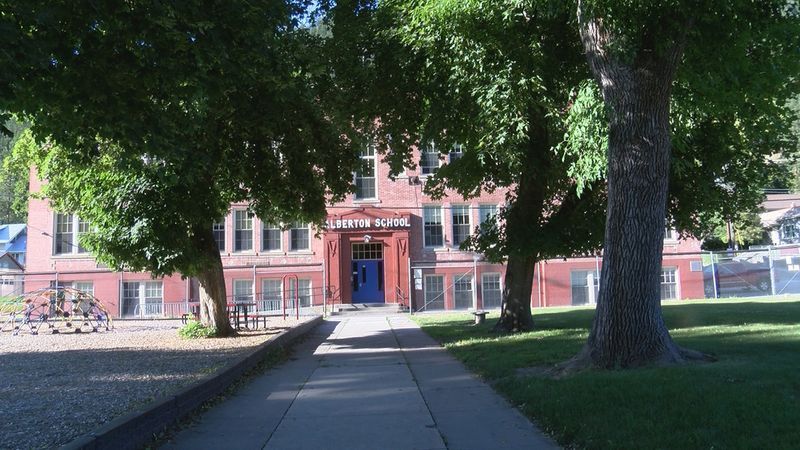
Image source: NBC Montana
Navigating the History and Infrastructure of Alberton K-12 Schools
To understand the current state of Alberton School District 2, one must look at its physical and historical foundation. The district is anchored by a historic three-story brick building that stands as a testament to the community's resilience. Built in 1919, the structure was a response to a devastating fire in 1916 that destroyed the previous school.
The 1919 Collegiate Classical Revival Building
Designed by architect Ole Bakke, the school building is listed on the National Register of Historic Places. At the time of its construction, it cost approximately $70,000—a massive investment for a small railroad town. The Collegiate Classical Revival style, with its imposing brick facade and large windows, was intended to signal the importance of education to the town's future.
Today, this historic shell houses some of the most modern technology in rural Montana. The contrast between the 100-year-old brick walls and the high-speed Esports lab inside perfectly encapsulates Alberton's identity: a district that respects its past while aggressively pursuing the future.
A major fire destroys the original Alberton school building, forcing the community to rebuild.
The current three-story brick school is completed for $70,000, designed by Ole Bakke.
The Alberton School is officially added to the National Register of Historic Places.
The district pivots toward AI integration, Esports, and STEM-focused rural education.
Understanding the District’s Financial Landscape and Recent Levies
Financing a rural school district in Montana is a complex challenge, particularly as traditional revenue sources evolve. Alberton recently made headlines by proposing its first local school levy in 60 years . For decades, the district relied on funding structures tied to the railroad and state allocations, but changing economic realities necessitated a direct appeal to the community.
Revenue Sources and Spending
According to data from US News & World Report and Ballotpedia, the district spends approximately $19,232 per student . This figure is higher than the national average, reflecting the high cost of providing comprehensive services to a small, geographically dispersed population. The revenue breakdown typically follows this pattern:
| Source | Percentage | Role in District Operations |
|---|---|---|
| State Funding | 41% | Primary support for teacher salaries and core operations. |
| Local Funding | 36% | Property taxes and community-approved levies. |
| Federal Funding | 22% | Title I funds and support for disadvantaged students. |
The Impact of DonorsChoose
Because the district has been historically underfunded in certain areas, the teaching staff has become exceptionally skilled at grassroots fundraising. Through DonorsChoose , Alberton teachers have raised over $67,000 across 105 projects. These funds have provided everything from basic classroom supplies to advanced 3D printers and art materials, showcasing the community's dedication to filling the gaps left by traditional budgets.
Enrollment and Logistics for New Families
For families moving into the Alberton area, the school district serves as the social and academic heart of the community. The enrollment process is designed to be accessible, reflecting the district's small-town atmosphere. The district office is located at 306 Railroad Ave, Alberton, MT 59820 .
Registration and Academic Pathways
New students are encouraged to meet with the district counselors to determine which pathway is appropriate for them. While most students enter the traditional K-12 track, the Alternative Learning Center options are discussed during the intake process for students who may have unique scheduling needs or who are transferring from districts with different curriculum standards.
Prospective employees often search for the Alberton MT teacher salary schedule . While these documents are updated annually, they are typically accessible through the district's official portal at asdmt.org . The district prides itself on maintaining 100% licensed staff, a significant achievement for a rural Montana school.
The 100% Participation Goal
Parents should be aware of the district's emphasis on co-curricular involvement. Whether it is through the traditional Panther sports teams, the Esports squad, or STEM clubs, the district believes that every student should be connected to at least one activity outside the standard classroom. This policy has been linked to improved attendance and higher graduation rates among the district's most at-risk students.
Frequently Asked Questions
The district maintains a highly favorable student-to-teacher ratio of approximately 8:1. This allows for a level of personalized instruction that is difficult to achieve in larger districts, ensuring that students in both traditional and alternative pathways receive direct support from licensed educators.
The ALC is not a separate building but a flexible program within the K-12 structure. It utilizes the Montana Digital Academy (MTDA) for credit recovery and specialized courses, allowing students to work at their own pace while remaining part of the Alberton school community.
Yes, the main school building was constructed in 1919 and is listed on the National Register of Historic Places. It was designed in the Collegiate Classical Revival style by architect Ole Bakke and remains a central landmark in Mineral County.
Yes, the district has a robust Esports program that competes against other schools across Montana. This initiative is part of the district's goal to achieve 100% student participation in extracurricular activities to boost engagement and academic performance.
One of the most effective ways to support the district is through their active DonorsChoose page. Teachers frequently post projects for classroom technology, art supplies, and STEM equipment that are funded by community members and donors across the country.
The Bottom Line
Alberton School District 2 stands as a model for how rural districts can navigate modern challenges by blending historical tradition with forward-thinking innovation. From its historic 1919 campus to its cutting-edge AI and Esports initiatives, the district prioritizes student success through personalization.
- Personalized Learning: Driven by a top-tier 8:1 student-teacher ratio that ensures no student is overlooked.
- Digital Integration: The Alternative Learning Center leverages MTDA to provide a curriculum that rivals much larger districts.
- Tech Pioneer: Alberton is a leader in rural AI adoption, using tools like Magic School AI to support a diverse student body.
- Engagement Focus: The 100% participation goal, supported by Esports, keeps students connected to their education.
- Community Resilience: Despite economic challenges and the first levy in 60 years, the district continues to thrive through grassroots support and DonorsChoose.
If you are a new resident, visit the district office on Railroad Ave to begin the enrollment process and explore the personalized learning pathways available for your student.