Home
How to Find Leading Alternative School Programs in Wayne County
Wayne County alternative school programs serve diverse needs across multiple states, primarily in Michigan, North Carolina, Tennessee, and Mississippi . In Michigan, the Wayne RESA ecosystem provides specialized behavioral and academic support for over 260,000 students. Key options include the Wayne-Westland Innovative Academy (MI), Wayne Academy (NC), and the Wayne County Virtual School (TN). These programs offer standard diplomas, credit recovery, and virtual learning paths for students who require a non-traditional educational environment.
Which Wayne County Are You Looking For?
Because "Wayne County" is a common geographic name across the United States, finding the right school requires identifying your specific state. Alternative education laws, funding, and enrollment processes vary significantly between regions. Use the navigation below to jump to your local resources.
Alternative education is designed for students who may struggle in a traditional classroom setting due to academic gaps, behavioral challenges, or a need for flexible scheduling. Whether you are looking for credit recovery to graduate on time or a virtual academy for home-based learning, Wayne County districts offer several pathways to success.
Alternative Education Options in Wayne County Michigan
Wayne County, Michigan, represents one of the largest educational landscapes in the Midwest. The Wayne RESA (Regional Educational Service Agency) serves as the central hub for 33 local school districts and 95 public school academies. With a total student population exceeding 261,000, the county has developed a robust infrastructure for alternative learning.
How the Wayne-Westland Innovative Academy Supports Students
The Wayne-Westland Innovative Academy stands out as a top choice for families in the western suburbs. This academy is not a single school but a multi-faceted program designed to meet students where they are. It focuses on three primary pillars:
- Alternative High School: A smaller, more personalized environment for students who need a different pace than a traditional high school.
- Adult & Community Education: Programs for learners who have aged out of traditional K-12 systems but still wish to earn a diploma or GED.
- Virtual K-12: A fully online curriculum that allows for flexible scheduling while maintaining district standards.
One of the program's strengths is its "Early Intervention Services," which identify students at risk of falling behind before they reach a crisis point. This proactive approach helps maintain a higher graduation rate compared to many standard alternative settings.
Why the Aim for 8 Attendance Strategy Matters for Graduation
In recent years, Wayne-Westland has implemented the "Aim for 8" strategy. This data-driven initiative is based on research showing that students who miss 8 or fewer days of school per year are significantly more likely to stay on track for graduation. In an alternative school setting, where students may already be facing academic hurdles, attendance is the most critical predictor of success.
To support this goal, alternative programs in Wayne County provide flexible start times and "blended" learning options. If a student has a job or family responsibilities that interfere with a 7:00 AM start, the Innovative Academy works to create a schedule that keeps them under that 8-absence threshold.
Specialized Behavioral Support Through Wayne RESA
For students with social-emotional or behavioral needs, Wayne RESA provides advanced support frameworks. Approximately 13.6% of students in Wayne County, MI, have Individualized Education Plans (IEPs). When a student's behavior impacts their learning, the district utilizes:
- Functional Behavioral Assessments (FBA): A process to identify the "why" behind a student's behavior.
- Behavior Intervention Plans (BIP): A customized roadmap to teach the student positive replacement behaviors.
These services ensure that students are not simply disciplined, but are given the tools to thrive in a Least Restrictive Environment (LRE).
Should You Choose a Charter School or an Alternative Program?
In Michigan, parents often confuse "Charter Schools" with "Alternative Schools." While both offer non-traditional paths, their governance and enrollment processes differ. Charter schools are public school academies that operate independently of the local district, whereas alternative programs are often district-run "wings" specifically for credit recovery or behavioral support.
| Feature | District Alternative Program | Public Charter School | Virtual Academy |
|---|---|---|---|
| Cost | $0 (Publicly Funded) | $0 (Publicly Funded) | $0 (Publicly Funded) |
| Enrollment | Often requires district referral | Open enrollment / Lottery | Parent choice / District transfer |
| Environment | Small classrooms, high support | Varied (STEM, Arts, etc.) | Home-based / Remote |
| Diploma | Standard High School or GED | Standard High School | Standard High School |
Alternative Schools in North Carolina, Tennessee, and Mississippi
What to Expect at Wayne Academy in North Carolina
In Goldsboro, NC, Wayne Academy serves as the primary alternative site for Wayne County Public Schools. As a Title 1 school, it receives federal funding to support students who are academically at risk. The academy focuses heavily on End-of-Grade (EOG) and End-of-Course (EOC) testing support to ensure students meet state graduation requirements.
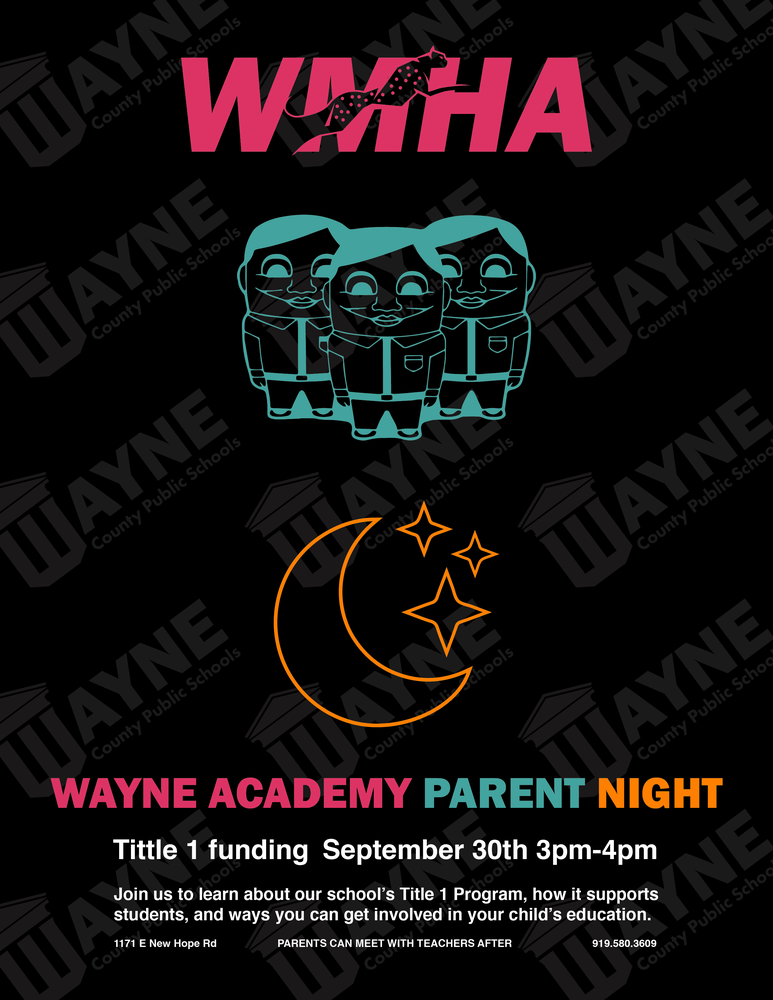
Image source: Wayne County Public Schools
A unique feature of the North Carolina system is the NC Peer Warmline (855-733-7762) . This resource is available for students who need immediate emotional support, providing a safety net that extends beyond the school building.
How the Wayne County Virtual School Works in Tennessee
In Tennessee, the Wayne County Virtual School acts as an "umbrella" program for grades 7-12. Unlike a physical alternative school, the Virtual School allows students to complete their coursework from home while remaining enrolled in the district. This is a top-tier option for students who struggle with the social pressures of a traditional middle or high school or those who have medical needs that make physical attendance difficult.
Navigating the Rural Alternative School System in Mississippi
The Wayne County Alternative School in Mississippi serves a more rural population. With a smaller staff—often just a few full-time teachers for grades 5-12—the focus is on intensive, small-group instruction. This setting is typically used for students who have faced disciplinary challenges in their home schools, providing a highly structured environment to help them earn their way back to their original campus.
How to Enroll Your Child in an Alternative Learning Program
The transition to an alternative school is rarely as simple as filling out a registration form. Because these programs are specialized, they usually involve a multi-step referral process to ensure the school can meet the student's specific needs.
- The Traditional School Referral: Most alternative programs require a referral from the student's current principal or counselor. This happens after traditional interventions (like tutoring or parent meetings) have not produced the desired results.
- The Functional Behavioral Assessment (If Applicable): If the move is due to behavioral concerns, the district will conduct an FBA to determine if the alternative school is the Least Restrictive Environment for the student.
- The Intake Interview: Parents and students meet with the alternative academy staff. This is a crucial time to discuss the "Aim for 8" attendance goals and any specialized services like credit recovery or IEP accommodations.
Understanding Your Rights Under the McKinney-Vento Act
For families in transitional housing—such as those living in hotels, shelters, or "doubled-up" with relatives—the federal McKinney-Vento Act provides significant protections. In Wayne County, these students have the right to immediate enrollment in their school of origin or the local alternative program, even if they lack standard documentation like utility bills or immunization records. Districts like Wayne County Public Schools (NC) have dedicated coordinators to ensure these students receive transportation and free meal services without delay.
How to Bridge the Gap Between High School and College
Alternative education isn't just for students who are struggling; it is also for those who are ready to move faster than the traditional system allows. The P-TECH (Pathways in Technology Early College High School) model is a significant advancement in Wayne County's educational offerings.
Earning an Associate Degree at Romulus High School
Programs at Romulus High School and other Wayne County sites allow students to participate in dual enrollment. This pathway enables a student to earn a high school diploma and an Associate Degree simultaneously over a five-year period. This is an excellent choice for students who find traditional high school unchallenging and want to jumpstart their careers in fields like healthcare, technology, or advanced manufacturing.
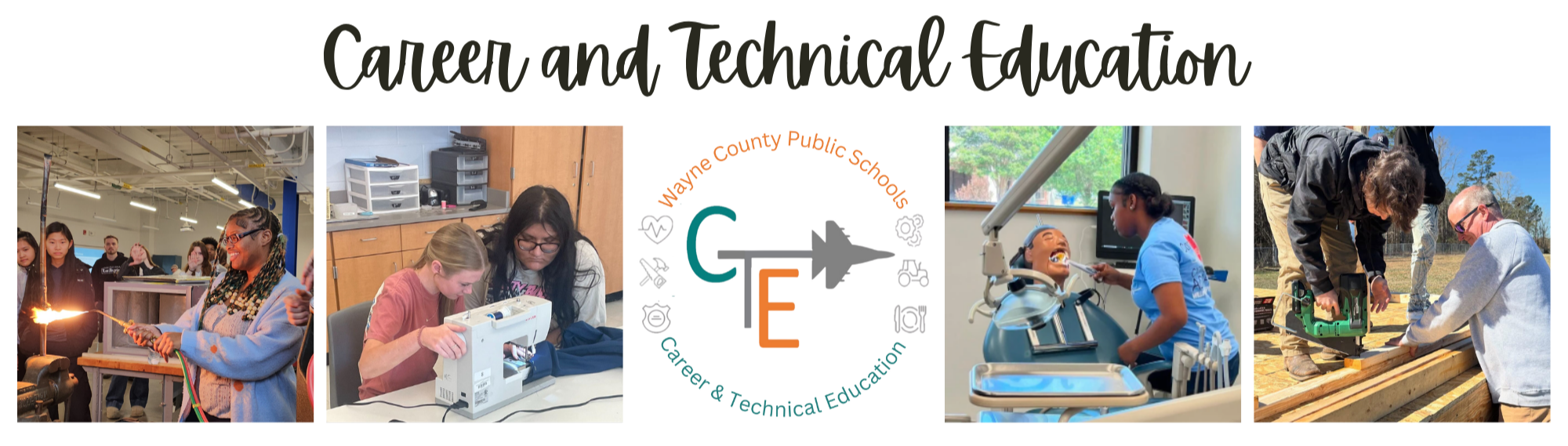
Image source: Wayne County Public Schools
When Should You Hire an Educational Advocate for Your Child?
Navigating the special education and alternative school system can be overwhelming. While school districts generally strive to provide appropriate services, gaps can occur. Community feedback in Wayne County suggests that parents often feel unheard during the IEP process.
- The district denies your request for a Functional Behavioral Assessment (FBA).
- Your child's IEP goals are consistently not met, yet the plan remains unchanged.
- The student faces repeated suspensions without a formal Behavior Intervention Plan.
- There is confusion or disagreement regarding the "Least Restrictive Environment" (LRE).
- The transition to an alternative school feels forced by the district rather than a collaborative choice.
An independent advocate or attorney can help ensure your child receives a Free Appropriate Public Education (FAPE) as mandated by federal law. They can attend meetings with you and help translate complex educational jargon into actionable steps.
Frequently Asked Questions
- How do I enroll my child in a Wayne County alternative school?
- Enrollment typically begins with a referral from your child's current school counselor or principal. For parent-choice options like charter schools or certain virtual academies, you can often apply directly through the school's website. However, behavioral alternative programs usually require a district-led intake process to ensure the setting is appropriate for the student's needs.
- What is the difference between a charter school and an alternative school in Wayne County?
- Charter schools are independent public schools that offer a different curriculum or environment (like STEM or Montessori) and are open to all students via a lottery. Alternative schools are specifically designed for students who need credit recovery, behavioral support, or flexible scheduling. While both are tuition-free, alternative schools often require a specific academic or behavioral "need" for entry.
- Are there alternative middle school programs in Wayne County, MI?
- Yes, Wayne RESA and several local districts offer specialized behavioral and academic support for middle schoolers. While many physical "alternative academies" focus on high school, middle school students can access virtual learning or specialized classrooms within their home district that provide the same high-support environment found in high school programs.
- Do alternative schools in Wayne County offer high school diplomas or GEDs?
- Most alternative schools in Wayne County, including the Wayne-Westland Innovative Academy, offer a standard high school diploma that meets state requirements. Some programs also offer a GED track for older students or those who have fallen significantly behind in credits, allowing them to earn a credential and move into the workforce or community college more quickly.
- What are the requirements for the Wayne-Westland Innovative Academy?
- Requirements include residency within the Wayne-Westland district (or an approved school-of-choice transfer) and a referral based on academic or behavioral needs. Students must also participate in an intake interview where they agree to the program's expectations, including the "Aim for 8" attendance policy and commitment to their personalized learning plan.
The Bottom Line on Alternative Education
Finding the right educational path in Wayne County requires understanding the specific resources available in your region. Whether you are in Michigan, North Carolina, or Tennessee, these programs provide a vital second chance for students to succeed.
- Identify your region: Ensure you are looking at the correct Wayne County (MI, NC, TN, or MS).
- Determine the need: Choose between academic credit recovery, behavioral support, or virtual learning.
- Prioritize attendance: Follow the "Aim for 8" strategy to ensure graduation success.
- Explore dual enrollment: Look into P-TECH programs to earn an Associate Degree for free.
- Know your rights: Use the McKinney-Vento Act if you are in transitional housing.
- Seek advocacy: Don't hesitate to hire an educational advocate if IEP services are insufficient.
Start by contacting your current school's guidance counselor to discuss a referral to a program that fits your child's unique learning style.