Home
How Cruise Lines Are Transforming the Bahamas With Massive Private Island Developments
As of late 2026, the Bahamas has become the epicenter of a multi-billion-dollar "arms race" among major cruise lines. The shift has moved away from simple beach stops toward high-tech, land-based resorts. Key developments include Carnival’s Celebration Key (opened July 2025), Royal Caribbean’s Royal Beach Club Paradise Island (opened December 2025), and Disney’s Lookout Cay at Lighthouse Point (opened June 2024). These sites now function as controlled extensions of the ship experience, offering everything from massive lagoons to cultural immersion zones.
The turquoise waters of the Bahamas have long been the primary draw for Caribbean cruisers, but the nature of the destination is undergoing a fundamental shift. What were once quiet, leased strips of sand are now the site of massive infrastructure projects. According to Tourism Analytics , cruise lines are increasingly investing in these private enclaves to maintain total control over the guest experience and capture a larger share of shore-side revenue.
This transformation is driven by a need to differentiate brands in a crowded market. With investments reaching as high as $600 million for a single port, these developments are no longer mere amenities; they are the primary reason many travelers choose one itinerary over another. As we look at the current state of Bahamian cruising in 2026, the "private island" has evolved into a sophisticated resort complex that rivals land-based theme parks in scale and ambition.
Which Cruise Lines Currently Operate Private Islands in the Bahamas?
The concept of the private island is not new, but the scale of ownership has expanded significantly. Norwegian Cruise Line (NCL) is widely credited with starting the trend in 1977 when it began using Great Stirrup Cay. Today, nearly every major player in the industry has a dedicated footprint in the archipelago, typically secured through 99-year or 100-year leases from the Bahamian government.
Royal Caribbean International currently operates Perfect Day at CocoCay , which underwent a $250 million renovation that set a high standard for the industry. This site features the tallest waterslide in North America and a massive freshwater pool, attracting between 2.5 to 3 million visitors annually. Its success forced competitors to rethink their own offerings, leading to the current wave of construction.
Carnival Corporation maintains a strong presence through Half Moon Cay (used primarily by Holland America and Carnival Cruise Line) and Princess Cays on the island of Eleuthera. While these were traditionally more relaxed, beach-focused destinations, they are currently undergoing enhancements to keep pace with the high-energy model established by their rivals. Similarly, Disney Cruise Line has long operated Castaway Cay , a 1,000-acre site known for its meticulous "shipwreck" aesthetic and family-centric programming.
MSC Cruises offers a different approach with Ocean Cay MSC Marine Reserve . Unlike the waterpark-heavy islands, Ocean Cay focuses on ecological restoration and marine conservation. The line transformed a former industrial sand-mining site into a flourishing marine park, demonstrating that private developments can serve environmental goals while providing a luxury guest experience.
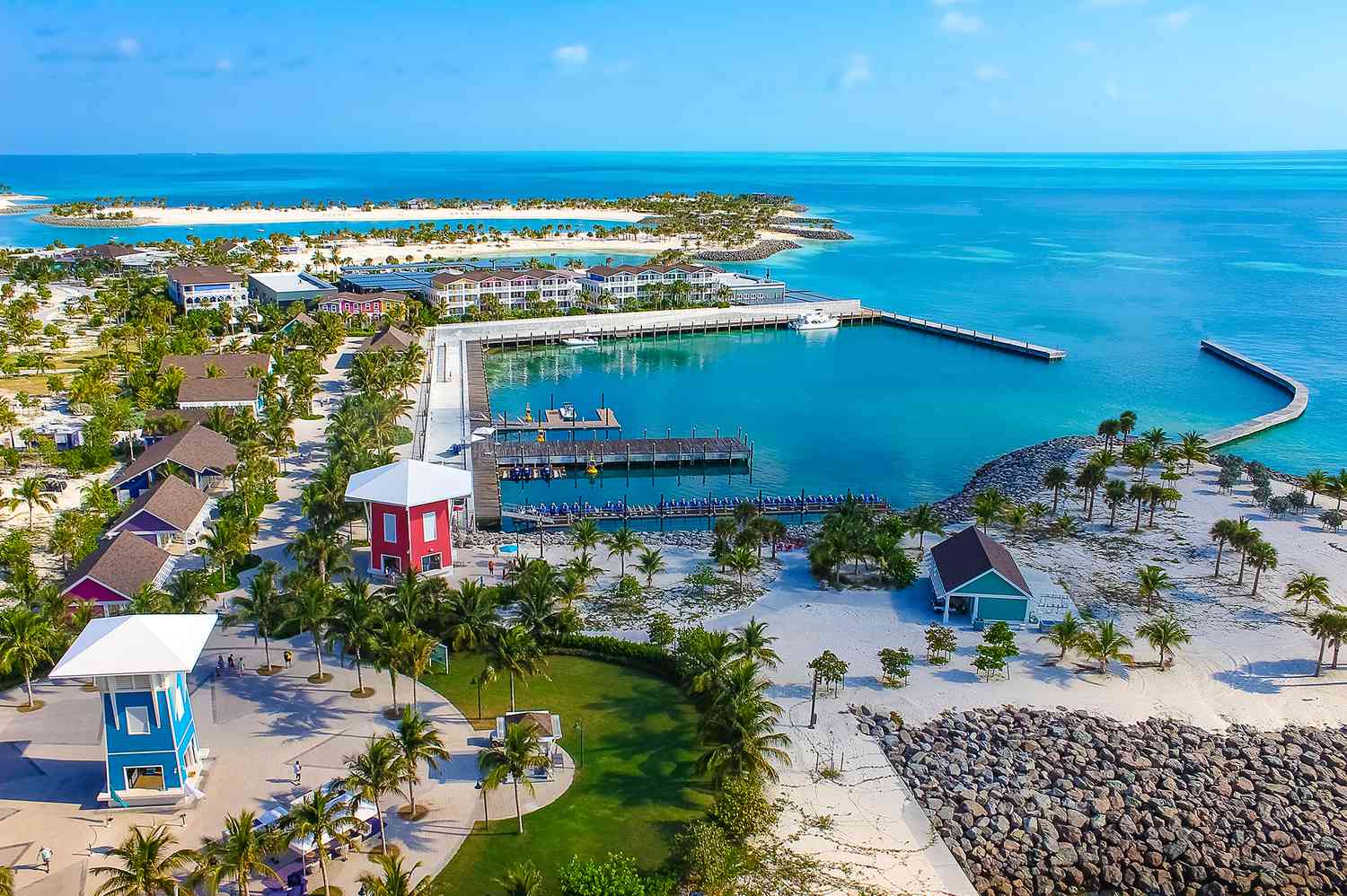
Image source: Travel + Leisure
What Are the Newest Private Island Openings for 2025 and 2026?
The timeline of recent openings shows a rapid acceleration of development. Between 2024 and 2026, the Bahamas has seen more capital investment from cruise lines than in the previous two decades combined. This "Unified Development Timeline" highlights the major milestones for travelers planning their next voyage.
These new sites are designed to solve a specific problem: overtourism in public ports. By diverting thousands of passengers to private, controlled environments, cruise lines can alleviate the strain on Nassau’s infrastructure while ensuring that every dollar spent on food, drinks, and excursions stays within their ecosystem.
Carnival Celebration Key and the Five Portals Concept
Carnival’s Celebration Key represents a significant step forward for the brand. Located on the south side of Grand Bahama, this $600 million project is designed to handle two Excel-class ships simultaneously. The layout is divided into five "portals," each catering to a specific demographic or mood. This zoning strategy ensures that families looking for high-energy fun do not overlap with adults seeking a quiet retreat.
The Calypso Lagoon serves as the adult-friendly portal, featuring a swim-up bar and DJ-led pool parties, while the Starfish Lagoon is dedicated to families with shallow water and play structures. The Paradise Plaza acts as the welcome center, providing a vibrant introduction to the island with live Bahamian music and retail options. This modular design allows Carnival to manage crowds effectively, even when nearly 12,000 passengers are on the island at once.
Royal Beach Club Paradise Island and the New Day Pass Model
Royal Caribbean’s development on Paradise Island marks a shift in strategy. Unlike CocoCay, which is a standalone port of call, the Royal Beach Club is an excursion-based destination located just across the harbor from Nassau. It utilizes a "Day Pass" model, where guests pay an upfront fee that typically includes transportation, beach access, and a Bahamian-style lunch.
This model is designed to remove the "à-la-carte friction" often associated with shore excursions. By bundling amenities into a single price, the cruise line provides a predictable, high-quality alternative to the public beaches in Nassau. The club features private cabanas, multiple pools, and a focus on local Bahamian flavors, positioning it as a top-tier choice for those who want a resort-style experience without the logistical hurdles of a full-day island stop.
Disney Lookout Cay at Lighthouse Point
Disney’s newest Bahamian destination, Lookout Cay at Lighthouse Point, emphasizes cultural immersion over traditional theme park thrills. The project, which cost between $250 million and $400 million, was developed in close collaboration with Bahamian artists and historians. The architecture and programming are deeply rooted in the Junkanoo tradition, offering guests a more authentic connection to the local heritage.
While the site includes the expected Disney amenities—such as character meet-and-greets and family play areas—it also features extensive nature trails and educational centers. This balance of entertainment and education is a hallmark of the Disney brand, making Lookout Cay a popular choice for families who value both relaxation and cultural enrichment.
How Do New Developments Differ From Traditional Private Islands?
The "old" model of a private island was relatively simple: a tender boat would drop passengers off at a beach where they could find a plastic lounge chair and a basic BBQ buffet. Today, that model has been replaced by what industry experts call the "steroids" effect. Patrick Scholes, an analyst at Truist Securities, noted in USA Today that Royal Caribbean’s massive investment in CocoCay forced every other line to upgrade their facilities to remain competitive.
Modern developments are characterized by permanent piers that eliminate the need for slow tender boats, allowing ships to dock directly. This increases the amount of time guests spend on the island and reduces the impact of weather-related cancellations. Furthermore, the amenities have shifted from basic beach gear to complex infrastructure, including high-speed Wi-Fi, sophisticated wastewater treatment plants, and massive freshwater lagoons that require constant filtration.
Another key difference is the revenue model. While basic beach access and food are often included, the most desirable experiences—such as overwater cabanas, thrill-park passes, and premium dining—are now paid add-ons. This allows cruise lines to offer a base experience that feels inclusive while providing "upsell" opportunities that can significantly increase the total cost of a vacation.
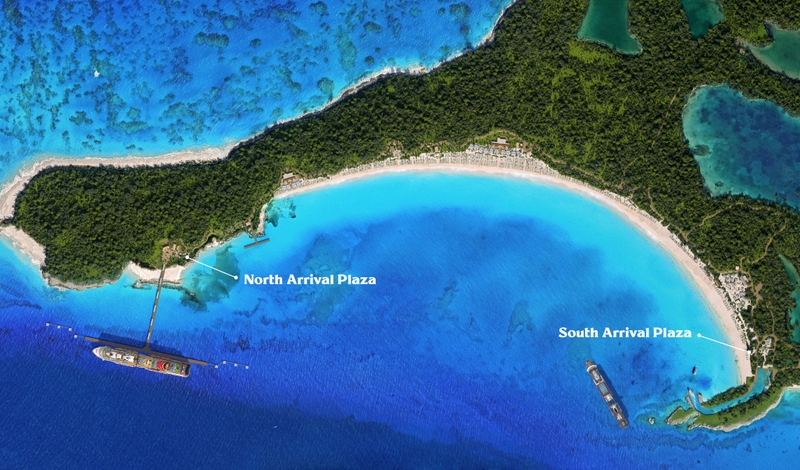
Image source: Carnival Cruise Line
Comparing the Costs and Amenities of Bahamian Private Islands
Choosing the right cruise often depends on which island is included in the itinerary. The following table provides a decision framework for comparing the most prominent Bahamian private destinations as of 2026.
| Island Name | Cruise Line | Access Model | Key Feature | Best For |
|---|---|---|---|---|
| Perfect Day at CocoCay | Royal Caribbean | Included* | Thrill Waterpark | Adrenaline Seekers |
| Celebration Key | Carnival | Included | Five Themed Portals | Diverse Age Groups |
| Ocean Cay | MSC Cruises | Included | Marine Reserve | Eco-Conscious Travelers |
| Royal Beach Club | Royal Caribbean | Day Pass | Proximity to Nassau | Luxury Day Trips |
| Lookout Cay | Disney | Included | Junkanoo Culture | Families & Art Lovers |
*Note: While basic access is included, specific attractions like waterparks and cabanas require additional fees.
What Are the Environmental and Social Impacts of These Developments?
The rapid expansion of private islands has not been without controversy. Environmental activists in the Bahamas have raised significant concerns regarding the impact of dredging and construction on coral reefs and local ecosystems. The development of Disney’s Lighthouse Point, for example, faced years of pushback from groups worried about the disruption of a pristine natural site.
However, some projects have demonstrated a more restorative approach. MSC Ocean Cay is a notable example of "Industrial-to-Eco" transformation. The site was previously used for sand mining, leaving the seabed scarred and the surrounding waters depleted of life. MSC invested heavily in removing industrial debris and planting thousands of corals, eventually earning the site a "Marine Reserve" designation. This suggests that with proper oversight, these developments can actually improve the local environment compared to their previous industrial uses.
Socially, the rise of private islands creates a tension with the local Bahamian economy. When passengers stay within a cruise line’s private enclave, they are not spending money at local shops, restaurants, or with independent tour operators in public ports like Nassau or Freeport. To mitigate this, the Bahamian government has negotiated for local employment guarantees and the inclusion of Bahamian vendors within the private islands, though the effectiveness of these measures remains a point of debate among local business owners.
How to Avoid the Pitfalls of Newly Opened Cruise Ports
Booking a cruise to a brand-new private island can be exciting, but it also carries risks. The "Unfinished Port" risk is a common issue where islands are marketed as fully functional, yet guests arrive to find construction crews still on-site and several amenities closed. This occurred during the inaugural seasons of several recent developments, leading to guest dissatisfaction.
Another pitfall is the "Capacity Crunch." While these islands are designed to hold thousands of people, the most popular areas—like the main pool or the free buffet—can become extremely crowded during peak hours. To avoid this, consider staying on the ship for the first few hours of the morning and heading to the island after the initial rush, or look for the "hidden" beach areas that are further away from the pier.
Frequently Asked Questions
The Bottom Line on Bahamian Private Islands
The "Battle for the Bahamas" has fundamentally changed the cruise experience, turning island stops into high-value resort days. As you plan your 2026 travel, keep these key takeaways in mind:
- Distinguish between "Included" and "Day Pass" models to avoid unexpected costs at the pier.
- Verify the completion status of any island opening in 2025 or 2026 before booking an inaugural sailing.
- Utilize themed "Portals" or zones to find the environment that matches your group's energy level.
- Consider the environmental history of the site, such as MSC Ocean Cay’s status as a marine reserve.
- Look for permanent piers if you want to avoid the hassle and potential cancellations of tender boats.
- Budget for premium add-ons like overwater cabanas if you want a truly secluded experience.
Before booking, compare the specific amenities of each island to ensure the destination aligns with your personal travel preferences.