Home
How Phoenix Development Agreements Are Reshaping the City in 2025 and 2026
Phoenix is currently navigating a transformative cycle driven by the 2025 Arizona Permitting Law and significant capital flow from the Phoenix IDA . Key priorities for 2026 include corporate relocations like the Republic Services HQ at CityNorth and a robust affordable housing pipeline featuring projects like Harmony at the Park Phase III and 2nd and Roosevelt . Developers must now adhere to strict new Ex Parte communication rules while leveraging "forward allocations" of federal HOME funds to accelerate groundbreaking timelines.
When researching 2026 strategic plans, many search results point to Phoenix, Oregon. This analysis focuses exclusively on Phoenix, Arizona , its metropolitan area, and the regulatory framework established by the Phoenix City Council and the Planning and Development Department (PDD). Ensure all legal filings reference Arizona municipal codes to avoid jurisdictional errors.
Why You Must Distinguish Between Phoenix Arizona and Phoenix Oregon
As the 2025-2026 fiscal cycle progresses, a common pitfall for investors and legal researchers is the geographic overlap in municipal documentation. According to recent search trends, several high-ranking strategic plans for "Phoenix 2026" actually belong to the smaller municipality in Oregon. For those operating in the Southwest, it is vital to confirm that all development agreements (DAs) are filed through the Phoenix Planning and Development Department (PDD) in Arizona.
The Arizona-based Phoenix is currently operating under a specific set of fiscal priorities approved by the City Council. The jurisdictional authority here is vast, covering one of the fastest-growing metropolitan areas in the United States. The 2025-2026 cycle is particularly significant as it marks the full implementation of state-level regulatory reforms intended to bypass local political friction in favor of administrative efficiency.
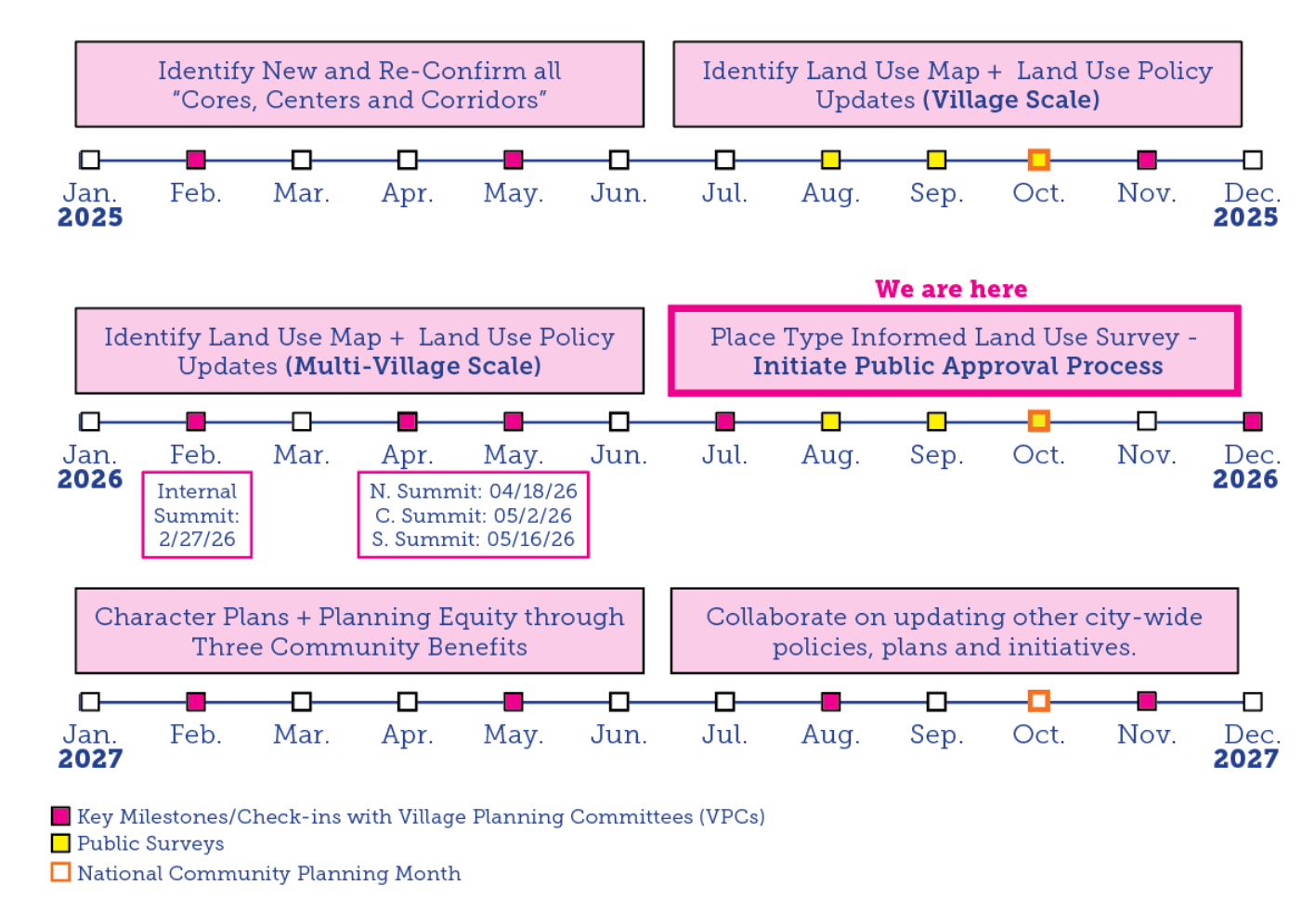
Image source: City of Phoenix
Major Corporate Relocations Moving to Phoenix Through 2026
One of the most significant drivers of the 2025-2026 development landscape is the expansion of the "second downtown" in North Phoenix. The City Council has authorized a major development agreement for the new headquarters of Republic Services . This project is situated within the CityNorth development, a massive mixed-use hub that continues to attract high-value corporate tenants.
The Republic Services Headquarters at CityNorth
The Republic Services deal represents a cornerstone of the city's economic strategy. By anchoring a major corporate headquarters in the North Valley, Phoenix is diversifying its economic centers away from the traditional downtown core. However, developers should note a critical distinction in the legal status of these deals. While the Council has provided the "Authorization to Negotiate," this does not equate to a final, executed contract. As noted in recent municipal filings, negotiations can occasionally stall if terms regarding infrastructure or tax incentives cannot be finalized.
Economic Impact and the 2026 Outlook
The CityNorth development is not just about office space; it is a catalyst for retail, hospitality, and high-density residential projects. For the 2026 cycle, investors are watching for "Executed" status on secondary agreements within the CityNorth footprint. This area is widely regarded as a top choice for firms looking to capitalize on the talent pool residing in the North Phoenix and Scottsdale corridors.
How the 2025 Arizona Permitting Law Changes Your Development Strategy
A significant advancement in Arizona real estate law occurred in 2025, fundamentally altering how development agreements are structured. The new state law was specifically designed to reduce "red tape" by streamlining the permitting process for new home construction. This shift is intended to lower development costs and accelerate the delivery of housing units to a market still facing a supply deficit.
The law introduces a critical shift from political to administrative approvals. In the past, many minor development tweaks required public hearings and council votes—processes often fraught with local political friction. The 2025 reform allows for more administrative sign-offs, provided the project meets pre-established zoning criteria. This is particularly impactful for "Middle Housing" projects, such as casitas and Accessory Dwelling Units (ADUs), which are a primary policy focus for the 2026 housing cycle.
Administrative Approvals
Bypasses local political friction for projects that meet existing zoning codes, significantly reducing time-to-market.
Middle Housing
Increased incentives for casitas, duplexes, and ADUs to address the "missing middle" in the Phoenix housing market.
Understanding the New Ex Parte Communication Rules for Developers
Navigating the legalities of the 2025-2026 cycle requires a deep understanding of communication ethics. A notable legal nuance highlighted by firms like Snell & Wilmer involves the distinction between legislative and quasi-judicial decisions. This distinction dictates who you can talk to and when.
| Decision Type | Example | Ex Parte Communication Rule |
|---|---|---|
| Legislative | General Rezoning | Generally permitted; private meetings with Council members are allowed. |
| Quasi-Judicial | Variances, Use Permits | Strictly prohibited; all communication must happen on the public record. |
Violating these rules in 2026 can lead to the immediate rejection of a development agreement or costly legal challenges from community groups. Developers are advised to maintain a transparent communication log and consult with legal counsel before scheduling private briefings with city officials regarding specific site variances.
Affordable Housing Projects Breaking Ground in 2026
The Phoenix affordable housing pipeline is exceptionally strong for the 2025-2026 period. The city is utilizing a mix of Low-Income Housing Tax Credits (LIHTC), private activity bonds, and federal grants to move projects from the drawing board to groundbreaking.
Harmony at the Park Phase III
Scheduled to open in Fall 2025 or early 2026 , this project is a model for mixed-income development. It includes 90 total units, distributed as follows:
- 26 Project-Based Voucher (PBV) units
- 29 LIHTC units
- 35 Market-rate units
Helen Drake Village and District 7 Projects
In the Alhambra neighborhood, Helen Drake Village broke ground in April 2026. This 80-unit senior housing project was facilitated by 2025 bond issuances. Meanwhile, in District 7, the 2nd and Roosevelt project stands out as a top-tier example of urban infill. This 60-unit senior housing development was awarded $2,000,000 in federal HOME funds and serves residents at or below 60% of the Area Median Income (AMI).

Image source: Eric Ravenscroft
How Forward Allocation of HOME Funds Accelerates 2026 Projects
A notably innovative strategy being employed by the City of Phoenix is the "forward allocation" of federal HOME funds. Essentially, the city is committing 2026 federal dollars to projects that are ready to begin in 2025. This strategy prevents projects from stalling due to annual budget cycles and allows developers to lock in construction costs before further inflation occurs.
To access these forward allocations, developers must align their projects with specific community priorities, such as permanent supportive housing for those experiencing homelessness or specialized units for seniors. The 2nd and Roosevelt project, with a total development cost of approximately $26.8 million, serves as a benchmark for how these funds are leveraged alongside private capital.
Phoenix IDA Facilitation of Over 400 Million Dollars in 2025
The Phoenix IDA (Industrial Development Authority) remains a powerhouse in the regional economy. In 2025, the IDA facilitated $432 million in total capital, which supported 10 major community projects and the creation of 794 affordable housing units. As of the April 2026 update, the IDA is signaling a continued focus on economic mobility and bioscience infrastructure.
This capital flow is a significant step forward for the city’s goal of becoming a global hub for sustainability and health sciences. For developers, the IDA offers a variety of financing tools, including tax-exempt bonds, that are often more favorable than traditional commercial lending in a high-interest-rate environment. The 2026 outlook suggests that the IDA will prioritize projects that demonstrate a high "social return on investment," particularly in underserved South Phoenix corridors.
What to Expect from Phoenix Planning and Development Process Improvements
The PDD has released a specific 2025 Process Improvements Report that outlines a technological roadmap for the 2026 calendar year. The goal is to reduce the time from the initial development agreement to the issuance of a certificate of occupancy. Key improvements include:
- Electronic Plan Review (EPR) Enhancements: New AI-assisted tools to flag code violations in digital blueprints before they reach a human reviewer.
- Concurrent Review Tracks: Allowing fire, water, and zoning departments to review plans simultaneously rather than sequentially.
- Self-Certification Expansion: Allowing highly qualified architects and engineers to self-certify certain structural elements to bypass city queues.
These procedural changes are expected to make Phoenix one of the most efficient major cities for development in the Western United States by late 2026. For developers, this means lower carrying costs and a more predictable construction schedule.
Key Takeaways for the 2025-2026 Cycle
- Verify Jurisdictions: Always ensure you are looking at Phoenix, Arizona records, not Phoenix, Oregon.
- Monitor Legistar: Track the status of "Authorized" agreements to ensure they reach "Executed" status before committing capital.
- Audit Communication: Strictly follow Ex Parte rules for quasi-judicial decisions like variances to avoid project delays.
- Leverage IDA Funding: Explore tax-exempt bond options through the Phoenix IDA, which facilitated over $400M recently.
- Target Middle Housing: Take advantage of the 2025 state law streamlining approvals for ADUs and casitas.
- Align with HOME Funds: Use forward allocations of federal funds by focusing on senior and supportive housing.
- Utilize EPR Tools: Adopt the PDD’s new electronic plan review steps to accelerate your 2026 groundbreaking.
Developers should immediately audit their 2026 project pipelines to ensure alignment with the new administrative approval tracks provided by the 2025 state regulatory reforms.
Frequently Asked Questions
- What is the status of the CityNorth development agreement for 2025?
- The CityNorth development remains a primary focus for the city, with the Republic Services Headquarters serving as a major anchor. While the City Council has authorized negotiations, developers should monitor the official Legistar portal for the "Executed" contract status, as final terms regarding infrastructure and incentives are still being finalized for some parcels within the development.
- How does the 2025 Arizona housing law affect local development agreements?
- The 2025 law significantly streamlines the process by shifting many approvals from a political (Council vote) to an administrative (Departmental sign-off) track. This is designed to reduce "red tape" and lower the overall cost of development, particularly for residential projects that meet existing zoning and building codes.
- Which Phoenix neighborhoods have the most development agreements for 2026?
- District 7 and the Alhambra neighborhood are currently seeing the highest density of new affordable housing agreements, including projects like 2nd and Roosevelt and Helen Drake Village. Additionally, North Phoenix continues to lead in corporate and mixed-use agreements centered around the CityNorth and Desert Ridge areas.
- What is the income cap for new affordable housing projects like 2nd and Roosevelt?
- According to the development agreement and HOME fund requirements, the 2nd and Roosevelt project is restricted to residents earning at or below 60% of the Area Median Income (AMI). This is a standard benchmark for many of the city's 2026 affordable housing initiatives supported by federal grants.
- How can I view official Phoenix development agreement public records?
- Official records can be accessed through two primary portals: the Phoenix Legistar system for City Council actions and the Planning and Development Department (PDD) portal for specific permit and plan review statuses. It is recommended to search by project name or parcel number for the most accurate 2026 data.
Disclaimer: All trademarks, copyrighted content, and quoted material referenced in this article belong to their respective owners. Brief excerpts are used under fair use (17 U.S.C. § 107) for purposes of commentary, criticism, and informational reporting. This article is not affiliated with or endorsed by the City of Phoenix or the Phoenix IDA.