Home
Prescott AZ Million Dollar Development Agreements Shaping the City Through 2026
As of late 2026, Prescott is transitioning from a high-intensity planning phase into a delivery and infrastructure execution phase. Key milestones include the March 2025 completion of the $41 million Montezuma Heights residential project and the January 8, 2026 groundbreaking of the Old City Hall Hotel. The city is currently operating under the 2026 Strategic Plan , which prioritizes tourism-centric redevelopment downtown and massive annexation implementation in North Prescott via the AED agreement.
The 2025-2026 Development Hand-off
The economic landscape in Prescott, Arizona, has undergone a significant shift over the last two years. While 2024 was characterized by intense negotiations and zoning approvals, the 2025-2026 cycle represents a "hand-off" from paper to pavement. This period is defined by the delivery of major residential units and the commencement of civic-scale infrastructure projects that will redefine the city's footprint for the next decade.
In 2025, the primary focus remained on residential delivery. With housing demand continuing to outpace supply, the completion of multi-family projects has been the city's top priority to stabilize the local market. As we move through 2026, the focus has pivoted toward tourism-centric redevelopment and long-term master planning. This shift is codified in the 2026 Strategic Plan , which serves as the operational roadmap for the current fiscal year.
Investors and residents alike are tracking over $41 million in active agreements that are currently reaching critical milestones. These agreements are not merely about building structures; they involve complex commitments for water rights, road expansions, and public trail systems that link new developments to Prescott's historic core.
What Are the Major Development Projects Finishing in 2025?
The standout achievement of the 2025 calendar year was the final delivery of the Montezuma Heights project. This development stands out as a top choice for urban living, situated just one mile from the historic Whiskey Row. The project represents a significant advancement in the city's effort to provide high-density housing near the downtown employment hub.
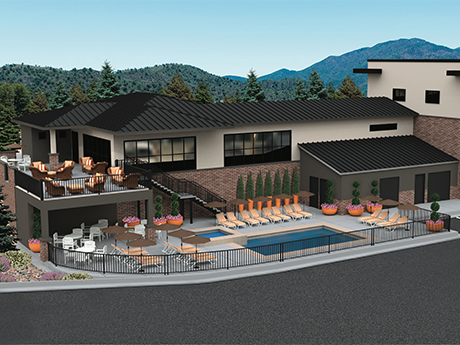
Image source: Multifamily & Affordable Housing Business
Montezuma Heights Deep Dive
According to Multifamily Affordable Housing reports , the $41 million investment resulted in 144 new residential units. The project was designed to address the "missing middle" of the housing market, though community debate continues regarding its impact on overall affordability. Key features of the Montezuma Heights agreement included:
- Trail Connectivity: A dedicated connection to the Granite Creek Park trail system, enhancing walkability.
- Infrastructure Upgrades: Million-dollar improvements to local sewage and water lines to support the increased density.
- Economic Impact: The addition of 144 households within walking distance of downtown businesses, providing a consistent customer base for local retail.
The completion in March 2025 marked the end of a multi-year construction cycle that faced various supply chain hurdles, eventually setting a high standard for multi-family design in the region.
How the Old City Hall Hotel Groundbreaking Signals a New Era for Downtown
If 2025 was the year of residential completion, 2026 is the year of civic transformation. One of the most anticipated events of the current year was the groundbreaking for the Old City Hall Hotel redevelopment on January 8, 2026. This project represents a strategic shift in how the city utilizes its most valuable land assets.
For decades, the Old City Hall served as a functional government building. Under the new development agreement, this historic site is being converted into a high-end boutique hotel. This move is intended to transition government-use land into tourism-revenue-generating land, a core goal of the city's economic initiatives. John Heiney, Director of Economic Initiatives, has noted that such projects are primary drivers for the 2026 fiscal year, bringing both construction jobs and long-term bed tax revenue to the municipal coffers.
Why the North Prescott AED Annexation Is the City's Largest Growth Driver
While downtown sees vertical growth, the North Prescott corridor is seeing horizontal expansion on a massive scale. The Arizona Eco Development (AED) agreement involves hundreds of acres along the Highway 89 and 89A junction. This area, often referred to as the "New North," is where the city's center of gravity is slowly shifting.
The AED agreement is notably innovative because of the balance it strikes between development and conservation. The influence of the "Save the Dells" movement was instrumental in shaping the final agreement, ensuring that hundreds of acres of the iconic Granite Dells remain protected as open space. In exchange, the development agreement allows for significant residential and commercial growth in designated zones.
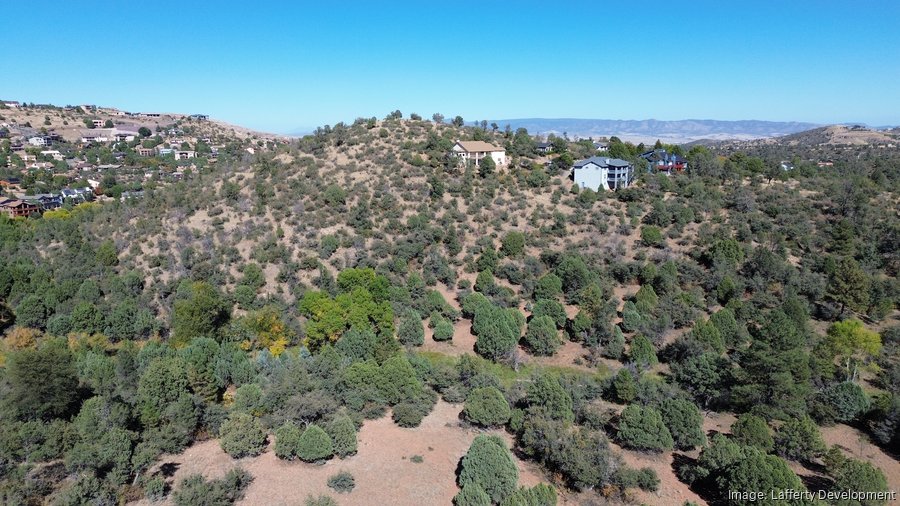
Image source: The Business Journals
The 2025-2026 implementation phase of the AED agreement focuses on million-dollar infrastructure commitments. These include:
- Road Expansion: Widening projects to handle increased traffic flow at the 89/89A interchange.
- Water Infrastructure: The construction of new water lines and storage tanks to service the annexed lands.
- Phased Delivery: A multi-year rollout of residential lots, with the first major phase of infrastructure reaching completion in late 2026.
Comparing Major 2025-2026 Development Agreements
To help stakeholders understand the scale and purpose of these projects, the following table compares the primary million-dollar agreements currently active in Prescott.
| Project Name | Total Investment | Key Milestone | Primary Use | Current Status |
|---|---|---|---|---|
| Montezuma Heights | $41 Million | March 2025 | Residential | Completed |
| Old City Hall Hotel | Multi-Million (Est.) | Jan 8, 2026 | Tourism/Hotel | Under Construction |
| AED Annexation (Ph. 1) | $10M+ (Infra) | Late 2026 | Mixed-Use | Infrastructure Phase |
| Rodeo Grounds Plan | TBD (CIP Funding) | June 30, 2026 | Civic/Cultural | Public Hearing Phase |
What to Expect from the 2026 Strategic Plan and Infrastructure Milestones
The 2026 Strategic Plan is the document that ties these disparate projects together. Unlike the long-term General Plan, the Strategic Plan focuses on the immediate 3-to-5-year window. Mayor Cathey Rusing’s 2026 addresses have consistently linked the city's development progress to the specific goals outlined in this roadmap.
One of the most critical components of the 2026 plan is the "Stress Test" of city services. As million-dollar developments come online, the demand for trash collection, road maintenance, and public safety increases. The city has allocated significant portions of the 2026 budget to ensure that service delivery does not lag behind physical growth. This includes the September 2026 General Plan Community Open House, where residents are invited to provide feedback on how the city should manage this rapid expansion through 2035.
How the Rodeo and Fairgrounds Master Plan Will Change West Prescott
West Prescott is also seeing its share of million-dollar implications through the Rodeo and Fairgrounds Master Plan. This project aims to modernize the historic rodeo grounds—home to the World's Oldest Rodeo—while maintaining its cultural heritage. The timeline reached a critical point on June 30, 2026, with the opening of the 60-day public comment period.
The vision for the grounds includes upgraded seating, improved animal welfare facilities, and multi-use spaces that can host events year-round. While the total cost is still being finalized, the potential for significant Capital Improvement Project (CIP) funding in the 2026-2027 budget is high. This project is widely considered one of the most culturally significant developments in recent history, as it balances modern economic needs with the city's deep-rooted Western identity.
Comparing Prescott and Prescott Valley Growth Strategies
It is impossible to discuss Prescott's development without looking at its neighbor, Prescott Valley. The two cities are increasingly coordinating on corridor management, particularly along Highway 69 and 89A. However, their strategies differ in key ways.
Prescott Valley is currently executing its General Plan 2035 , which was approved by 58.79% of voters. Their focus is heavily weighted toward water resource management and large-scale master-planned communities. According to AZBEX reports , Prescott Valley's master development plans often involve larger contiguous tracts of land compared to Prescott's more infill-oriented downtown projects.
The synergy between the two cities is vital for regional stability. As Prescott focuses on tourism and high-density downtown living, Prescott Valley provides the expansive residential base that supports the regional workforce. Both cities are currently facing the same challenge: ensuring that infrastructure—specifically water—can support the thousands of new residents expected by 2030.
Addressing Resident Concerns About Infrastructure and Housing Affordability
Despite the economic optimism, many residents have expressed frustration regarding the pace of growth. Community forums often highlight concerns about whether the city's infrastructure can keep up with million-dollar developments. Common complaints include service delays in trash collection and the maintenance of public spaces, such as unmowed lawns in city-managed areas.
There is also a growing "affordability gap." While projects like Montezuma Heights add much-needed units, the price points are often out of reach for the local service-industry workforce. The city's 2026 Strategic Plan attempts to address this by incentivizing "attainable housing," but the results remain to be seen. The tension between being a top-tier destination for retirees and investors versus a functional home for local workers remains the primary social challenge of the 2025-2026 cycle.
Frequently Asked Questions
Final Outlook for Prescott Residents and Investors
The 2025-2026 development cycle marks a pivotal moment in Prescott's history, shifting from a quiet mountain town to a more urbanized regional hub. Here are the key takeaways for stakeholders:
- Residential Delivery: The completion of 144 units at Montezuma Heights in March 2025 has set the stage for downtown density.
- Tourism Transformation: The Old City Hall Hotel groundbreaking in January 2026 signals a new focus on high-end tourism revenue.
- Northward Expansion: The AED agreement is successfully moving the city's economic center toward the Highway 89/89A junction.
- Infrastructure Stress: Maintaining city services like trash and road repair remains the primary community pain point during this growth.
- Civic Heritage: The Rodeo/Fairgrounds Master Plan ensures that modernization does not come at the expense of Prescott's Western identity.
- Regional Synergy: Coordination with Prescott Valley's General Plan 2035 is essential for long-term water and traffic management.
For those looking to engage with the city's future, participating in the ongoing General Plan 2035 public hearings is the most effective way to influence the next decade of development.