Home
How to Choose a Reliable Moving Company in Fort Collins Without Getting Scammed
Relocating in Northern Colorado requires more than just a truck; it demands an understanding of local surges and geographical constraints. To ensure a smooth transition, prioritize companies that offer transparent, no-deposit quotes and "one crew, one truck" service for long-distance hauls.
Moving is widely considered one of the most stressful life events, and in a rapidly growing city like Fort Collins, the logistical hurdles can be significant. Whether you are transitioning into a Victorian home in Old Town or moving a student into Colorado State University (CSU) housing, the choice of a moving company can make or break your experience. The Front Range market is saturated with options, ranging from national franchises to boutique local outfits, making it essential to distinguish between high-quality service and predatory practices.
According to local industry experts, the key to a successful relocation in Northern Colorado lies in timing and transparency. With over 280 miles of bike lanes and narrow historic streets, Fort Collins presents unique challenges that standard national carriers might overlook. This guide breaks down the costs, red flags, and local strategies necessary to hire a team that ranks among the top in the region.

Image source: Moving.com
What Does It Actually Cost to Hire Movers in Fort Collins?
Understanding the financial landscape of moving is the first step in avoiding "sticker shock" on delivery day. In Fort Collins, pricing models typically split into two categories: local hourly rates and long-distance weight-based estimates. While many residents seek the lowest possible price, the cheapest quote often masks hidden fees or lack of proper insurance coverage.
How Hourly Rates Work for Local Moves
For moves within the Fort Collins, Loveland, or Windsor area, most companies bill by the hour. A standard two-person crew with one truck generally ranges from $120 to $180 per hour, depending on the season. This rate usually includes the labor, the vehicle, and basic equipment like moving blankets and dollies. However, the clock typically starts when the truck leaves the dispatch office and ends when it returns, a practice known as "travel time."
It is important to note that local moves are highly sensitive to efficiency. A well-prepared homeowner who has already disassembled furniture and organized boxes can significantly reduce the total billable hours. Conversely, a "pack-on-the-go" approach can double the expected cost.
Why Long Distance Moves Use Weight and Mileage
If you are moving across state lines or more than 100 miles away, the pricing structure shifts. Interstate moves are regulated by federal law and are typically based on the total weight of your belongings and the distance traveled. A reputable moving company will provide a "binding estimate" after a physical or virtual walkthrough of your home.
One notable trend among top-rated Colorado movers is the "one crew, one truck" model. Unlike large national van lines that may transfer your items between multiple trucks and drivers at various hubs, local specialists often keep the same team from start to finish. This significantly reduces the risk of loss or damage during transit.
Hidden Fees You Might See on Your Final Bill
Transparency is a hallmark of a quality service provider. However, certain logistical realities can trigger additional charges. In Fort Collins, the "Long Carry" fee is common in Old Town. If the moving truck cannot park within 75 feet of your front door due to narrow streets or bike lane restrictions, companies may charge an extra fee for the additional labor required to transport items over a longer distance.
Other common add-ons include:
- Stair Fees: Charges for moves involving three or more flights of stairs.
- Bulky Item Fees: Extra costs for heavy items like gun safes, pianos, or hot tubs.
- Packing Materials: While labor is included, the cost of boxes, tape, and specialized crating is usually separate.
| Move Size | Estimated Hours | Local Cost Range | Long Distance (1,000 miles) |
|---|---|---|---|
| Studio / 1-Bedroom | 3–5 Hours | $450 – $800 | $2,200 – $3,500 |
| 2–3 Bedroom Home | 6–9 Hours | $900 – $1,600 | $4,500 – $7,000 |
| 4+ Bedroom Home | 10+ Hours | $1,800+ | $8,500 – $12,000+ |
How to Navigate Fort Collins Logistics Like a Local Expert
Fort Collins is not a "one-size-fits-all" city for logistics. The layout of the town, combined with the academic calendar of Colorado State University, creates specific windows of time where moving becomes exponentially more difficult. A top-tier mover will be aware of these nuances and plan accordingly.
Why You Should Avoid Moving During CSU Move-In Week
The late August surge is a well-known phenomenon in Northern Colorado. As thousands of students return to CSU, the demand for moving trucks and professional crews skyrockets. During the last two weeks of August, availability is virtually non-existent for those who haven't booked months in advance. Furthermore, traffic congestion around the university district can lead to increased hourly billings due to delays. If your schedule allows, aim for the "shoulder seasons" of October through April, where weather is often mild and mover availability is higher.
How to Handle Narrow Streets and Parking in Old Town
Old Town Fort Collins is famous for its Victorian-era charm, but its streets were designed for horse-drawn carriages, not 26-foot box trucks. Many residential blocks have restricted parking or are flanked by protected bike lanes. Navigating these requires a company that understands city permit requirements. In some cases, you may need to coordinate with the city to reserve parking spaces in front of your home to ensure the truck has a safe place to load. Failure to do so can result in significant "Long Carry" fees or even municipal fines.
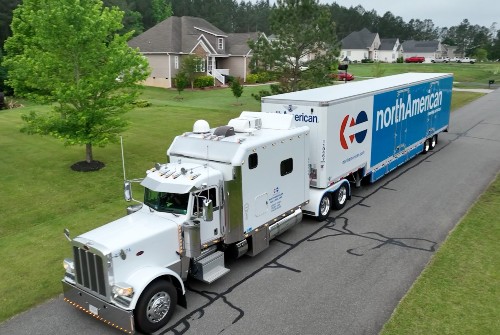
Image source: North American Van Lines
Moving Safely During Colorado Winter Weather
Colorado weather is notoriously unpredictable. A move scheduled for a sunny October morning can quickly turn into a blizzard by afternoon. Professional movers in the Front Range are generally equipped to handle snow and ice, but homeowners should take precautions. Ensure your driveway and walkways are shoveled and salted before the crew arrives. Most reputable companies, such as A Good Moving Company , maintain strict safety protocols for winter moves, but extreme conditions may occasionally require rescheduling to protect both the crew and your belongings.
Red Flags to Watch for When Getting Moving Quotes
The moving industry has unfortunately been plagued by "rogue movers" who provide low-ball estimates only to hold belongings hostage for higher fees. Protecting yourself requires a keen eye for specific warning signs during the quoting process.
Why You Should Be Wary of Large Upfront Deposits
A significant trust signal in the moving industry is the deposit policy. While some companies require a small booking fee to hold a date, you should be extremely cautious of any company demanding a large upfront deposit (more than 20% of the estimate). Many of the most respected local firms operate on a no-deposit basis, billing only after the work is completed. This ensures the company is incentivized to provide quality service and complete the job as promised.
How to Spot Fake Reviews and Paid Awards
In the digital age, reputation management has become a business of its own. Some companies use aggressive tactics to silence negative feedback or purchase "top company" placements in fluff publications. When researching, look for detailed, narrative-driven reviews on independent platforms rather than just star ratings. Be skeptical of companies that have hundreds of 5-star reviews all posted within a short timeframe, as this can indicate review manipulation. Community forums like Reddit or local Facebook groups often provide a more unfiltered look at a company's actual performance.
Why One Crew One Truck Matters for Long Distance
For long-distance relocations, the "hub-and-spoke" model used by many national chains is a common source of frustration. In this model, your items are picked up by a local crew, taken to a warehouse, and then loaded onto a larger trailer with other families' belongings. This process involves multiple handoffs, increasing the likelihood of damage. Companies like Fatboy Slims Moving often emphasize a dedicated truck and crew for the entire journey, which provides better accountability and faster delivery times.
Expert Packing Strategies That Save Time and Money
Packing is the most labor-intensive part of any move. While hiring professional packers is a luxury that many find worth the cost, doing it yourself can save hundreds of dollars if executed correctly. The goal is to maximize space while ensuring the safety of fragile items.
The "Do Not Pack" Zone: Designate one specific room or a large table as a "Do Not Pack" area. Use bright tape or a large sign to mark it. Place your keys, medications, important documents, and basic cleaning supplies here. Professional movers are trained to be efficient and will pack everything they see—including the trash can and the broiler pan—unless clearly instructed otherwise.
Why Packing Paper Beats Bubble Wrap for Most Items
Homeowners often over-purchase bubble wrap, which is bulky and expensive. Professional organizers, such as those at Heartwork Organizing , suggest that clean packing paper is actually a superior choice for the majority of household items. Paper is more economical, takes up less space in the box, and provides excellent cushioning for dishes and glassware when crumpled correctly. Reserve bubble wrap only for extremely fragile electronics or high-value artwork.
Labeling Your Boxes for the New House Layout
A common mistake is labeling boxes based on where they came from (e.g., "Old Kitchen"). Instead, label them based on their destination in the new home. To make this even easier for the movers, tape a sign to the door of each room in your new house that matches the labels on the boxes (e.g., "Bedroom 1," "Office"). This eliminates confusion and prevents the crew from having to ask you where every single box goes, which speeds up the unloading process and saves you money on hourly labor.
- Use small boxes for heavy items: Books and canned goods should never go in large boxes.
- Tape the bottom twice: Use a "H-pattern" of tape on the bottom of every box for structural integrity.
- Pack plates vertically: Like records in a crate, plates are less likely to break when standing on edge.
- Fill the gaps: Use towels or linens to fill empty spaces in boxes to prevent shifting.
Specialized Moving Scenarios in Northern Colorado
Not every move involves standard cardboard boxes and furniture. Fort Collins has a high concentration of specialized housing and professional needs that require a more tailored approach.
Moving Into Fort Collins 55 Plus Communities
Communities like Mackenzie Place or internal senior living facilities often have strict rules regarding moving hours and elevator usage. When hiring a crew for a senior relocation, look for teams that are noted for their patience and respect. These moves often involve significant downsizing, which can be emotionally taxing. A crew that understands the nuances of working within HOA-governed senior communities will ensure a much smoother transition.
Handling Heavy Items Like Pianos and Safes
Fort Collins is home to many musicians and outdoor enthusiasts, meaning pianos and large gun safes are common. These items require specialized equipment, such as heavy-duty dollies and lift-gate trucks. Never assume a standard moving crew can handle a grand piano or a 600-pound safe without prior notice. Always disclose these items during the quoting process to ensure the company sends the right equipment and enough personnel to handle the weight safely.
Government and SAM Registered Relocations
With nearby federal facilities and military presence, some residents may require movers who are registered in the System for Award Management (SAM). These companies are vetted to handle government-contracted relocations and understand the specific documentation required for reimbursement. If you are moving for a federal position, verify that your chosen company has the necessary credentials to facilitate a "Personally Procured Move" (PPM).

Image source: This Old House
Frequently Asked Questions
The Bottom Line for Your Fort Collins Move
Hiring a moving company in Northern Colorado doesn't have to be a gamble. By focusing on local expertise and transparent pricing, you can ensure a stress-free transition to your new home.
- Book early to avoid the late August CSU move-in surge and secure your preferred dates.
- Verify credentials by ensuring the company is licensed, insured, and bonded in the state of Colorado.
- Request a walkthrough for any move larger than a one-bedroom apartment to get a binding estimate.
- Designate a "Do Not Pack" zone to keep your essentials, keys, and documents safe and accessible.
- Ask about dedicated crews for long-distance moves to minimize the risk of damage from truck transfers.
- Check for hidden fees like Long Carry or stair charges, especially if moving into Old Town or an apartment.
Take the first step today by requesting written quotes from at least three local companies to compare their service models and availability.