Home
How to Choose a Top Rated Luggage Rack for Your Home or Vehicle
Elevate your guest experience and streamline your travel organization with the right suitcase stand. From sustainable bamboo to heavy-duty steel, we explore the technical specs and hygiene protocols you need to know.
A quality luggage rack serves two primary purposes: ergonomic convenience for packing and essential hygiene for the home. For guest rooms, a folding stand made of bamboo or powder-coated steel ranks among the top choices due to durability and ease of storage. When selecting a rack, prioritize models with a weight capacity of at least 150 lbs and ensure the feet are equipped with rubber or felt pads to protect your flooring. For automotive use, always verify that your rooftop basket does not exceed your vehicle's specific roof load rating.
Why Every Guest Room Needs a Folding Luggage Rack
Providing a dedicated space for luggage is a hallmark of thoughtful hospitality. When guests arrive, their first instinct is often to find a place to unpack. Without a luggage rack, they are frequently forced to use the bed, a chair, or the floor. Each of these options presents significant drawbacks, ranging from hygiene concerns to physical discomfort.
The Hospitality Factor
A luggage rack signals to your guests that you have considered their needs. It transforms a spare bedroom into a professional-feeling guest suite. According to boutique hospitality experts at Stay Luggage Racks , providing these amenities reduces the "clutter anxiety" guests feel when living out of a suitcase. It creates a designated zone for their belongings, keeping the rest of the room tidy and functional.
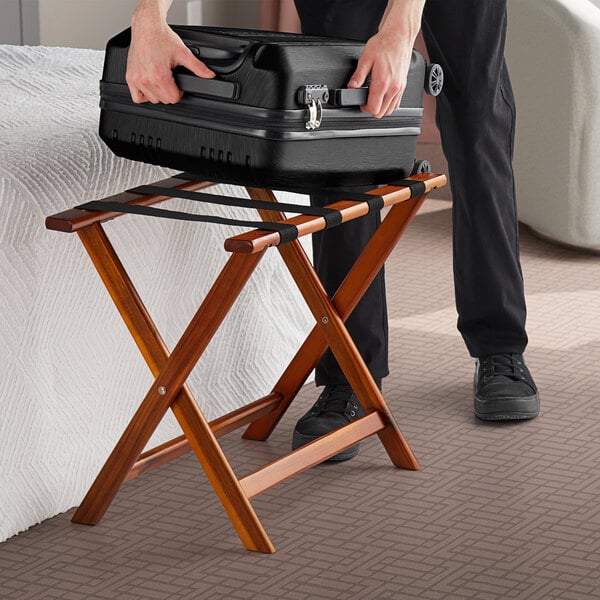
Image source: WebstaurantStore
Ergonomics of Packing and Unpacking
Bending over a suitcase on the floor is a recipe for back strain, particularly for older guests or those who have just spent hours traveling. Elevating the suitcase to waist height (typically around 19 to 20 inches) allows for a much more natural posture. This ergonomic advantage is one of the primary reasons these stands are standard in high-end hotels. By providing a stable, elevated platform, you make the transition into and out of your home significantly more comfortable for your visitors.
Protecting Your Furniture and Floors
Suitcases are rarely clean. They travel through airports, taxi trunks, and city streets, accumulating dirt, oils, and allergens. Placing a suitcase directly on a duvet or a decorative quilt can lead to staining and the transfer of bacteria. Furthermore, the wheels and hard edges of modern luggage can easily scratch hardwood floors or snag delicate carpets. A rack acts as a protective barrier, ensuring that the "outside world" stays off your expensive linens and flooring.
How to Prevent Bed Bugs and Keep Your Home Hygienic
One of the most overlooked benefits of a luggage rack is its role in pest management. Bed bugs are notorious hitchhikers, often traveling from hotels to homes via suitcases. By understanding the "Suitcase-to-Bed Pipeline," you can implement a protocol that significantly reduces the risk of an infestation.
Never place a suitcase directly on the bed or upholstered furniture upon returning from a trip. Instead, use a metal or smooth wood luggage rack. These materials are less hospitable to pests and easier to inspect than fabric surfaces.
The Suitcase-to-Bed Pipeline
Bed bugs seek out warmth and carbon dioxide, but they also require hiding spots. Upholstered headboards, mattresses, and even wooden bed frames with deep crevices are primary targets. When a suitcase is placed on a bed, any pests hiding in the luggage have a direct path to their preferred environment. Elevating the luggage on a stand—especially one placed away from the bed—creates a "moat" effect that makes it harder for pests to migrate.
Inspecting and Disinfecting Your Rack
While metal and bamboo are safer than fabric, you must still be vigilant. The straps of the rack—usually made of nylon or leather—are the most likely places for eggs or larvae to hide.
- Nylon Straps: Check the seams and the underside of the straps where they wrap around the frame.
- Metal Frames: Wipe down powder-coated steel with a mild disinfectant after each guest departs.
- Wood Frames: Use a wood-safe cleaner to ensure no residues are left behind.
Choosing the Right Material for Your Flooring and Decor
The material of your luggage rack dictates not only its aesthetic appeal but also its longevity and how it interacts with your home's surfaces. There is no single "perfect" material, but rather a set of trade-offs based on your specific needs.
Sustainable Bamboo and Solid Wood
Bamboo has become a popular choice for eco-conscious homeowners. It is lightweight, naturally moisture-resistant, and offers a modern, clean look. However, because bamboo is so light, these racks can sometimes slide on plush carpeting if they lack weighted feet. Solid woods like walnut and oak, often found at retailers like Scully & Scully , offer a more permanent, furniture-like feel. These are excellent for dedicated guest rooms where the rack remains visible even when not in use.
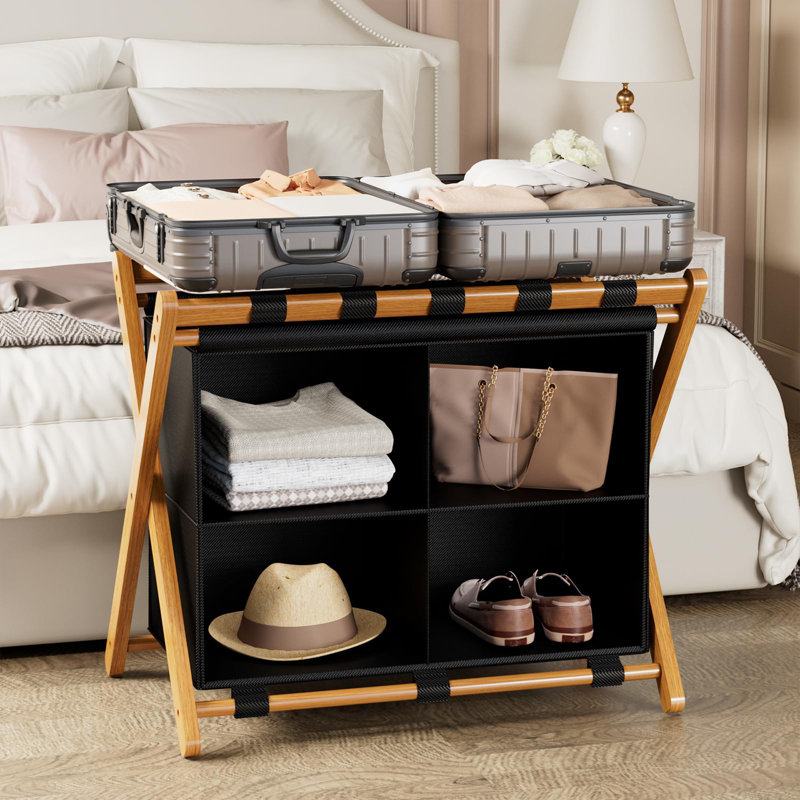
Image source: assets.wfcdn.com
Powder-Coated Steel and Stainless Steel
For heavy-duty use, steel is a top-performing option. Powder-coated finishes are resistant to scratching and rust, making them suitable for humid climates or high-traffic guest rooms. Stainless steel models, frequently used in commercial hotel settings, offer a sleek, industrial look and are exceptionally easy to sanitize. These are often the most durable options for travelers who use heavy, oversized suitcases.
Material Comparison Table
| Material | Durability | Weight Capacity | Floor Safety | Best Use Case |
|---|---|---|---|---|
| Bamboo | Moderate | ~150 lbs | Needs pads | Eco-friendly guest rooms |
| Powder-Coated Steel | High | 150 - 200 lbs | Usually has rubber feet | Heavy suitcases / Modern decor |
| Solid Walnut/Oak | High | 100 - 200 lbs | Check for felt pads | Luxury suites / Permanent use |
| Stainless Steel | Very High | 200+ lbs | Excellent | Commercial / High-traffic |
Understanding Weight Capacities for Different Luggage Rack Models
One of the most confusing aspects of buying a luggage rack is the conflicting data regarding weight limits. A suitcase packed for a two-week international trip can easily weigh 50 to 70 lbs, but the "dynamic load"—the force applied when the bag is dropped onto the rack—can be much higher.
The Weight Capacity Conflict
There is a notable discrepancy in reported weight limits across major brands. For instance, testing data from some travel publications suggests that certain walnut racks can handle up to 200 lbs. However, official specifications from retailers like West Elm for their standard models often list a more conservative 100 lb limit. This difference usually stems from how the weight is measured: static (sitting still) vs. dynamic (being moved or dropped).
A rack rated for 150 lbs may fail if a 75 lb suitcase is dropped onto it from a height of just a few inches. Always place bags gently to avoid stressing the hinges and straps.
Standard Limits by Category
Most budget-friendly steel racks, such as those found at Target , are rated for approximately 150 lbs on the top shelf and 20-30 lbs on a lower shoe shelf. Commercial-grade racks used in the hospitality industry are typically reinforced to handle 200 lbs or more. If you frequently host travelers with heavy gear, investing in a reinforced steel model is a wise decision to prevent structural failure over time.
How to Install and Secure a Luggage Rack on Your Vehicle
For many, a "luggage rack" refers to the cargo baskets and rails mounted on top of an SUV or van. These systems are essential for overlanding and long road trips, but they require a different set of safety considerations than home furniture.
The Double Weight Limit Rule
This is the most critical safety tip for automotive racks. You must consider two different weight ratings: the capacity of the rack itself and the dynamic roof load limit of your vehicle. As noted by experts at Piazza Honda , you must always follow the lower of the two numbers. If your rack is rated for 200 lbs but your car's roof is only rated for 150 lbs, your maximum safe load is 150 lbs. Exceeding this can lead to roof deformation or dangerous handling issues at high speeds.
Common Installation Pitfalls
Aftermarket racks often face "bolt pattern mismatches." Before purchasing, verify that the mounting brackets are compatible with your factory crossbars. Additionally, in coastal or rainy environments, ensure the rack has been treated with a UV-resistant and anti-rust coating. Rust can weaken the structural integrity of the mounting points, potentially leading to the rack detaching during transit.
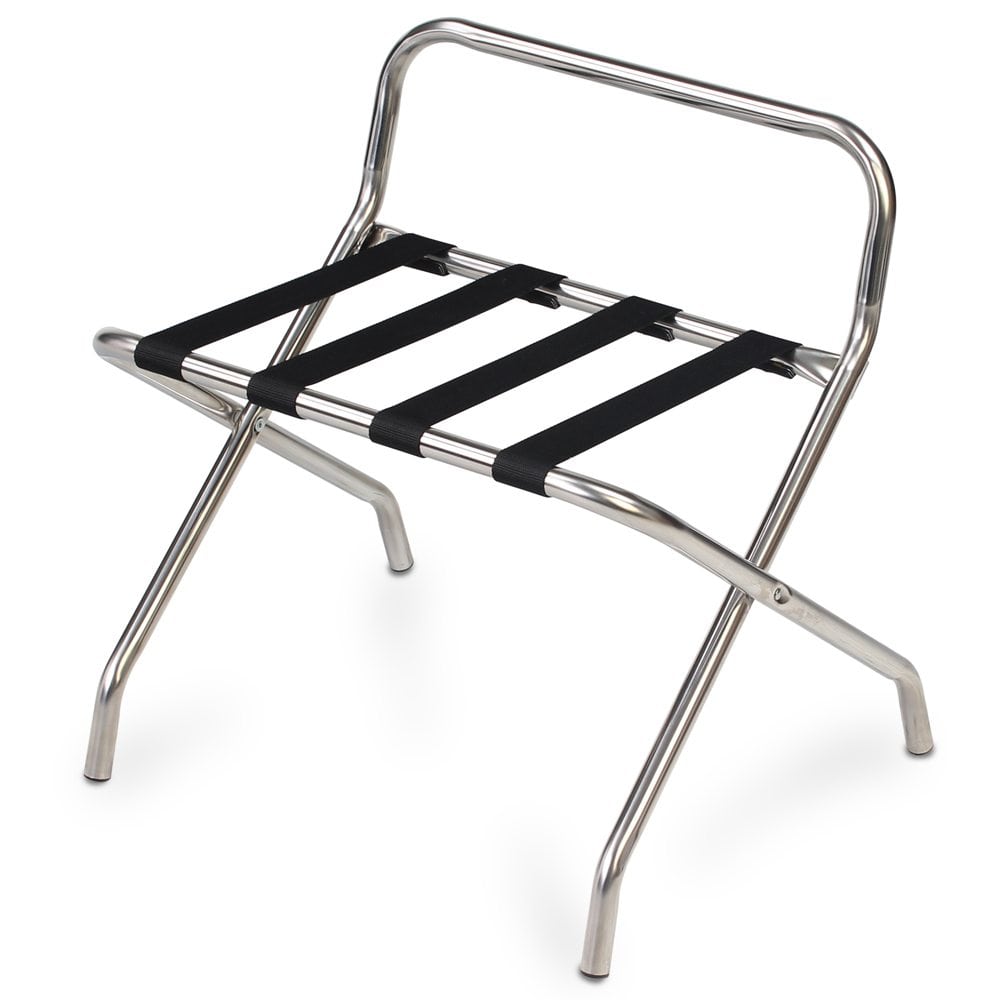
Image source: Forbes Industries
How to Fix a Wobbly or Weak Luggage Rack
Even a high-quality rack can develop issues over time. Hinges may loosen, or metal frames may begin to "spread" under heavy loads. Fortunately, most of these issues can be addressed with simple maintenance or community-sourced hacks.
The Crossbar Solution
Enthusiasts in travel communities have developed a clever fix for metal racks that show signs of fatigue. By adding a threaded aluminum rod between the lower legs of the rack, you can prevent the legs from spreading outward. This reinforcement significantly increases the lateral stability of the frame and can extend the life of a budget rack by several years. This is particularly useful for those using racks to hold heavy trunks or equipment cases.
Maintaining Hinges and Straps
If your folding rack feels wobbly, the culprit is usually a loose hinge bolt. Periodically check these points and tighten them with an Allen wrench or screwdriver. For worn-out nylon straps, consider upgrading to "Swiss Army" style leather straps. Leather is not only more aesthetically pleasing but also offers superior tensile strength and does not fray like nylon. Many vintage car owners prefer leather straps for their exterior racks due to their ability to withstand the elements while maintaining a classic look.
Frequently Asked Questions
Yes, they are particularly valuable in small spaces. Because they fold flat, they can be stored in a closet or under a bed when not in use. This allows you to provide a high-end amenity without permanently sacrificing floor space. It also prevents guests from using the bed as a packing station, which makes the room feel larger and more organized.
While any furniture in a high-traffic area can potentially harbor pests, luggage racks are generally safer than upholstered chairs or beds. Metal and smooth wood racks provide fewer hiding spots. However, you should always inspect the seams of the straps before placing your bag on them. Using a rack is still significantly safer than placing your suitcase on the hotel carpet or bed.
Most racks stand between 19 and 22 inches tall. This height is designed to align with the average person's waist when they are standing, making it easy to reach into a suitcase without bending over. If you have particularly tall guests, look for a model on the higher end of that spectrum to maximize ergonomic benefits.
Check the feet of the rack. Many budget models come with hard plastic caps that can still cause scratches. The most effective solution is to apply adhesive felt pads or replace the caps with rubberized feet. For bamboo racks, which are very light, rubber feet also provide necessary grip to prevent the rack from sliding when a bag is placed on it.
It depends on the weight of the trunk. Most standard home racks are rated for 100-150 lbs. If your trunk exceeds this, or if you plan to store it on the rack permanently, you should look for a heavy-duty commercial steel model. Permanent storage creates a "static load" that can cause wood frames to warp or nylon straps to stretch over time.
Key Takeaways for Choosing Your Luggage Rack
Selecting the right luggage rack is a balance of aesthetics, hygiene, and structural integrity. Whether you are outfitting a guest room or preparing for a cross-country drive, keep these essential points in mind:
- Prioritize hygiene by choosing metal or smooth wood materials that are easy to inspect for pests.
- Verify weight limits against your specific needs, keeping in mind the difference between static and dynamic loads.
- Protect your flooring by ensuring the rack has rubber or felt feet, especially for hardwood surfaces.
- Follow the Double Weight Limit Rule for vehicle racks to ensure the safety of your car's roof structure.
- Consider folding designs for home use to maximize space and maintain a clutter-free guest environment.
- Reinforce weak frames using the "Crossbar Solution" if you plan on supporting exceptionally heavy gear.
Before your next guest arrives, take a moment to inspect your rack's hinges and straps to ensure a safe and welcoming experience.