Home
Home
How to Choose the Right Young Explorers Program or Toy for Your Child
What Does the Term Young Explorers Actually Refer To?
Navigating the "Young Explorers" landscape can be confusing because the name is shared by several highly respected but unrelated entities. To find exactly what you need, it is helpful to understand the four primary branches of this ecosystem. Each serves a different developmental stage and educational goal, from early childhood play to professional career development.
The retail branch is perhaps the most widely recognized, known for providing award-winning STEM toys and outdoor gear. However, for families in the Midwest, the name often signifies a specific network of Montessori schools that have served over 3,000 families. Meanwhile, the homeschooling community identifies the term with a rigorous science series, and university students look to it as a gateway for global conservation funding.
| Entity Type | Primary Focus | Target Age | Key Characteristic |
|---|---|---|---|
| Retail Catalog | STEM & Outdoor Toys | 3 – 12 Years | Award-winning educational gear |
| Montessori Schools | Early Education | 6 Weeks – 6 Years | STREAM-based sensory learning |
| Science Curriculum | Homeschool Academics | 6 – 12 Years | Visual-heavy science modules |
| NatGeo Program | Global Leadership | 18 – 25 Years | Conservation & research grants |
The Young Explorer Life Cycle from Toddler Play to Global Leadership
One of the most effective ways to view these programs is through a "Life Cycle" framework. Rather than seeing these as isolated products or schools, parents can view them as a progression of skills. This unique synthesis shows how a child moves from basic sensory awareness to technical mastery and, eventually, to making a global impact.
Phase 1 for Ages 2 to 6 focuses on sensory exploration
In the earliest years, exploration is about the five senses. Programs like the Young Explorers Montessori schools emphasize self-paced discovery. Instead of sitting at desks, children interact with their environment. Gear at this stage is simple but durable: 6x magnification bug catchers, safari vests with multiple pockets, and pop-up tents that transform a living room into a base camp. The goal here is not to memorize facts, but to foster a sense of wonder about the natural world.
Phase 2 for Ages 7 to 12 emphasizes technical mastery
As children enter elementary school, their curiosity becomes more technical. They want to know how things work. This is the ideal time to introduce structured science kits and university-led programs. For instance, Kent State University offers "Smart City" camps where students use LEGO Spike robots and 3D printing to solve urban challenges. At this stage, the "Young Explorer" is no longer just observing; they are building, coding, and experimenting with air-powered rockets and high-magnification microscopes.
Phase 3 for Ages 13 to 17 builds community leadership
During the teenage years, exploration shifts from the individual to the collective. Programs like the Global STEAM Explorers connect classrooms across different cultures to tackle real-world challenges. Teens use their technical skills to lead community projects, such as water quality testing or local wildlife mapping. This phase bridges the gap between being a student and being a professional contributor to the scientific community.
Phase 4 for Ages 18 to 25 targets global impact
The final stage of the life cycle is professional-grade exploration. The National Geographic Young Explorers program provides funding for young adults to conduct field research. This is a highly selective tier, often choosing only 15 leaders annually. These individuals are not just learning about the world; they are actively working to save it through conservation, scientific innovation, and professional storytelling.
Where to Find Top Rated Young Explorers Toys and STEM Kits
Finding the right gear is essential for fostering a child's curiosity. While the primary retail brand has a long history of providing high-quality materials, the shopping landscape has changed recently due to technical shifts in the market.
What to Do if the Young Explorers Retail Website Is Down
If you are looking for the specific "Award Winning Toys" catalog and find the site inaccessible, do not worry. Most of the popular items—like the voice changers, 400x microscopes, and crystal growing kits—are manufactured by partner brands that are available through other educational retailers. Look for brands that carry the Global Recycled Standard (GRS) certification, which ensures the toys are made from at least 50% recycled materials and follow strict safety guidelines.
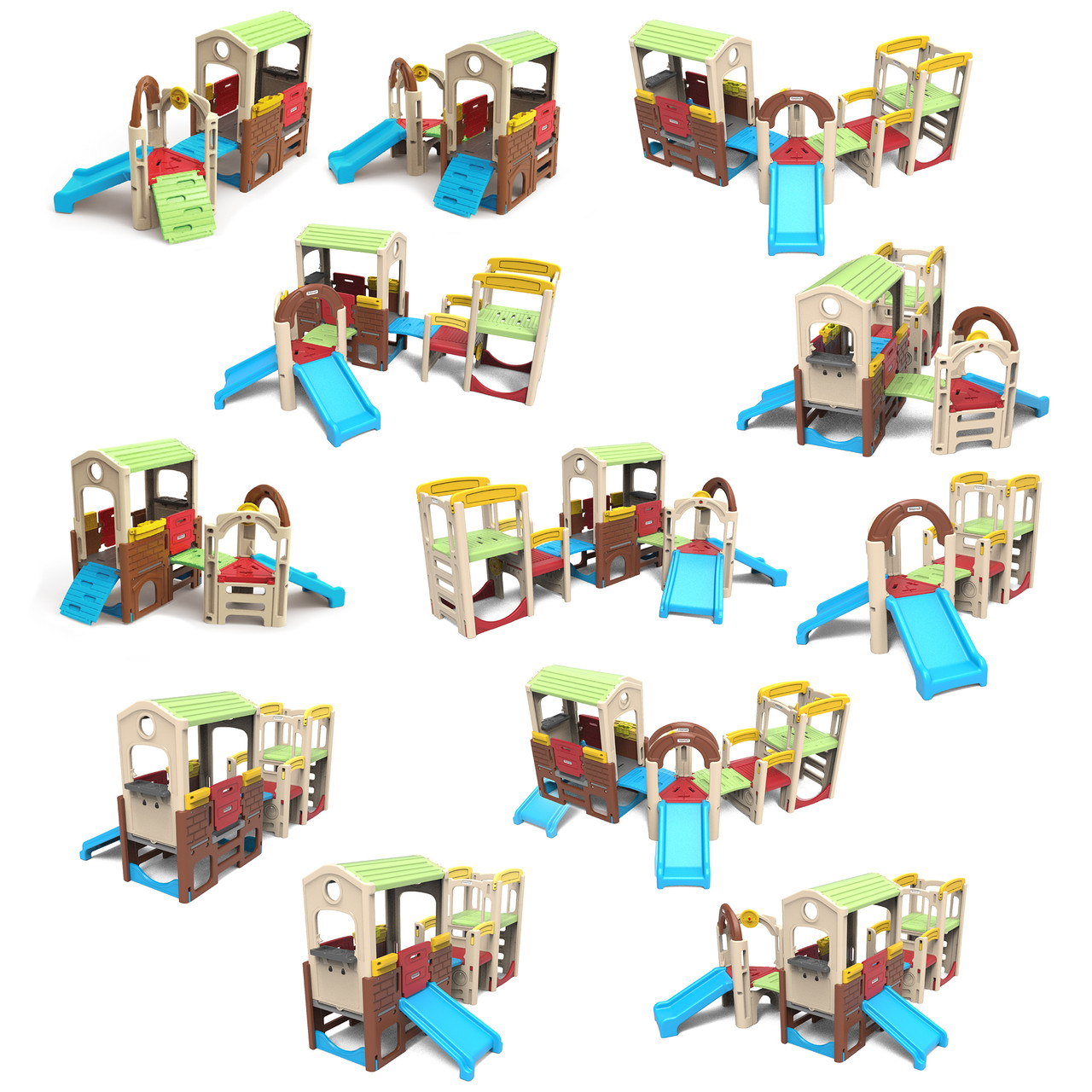
Image source: Simplay3
Top Rated Gear for Early Elementary Explorers
For children aged 5 to 8, the focus should be on durability and ease of use. A top-tier explorer kit typically includes:
- Safari Vests: Look for canvas materials with at least four functional pockets for storing specimens.
- Bug Catchers: Choose models with 6x magnification and breathable lids to ensure the safety of the insects.
- Binoculars: Focus-free models are often a top choice for younger children who struggle with manual adjustments.
Advanced Science Kits for Upper Elementary Students
Older children require gear that produces measurable results. Air-powered rockets with a 100-foot range allow students to study physics and trajectory. Microscopes with 400x magnification are exceptionally strong tools for introducing cellular biology. These kits move beyond "play" and into the realm of genuine scientific inquiry, providing a foundation for middle school lab work.
How the Young Explorers Montessori Philosophy Shapes Early Learning
In Ohio, the Young Explorers name is synonymous with a specific educational philosophy. These schools utilize a Montessori approach that focuses on the "whole child," ensuring that emotional and social development are prioritized alongside academics.
Understanding the Heart and Mind Montessori Framework
The "Heart & Mind©" program is a unique framework used in these schools to teach relationship-building. It operates on the belief that children who understand their own emotions and can empathize with others are better equipped to lead. This Judeo-Christian Montessori approach emphasizes community influence and character development, creating a classroom environment where children feel safe to take risks and explore new ideas.
How the STREAM Method Expands Traditional STEM
While many schools focus on STEM (Science, Technology, Engineering, and Math), Young Explorers programs often utilize the STREAM method. This adds two critical components to the mix:
- Reading
- Integrating literacy into science ensures that children can communicate their findings and understand complex instructions.
- Arts
- Creative expression allows children to visualize scientific concepts and design innovative solutions to engineering problems.
Mastering the Young Explorer Series Science Curriculum for Homeschooling
For families who choose to educate at home, the Young Explorer Series by Apologia is widely considered one of the best options for elementary science. This curriculum is designed to be immersive, focusing on one major subject for an entire year rather than skimming through multiple topics.
Core Subjects Covered in the Young Explorer Series
The series is divided into several modules, each featuring colorful illustrations and real-world applications. Popular subjects include:
- Astronomy: A deep dive into the solar system and the physics of space.
- Botany: Exploring the life cycle of plants and their role in the ecosystem.
- Zoology: Detailed studies of birds, mammals, and aquatic life.
- Anatomy: A kid-friendly look at how the human body functions.
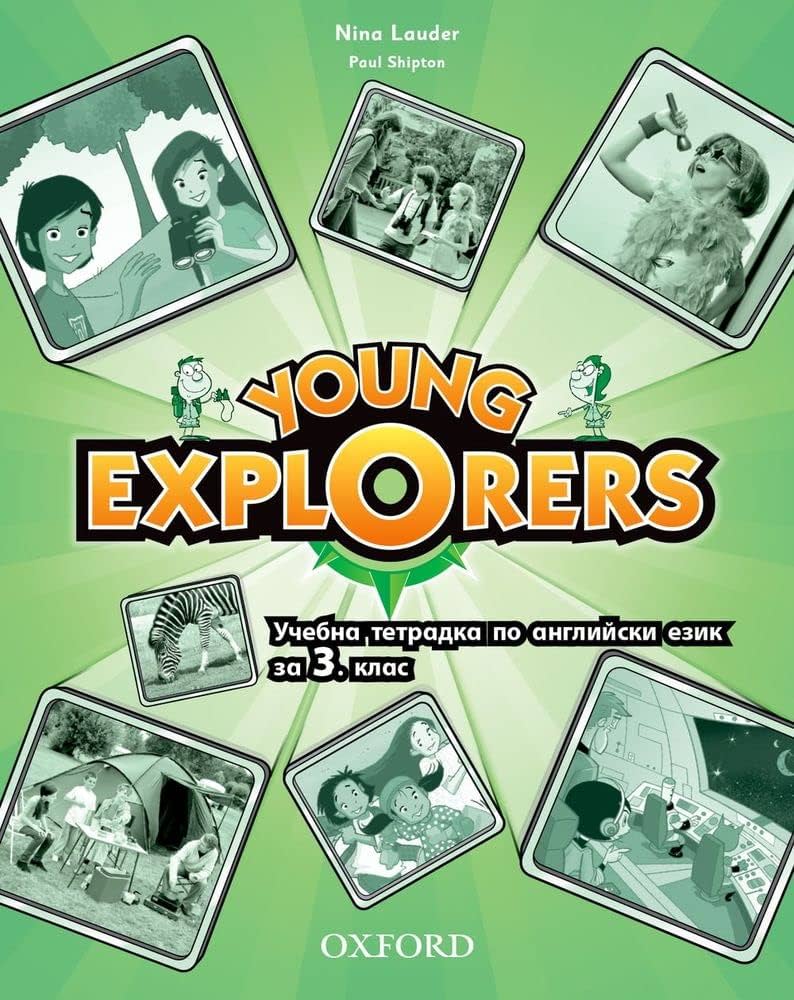
Image source: Amazon.com
How to Apply for the National Geographic Young Explorers Grant
For young adults aged 18 to 25, the "Young Explorer" title is a professional distinction. This program is designed to support the next generation of scientists, conservationists, and storytellers. It is not just a scholarship; it is a partnership with one of the most prestigious scientific organizations in the world.
Eligibility Requirements for the 18 to 25 Age Bracket
To be considered, applicants must demonstrate a clear project plan that aligns with National Geographic’s mission. This includes projects focused on wildlife conservation, ocean health, or cultural preservation. The program looks for individuals who are not only doing the work but are also capable of communicating their findings to a global audience through photography, film, or writing.
The Competitive Reality of Becoming a National Geographic Grantee
It is important to note that this program is highly competitive. With only about 15 leaders selected each year, the application process is rigorous. Successful candidates often have a history of local leadership and a unique perspective on a global problem. However, for those who are selected, the grant provides a top-tier platform to launch a career in global exploration.
Why Making Mistakes Is the Most Important Part of Being an Explorer
A common pitfall for parents and educators is the desire to ensure every experiment is a success. However, the Young Explorers Club Forum emphasizes that mistakes are the most effective way to learn. This "mistake-driven" philosophy encourages children to analyze why something failed rather than just trying again blindly.
How to Facilitate Exploration Without Hovering
To raise a resilient explorer, adults must learn to step back. This means providing the tools and a safe environment, but allowing the child to lead the process. If a bug escapes or a rocket fails to launch, resist the urge to fix it immediately. Instead, ask questions: "What happened differently than you expected?" or "What could we change in the next attempt?"
Turning a Failed Science Experiment Into a Learning Moment
A failed experiment is actually a successful data point. In professional science, knowing what doesn't work is just as valuable as knowing what does. By framing failures as "quality data," you help children develop the grit and critical thinking skills necessary for advanced scientific study. This mindset is what separates a casual hobbyist from a true explorer.
Exploring Through Tabletop Gaming and Social Strategy
Exploration isn't limited to the outdoors or the lab. Many "Young Explorers" hubs have become popular centers for tabletop gaming. Games like Magic: The Gathering (MTG) and Dungeons & Dragons (D&D) offer a different kind of exploration: the exploration of strategy, social dynamics, and complex systems.
These games develop critical thinking and problem-solving skills that are remarkably similar to those used in STEM fields. Players must manage resources, predict opponent behavior, and adapt to changing circumstances. For many children, these games are a gateway to a lifelong love of logic and strategy, proving that the spirit of exploration can thrive just as well at a table as it does in the field.
Frequently Asked Questions
Is the Young Explorers toy website safe to use right now?
While the brand has a long-standing reputation for quality, the primary website (youngexplorers.com) has recently experienced technical issues, including "Code 500" errors during checkout. If you are concerned about security or site stability, it is a top choice to shop through established third-party retailers like Timberdoodle or Amazon, which carry many of the same award-winning STEM products and offer robust consumer protections.
What is the difference between STEM and STREAM in Young Explorers schools?
Traditional STEM focuses on Science, Technology, Engineering, and Math. The STREAM method, used by many Young Explorers Montessori programs, adds Reading and Arts to the curriculum. This expansion recognizes that literacy and creative design are essential for modern scientific success. By including these subjects, the program ensures that children can not only solve technical problems but also communicate their solutions effectively and think outside the box.
How much do Young Explorers summer camps cost?
Costs vary depending on the location and the level of technical equipment provided. For example, university-led "Young Explorer" camps, such as those at Kent State, typically cost around $200 per week. These fees generally cover all materials, including access to robotics kits, 3D printers, and specialized software. Local Montessori-based day camps may have different pricing structures based on their specific enrichment offerings.
Can I use the Young Explorer science series for high schoolers?
The Young Explorer Series by Apologia is specifically designed for elementary-aged students (K-6). While the content is rich and visually engaging, it does not meet the rigorous lab requirements or depth of study needed for high school credit. For older students, it is recommended to transition to the "Exploring Creation" series, which is tailored for the academic needs of middle and high school learners.
Are Young Explorers toys made from recycled materials?
Many modern toys in this category are moving toward sustainability. Look for products that are certified by the Global Recycled Standard (GRS). This certification requires that at least 50% of the toy is made from recycled materials and that the manufacturing process adheres to strict environmental and chemical safety standards. This is a popular choice for eco-conscious parents who want to foster a love for nature while also protecting it.
Key Takeaways for Raising a Lifelong Explorer
Raising a child who is curious, resilient, and scientifically minded requires a multi-faceted approach that evolves as they grow.
- Identify your path by distinguishing between the retail toys, Montessori schools, and academic curriculum.
- Follow the Life Cycle by starting with sensory play and progressing toward technical mastery and leadership.
- Prioritize durability in gear, choosing top-rated tools like 6x bug catchers and 400x microscopes.
- Embrace the STREAM method to ensure your child develops strong reading and artistic skills alongside science.
- Encourage mistake-driven learning by letting children fail safely and analyze their results.
- Look for sustainability by choosing toys with GRS certification to teach environmental responsibility.
- Seek professional grants like the NatGeo program for young adults ready to make a global impact.
Start by providing your child with one simple tool, like a magnifying glass or a basic bug kit, and let their natural curiosity lead the way.