Home
How to Contact Central Main Street Directors and Community Development Staff
Director: Khayla Gaston (Mainstreet 2030)
Phone: 225-262-5000
Coordinator: Brooke Fox
Location: Oceanside, CA
Director: Eduardo Rodriguez
Phone: 213-482-8618
Navigating the leadership structure of community and economic development can be complex, especially when multiple organizations share similar names. Whether you are a business owner seeking a facade improvement grant, a developer looking for zoning information, or a resident interested in the "Mainstreet 2030" vision, reaching the correct director is the first step toward success. This guide provides a comprehensive directory for the primary entities associated with "Central Main Street" and outlines the specific roles of their staff members.
Community development is not a monolithic field; it is a collaborative effort between municipal government departments and nonprofit advocacy groups. Organizations like the City of Central's Community Development department handle the regulatory side, while state-level coordinators like California Main Street provide the strategic framework for local revitalization. Understanding these distinctions ensures your inquiries are handled efficiently by the right personnel.
Which Central Main Street Organization Are You Looking For?
Because "Central Main Street" is a common term used across different geographic regions, users often encounter ambiguity when searching for contact details. The following decision matrix helps you identify the correct office based on your location and specific needs. This framework is essential for distinguishing between municipal government services and nonprofit community support programs.
| Entity Name | Geographic Focus | Primary Function | Key Contact |
|---|---|---|---|
| City of Central (Louisiana) | Central, LA | Planning, Zoning, Mainstreet 2030 | Khayla Gaston |
| California Main Street (CAMS) | Statewide (California) | Revitalization Support, Training | Brooke Fox |
| Central City Neighborhood Partners | Los Angeles, CA | Social Services, Economic Opportunity | Eduardo Rodriguez |
| Main Street America | National (USA) | National Standards & Advocacy | Resource Hub |
Identifying the correct office is critical because their jurisdictions and capabilities differ significantly. For instance, a municipal director in Louisiana cannot assist with a business permit in California, even if both programs utilize the "Main Street" branding. Always verify the physical address and the specific mission of the organization before initiating a formal request for assistance or funding.
Contact Information for the City of Central Community Development (Louisiana)
The City of Central, Louisiana, operates a robust Community Development department that serves as the primary hub for the "Mainstreet 2030" initiative. This department is responsible for the long-term planning of the city's physical and economic landscape, focusing on flood control, civic spaces, and commercial corridor revitalization. The staff here are the gatekeepers for building codes, planning approvals, and development services.
Leadership and Key Personnel
The visionary leadership for the Mainstreet 2030 plan is often associated with Khayla Gaston , who has been instrumental in communicating the city's future goals through public outreach and strategic planning. The department focuses on creating a sustainable and vibrant community that balances modern development with the unique environmental needs of the Louisiana landscape.
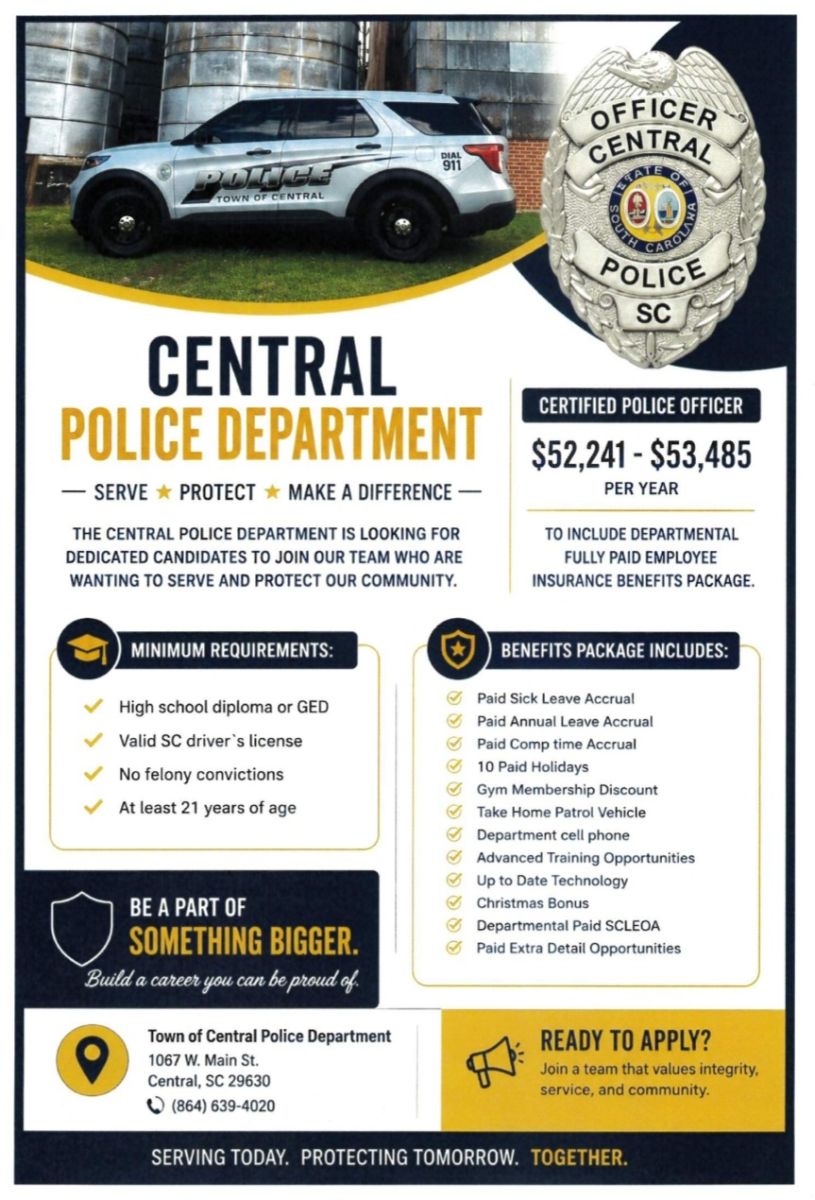
Image source: Town of Central
Direct Contact Details
- Physical Address: 11530 Sullivan Rd., Central, LA 70818
- Phone Number: 225-262-5000
- Department Focus: Building permits, code enforcement, planning, and development services.
The Mainstreet 2030 initiative is a significant advancement for the region, aiming to transform the Sullivan Road corridor into a walkable, flood-resilient civic heart. Business owners interested in this plan should contact the department to learn how their properties align with the future zoning and design standards established by the city leadership.
California Main Street Leadership and State Coordination
For those located in the Western United States, "Central Main Street" often refers to the broader network supported by California Main Street (CAMS) . Unlike a city department, CAMS is a statewide nonprofit organization that provides technical assistance, training, and advocacy for local Main Street programs. They act as the bridge between the National Main Street Center and local 501(c)3 revitalization organizations.
Executive Staff Directory
The leadership at California Main Street is lean but highly effective, focusing on statewide impact and resource allocation. Key personnel include:
- Brooke Fox: State Coordinator. Brooke oversees the strategic direction of the organization and manages relationships with local program directors across the state.
- Sarah Baird: A key member of the leadership team who assists in program implementation and stakeholder engagement.
According to California Main Street's professional data , the organization typically operates with a small team of 2 to 10 employees, which is the industry standard for state-level coordinating programs. This lean structure allows them to remain agile while supporting dozens of local communities.
Headquarters and Regional Reach
- Address: 701 Mission Ave, Oceanside, CA 92054
- Role: Supporting local programs in implementing the Four-Point Approach to revitalization.
If you are a local program manager or a city official looking to start a Main Street program in California, Brooke Fox is the primary point of contact for accreditation and training resources. CAMS does not handle local permits but provides the "Transformation Strategies" that help local boards succeed.
Central City Neighborhood Partners Staff and Operations (Los Angeles)
In the heart of Los Angeles, Central City Neighborhood Partners (CCNP) serves the Westlake and Pico-Union communities. While their name includes "Central City," their mission is deeply rooted in social equity, economic opportunity, and family support services. They are a vital resource for residents and small business owners in one of LA's most densely populated corridors.
Executive Leadership Team
The staff at CCNP are dedicated to community empowerment through a variety of programs ranging from financial literacy to youth development. The leadership team includes:
- Eduardo Rodriguez: Executive Director. Eduardo leads the organization’s mission to provide systemic change and economic stability for local families.
- Sandra Bonneville: Sr. Director of Operations. Sandra manages the internal logistics and operational efficiency of the organization's headquarters.
- Laura Zapata: Sr. Director of Programs. Laura oversees the implementation of community-facing initiatives, ensuring they meet the needs of the neighborhood.
Office Location and Phone
- Address: 501 S. Bixel St., Los Angeles, CA 90017
- Phone: 213-482-8618
CCNP is a top-tier choice for residents seeking direct assistance with social services or small business support in the Los Angeles area. Their staff are widely regarded for their expertise in navigating the complex landscape of urban community development.
Why You Should Contact Economic Development vs. Main Street Programs
A frequent source of confusion for business owners is the distinction between a City Economic Development Director and a Main Street Program Director. While their goals overlap—both want a thriving local economy—their methods and jurisdictions are distinct. Understanding this difference is essential for effective communication.
Economic Development (City Dept)
Focuses on the "Hard" side of growth. Contact them for:
- Zoning and Land Use permits
- Infrastructure projects (roads, sewers)
- Large-scale industrial recruitment
- CDBG (Community Development Block Grant) administration
- Tax incentives and TIF districts
Main Street Program (Nonprofit)
Focuses on the "Soft" side of growth. Contact them for:
- Small business marketing and events
- Facade improvement grants
- Holiday promotions and branding
- Volunteer opportunities
- Business networking and workshops
If you are looking to open a new restaurant, you first contact the Economic Development or Planning Director for permits. Once you are open, you contact the Main Street Director to help you promote your grand opening and join the local business association. Mixing these roles up often results in business owners asking a nonprofit for a building permit they cannot legally issue.
How the Main Street Four-Point Approach Drives Local Growth
Official Main Street programs, whether in Central, LA or Central City, CA, typically follow the National Trust for Historic Preservation’s model. This framework, known as the Four-Point Approach, is widely considered one of the most effective methods for downtown revitalization. Each point requires specific staff expertise and community involvement.
1. Economic Restructuring and Market Analysis
This point focuses on strengthening a district’s existing economic assets while diversifying its economic base. Staff members working on economic restructuring analyze market data to identify gaps in the local retail mix. They work to sharpen the competitiveness of existing business owners and recruit new businesses that fill specific community needs. This is a data-driven process that often involves collaboration with regional economic development corporations.
2. Design and Physical Improvements
Design is about getting Main Street into top physical shape. This includes historic preservation, storefront improvements, and creating inviting public spaces. Staff in this area often manage facade grant programs, which provide matching funds to business owners who improve their building exteriors. The goal is to create a safe, attractive environment that encourages people to linger and shop. A significant advancement in this area is the use of "placemaking" to turn underutilized alleys or parking lots into vibrant community hubs.
3. Promotion and Community Branding
Promotion takes many forms, from marketing the district's unique characteristics to hosting large-scale festivals. The goal is to build consumer confidence and community pride. Main Street staff dedicated to promotion act as the "brand managers" for the downtown area. They manage social media, coordinate "Shop Local" campaigns, and ensure that the district has a consistent and positive image in the minds of residents and visitors alike.
4. Organization and Sustainable Partnerships
Organization is the foundation of a successful Main Street program. It involves building a consensus-driven partnership between stakeholders, including business owners, residents, and city government. Staff in this role manage the board of directors, recruit volunteers, and secure the funding necessary to keep the program running. Without a strong organizational structure, the other three points cannot be sustained over the long term.
Image source: New Mexico MainStreet
Step-by-Step Guide to Securing Community Development Grants
Securing funding for a community project or business improvement requires a structured approach. Most "Main Street" grants are actually federal funds, such as Community Development Block Grants (CDBG), administered at the local level. Following this workflow will increase your chances of a successful application.
Start by visiting your city's Community Development website to find their "Consolidated Plan." This document outlines how the city intends to spend its HUD and CDBG funds over a five-year period. If your project doesn't align with these goals, it is unlikely to be funded.
Contact the local Main Street Director to see if your project fits their current "Transformation Strategy." These strategies are specific goals—like "Arts and Culture" or "Family-Friendly Dining"—that the community has prioritized. Projects that support these strategies often receive higher priority for local grants.
Submit a formal application that includes market data, architectural renderings (if applicable), and a clear budget. Your application will typically be reviewed by a committee of staff and community volunteers. Be prepared to demonstrate how your project will create jobs or improve the low-to-moderate income (LMI) areas of the city.
For more information on national standards and resources, the Main Street America Resource Hub provides extensive documentation on grant writing and revitalization best practices. Utilizing these resources can help you draft a more competitive proposal.
The Economic Impact of Main Street Programs by the Numbers
The effectiveness of Main Street programs is backed by decades of data. These organizations are not just about "beautification"; they are engines of significant economic growth. By leveraging small amounts of public funding, they attract substantial private investment into neglected corridors.
- California’s $8 Billion Success Story: Since 1986, California Main Street has helped secure over $8 billion in private reinvestment in downtown districts. This effort has resulted in the creation of 34,287 net new jobs and the rehabilitation of thousands of historic buildings.
- DC Main Streets Performance: In a single fiscal year, the DC Main Streets program generated $7.2 million in private investment and supported the creation of 616 net new jobs. This demonstrates the high return on investment (ROI) that these programs offer to municipal governments.
- Staffing Efficiency: Most successful programs operate with a lean staff-to-impact ratio. A single director, supported by a dedicated board of volunteers, can often manage a district with hundreds of businesses, making this one of the most cost-effective forms of economic development.
According to the DC Department of Small and Local Business Development , the success of these programs relies heavily on the "Main Street 4-Point Approach," which ensures that economic growth is balanced with community character and physical design.
Frequently Asked Questions
Key Takeaways
- Identify your entity by distinguishing between the City of Central (LA), California Main Street, and CCNP (LA) before calling.
- Contact Khayla Gaston for inquiries regarding the Mainstreet 2030 initiative in Central, Louisiana.
- Reach out to Brooke Fox for state-level coordination and training resources within the California Main Street network.
- Use the 4-Point Approach (Design, Organization, Promotion, Economic Restructuring) as a framework for your revitalization projects.
- Differentiate your needs between regulatory permits (Economic Development) and promotional support (Main Street Program).
- Review the Consolidated Plan of your local jurisdiction before applying for CDBG or community development grants.
- Leverage market data to ensure your business project aligns with the community's current Transformation Strategy.
To begin your revitalization journey, download your local city's most recent planning map and identify which Main Street district your property falls within.