Home
Home
How to Explore Sports to Find Your Next Passion or Professional Career
Why You Should Stop Guessing and Start Using Science to Find Your Sport
For decades, the standard advice for anyone looking to explore sports was simply to "try everything." While variety is valuable, modern sports science suggests that this approach is often inefficient. Instead, athletes and hobbyists are increasingly turning to the Science of Fit , a framework that matches biological markers and neurological traits to specific athletic disciplines. By understanding your body’s unique composition, you can identify activities where you are naturally predisposed to excel, reducing frustration and injury risk.
Physical and Genetic Markers
One of the most significant advancements in sports discovery is the use of genetic evaluations to identify muscle fiber dominance. According to research highlighted by the Explore Sports assessment programs , identifying whether an individual is fast-twitch or slow-twitch dominant can dictate their success in sprinting versus endurance events. For example, the ACTN3 gene, often called the "speed gene," is a strong indicator of explosive power. If you lack this specific marker, you might find more satisfaction in sports like rowing or long-distance cycling, where slow-twitch fibers and aerobic capacity are the primary drivers of performance.
Neuropsychology in Sports Selection
Beyond physical traits, neuropsychology plays a critical role in how we interact with different sports. "Vision Training" and object-tracking abilities are essential for success in high-speed sports like cricket, hockey, or baseball. The Abbey Neurodynamic Center emphasizes that peripheral awareness and information processing speeds are often hard-wired. An individual with exceptional spatial awareness might thrive in a chaotic environment like a soccer pitch, while someone with high focused attention might prefer the precision of archery or golf.
How to Match Your Physical Traits to the Right Sport
Choosing a sport based on your physical baseline ensures that your training efforts yield the highest possible returns. This process involves a series of assessments, ranging from VO2 Max testing for endurance to vertical jump height for explosive power. By quantifying these metrics, you can move from "guessing" to "knowing" which athletic path suits you.
The Sport Selection Matrix
Use the following comparison table to see how specific physical traits align with various athletic disciplines and the key metrics you should track to measure your potential.
| Physical Trait | Recommended Sports | Key Metric to Track |
|---|---|---|
| High Hand-Eye Coordination | Badminton, Cricket, Tennis | Reaction Time (ms) |
| Explosive Power | Sprinting, Rugby, Weightlifting | Vertical Jump / 40yd Dash |
| High Aerobic Endurance | Cycling, Rowing, Marathons | VO2 Max / Heart Rate Recovery |
| Spatial Awareness | Soccer, Basketball, Lacrosse | Peripheral Vision Field |
| Flexibility & Balance | Gymnastics, Surfing, Yoga | Range of Motion (ROM) |
Dynamic Resistance and Adaptive Conditioning
Traditional weightlifting is no longer the only way to build a foundation for sports. Advanced training techniques now utilize controlled air pressure and dynamic resistance to mimic the specific energy bursts required in competition. This method allows athletes to train at high speeds without the joint strain associated with heavy iron weights. For young athletes especially, this science-backed approach helps in exploring their physical limits safely while building the functional strength necessary for their chosen sport.
Where to Find Top-Rated Local Sports Scenes in the US
Exploring sports isn't just about individual training; it's about finding the right community and venues. Several regions in the United States have established themselves as premier hubs for specific types of athletic engagement, from niche recreational leagues to high-stakes youth tournaments.
A notable hub for niche sports. According to Discover Lehigh Valley , the area is a leader in hosting events for Quidditch, Ultimate Frisbee, and Track Cycling at the Valley Preferred Cycling Center.
Known for professional diversity and community-owned models. Explore Minnesota highlights the Minnesota Aurora FC, a women's soccer team that stands out for its community-investment structure.
The go-to destination for youth baseball and softball. Its "Ballparks of America" facility features replica fields of iconic stadiums, providing a professional-grade experience for young athletes.
A region deeply rooted in high school sports culture. Local outlets like Explore Clarion provide extensive coverage of football and volleyball, fostering a strong sense of community pride.
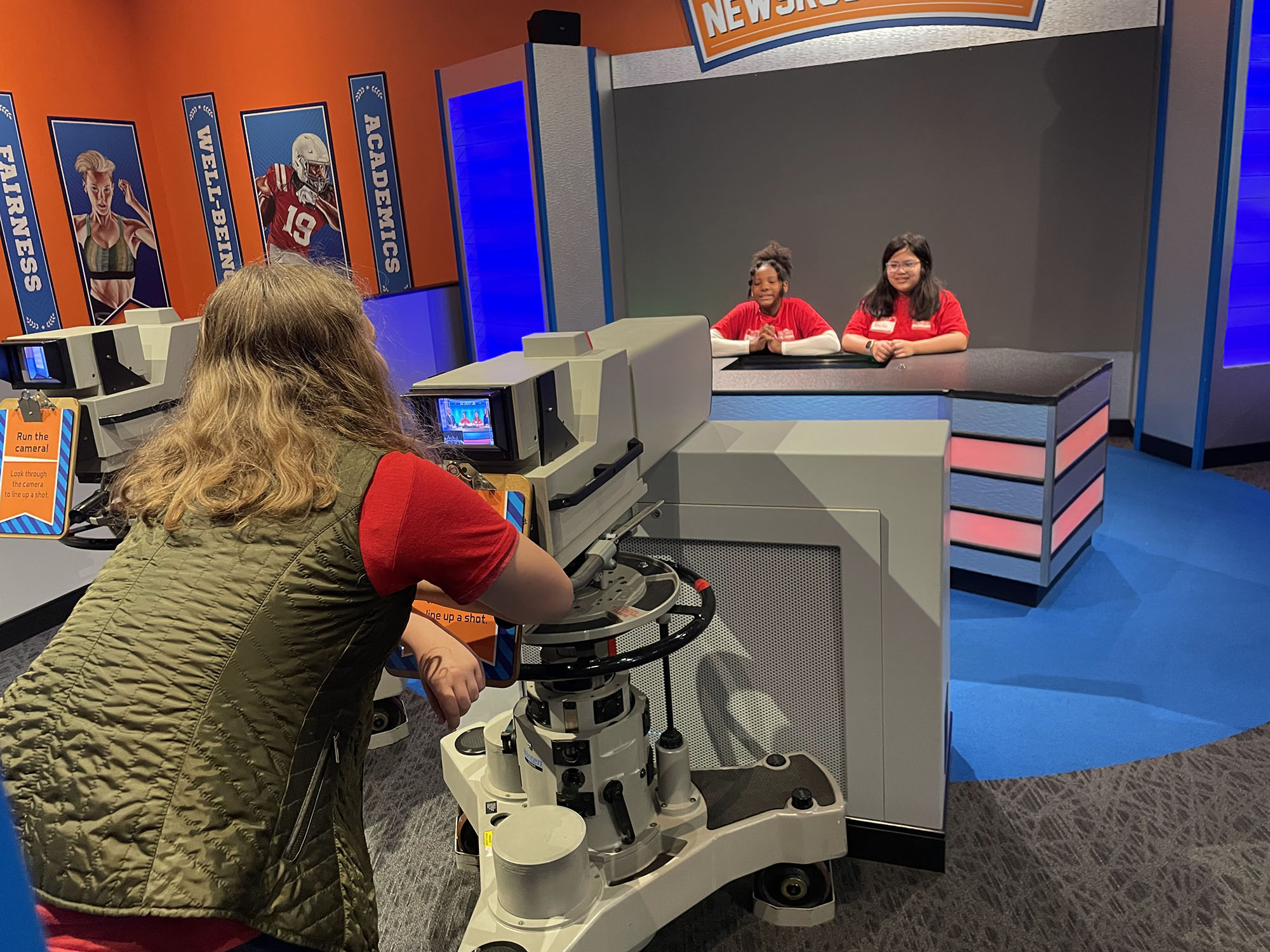
Image source: Children's Museum
How to Use Technology to Track Your Athletic Progress
In 2026, the line between amateur and professional training has blurred, thanks to the accessibility of high-end wearable technology. Exploring your potential now involves data-driven insights that were once reserved for Olympic-level athletes. By tracking specific performance metrics, you can identify the "1% margin"—the small improvements that often separate a podium finish from the rest of the pack.
Wearable Tech and GPS Tracking
Modern athletes are moving beyond basic smartwatches to specialized GPS-tracking vests, such as the Catapult Vector S7. These devices monitor hundreds of data points per second, including directional changes, acceleration, and mechanical load. This data allows you to see exactly how your body responds to different sports, helping you decide if your current path is sustainable or if you should explore a different discipline that places less strain on your specific physiology.
AI and Injury Prediction
One of the most significant advancements in recent years is the use of Artificial Intelligence to interpret movement patterns. AI platforms can now analyze your gait and workload to predict injury risks before they manifest as physical pain. According to data from Catapult Sports , early preparation and data monitoring can improve overall performance by up to 15% compared to those who train without objective feedback. This technology is a top-tier tool for anyone looking to explore sports long-term without the setback of chronic injuries.
How to Build a Career in the Sports Industry
Exploring sports doesn't always mean being the one on the field. The global sports industry is valued at over $500 billion, offering a vast array of professional opportunities for those with a passion for the game but perhaps not the elite physical stats to compete at the highest level. From sports administration to data analytics, the career paths are diverse and rewarding.
- Athletic Networking Platforms
- Apps like Xplore Sports connect athletes, coaches, and clubs globally. They facilitate registration for trials, academy tryouts, and coaching opportunities, making it easier to navigate the professional landscape.
- NCAA Career in Sports Forum
- An annual program designed for student-athletes to transition into the administrative side of the industry. It provides insights into coaching, governing bodies, and sports management.
- Sports Data Analytics
- A rapidly growing field where professionals use statistical models to improve team performance, scouting, and fan engagement.
For those in their third year of college or beyond, the NCAA Career Forum is widely considered one of the best resources for professional development. It offers a structured environment to learn from industry leaders and build a network that can sustain a lifelong career in sports administration.
What to Do if Your Ford Explorer Sport Electronics Are Failing
It is common for users searching to "explore sports" to actually be looking for information regarding the Ford Explorer Sport vehicle. If you have landed here due to mechanical frustrations, you are not alone. This specific model, particularly those manufactured between 2016 and 2019, is known for a specific electronic failure that can be quite confusing to diagnose.
The BLIS Module and Cascading Failures
A frequent issue reported on the Explorer Forum involves the Blind Spot Information System (BLIS) module. When this module fails—often due to water ingress in the rear quarter panels—it can cause a "cascading failure" across the vehicle's MS-CAN bus. This results in multiple systems failing simultaneously, including:
- Power windows becoming unresponsive.
- Climate control systems (AC/Heat) shutting down.
- Door locks failing to operate via the interior switches.
- Multiple warning lights (Airbag, BLIS, Cross Traffic) appearing on the dash.
Troubleshooting Steps
- Inspect for Moisture: Check the rear tail light housings and quarter panels for signs of water leaks, which are a primary cause of module short-circuits.
- Scan for Communication Errors: Use an OBD-II scanner to look for "U-codes," which indicate communication losses between modules.
- Module Reset: In some cases, disconnecting the battery or resetting the module via software can temporarily restore function, though a full replacement of the BLIS module is often required for a permanent fix.
The Bottom Line
Exploring sports is a multifaceted journey that combines biological science, regional discovery, and technological integration. Whether you are looking for a new hobby or a professional career, these key takeaways will help you navigate the landscape:
- Use science to choose: Match your genetic markers (like the ACTN3 gene) and neuropsychological traits to sports where you have a natural advantage.
- Leverage regional hubs: Visit specialized locations like Lehigh Valley for niche sports or Branson for elite youth facilities.
- Adopt pro-level tech: Use GPS-tracking vests and AI analytics to find your "1% margin" and prevent injuries.
- Network for careers: Utilize platforms like Xplore Sports and the NCAA Career Forum to transition from the field to the front office.
- Address vehicle issues early: If your Ford Explorer Sport electronics are failing, check the BLIS module for water damage first.
Start your journey today by taking a simple physical baseline assessment to see where your natural strengths lie.
Frequently Asked Questions
How can I watch Explore Sports live streams?
If you are looking for local Pennsylvania high school sports coverage, exploreSports PA is a top-rated source. They provide live streams, game highlights, and scores for regional football, volleyball, and basketball games. You can typically find their schedule on their official website or social media pages.
Which apps are highly recommended for athlete recruitment?
Xplore Sports stands out as a top choice for global networking. It allows athletes to create digital resumes, find trials for football and cricket, and connect directly with coaches and academies. Other popular options include NCSA for college recruiting in the US and LinkedIn for professional sports administration roles.
Are genetic tests for sports actually accurate?
Genetic tests are highly effective at identifying specific markers like the ACTN3 gene, which correlates with explosive power. However, they are just one piece of the puzzle. Environmental factors, coaching, and personal motivation play equally significant roles. Think of DNA testing as a way to identify your "ceiling" in certain disciplines rather than a guarantee of success.
How do I find local sports teams in my area?
A great way to start is by visiting your regional tourism board's website, such as Explore Minnesota or Discover Lehigh Valley. These organizations often maintain directories of local clubs, recreational leagues, and tournament venues. Additionally, social media groups and apps like Meetup are excellent for finding niche sports communities.
Why is my Ford Explorer Sport window not working?
In many Ford Explorer Sport models, a window failure is not actually a problem with the window motor itself. Instead, it is often caused by a faulty Blind Spot Information System (BLIS) module located in the rear of the vehicle. When this module shorts out due to water, it disrupts the communication network (MS-CAN bus) that controls the windows, locks, and AC.