Home
How to Grow and Care for Tree Peonies for a Lifetime of Massive Blooms
Tree peonies ( Paeonia suffruticosa ) are woody deciduous shrubs that, unlike herbaceous peonies, do not die back to the ground in winter. They thrive in USDA Zones 4–9 , requiring well-drained soil with a neutral pH (6.5–7.0) and dappled afternoon shade. For long-term success, plant the graft union 4–6 inches deep to encourage the woody scion to develop its own roots. While they grow slowly (1–6 inches per year), a mature plant can live for over 100 years and produce blooms up to 10 inches in diameter.
What Exactly Is a Tree Peony and Why Is It Not a Tree?
Despite the common name, the tree peony is not a tree in the traditional sense. Botanically known as Paeonia suffruticosa , it is technically a deciduous woody shrub. The "tree" moniker likely stems from its upright, branching structure and its ability to reach heights of 4 to 7 feet over several decades. Unlike the common herbaceous peony that vanishes every autumn, the tree peony maintains a permanent woody framework above the soil throughout the winter.
These plants are often described as "heritage" investments. In their native China, where they have been cultivated for over 1,200 years, some specimens are documented to be centuries old. Historically, they were so revered that they were once reserved exclusively for the Chinese imperial gardens. Marco Polo famously described them as "roses as big as cabbages," a testament to their massive, multi-layered floral displays that can easily span 10 inches across.
The woody structure is the defining characteristic. In early spring, new growth emerges from buds located on the existing stems rather than from the crown beneath the soil. This allows the plant to gain height and breadth each year, eventually forming a structural element in the landscape that provides interest even when not in bloom. According to the American Peony Society , these "woody peonies" are categorized into distinct groups based on their genetic lineage, including suffruticosa , rockii hybrids, and lutea hybrids.
Tree Peonies vs. Herbaceous Peonies — Which One Should You Choose?
Choosing between a tree peony and a herbaceous peony often comes down to your garden's structural needs and your patience. Tree peonies typically bloom about two weeks earlier than their herbaceous cousins, acting as a bridge between late-spring bulbs and the early-summer perennial rush. While herbaceous peonies are known for their fragrance and classic "cottage garden" look, tree peonies offer a more architectural presence and significantly larger flowers.
| Feature | Tree Peony (Woody) | Herbaceous Peony |
|---|---|---|
| Stem Type | Woody, persists through winter | Soft green, dies to ground |
| Bloom Size | 6–10 inches (Massive) | 3–6 inches (Standard) |
| Height | 3–7 feet | 2–3 feet |
| Bloom Time | Mid to Late Spring | Late Spring to Early Summer |
| Price Point | $50–$150 (Investment) | $20–$40 (Affordable) |
One of the most notable differences is the growth habit. Herbaceous peonies form a lush, bushy mound that requires staking to prevent the heavy flowers from flopping in the rain. Tree peonies, however, possess sturdy woody stems that generally support the weight of their massive blooms without assistance. Furthermore, tree peonies offer a wider color palette, including true yellows and deep corals found in lutea hybrids, which are rare in pure herbaceous varieties.
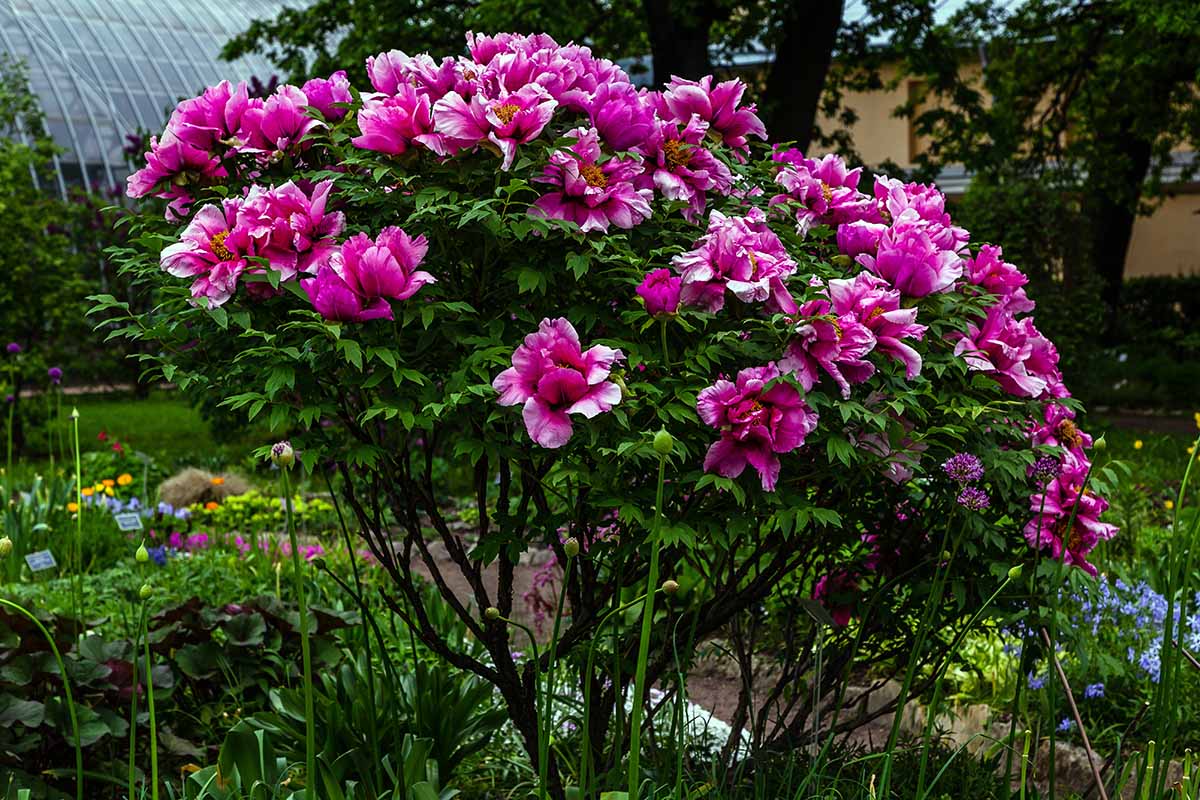
Image source: Gardener's Path
How to Choose the Right Variety for Your Garden Climate
Selecting a tree peony involves more than just picking a color; you must consider the flower form and the plant's origin. The two most common styles are Chinese and Japanese varieties. Chinese tree peonies ( Mudan ) often feature heavy, very double blooms that may nod slightly under their own weight, creating a romantic, pendulous effect. Japanese varieties tend to have simpler, semi-double or single flowers that face upward, making them a top choice for those who want the blooms to be highly visible from a distance.
Understanding the Four Woody Groups
- Suffruticosa: The classic Chinese and Japanese garden peonies. They offer the widest range of pinks, whites, and reds.
- Rockii Hybrids: Distinguished by a dark "flare" at the base of each petal. These are exceptionally hardy and handle cold winters well.
- Lutea Hybrids: The source of yellow, apricot, and lemon tones. These often bloom slightly later and may have a pleasant citrus scent.
- Species Peonies: Wild varieties like Paeonia potaninii , often grown by collectors for their botanical interest rather than showy blooms.
For gardeners in colder climates (Zones 4–5), rockii hybrids are widely considered among the most resilient options. In contrast, those in warmer regions (Zones 8–9) should look for lutea hybrids or specific Japanese cultivars that have lower chilling requirements. As noted by Peony's Envy , providing the right light—specifically dappled shade during the hottest part of the day—is more critical for variety success than soil type alone.
Effective Methods for Planting Tree Peonies for Long-Term Success
Because tree peonies can live for a century, the planting phase is the most critical moment in the plant's life. Unlike herbaceous peonies, which must be planted shallowly (eyes only 1–2 inches deep), tree peonies require a deep planting strategy. This is due to the "Nurse Root" system used by most commercial growers.
Step-by-Step Planting Guide
- Timing: Fall is the ideal time for planting bare-root tree peonies. This allows the roots to establish in cool soil before the energy-intensive spring growth begins.
- Location: Choose a spot with 5 to 6 hours of morning sun and protection from harsh afternoon heat. Ensure the site has excellent drainage; "wet feet" is the leading cause of plant loss.
- The Hole: Dig a hole roughly 2 feet deep and 2 feet wide. Mix the native soil with compost and a handful of bone meal or a high-potash fertilizer.
- Depth: Locate the graft union (the bulge where the woody stem meets the fleshy root). Position the plant so this bulge is 4 to 6 inches below the soil surface.
- Spacing: Give the plant room to breathe. A 5-foot radius is recommended to accommodate its mature spread.
According to White Flower Farm , if you are planting a container-grown peony in the spring, you should still follow the depth rule, even if it means burying part of the existing woody stem. This ensures the long-term health and independence of the woody shrub.
How to Care for Your Tree Peony Throughout the Year
Once established, tree peonies are remarkably low-maintenance, but they do require a specific rhythm of care to maximize their bloom potential. The first three years are the "establishment phase," where the plant may only grow a few inches and might not produce flowers at all. This is normal; the plant is focusing its energy on building that deep root system mentioned earlier.
Pruning is a common area of confusion. Unlike herbaceous peonies, you should never cut a tree peony back to the soil level in the fall. Doing so removes all the wood that would have produced next year's flowers. Instead, only prune to remove dead, damaged, or diseased wood, or to occasionally shape the shrub after it has finished blooming. Martha Stewart, in her horticultural guides , emphasizes that potash feeding in the autumn is a key secret to achieving those massive, competition-sized blooms.
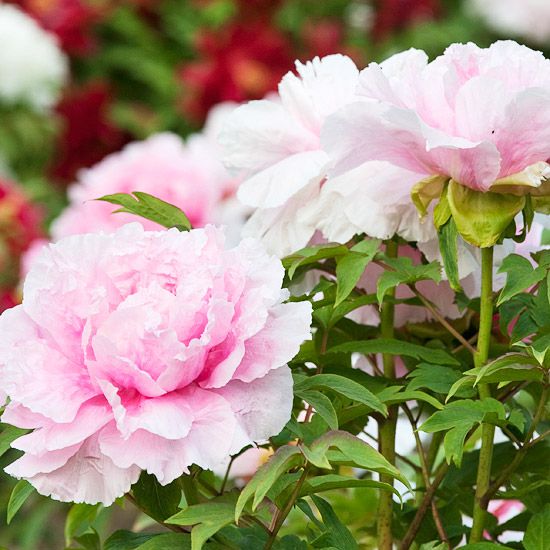
Image source: Better Homes & Gardens
Why Your Tree Peony Might Look Dead in August
One of the most frequent panics for new tree peony owners is the "August Brown-Out." In regions with hot summers (Zone 7 and above), tree peonies often begin to look ragged, brown, or even completely dead by late August. This is rarely a sign of disease or death; rather, it is a physiological response to heat and humidity.
The plant is essentially entering an early dormancy to conserve resources. If your plant looks brown, perform a "scratch test" on a woody stem: gently scrape a tiny bit of bark away with your fingernail. If the tissue underneath is green and moist, the plant is perfectly healthy. Avoid the temptation to overwater during this period, as the roots are less active and prone to rot in soggy soil. Simply let the plant rest, and it will return with vigor the following spring.
Advanced Tips for Growing Tree Peonies in Warm Climates
While tree peonies are traditionally associated with cold-winter climates, they can be successfully grown in Zone 9 with a few "insider" techniques. The primary challenge in warm climates is the lack of "chill hours" required to break dormancy and trigger flower production.
The Zone 9 Dormancy Hack: In November, if your tree peony hasn't naturally lost its leaves, manually remove all remaining foliage. Withhold all water and fertilizer starting in late October. This forced rest simulates a winter cycle. Additionally, planting in a location that receives almost full shade—but remains bright—can help keep the root zone cool enough to sustain the plant through mild winters.
What to Plant with Tree Peonies to Keep Your Garden Beautiful
Because the bloom window for tree peonies is relatively short (7 to 10 days), companion planting is essential to maintain visual interest. The goal is to choose plants that thrive in the same dappled light and well-drained soil while masking the peony's foliage as it transitions into summer.
- Hellebores: These provide early-season interest before the peony leaves even emerge.
- Japanese Forest Grass (Hakonechloa): The soft, flowing texture of the grass contrasts beautifully with the rigid, woody stems of the peony.
- Late-Blooming Lilies: As the peony flowers fade, lilies can rise through the peony's structural foliage to provide a second act of color in July.
- Hostas: Choose blue-toned hostas to complement the bronze and deep green hues of the tree peony's leaves.
The Bottom Line
Tree peonies are one of the most rewarding long-term investments a gardener can make, offering a level of floral grandeur that few other shrubs can match. To ensure your plant thrives for decades, keep these key takeaways in mind:
- Plant Deep: Always bury the graft union 4–6 inches below the soil to ensure the plant develops its own roots.
- Patience is Required: Expect a 3-year establishment window before the plant reaches its full blooming potential.
- Autumn Feeding: Use potash-rich fertilizers in the fall to encourage the development of large flower buds for the following spring.
- Protect the Wood: Never cut woody stems to the ground; only prune dead wood in late winter.
- Manage Heat: Don't panic if the leaves brown in August; it's often a natural heat-response dormancy.
Start by testing your soil pH today to ensure your garden is ready for a fall planting of these magnificent woody shrubs.
Frequently Asked Questions
Typically, a tree peony requires about three years to produce its first significant blooms after being transplanted. During the first two years, the plant is establishing its root system. You might see a small, single flower in the second year, but the massive, multi-petaled displays usually appear from the third year onward as the woody structure matures.
Generally, no. One of the advantages of tree peonies over herbaceous types is their sturdy woody stems. These stems are naturally strong enough to support the weight of the large flowers. However, if you live in an extremely windy area or have a variety with particularly heavy, nodding Chinese-style blooms, a simple bamboo stake for the main trunk during the bloom week can provide extra security.
While it is possible to grow tree peonies in containers for a few years, it is not a top choice for long-term health. Tree peonies develop deep, extensive root systems that quickly become cramped in even large pots. If you must grow them in a container, use a very deep pot (at least 20 inches) and be prepared to transplant them into the ground within 3 to 4 years to prevent stunted growth.
The price reflects the labor-intensive process of producing them. Most tree peonies are grafted by hand onto herbaceous rootstocks, a process that requires skilled nursery work. Furthermore, they grow much slower than herbaceous varieties, meaning a nursery must care for the plant for several years before it is large enough to sell. You are paying for the years of growth already invested in the plant.
Yes, deadheading is highly recommended. Once the petals fall, snip off the seed pod just above the first set of leaves. This prevents the plant from wasting energy on seed production and instead directs that energy back into the woody stems and root system for next year's growth. Be careful not to cut too far down, as you want to preserve as much woody growth as possible.