Home
How to Plan a Successful Ski Trip to Badger Pass in Yosemite National Park
Badger Pass Ski Area is a family-oriented, unpretentious destination located within Yosemite National Park. It stands out as a top choice for beginners and cross-country skiers, offering a significantly more affordable experience than major resorts in Tahoe or Mammoth. Open typically from mid-December to mid-March, it features 10 downhill runs, a dedicated snow tubing hill, and over 80 miles of Nordic trails. Crucial Tip: Always call the Snow Phone at (209-372-1000) before heading up, as the area relies entirely on natural snow and road conditions can change rapidly.
Is Badger Pass the Right Ski Destination for You?
When planning a winter excursion to the Sierra Nevada, the sheer scale of Mammoth Mountain or the high-energy atmosphere of Lake Tahoe often dominates the conversation. However, Badger Pass Ski Area offers a notably different experience that appeals to a specific type of traveler. Established in 1935, it is one of only three lift-serviced ski areas operating within a U.S. National Park, providing a serene, scenic backdrop that few other locations can replicate.
The "vibe" at Badger Pass is decidedly unpretentious. You won't find high-speed gondolas or sprawling luxury villages here. Instead, you’ll find a historic day lodge, friendly rangers, and a community of families teaching their children to ski in a low-pressure environment. According to Yosemite.com , the area is widely considered one of the most beginner-friendly resorts in California, with 35% of its terrain dedicated to novices and another 50% to intermediates.
Who should visit:
- Families with young children: The compact layout makes it easy to keep track of kids.
- Budget-conscious skiers: Lift tickets and lessons are a fraction of the cost found at larger commercial resorts.
- Cross-country enthusiasts: With 84 miles of marked trails, it is a premier destination for Nordic skiing.
- First-timers: The "Guaranteed Learn-to-Ski" program is a significant draw for those who have never stepped into bindings.
Who might want to look elsewhere: If you are an expert skier seeking 3,000-foot vertical drops, challenging double-black diamonds, or a vibrant "après-ski" nightlife scene, Badger Pass will likely feel too small. With only an 800-foot vertical drop, it is designed for skill-building and relaxation rather than adrenaline-fueled descers.
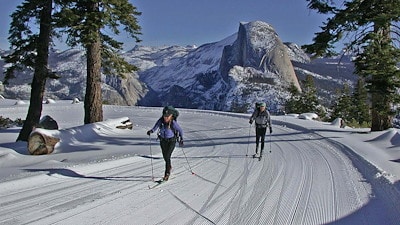
Image source: Yosemite National Park
Why Your GPS Might Say the Road to Badger Pass Is Closed
One of the most common pitfalls for first-time visitors is the "Maps App Glitch." If you plug "Badger Pass Ski Area" into Google Maps or Apple Maps during the winter, the app will frequently flag the route as "Closed" or suggest a massive detour. This happens because Glacier Point Road—the only access road to the ski area—is indeed closed to through traffic past the ski area for the duration of the winter.
However, the National Park Service (NPS) meticulously plows the first five miles of Glacier Point Road from the Chinquapin intersection specifically to allow access to Badger Pass. As noted by Trips with Tykes , travelers should ignore the digital warnings and follow the physical road signs within the park.
Tire Chain Requirements
Regardless of what your GPS says, the legal reality of mountain driving remains. In Yosemite, you are legally required to carry tire chains in your vehicle during the winter season, even if you have four-wheel drive or snow tires. Rangers may set up checkpoints at the Chinquapin intersection, and if you do not have chains in your possession, you will be turned back. This is a non-negotiable safety rule enforced by the National Park Service .
How to Navigate the Badger Pass Shuttle Space Crisis
Parking at the Badger Pass lodge is limited and often fills to capacity by 9:30 AM on weekends and holidays. To mitigate this, the park operates a free shuttle service from Yosemite Valley. While convenient in theory, the shuttle system often faces what locals call a "space crisis."
The shuttles have a fixed capacity and do not allow standing passengers for the winding 45-minute climb. During peak periods, the line at the Yosemite Village or Curry Village stops can be long enough that multiple buses fill up before you reach the front. To ensure you make it to the mountain for your scheduled lessons, strategic timing is essential.
| Pickup Point | Estimated Transit Time | Pro Tip |
|---|---|---|
| Yosemite Village | 50 Minutes | The first stop; best chance to secure a seat. |
| The Ahwahnee | 45 Minutes | Often fills up here; arrive 20 mins early. |
| Curry Village | 40 Minutes | Last stop; highest risk of a full bus. |
If you choose to drive yourself, aim to arrive at the Chinquapin turn-off by 8:15 AM. This allows you to secure a spot in the main lot, avoiding the need to park on the road shoulder and trek a significant distance with heavy gear.
What Can You Actually Do at Badger Pass Ski Area?
While downhill skiing is the primary draw, Badger Pass functions as a comprehensive winter sports hub. Because it is located within a National Park, the activities are regulated to preserve the environment, leading to a unique mix of offerings.
Downhill Skiing and Snowboarding
The resort features five lifts: one triple chair, three double chairs, and one cable tow. The terrain is exceptionally well-suited for those learning the sport. The runs are wide, well-groomed, and generally lack the icy patches found at higher-elevation, wind-swept resorts. The 800-foot vertical drop provides enough length for a satisfying run without being overwhelming for beginners.
Cross-Country Skiing and Snowshoeing
For many, the real treasure of Badger Pass lies beyond the lifts. The Nordic Center offers rentals and lessons for cross-country skiing. You can explore 25 miles of machine-groomed tracks or venture onto 84 miles of marked backcountry trails. The trek to Dewey Point is a popular choice, offering a stunning panoramic view of El Capitan and the snow-draped Yosemite Valley from the rim.
The "No Snow Play" Rule
A common point of confusion for families is the strict enforcement of snow play rules. You are not allowed to bring your own plastic sleds or saucers to Badger Pass. To prevent accidents between sledders and skiers, the NPS only permits sliding at the designated Snow Tubing hill. Tubing sessions are sold in 2-hour blocks and frequently sell out, so booking online via Travel Yosemite is highly recommended.
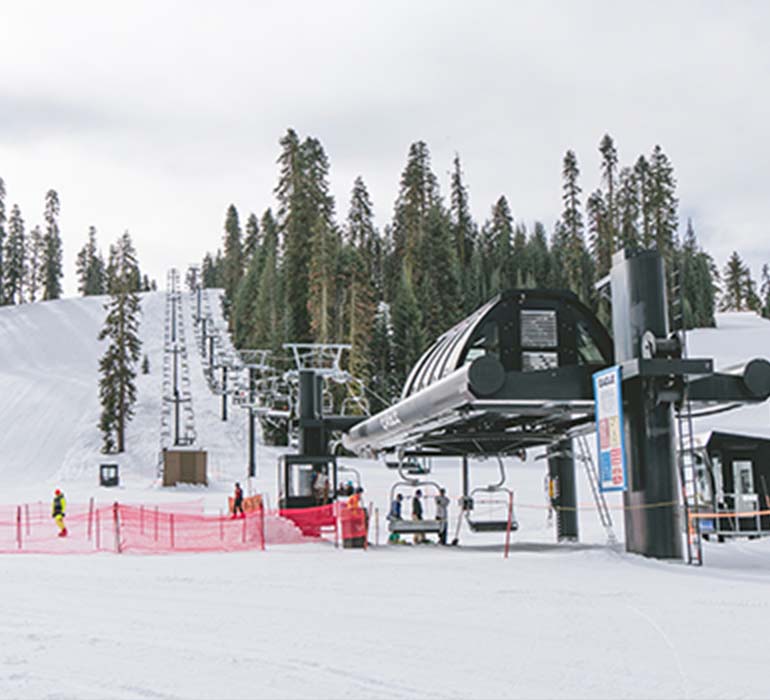
Image source: Yosemite National Park
How to Save Money with the End of Day Lesson Deal
Skiing is notoriously expensive, but Badger Pass offers one of the most cost-effective ways to learn in California. While morning lessons are the standard, the 2:15 PM "End of Day" lesson is a hidden gem for budget travelers. As of the 2026 season, these late-afternoon sessions are often priced significantly lower than morning slots, providing a focused hour of instruction that still leaves time for a few practice runs before the lifts close at 4:00 PM.
Furthermore, the "Guaranteed Learn-to-Ski" program is a standout feature. If a beginner is unable to successfully navigate the "Bunny Hill" (Lower Turtleback) by the end of their first day of lessons, the ski school offers a free follow-up lesson. This commitment to student success makes it a top-tier option for adults who are nervous about their first time on the slopes.
Badger Pups vs. Standard Lessons
Age requirements are strictly enforced. The "Badger Pups" program is specifically designed for children ages 4 through 6, focusing on play-based learning. Children 7 and older join the standard group lessons. Because instructor ratios are kept low, these programs often reach capacity weeks in advance during the Christmas and President's Day holidays.
Essential Logistics for the Badger Pass Day Lodge
The historic day lodge is charming but reflects its age in terms of layout and capacity. If you have booked a lesson, the official recommendation is to arrive at the rental counter at least 90 minutes before your start time. The rental queue can be slow, especially when fitting children for boots and helmets.
Accessibility Note: For multi-generational families, it is important to know that the lodge is only partially accessible. The ground floor, which houses the rental shop, restrooms, and cafeteria, is wheelchair accessible. However, the second-floor lounge and Snowflake Bar are accessible only via a flight of stairs. If members of your party have mobility issues, plan to congregate on the outdoor sundeck, which offers great views of the slopes and easy access to the food court.
"The sundeck at Badger Pass is one of the most pleasant places in the park. Even if you don't ski, sitting there with a hot cocoa while watching the snow fall is a quintessential Yosemite experience." — Local Ranger Insight.
Why Natural Snow Makes Planning Tricky
Unlike Mammoth Mountain or the major Tahoe resorts, Badger Pass has zero snowmaking capabilities . It relies 100% on natural precipitation. This means the opening and closing dates are entirely at the mercy of the weather. In years with low snowfall, the resort may open late or close abruptly in February if a warm spell melts the base.
This reliance on natural powder also means the conditions are "softer" and more forgiving than man-made snow, which can often turn to ice. However, it requires visitors to be flexible. Always check the NPS Current Conditions page the morning of your trip to ensure the lifts are spinning.
How Badger Pass Compares to Other California Resorts
To help you decide if this is the right destination for your winter break, consider how Badger Pass stacks up against the "big players" in the region. While it lacks the scale of Mammoth, it offers advantages in cost and accessibility for beginners.
| Feature | Badger Pass | Mammoth Mountain | Tahoe (Average) |
|---|---|---|---|
| Lift Ticket Price | $ (Affordable) | $$$$ (Premium) | $$$ (High) |
| Vertical Drop | 800 ft | 3,100 ft | 1,500 - 2,500 ft |
| Crowds | Moderate | Heavy | Very Heavy |
| Snowmaking | None | Extensive | Extensive |
| Atmosphere | Quiet / Family | High Energy / Pro | Resort / Nightlife |
Frequently Asked Questions
Do I need a Yosemite National Park reservation to go skiing?
As of 2026, Yosemite requires entry reservations during peak winter weekends and holidays to manage congestion. Even if you have a ski lesson booked, you must ensure you have a valid park entry permit or a reservation at a park lodge (like the Yosemite Valley Lodge or The Ahwahnee). Always check the official NPS site for the specific dates requiring reservations during your visit.
Can I bring my own sled or saucer to Badger Pass?
No. For safety reasons, private sleds, saucers, and toboggans are strictly prohibited within the Badger Pass Ski Area. The only sliding activity allowed is official snow tubing on the groomed tubing hill, which requires a paid ticket. This rule helps prevent collisions between uncontrolled sleds and skiers on the main runs.
Is there lodging available directly at the ski area?
There is no lodging at the Badger Pass day lodge itself. The nearest accommodations are in Yosemite West (private rentals just outside the park boundary), the Wawona Hotel (about 20 minutes away), or the various lodges in Yosemite Valley (about 45 minutes away). Most visitors stay in the Valley and use the free shuttle.
What are the operating hours for the lifts and lodge?
The lifts typically run from 9:00 AM to 4:00 PM daily, weather permitting. The Nordic Center and rental shop usually open at 8:30 AM to allow guests time to gear up before the lifts start. Half-day lift tickets usually become valid at 12:00 PM.
Are there lockers available for personal items?
Yes, the day lodge provides coin-operated lockers for small items like shoes or bags. However, these are limited in number and often fill up by mid-morning. Many visitors choose to leave non-valuable items in their vehicles or carry a small backpack while skiing.
Final Tips for Your Badger Pass Adventure
Badger Pass is a top-tier choice for those who value the natural beauty of Yosemite over the high-tech amenities of a massive resort. To ensure your trip is a success, keep these key takeaways in mind:
- Call the Snow Phone first: Dial (209-372-1000) every morning to verify road and lift status before leaving your accommodation.
- Carry tire chains: It is a legal requirement in the park; don't risk being turned away at the Chinquapin intersection.
- Arrive 90 minutes early: If you have rentals or lessons, the morning queue is the biggest hurdle to your day.
- Book tubing in advance: These sessions are popular and sell out quickly, especially on weekends.
- Ignore GPS "Closed" status: Trust the park signs and the official NPS website rather than Google or Apple Maps for Glacier Point Road.
- Pack for the sundeck: Bring sunscreen and a good pair of sunglasses, as the reflection off the snow can be intense even on cold days.
Plan your visit mid-week if possible to enjoy the trails with minimal crowds and a truly peaceful mountain experience.
All trademarks, copyrighted content, and quoted material referenced in this article belong to their respective owners. Brief excerpts are used under fair use (17 U.S.C. § 107) for purposes of commentary, criticism, and informational reporting. This article is not affiliated with or endorsed by the National Park Service or Aramark.