Home
Home
How to Select a High-End Luxury Gift Box for Any Occasion in 2026
In the modern gifting landscape, the presentation has evolved from a mere formality into a critical component of the gift itself. A gift box luxury experience is no longer defined by excess, but by intentionality, structural integrity, and the "unboxing ritual." As we move through 2026, the shift toward "intentional gifting" continues to drive a market valued at over $1 billion, according to recent industry reports from Cedar & Lily .
Choosing the right set requires balancing tactile quality with the recipient's status. Whether you are sourcing for a high-net-worth investor or a wellness enthusiast, the goal is to create a "first chapter" that sets the emotional tone for what lies inside. This guide explores the technical finishes, curation strategies, and sustainability standards that define top-tier gifting today.
Defining the Elements of a Truly Luxury Gifting Experience
Luxury is often misunderstood as synonymous with "expensive" or "flashy." However, in the realm of high-end packaging, luxury is defined by restraint and precision. A premium box must solve three primary problems: protection of the contents, framing of the items, and the establishment of an emotional connection. When these three elements align, the packaging becomes a significant advancement in the recipient's journey.
The First Chapter Philosophy of Packaging
According to design experts at Cedar & Lily , packaging is not the final detail of a gift; it is the opening act. This "First Chapter" philosophy suggests that the box controls the pacing and suspense of the reveal. A box that feels substantial in the hand and requires a deliberate opening motion creates a psychological "slow down" moment, forcing the recipient to appreciate the effort behind the gesture.
Structural Integrity and Aesthetic Restraint
Contrast standard retail packaging—often characterized by oversized bows, thin cellophane, and flimsy cardboard—with the focus of high-end design. Modern luxury emphasizes structure. This means using heavy-duty binders board, perfectly square corners, and a lack of visible adhesives. Restraint is key; a single, perfectly placed metallic logo often carries more weight than a box covered in busy patterns. The goal is to create a vessel that feels like a permanent object rather than disposable waste.
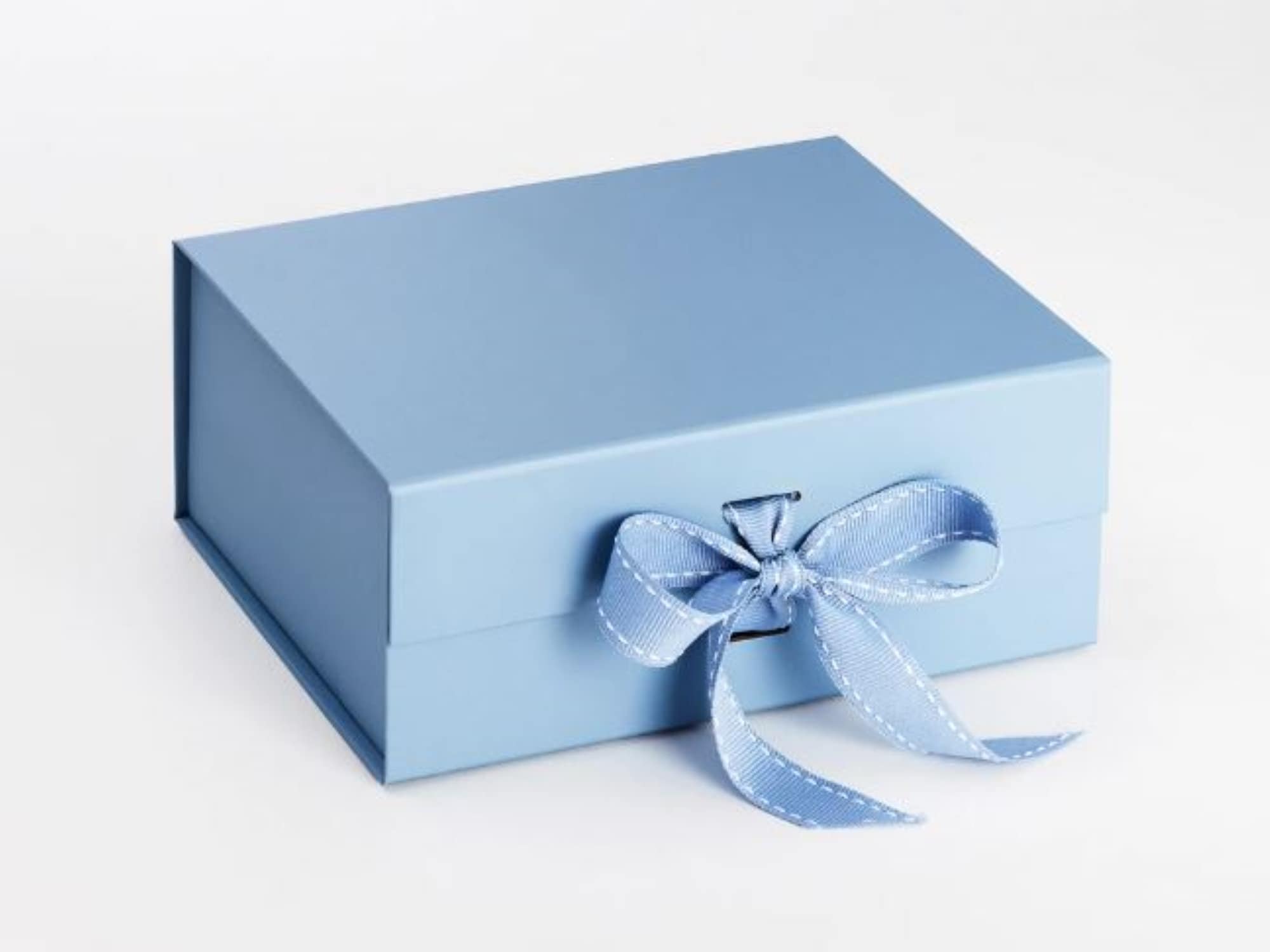
Image source: Etsy
Technical Finishes That Elevate Packaging from Standard to Premium
The difference between a standard box and one that stands out as a top choice often lies in the technical execution of the finish. These processes involve specialized machinery and high-grade materials that provide a sensory experience beyond simple visual appeal. Understanding these techniques allows brands and individuals to select packaging that sets a high standard for quality.
Tactile Appeal Through Specialized Cardstock
Visuals are only half the battle. The weight and texture of the material are what truly signal value. Industry insights from the F-Body Community suggest that using 120lb+ cardstock or linen-textured paper provides a "heavy" feel that thin, glossy finishes cannot replicate. Tactile finishes like "soft-touch" coating—which feels like velvet or suede—are increasingly popular for high-end electronics and beauty sets.
Precision Branding with Hot Stamping and Foil
For logos and accents, hot stamping is a notably innovative technique that uses heat and pressure to apply metallic foil to the surface. Unlike standard ink, foil has a physical depth and reflectivity that catches the light. Gold, silver, and rose gold are traditional, but matte black or clear "ghost" foils are becoming a popular choice for those seeking a more understated, modern aesthetic.
The Dimensional Impact of Embossing and Debossing
Creating 3D effects on the box surface invites the recipient to touch the packaging. Embossing raises the design above the surface, while debossing creates a sunken, "carved" effect. According to packaging specialists at NEWSTEP , the "Concave Technique" is particularly effective for high-end manufacturing, as it signifies a level of craftsmanship that mass-market brands rarely achieve.
Advanced Printing Techniques for Brand Consistency
When color accuracy is paramount, luxury brands move away from standard CMYK (four-color) printing in favor of Spot Color or Pantone matching. This ensures that a brand's signature blue or red is identical across every box, regardless of the material. This level of precision is a hallmark of corporate luxury gifting, where brand identity must be preserved at all costs.
Designing the Perfect Unboxing Ritual for High-End Gifts
The "unboxing ritual" is a choreographed sequence of events that begins the moment the recipient receives the package. Every layer, from the outer shipping sleeve to the final product reveal, should be intentional. A well-designed ritual builds anticipation and enhances the perceived value of the items inside.
Selecting the Right Opening Mechanism
The way a box opens dictates the emotional tone. Consider these common luxury mechanisms:
- Magnetic Flaps: Provides a satisfying "click" and feels modern and secure.
- Lift-Off Lids: The classic "shoe box" style, but with a vacuum-seal fit that creates a slow, controlled opening.
- Ribbon Pulls: Adds a layer of ceremony, requiring the recipient to physically untie the gift.
- Drawer Style: Excellent for jewelry or small tech, providing a smooth, sliding reveal.
Maintaining Internal Discipline and Presentation
What happens after the lid is removed is just as important as the exterior. Standard boxes often use shredded crinkle paper, which can look messy. Luxury sets, as noted by Elle Decor , often utilize custom foam inserts or cardstock dividers to keep items perfectly aligned. The use of vellum overlays, branded stickers, and hand-wrapped tissue paper adds layers to the reveal, extending the excitement of the unboxing.
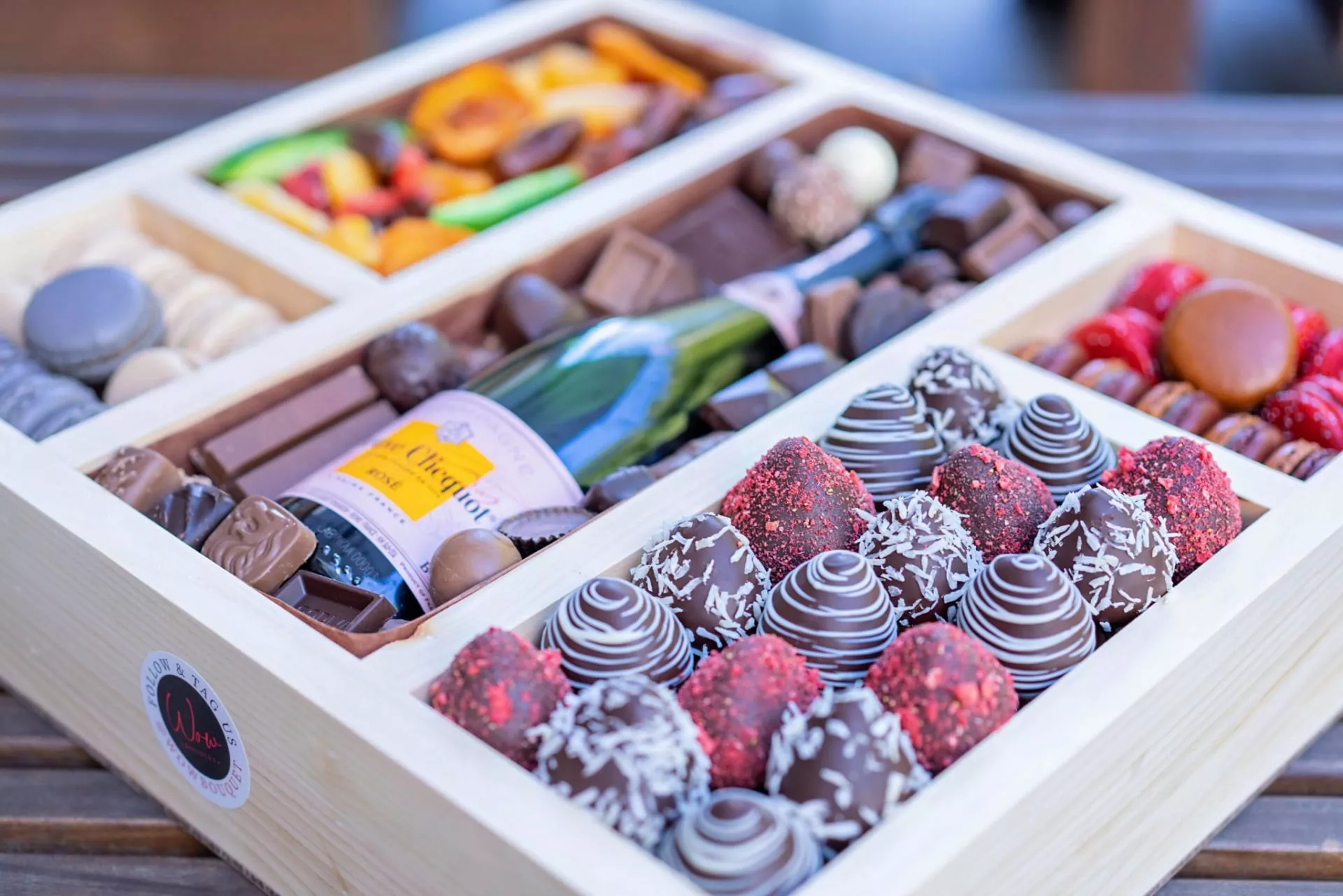
Image source: WOW Bouquet
Selecting Luxury Gift Boxes for Different Recipients and Budgets
Not all luxury is created equal. The "luxury" label can apply to a $50 artisan set or a $500 investor case. The key is to match the price point and contents to the recipient's expectations and the occasion's significance.
| Category | Price Range | Typical Contents | Ideal Recipient |
|---|---|---|---|
| Affordable Luxury | $25 – $98 | Artisan candles, gourmet coffee, small-batch soaps. | Teachers, colleagues, thank-you gestures. |
| Standard Luxury | $100 – $200 | Premium wine, high-end throws, spa sets, tech accessories. | New homeowners, birthdays, mid-level clients. |
| Ultra-Luxe / Investor | $250+ | Champagne cases, cashmere, fine leather goods, rare spirits. | Executives, top-tier investors, wedding parties. |
Gifting Strategies for Executives and High-Net-Worth Investors
When gifting to individuals who "have everything," the focus should shift from baskets to "cases." A traditional basket can feel cluttered; a sleek, functional case feels like a curated collection. For example, the Coup Champagne Solo Metal Case is often cited as a top-tier alternative to traditional gifting, offering a "James Bond" aesthetic that emphasizes utility and style over sheer volume.
Curating for New Homeowners and Wellness Enthusiasts
For housewarming gifts, "Realtor-grade" boxes from boutiques like Loved and Found focus on high-end utility items—think marble coasters or designer kitchen linens. For wellness enthusiasts, sets from Luxe & Bloom prioritize the sensory experience, using calming color palettes and organic materials to create a "spa-in-a-box" feel.
The Rise of Hyper-Local Curation in Modern Gifting
In 2026, the trend of "provenance" has overtaken mass-market luxury. Recipients increasingly value the story of the maker as much as the product itself. Hyper-local curation involves sourcing items from specific neighborhoods or regions to create a gift that feels unique and grounded in a specific place.
Implementing a Zip-Code Specific Sourcing Strategy
A notably impactful strategy is the "Zip-Code Specific" approach. Instead of a generic "Texas" box, a curator might source coffee from Oak Cliff in Dallas and honey from a specific farm in North Texas. This provides a sense of character that national brands cannot match. As seen with A Box of Dallas , this strategy also supports the local artisan economy, which is a growing priority for conscious consumers.
Supporting the Artisan Economy and Maker Stories
Modern luxury is moving toward "sustainable and covetable treasures" from small makers. Brands like Maure emphasize the ethics of their supply chain, highlighting the artisans behind each item. Including a small card that tells the story of the potter who made the mug or the family that harvested the tea adds a layer of emotional depth that elevates the gift from a transaction to a connection.
- Identify a Hero: Start with one standout local item (e.g., a regional spirit or handmade ceramic).
- Add Utility: Include something the recipient will use daily (e.g., local coffee or a hand-poured candle).
- Focus on Provenance: Ensure every item has a clear origin story.
- Personalize: Add a handwritten note mentioning why you chose these specific local makers.
Strategies for Small Businesses to Achieve Luxury on a Budget
For small businesses, the challenge is maintaining a premium presentation without allowing packaging costs to destroy profit margins. According to discussions in the F-Body Community , the key is to prioritize material quality over expensive custom molds or finishes.
Balancing Premium Presentation with Profit Margins
One of the most effective ways to save is through intentional sizing. By reducing box dimensions to fit products snugly, businesses save on material costs and reduce the risk of shipping damage. A snug fit also feels more "custom" to the recipient. Additionally, choosing a high-weight plain cardstock and adding a custom-branded ribbon or sticker is a highly impactful, low-cost way to signal luxury without the price tag of full custom printing.
Personalization Techniques That Scale
Personalization is a hallmark of high-end service. Brands like Marigold & Grey have mastered this by including handwritten notecards even at scale. For small businesses, using a high-quality fountain pen on heavy stationery can make a $50 gift feel like a $150 experience. This personal touch is a significant step forward in building long-term customer loyalty.
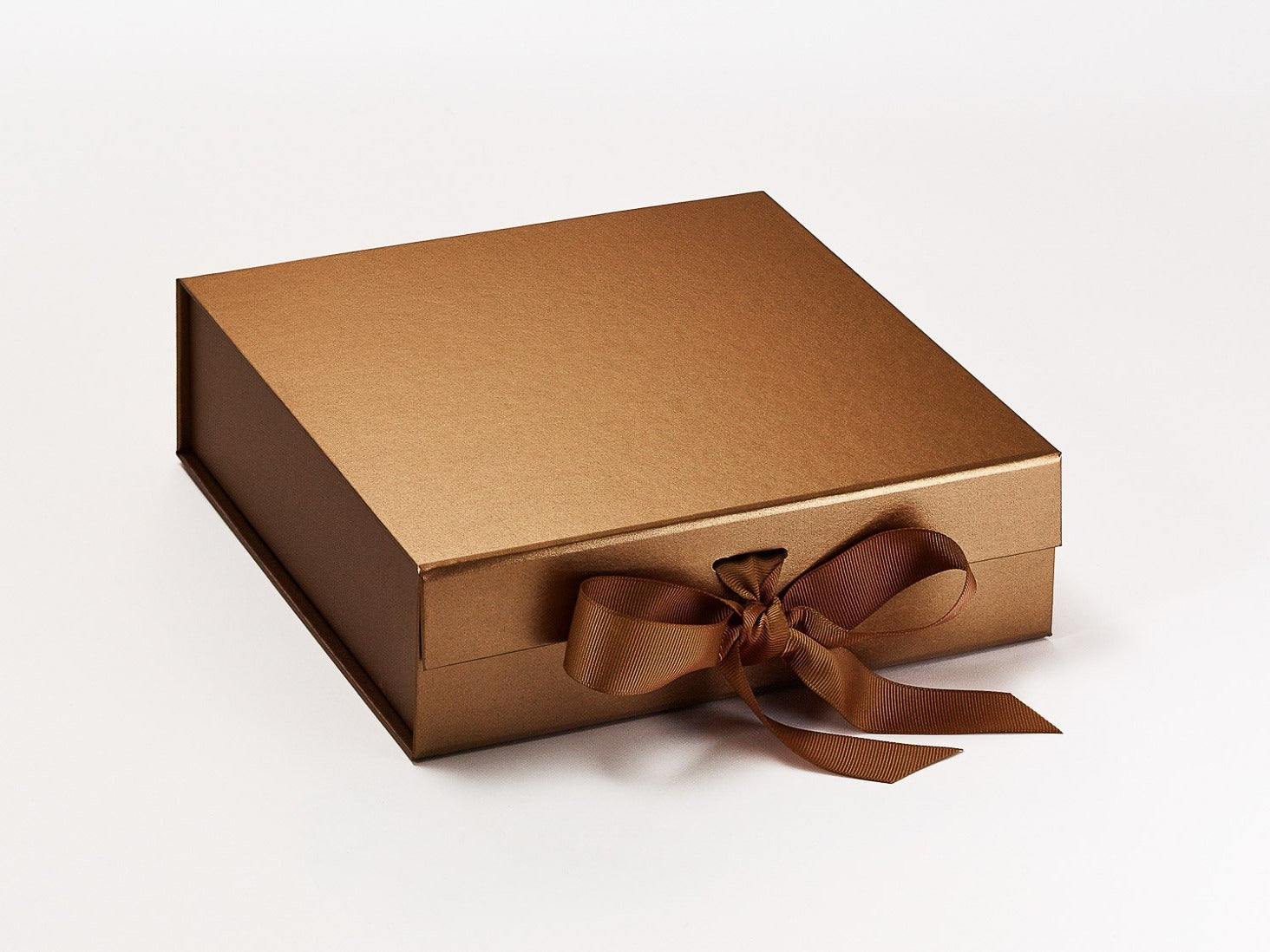
Image source: FoldaBox USA
Sustainability as a Core Component of Modern Opulence
In 2026, opulence is no longer defined by how much you can throw away, but by how much you can keep. Sustainability has become a top-tier status symbol, with consumers favoring brands that prioritize the planet alongside aesthetics.
Moving Toward Reusable and Permanent Packaging
The shift is toward boxes that are "too nice to throw away." These vessels often serve as permanent storage for jewelry, stationery, or keepsakes. By designing packaging with a second life in mind, brands reduce their environmental footprint while keeping their logo in the recipient's home for years to come. This "circular" approach to gifting is a major improvement over traditional disposable models.
Ethical Sourcing and Transparent Supply Chains
Luxury consumers now demand transparency. This includes using recycled pulp, soy-based inks, and biodegradable inserts that don't sacrifice the premium feel. As noted by Maure , global sourcing ethics—ensuring fair wages and environmentally sound practices—are now a standard expectation in the high-end market. A gift that is beautiful but ethically compromised is no longer considered truly luxury.
Final Thoughts on the Evolution of Luxury Gifting
Luxury gifting in 2026 is defined by the intersection of craftsmanship, intentionality, and sustainability. It is an experience that begins long before the lid is lifted and lingers long after the contents are used.
- Prioritize tactile finishes such as embossing or heavy cardstock to signal immediate value.
- Match the opening mechanism to the emotional tone of the occasion for a better unboxing ritual.
- Use hyper-local sourcing to add character and provenance that national brands cannot replicate.
- Ensure snug box dimensions to protect both your profit margins and the products inside.
- Include a handwritten element to provide the personal touch that defines high-end service.
- Adopt sustainable materials to meet the modern standard of ethical opulence.
To create a truly memorable gesture, focus on the intention behind the presentation rather than the price tag alone.
Frequently Asked Questions