Home
How to Take the Train from Philly to NYC for Every Budget and Schedule
Traveling from Philadelphia to New York City by rail is one of the most efficient transit corridors in the United States. Spanning approximately 80 to 81 miles, the journey connects two major East Coast hubs with a frequency that few other routes can match. Whether you are a business traveler looking for a mobile office or a budget-conscious student, the rail options between 30th Street Station and Penn Station cater to a wide variety of needs.
As of late 2026, the corridor sees roughly 44 daily trips, with trains departing as often as every 30 minutes during peak hours. According to Wanderu's route analysis , the typical duration for a standard regional train is about 1 hour and 26 minutes, though this can fluctuate based on the specific service selected.
Which Train Service Should You Choose for Your Trip?
There are three primary ways to navigate this route, each offering a different balance of speed, cost, and comfort. Understanding these distinctions is the first step in planning a successful trip.
- Amtrak Acela: This is the premium high-speed service. It stops fewer times and offers the fastest transit time, typically clocking in at 1 hour and 12 minutes. It is a top choice for those who prioritize time and workspace.
- Amtrak Northeast Regional & Keystone: These are the workhorses of the corridor. They are direct, comfortable, and offer a significant number of departures throughout the day. They typically take between 1 hour 20 minutes and 1 hour 35 minutes.
- SEPTA/NJ Transit Transfer: Often referred to as the "Trenton Hack," this involves taking a SEPTA commuter train from Philly to Trenton, then switching to an NJ Transit train to New York. While it takes longer (2.5+ hours), the price remains stable even for last-minute travel.
Reliability on this corridor is generally high, though travelers should be aware that Amtrak shares tracks with commuter lines and freight, which can occasionally lead to congestion. However, the sheer volume of daily trains means that even if a delay occurs, another departure is usually not far behind.
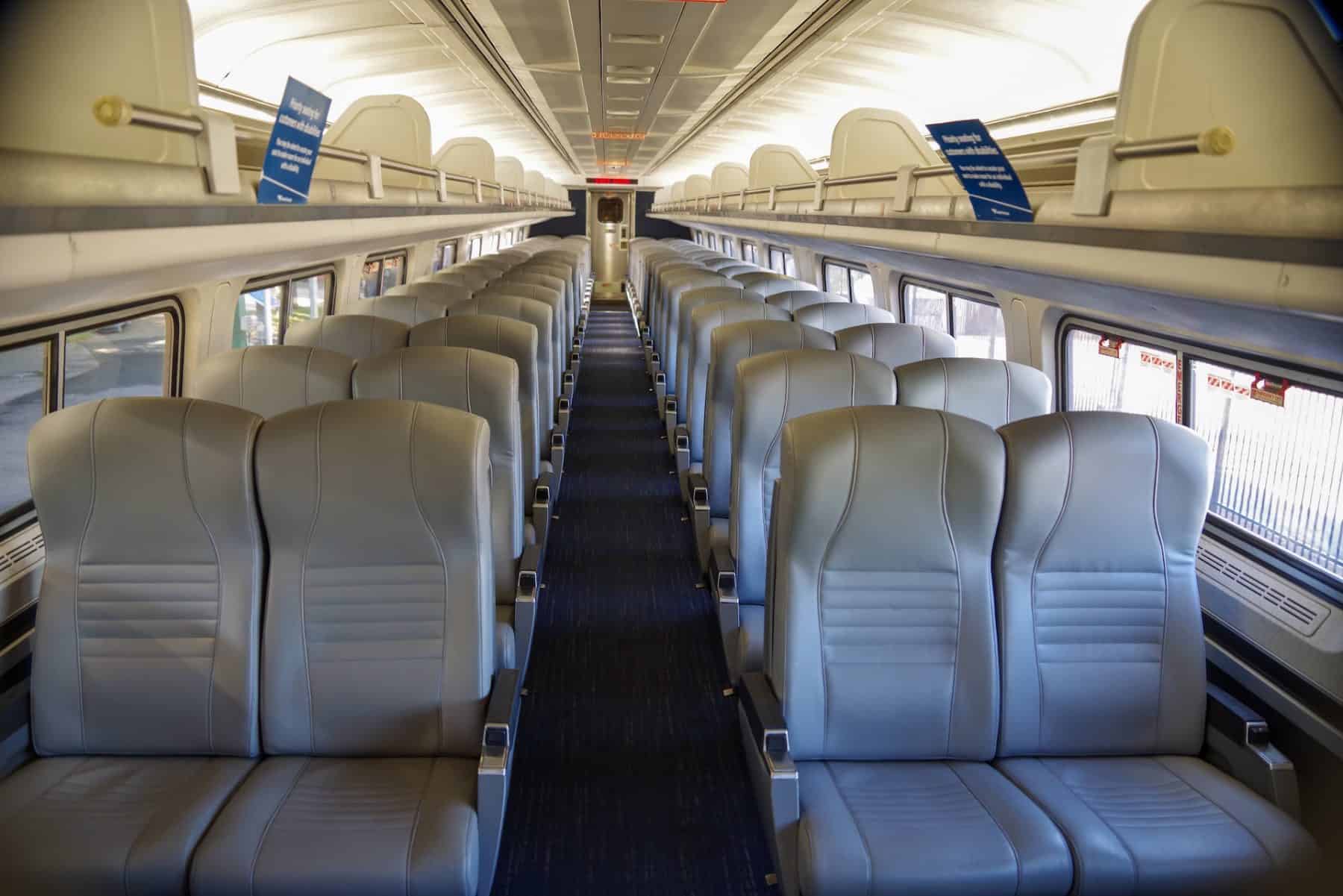
Image source: Free Tours by Foot
| Service Name | Average Time | Starting Price | Comfort Level | Best For |
|---|---|---|---|---|
| Amtrak Acela | 1h 12m | $60 - $270 | Premium | Business / Speed |
| Northeast Regional | 1h 26m | $11 - $150 | Standard | General Travel |
| Keystone Service | 1h 30m | $11 - $80 | Standard | Budget Amtrak |
| SEPTA/NJT Transfer | 2h 15m+ | ~$20 | Commuter | Last-minute Savings |
How to Save Money with the SEPTA and NJ Transit Transfer
For many travelers, Amtrak's dynamic pricing can be a hurdle. If you book a ticket on the day of travel, prices can soar above $100. The "Trenton Hack" is a reliable alternative that keeps costs low, typically under $30, regardless of when you buy your ticket. This method is widely regarded as one of the most effective ways to save money on this route.
Head to 30th Street Station and buy a ticket for the Trenton Line. You can use a SEPTA Key card or buy a Quick Trip at the kiosks.
Board the SEPTA Trenton Line. The ride takes about 50-60 minutes, stopping at several local stations in Northeast Philly and Bucks County.
At Trenton Transit Center, you will need to walk from the SEPTA platform to the NJ Transit platform. This is a physical transfer within the same station complex.
Buy an NJ Transit ticket via their mobile app or at the station machines. Board the Northeast Corridor line toward New York Penn Station.
According to NJ Transit's connection guide , this route is a popular choice for those who don't mind the extra time in exchange for a fixed, low fare. A community tip for frequent users: look for "NJ Transit Express" trains that skip several stops between Princeton Junction and Newark, which can shave 15-20 minutes off the second leg of your journey.
What Makes the NextGen Acela Different for Business Travelers?
For those who need to remain productive during the 72-minute sprint, the Acela offers features that stand out among North American rail options. Unlike the Northeast Regional, the Acela provides assigned seating , allowing you to choose your preferred spot in advance and avoid the "boarding scramble" at the station.
The NextGen Acela trainsets, introduced in recent years, feature significantly upgraded amenities. These include 5G-enabled Wi-Fi, which is notably more stable than the standard Amtrak Wi-Fi found on older cars. The seating configuration is also more spacious, with a 2-1 layout in First Class and a 2-2 layout in Business Class, ensuring no middle seats exist on the entire train.
Another significant advancement is the restroom design. The new Acela cars feature touchless restrooms that are roughly three times larger than standard airplane bathrooms, accommodating passengers with disabilities more effectively. For food, the "Grab & Go" Cafe Car offers a more streamlined experience than the traditional sit-down cafe models, catering to the fast-paced nature of the Philly-to-NYC commuter.
Why You Should Never Book a Train to Grand Central from Philly
A common pitfall for travelers new to the region is attempting to book a ticket to Grand Central Terminal (NYG). When searching the Amtrak app, you might encounter Error ID: 205A . This occurs because Amtrak does not operate service from Philadelphia to Grand Central.
All Amtrak trains originating from or passing through Philadelphia arrive at Moynihan Train Hall at Penn Station (NYP) . Grand Central is primarily used by Metro-North commuter trains and Amtrak's "Empire Corridor" trains heading north toward Albany. If you need to get to the East Side of Manhattan, you will arrive at Penn Station and then take the subway (the S shuttle or the 7 train) or a taxi across town.
To avoid this error, always ensure your destination code is set to NYP . If you accidentally select "New York All Stations," the system may still default to an error if it tries to route you through a non-existent connection. Stick to "New York Penn Station" for a smooth booking experience.
The Super-Commuter Math for Daily Travelers
For those considering a daily or frequent commute between these two cities, the costs can add up quickly. A monthly Amtrak pass for the Philadelphia-to-New York route typically costs around $1,314. While this sounds steep, many employers offer commuter tax benefits that can reduce the out-of-pocket cost. Additionally, AAA members or veterans may find discounts that bring the effective price down to approximately $930 per month.
If you only travel 2-3 times a week, a 10-ride multi-ride ticket is often a more economical choice than a monthly pass. These tickets offer a discount over individual fares and are valid for 60 days. According to data from Rome2Rio , the price per trip on a multi-ride ticket can be as low as $40-$50, even during peak hours when individual tickets might cost double that amount.
How to Get from Philadelphia Airport (PHL) to NYC by Train
Travelers landing at Philadelphia International Airport who need to reach New York City have a straightforward rail pipeline. You do not need to take a taxi or Uber to the city center; the rail connection is built directly into the airport infrastructure.
- The Airport Line: Take the SEPTA Airport Line from any terminal (stations are located at Terminals A, B, C, D, and E). Trains run every 30 minutes.
- The Transfer: Ride the train to 30th Street Station. The journey takes about 20 minutes.
- The Connection: Once at 30th Street, follow the signs for Amtrak or NJ Transit. It is recommended to leave at least a 45-minute buffer between your scheduled SEPTA arrival and your Amtrak departure to account for potential flight delays or luggage retrieval.
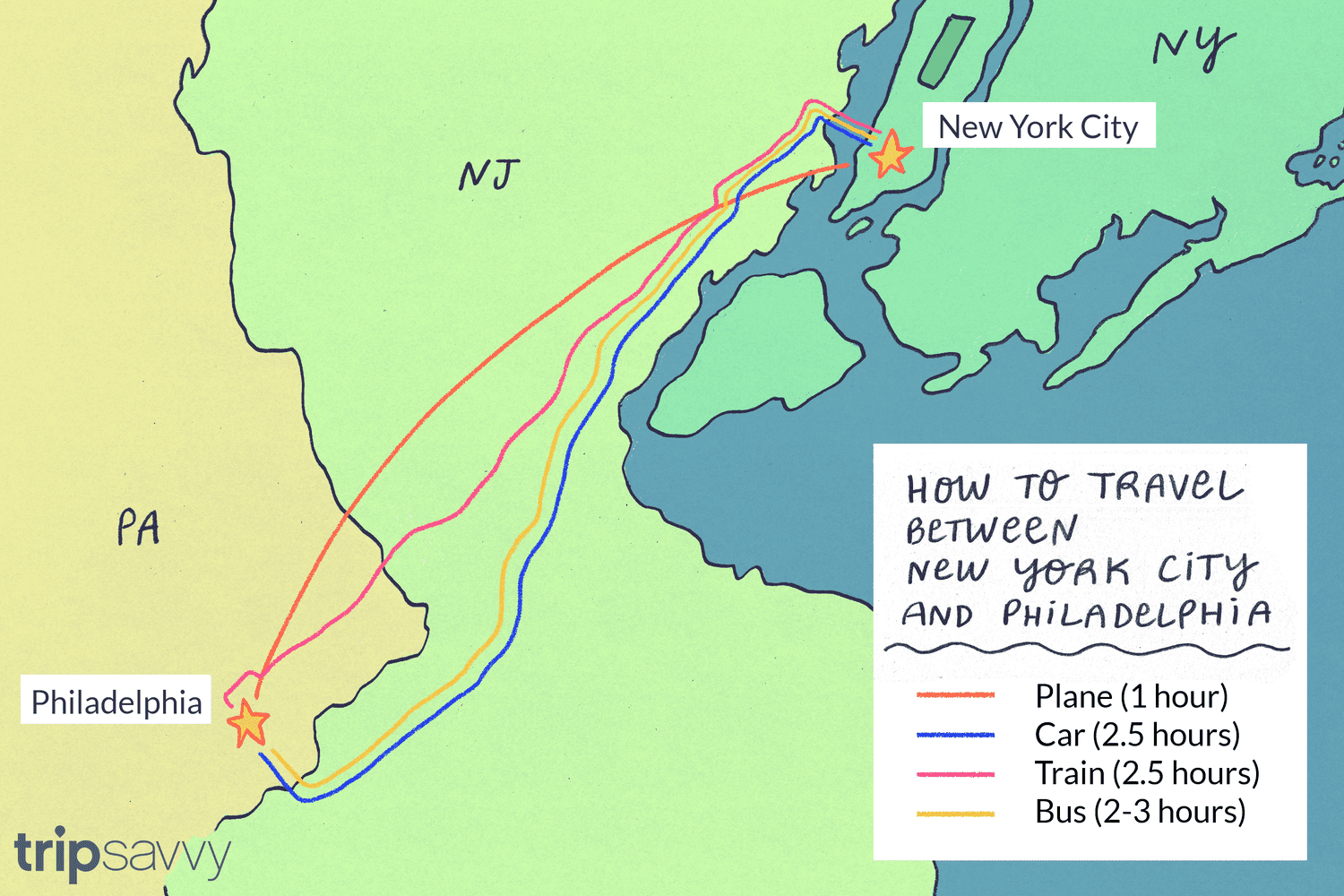
Image source: TripSavvy
Frequently Asked Questions
Yes, all Amtrak and NJ Transit trains on this route offer free Wi-Fi. However, the quality varies. Amtrak Acela offers the most reliable connection with 5G capabilities, while the Northeast Regional Wi-Fi can be spotty during peak usage. NJ Transit Wi-Fi is generally sufficient for basic tasks like email but may struggle with video streaming.
Based on historical booking data from Omio , Tuesday and Wednesday are typically the least expensive days to travel. Fares are often at their highest on Monday mornings and Friday afternoons due to the high volume of weekly commuters and weekend travelers.
You can purchase tickets at 30th Street Station via kiosks or the ticket counter. However, Amtrak prices are significantly higher for day-of purchases. For the best rates, it is highly recommended to book at least 14 to 28 days in advance. SEPTA and NJ Transit tickets, conversely, are flat-rate and can be bought at the station without a price penalty.
Yes, most Amtrak Northeast Regional and Acela trains feature a designated Quiet Car. In this car, passengers are asked to refrain from cell phone conversations and keep all electronic devices on silent. It is a top choice for those looking to sleep or work in a distraction-free environment.
Amtrak generally has a "Flat Tire" policy that allows you to be placed on the next available train if you arrive at the station within two hours of your missed departure, though this is subject to seat availability and agent discretion. For non-flexible tickets, you may be required to pay the fare difference.
Final Thoughts
Navigating the rail corridor between Philadelphia and New York City is a masterclass in transit flexibility. To ensure your trip is as smooth as possible, keep these key takeaways in mind:
- Book early for Amtrak: Booking 28 days in advance can save you an average of $80 compared to day-of prices.
- Use the Trenton Hack for last-minute trips: If Amtrak prices are too high, the SEPTA/NJ Transit transfer remains affordable even minutes before departure.
- Verify your station code: Always use NYP (Penn Station) and never NYG (Grand Central) to avoid booking errors.
- Choose Acela for productivity: The assigned seating and superior Wi-Fi make it a leading choice for business travelers.
- Consider the PATH transfer: If you are heading to Lower Manhattan, Newark Penn Station is often a more efficient transfer point than NY Penn Station.
- Check the schedule for Express trains: On the NJ Transit leg, express trains can significantly reduce your total travel time.
Before you head to 30th Street Station, ensure you have the Amtrak or NJ Transit app downloaded to receive real-time gate assignments and delay notifications.