Home
Major Economic Development Projects and Growth Plans for Greene County, Georgia in 2025 and 2026
I-20 Corridor & Amazon Greensboro Facility
Revised 2025 Comprehensive Plan
Advanced Manufacturing, Aerospace, Agribusiness
Greene College & Career Academy
As of late 2026, Greene County, Georgia, has solidified its position as a top-tier destination for industrial and commercial investment in the Southeast. Situated strategically between the metropolitan hubs of Atlanta and Augusta, the county is currently experiencing a period of significant advancement driven by the Revised 2025 Comprehensive Plan . This growth is not merely speculative; it is grounded in physical infrastructure projects, a robust logistics network anchored by the I-20 corridor, and a highly impactful workforce development strategy.
The transition from 2025 to 2026 marks a shift from policy-making to physical execution. While 2025 was defined by the adoption of the 48.64 MB Comprehensive Plan Amendment, 2026 is the year where these plans have manifested as active construction sites and operational facilities. For investors and residents alike, understanding the nuances of this transformation requires a deep dive into the specific projects and zoning shifts that are reshaping the Greensboro and Union Point landscapes.
Factors Driving the Economic Transformation of Greene County
The economic surge in Greene County is the result of a deliberate "midpoint" strategy. By positioning itself as the logical expansion point for businesses that find Atlanta too congested or Augusta too distant, the county has captured a significant share of the regional logistics market. The primary catalyst for this shift was the establishment of the Amazon facility in Greensboro , which served as an anchor for the current industrial surge. According to local development reports, this facility proved the county's ability to handle high-volume logistics and infrastructure demands.
The I-20 Advantage and Logistics Infrastructure
The I-20 corridor remains the county's most valuable asset. In 2026, we are seeing the "halo effect" of this highway access, where secondary logistics providers and service industries cluster around major interchanges. The county has prioritized road improvements and utility expansions along this route to accommodate the increased heavy-vehicle traffic associated with new distribution centers. This infrastructure readiness is a key reason why Greene County ranks among the top choices for companies looking to serve the entire Southeastern United States.
Policy as a Foundation for Growth
Economic development in Greene County is guided by the 2025 Comprehensive Plan . This document, overseen by the Building & Zoning department, provides the legal framework for land use shifts. By designating specific areas for "Professional" and "Industrial" use while protecting the residential integrity of the Lake Oconee area, the county has managed to maintain a balance that few competitors match. The plan ensures that growth is orderly and that infrastructure like water and sewer lines are expanded in tandem with new project approvals.
Analysis of the 2025 Comprehensive Plan and Future Land Use Map
The 2025 Future Land Use Map is the definitive guide for all development through 2026. Interpreted by Zoning Administrator Craig Wildi, this map has reclassified several thousand acres to accommodate the five priority industries identified by Georgia Power and local officials. The October 2025 Amendment specifically addressed the need for increased industrial density near the Union Point and Greensboro interchanges.
Zoning Shifts and Industrial Density
One of the most notable changes in the 2026 landscape is the transition of former agricultural land into "Light Industrial" and "Professional" zones. This shift was necessary to accommodate the influx of advanced manufacturing firms. The county has been careful to implement buffer zones, ensuring that these industrial hubs do not encroach upon the high-end residential developments that define the Lake Oconee region. This dual-track development strategy—luxury residential alongside heavy industrial—is a significant step forward in the county's fiscal health.
Greensboro vs. Union Point: Two Hubs of Growth
While Greensboro serves as the commercial and administrative heart of the county, Union Point is emerging as the industrial powerhouse for 2026. The Georgia Department of Community Affairs has noted that Union Point’s historical rail access and available acreage make it an excellent choice for heavy manufacturing. In contrast, Greensboro is focusing on retail expansion and professional services to support the growing population of workers and executives moving to the area.
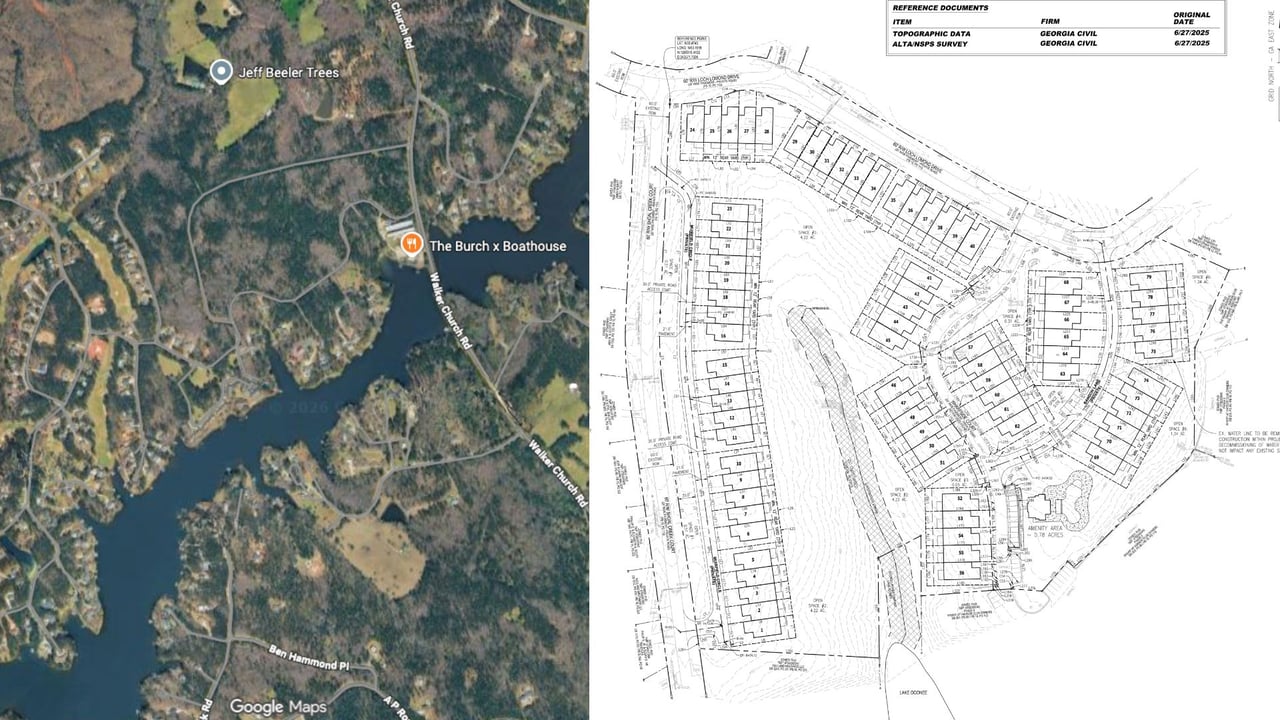
Image source: Justin Cullifer
Primary Industries Driving Investment Through 2026
Greene County has identified five high-priority sectors that are receiving the bulk of infrastructure investment and tax incentives. These industries were selected based on their potential for high-wage job creation and their compatibility with the county's logistics strengths.
| Industry Sector | Infrastructure Readiness | Workforce Availability | 2026 Growth Outlook |
|---|---|---|---|
| Advanced Manufacturing | High (I-20 Access) | Strong (Career Academy) | Rapid Expansion |
| Aerospace | Moderate | Developing | Steady Growth |
| Agribusiness | High | Established | High (Pure Beauty Farms) |
| Life Sciences | Moderate | Emerging | Long-term Potential |
| Automotive/EV | High | Strong | Regional Leader |
Agribusiness Success: The Pure Beauty Farms Model
Agribusiness remains a cornerstone of the local economy, but it has evolved into a high-tech sector. Pure Beauty Farms stands out as a top choice for study in this field. By utilizing Greene County as their Southeast distribution hub for major retailers like Home Depot, they have demonstrated that the county's climate and logistics are exceptionally strong for large-scale agricultural operations. Their success has paved the way for other agribusiness firms to consider the Greensboro area for 2026 expansions.
The Automotive and Battery Belt Extension
As Georgia becomes a national leader in Electric Vehicle (EV) manufacturing, Greene County is positioning itself as a critical supplier hub. The I-20 corridor is increasingly seen as an extension of the state's "battery belt." In 2026, several tier-2 and tier-3 automotive suppliers have initiated projects in the county, drawn by the proximity to major assembly plants in nearby counties and the availability of "ready sites" identified by Georgia Power.
The Role of the Amazon Facility in Local Economic Expansion
The Amazon facility in Greensboro is more than just a warehouse; it is the cornerstone of the county's modern industrial identity. Since its completion, the facility has acted as a proof-of-concept for other Fortune 500 companies. As of 2026, the facility is fully operational, employing hundreds of local residents and contributing significantly to the county's tax base.
The Ripple Effect on Local Business
The presence of a major logistics hub has created a "halo effect" for small and medium-sized businesses. We have seen a notable increase in commercial permits for support services, including truck maintenance, specialized packaging firms, and local catering businesses that serve the facility's workforce. This secondary growth is a major improvement over the county's previous reliance on a few smaller manufacturing plants.
Infrastructure Upgrades and Traffic Management
The volume of traffic generated by the Amazon site necessitated significant road improvements. In 2026, the county has completed several intersection upgrades and road widenings near the Greensboro interchange. These projects, funded in part by the increased tax revenue from the facility, have improved safety for all residents while ensuring that industrial traffic does not disrupt local commutes. The county's proactive approach to traffic management is widely regarded as one of the best examples of industrial planning in rural Georgia.
Strengthening the Workforce Through the Greene College and Career Academy
A common challenge for growing industrial hubs is the availability of skilled labor. Greene County has addressed this through the Greene College & Career Academy . In partnership with the Thillen Education Foundation , the academy has developed a curriculum specifically tailored to the needs of the 2026 industrial landscape.
Traditional Education
- General academic focus
- Standardized testing emphasis
- Limited industry exposure
- Post-graduation skill gap
Career Academy Model
- Industry-specific certifications
- Direct mentorship programs
- Hands-on technical training
- Guaranteed local job pipeline
Mentorship and Technical Training
The academy offers specialized tracks in welding, logistics, and advanced manufacturing. By the time students graduate, many have already secured internships or entry-level positions with local firms like Pure Beauty Farms or the new manufacturing plants along I-20. This "homegrown" talent pipeline is a significant advancement that reduces the need for companies to recruit from outside the region, keeping wealth within the Greene County community.
Impact on Local Graduation and Employment Rates
As of late 2026, the partnership between the school system and the Development Authority has led to a measurable increase in technical certification rates. Local officials point to this as a key selling point for new businesses. When a company looks at Greene County, they don't just see land; they see a workforce that is being actively prepared for the challenges of modern industry.
Image source: www.greenecountyga.gov
Balancing Industrial Progress with Lake Oconee Residential Growth
One of the most delicate tasks for the Greene County Board of Commissioners is balancing the rapid industrial growth with the high-end residential market around Lake Oconee. The lake region is a major driver of property tax revenue and tourism, and maintaining its aesthetic and environmental quality is a top priority in the 2026 development cycle.
Luxury-Industrial Synergy
Contrary to the belief that industrial growth hurts residential values, Greene County has seen the two sectors complement each other. The high-paying jobs created in the industrial zones have increased the demand for mid-to-high-range housing. Developers have responded by initiating several new residential projects that offer modern amenities while remaining accessible to the county's growing professional class. The Lake Oconee Realty growth updates highlight how the 2025 plan has successfully protected the lake's shoreline while allowing for commercial density in appropriate areas.
New Retail and Commercial Permits for 2026
The influx of new residents and workers has triggered a retail boom. In 2026, Greensboro has seen the opening of several new shopping centers and professional office parks. These developments are clustered near the primary residential corridors, providing convenience without creating the urban sprawl seen in other parts of the state. The county's ability to manage this growth while preserving its rural charm is a notable achievement.
How to Engage with the Greene County Development Authority
For businesses looking to expand into Greene County in 2026, the primary point of contact is David DuBois , the Economic Development Director. The Development Authority acts as the bridge between private investment and government regulation, offering guidance on everything from site selection to tax incentives.
The Project Proposal Process
Proposing a project in Greene County involves a structured review process to ensure alignment with the 2025 Comprehensive Plan. The steps typically include:
- Initial Consultation: Meeting with the Office of Economic Development to discuss project scope and infrastructure needs.
- Zoning Review: A formal check by Craig Wildi to ensure the proposed site is correctly zoned for the intended use.
- Development Authority Presentation: Presenting the project's economic impact (jobs, investment) to the board.
- Permitting and Construction: Navigating the local building permit process once the project is approved.
2026 Economic Development Calendar
Frequently Asked Questions
Key Takeaways for Greene County Development
- I-20 Corridor Dominance: The highway remains the primary engine for industrial and logistics growth through 2026.
- Policy-Driven Growth: The 2025 Comprehensive Plan provides the legal and structural roadmap for all new projects.
- Workforce Readiness: The Greene College & Career Academy is successfully bridging the gap between education and industrial needs.
- Industry Diversification: While Amazon is a major anchor, the county is successfully attracting automotive and agribusiness firms.
- Balanced Development: Local officials have maintained the luxury appeal of Lake Oconee while expanding the industrial tax base.
- Proactive Infrastructure: Revenue from new projects is being reinvested into road and utility upgrades to sustain future growth.
For the most current updates on specific site availability or to schedule a consultation, prospective investors should contact the Greene County Office of Economic Development directly.