Home
Underwater Connection in Colorado Springs Is Now Diventures and Here Is How to Get Certified
- Current Name: Diventures (Rebranded from Underwater Connection)
- Location: 4940 Rusina Rd, Colorado Springs, CO 80907
- Contact: 719-599-3483
- Primary Agency: SSI (Scuba Schools International)
- Key Feature: 15-foot deep indoor heated training pool (deepest in Colorado)
For over three decades, the name "Underwater Connection" served as the primary beacon for scuba enthusiasts in Southern Colorado. Founded in 1989 by Troy Juth, the shop established a legacy of technical excellence and community engagement. However, as of recent years, the facility has transitioned into the Diventures family, a move that has expanded its resources while maintaining the local expertise that Colorado Springs divers have come to trust. According to official Diventures records , the shop continues to operate from its long-standing Rusina Road location, offering a full suite of services including scuba instruction, swim lessons, and professional gear repair.
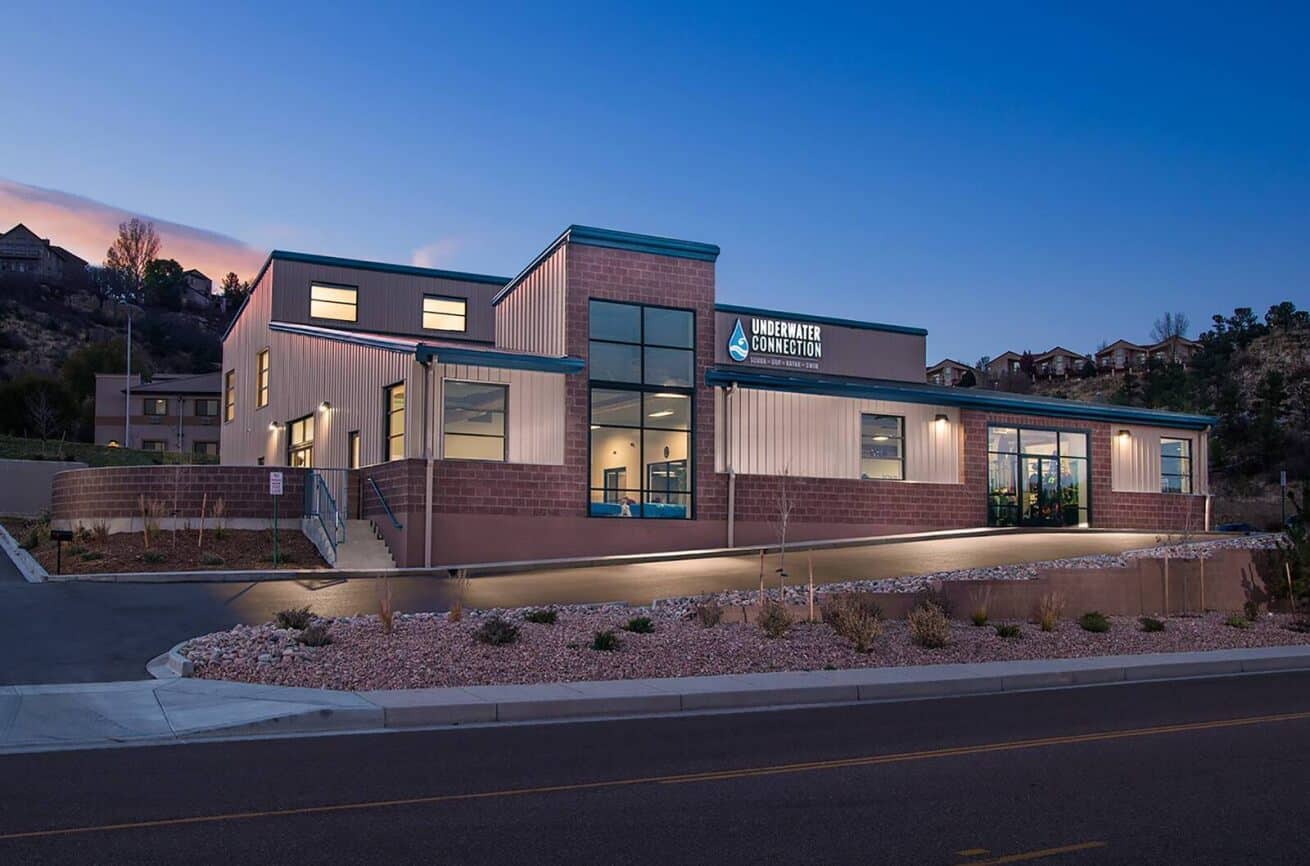
Image source: Diventures
Why Did Underwater Connection Change Its Name to Diventures?
The transition from Underwater Connection to Diventures was not merely a cosmetic rebranding but a strategic acquisition designed to integrate the Colorado Springs shop into a larger network of aquatic excellence. Diventures is one of the nation's largest swim and scuba centers, and the acquisition allowed the local shop to tap into a more robust travel department and a standardized curriculum that spans multiple states. While the name on the storefront has changed, the core mission remains rooted in the foundation laid by Troy Juth in 1989.
One of the most significant shifts during this transition was the move from PADI (Professional Association of Diving Instructors) affiliation to becoming a certified SSI (Scuba Schools International) instruction facility. For legacy divers who earned their certifications under the PADI banner at Underwater Connection, there is no need for concern. Scuba certifications are universally recognized; your PADI "C-card" is still valid for air fills, gear rentals, and dive charters worldwide. However, those seeking new certifications or advanced training at the Colorado Springs location will now follow the SSI curriculum.
The shift to SSI offers several advantages for local students, including a highly flexible digital learning platform and a focus on "comfort through repetition." This methodology aligns well with the facility's emphasis on safety, particularly given the unique challenges of diving in a high-altitude environment like the Rocky Mountains. The staff, many of whom transitioned through the rebrand, continue to provide the high-touch, personalized instruction that defined the original Underwater Connection era.
Don't Make the Mistake of Booking at the Wisconsin Underwater Connection Location
A common pitfall for residents in Colorado Springs is accidentally navigating to the website of the Wisconsin-based Underwater Connection. Because the Colorado shop spent decades under the legacy name, search engines often display the Wisconsin site (uwconnection.com) in the top results. This has led to numerous instances where local divers have attempted to book pool sessions or equipment servicing at a facility located over 1,000 miles away in Menomonee Falls or Delafield, Wisconsin.
To ensure you are booking at the correct location, always verify the area code and the web domain. The Colorado Springs facility uses the 719 area code (specifically 719-599-3483) and is now hosted under the Diventures domain. Booking at the wrong site can lead to significant scheduling errors, especially for time-sensitive pool sessions or open water checkout weekends. If the website you are viewing mentions Lake Michigan or Wisconsin-specific dive sites, you are on the wrong page.
Furthermore, the Wisconsin entity remains a PADI-affiliated shop, whereas the Colorado Springs Diventures is an SSI facility. If you accidentally sign up for an online academic course through the Wisconsin site, your progress may not be directly transferable to the Colorado Springs instructors without additional administrative hurdles. Always start your journey at the Colorado Springs location subpage to ensure your records are handled locally.
What You Need to Know About the 15-Foot Deep Training Pool on Rusina Road
The centerpiece of the Colorado Springs facility is its custom-built, indoor heated training pool. While many dive shops rely on local community centers or shallow 5-foot deep pools for training, the Rusina Road facility features a pool that reaches a depth of 15 feet . This makes it one of the deepest indoor training pools in the state of Colorado, a fact confirmed by ScubaGo's dive site database .
Why does that extra 10 feet of depth matter for a student? In a standard shallow pool, divers rarely have the opportunity to practice true buoyancy control or ear equalization. At 15 feet, students can experience the actual physics of pressure changes. This allows for a much more realistic simulation of open water conditions. Instructors can work with students on hovering mid-water—a critical skill for protecting fragile reef environments—without the student constantly bumping into the bottom or breaking the surface.
The pool is maintained at a comfortable temperature, ensuring that students can focus on their skills rather than shivering. It is used for a wide range of activities, including:
- Try Scuba Sessions: A low-pressure way for beginners to experience breathing underwater for the first time.
- Open Water Pool Sessions: The mandatory confined-water portion of the scuba certification.
- Swim Lessons: Programs ranging from infant "bubble blowers" to adult stroke refinement.
- Freediving Training: Practicing breath-hold techniques in a safe, monitored environment.
How High Altitude Diving in Colorado Changes Your Scuba Certification Process
Diving in Colorado Springs presents a physiological challenge that most coastal dive shops never have to address: altitude . The city sits at approximately 6,035 feet above sea level. When you dive in a mountain lake like the Aurora Reservoir or Eleven Mile State Park, you are performing an "altitude dive." This requires specialized knowledge and equipment calibration that is not covered in a standard sea-level scuba course.
The science behind this is rooted in atmospheric pressure. At sea level, the pressure is 1 atmosphere (ATA). At 6,000 feet, the atmospheric pressure is significantly lower. When a diver surfaces from a high-altitude lake, the pressure gradient between the nitrogen in their tissues and the surrounding air is much steeper than it would be at the ocean. This increases the risk of Decompression Sickness (DCS) if not managed correctly. Divers must use "Theoretical Depth" tables, which treat a 30-foot dive in a Colorado lake as if it were much deeper in the ocean to account for this risk.
Diventures Colorado Springs emphasizes the SSI Altitude Diver specialty for this very reason. Local students are taught how to:
- Adjust their dive computers to "Altitude Mode" to ensure accurate decompression calculations.
- Calculate surface interval times differently to allow for slower off-gassing.
- Recognize the signs of hypoxia and exhaustion, which can occur more quickly at high elevations.
By training at altitude, Colorado divers often become more technically proficient and safety-conscious than their sea-level counterparts. When a diver trained at 6,000 feet finally travels to the Caribbean, they often find the diving significantly easier and less taxing on their bodies.
Where Do You Go for Your Open Water Checkout Dives in Colorado?
After completing classroom academics and pool sessions at the Rusina Road facility, students must complete four "Open Water Checkout Dives" to earn their final certification. Since Colorado Springs is landlocked, the shop utilizes several regional locations depending on the season and the student's preferences.
| Site Name | Location | Water Type | Best Season | Altitude Adjustment? |
|---|---|---|---|---|
| Aurora Reservoir | Aurora, CO | Freshwater Lake | June - September | Yes (5,900 ft) |
| Blue Hole | Santa Rosa, NM | Artesian Spring | Year-Round | Yes (4,600 ft) |
| Chatfield Reservoir | Littleton, CO | Freshwater Lake | Summer | Yes (5,400 ft) |
| Homestead Crater | Midway, UT | Geothermal Spring | Winter | Yes (6,000 ft) |
Aurora Reservoir is the most common local choice for summer certifications. It features a dedicated scuba area with sunken attractions (including a Cessna airplane) that provide navigation targets for students. For those looking for clearer, warmer water, the Blue Hole in Santa Rosa, New Mexico , is a legendary destination. It is a constant 62-degree artesian spring that offers 100+ feet of visibility, making it a favorite for weekend certification trips. During the winter, many students opt for the Homestead Crater in Utah, a geothermal spring hidden inside a limestone dome where the water stays a balmy 90 degrees year-round.
From Beginner to Denver Aquarium Volunteer Diver Through Local Training
One of the most rewarding pathways for landlocked divers is the opportunity to volunteer at the Downtown Denver Aquarium . This is a popular goal for many students at Diventures Colorado Springs, and the facility provides the exact training required to meet the aquarium's rigorous safety standards. According to staff profiles , several team members have personal experience as volunteer divers, providing students with an insider's look at what it takes to dive with sharks and sawfish in a professional setting.
To qualify for an aquarium volunteer program, divers typically need to achieve a Master Diver rating or higher. This involves completing four specialty courses and logging at least 50 dives. The aquarium requires exceptional buoyancy control—after all, you cannot accidentally kick a shark or damage the life-support systems. The 15-foot pool at Diventures is the ideal place to hone these "precision buoyancy" skills.
Beyond the technical skills, the path to the aquarium involves learning about marine conservation and scientific diving basics. Students who follow this track often find that their hobby transforms into a meaningful contribution to marine education. Whether you are cleaning the acrylic windows or participating in a public dive show, the training started on Rusina Road serves as the foundation for these high-level aquatic careers.
Why the Service Department Uses Before and After Photos for Regulator Rebuilds
Scuba diving is a life-support-dependent sport, and the service department at Diventures Colorado Springs takes this responsibility seriously. They are authorized to service major brands including Scubapro, Aqualung, and Mares . A unique practice that sets this service center apart is the use of "before and after" photography during regulator rebuilds. This transparency ensures that the customer understands exactly what was replaced and why.
"In the dry, dusty environment of Colorado, internal O-rings and seats can degrade faster than in humid coastal areas. Visual proof of service is not just about trust; it's about education." — Service Department Philosophy
High-altitude and cold-water diving in Colorado lakes put additional stress on regulator first stages. The lower ambient pressure and cold temperatures can lead to "free-flow" incidents if the equipment is not tuned correctly. The technicians at Diventures specialize in adjusting regulators for these specific local conditions, ensuring that your gear performs reliably whether you are at the Aurora Reservoir or 100 feet deep in the Caribbean. Regular servicing every 12 months or 100 dives is highly recommended to prevent salt or mineral buildup from compromising the internal valves.
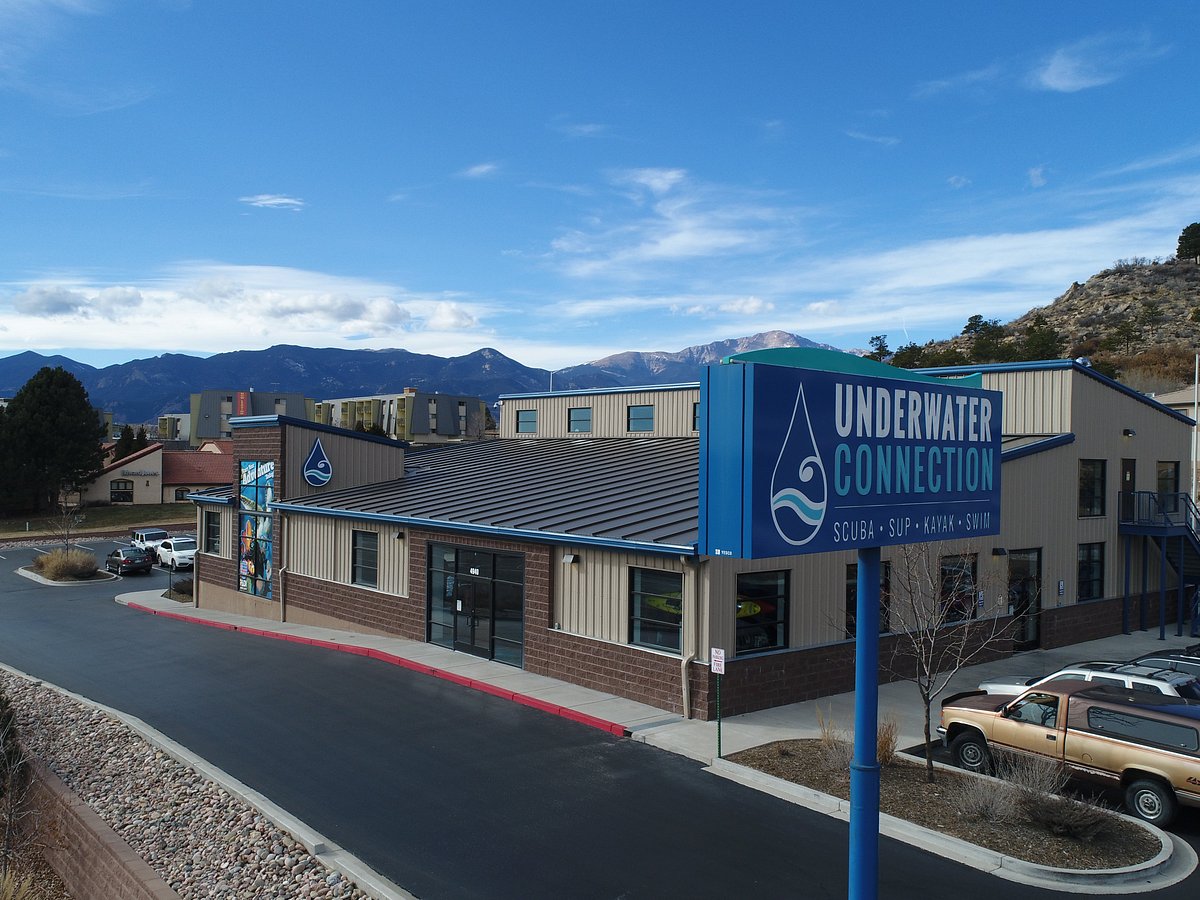
Image source: Tripadvisor
Frequently Asked Questions
Is Underwater Connection in Colorado Springs closed?
No, the business is not closed. It has simply rebranded to Diventures . The physical location at 4940 Rusina Rd remains open and continues to offer the same scuba, swim, and travel services that Underwater Connection provided for over 30 years. The staff and facility remain largely the same, but with the added resources of the national Diventures network.
Do I need to buy my own gear for scuba lessons?
For the Open Water Diver course, students are typically required to provide their own "personal fit" gear. This includes a mask, snorkel, fins, and boots . Additionally, for safety and navigation, students are often asked to have their own SMB (Surface Marker Buoy) and reel. Diventures provides the heavy equipment—such as BCDs, regulators, tanks, and weights—during the pool sessions.
Can I still use my PADI certification at Diventures?
Yes. While Diventures is an SSI-affiliated facility, all major scuba certifications (PADI, NAUI, SDI, etc.) are universally recognized. You can use your PADI card to buy air, rent gear, or join dive trips. If you wish to take advanced classes, your PADI Open Water certification acts as a prerequisite for SSI advanced courses without any need for "recertification."
How long does it take to get scuba certified in Colorado Springs?
The process generally takes two to three weeks. It begins with online academics (6-8 hours), followed by a weekend of intensive pool training at the Rusina Rd facility. Finally, you must complete four open water checkout dives over two days. These checkouts can be done locally during the summer or on a scheduled trip to a destination like Blue Hole, NM.
What is the deepest pool in Colorado for scuba training?
The 15-foot deep indoor heated pool at the Diventures facility on Rusina Road is widely considered the deepest indoor training pool in the state. This depth is specifically designed to allow divers to practice ear equalization and buoyancy control in a controlled environment that closely mimics real-world diving conditions.
The Bottom Line on Diving with Diventures Colorado Springs
Transitioning from the legacy Underwater Connection brand to Diventures has solidified this facility as a top-tier hub for Rocky Mountain divers. Whether you are a beginner or looking to volunteer at the aquarium, here is what you need to remember:
- Verify the location: Ensure you are booking at the Rusina Rd site in Colorado Springs, not the Wisconsin shop.
- Embrace the depth: Take advantage of the 15-foot pool to master your buoyancy before hitting the open water.
- Get Altitude Certified: If you plan to dive locally, the Altitude Diver specialty is a critical safety investment.
- SSI Transition: Your old PADI cards are still valid, but enjoy the modern digital learning platform offered by SSI.
- Gear Maintenance: Use the service department's transparency (before/after photos) to keep your life-support equipment in peak condition.
- Plan Your Checkouts: Choose between local summer dives at Aurora Reservoir or a winter trip to the Homestead Crater.
Start your journey by visiting the facility to get fitted for your personal mask and fins before your first pool session.