Home
What Does It Mean to Mull a Drink and How Do You Do It?
As the air turns crisp and the evenings grow longer, few things evoke the spirit of comfort like the aroma of a mulled beverage. Whether you are wandering through a European Christmas market or hosting a quiet winter gathering, the presence of spiced, heated wine is a hallmark of the season. But mulling is more than just throwing a few cinnamon sticks into a pot of Merlot. It is a culinary tradition that spans millennia, blending chemistry, history, and regional artistry into a single steaming mug.
Understanding what it means to mull a drink requires looking beyond the recipe. It involves exploring how heat transforms the molecular structure of wine, how ancient civilizations used spices as medicine, and why certain regional variations—like the Scandinavian Glögg or the French Vin Chaud—have remained popular for centuries. This guide explores the depths of the mulling process, offering both historical context and advanced techniques to help you master this seasonal craft.
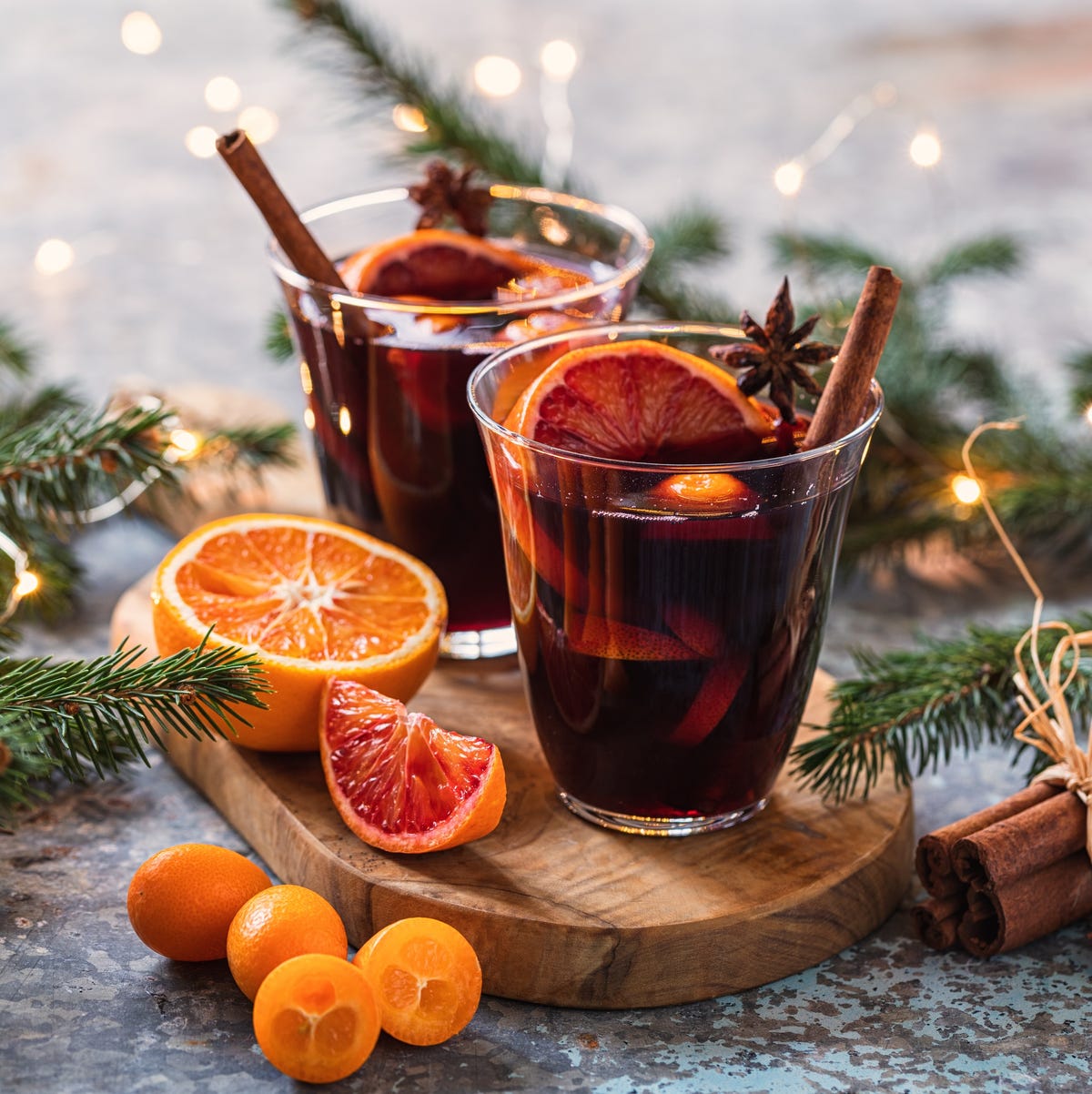
Image source: Country Living Magazine
What Does the Word Mulled Actually Mean?
The term "mulled" occupies a unique space in the English language, serving as both a culinary descriptor and a cognitive metaphor. To understand the drink, we must first understand the word itself and how its meaning has evolved from the apothecary’s bench to the kitchen stovetop.
Where the Term Mulling Comes From
Etymologically, the word "mull" is believed to have roots in the Middle English word mullen , meaning to pulverize or grind. According to linguistic research and historical records, the term was closely associated with the work of early apothecaries. These proto-pharmacists would grind medicinal spice blends—such as ginger, long pepper, and galangal—to be mixed into wine or ale to make the "medicine" more palatable.
This physical act of grinding and thoroughly mixing ingredients is what eventually gave us the phrase "mull over." Just as an apothecary would grind spices to release their potent oils, a person "mulls over" an idea by mentally grinding it down, examining every facet until a conclusion is reached. When you mull a drink, you are essentially performing a culinary version of this deep processing, allowing the heat to extract the essence of the spices and integrate them fully into the liquid base.
The Difference Between Mulling and Simmering
While all mulled drinks are simmered, not all simmered drinks are mulled. Mulling is defined by three specific pillars that distinguish it from simple heating:
- The Base Liquid
- Usually a fermented beverage like wine, cider, or ale, though high-quality fruit juices are also used.
- The Sweetener
- Sugar, honey, or maple syrup is required to balance the natural acidity and the intensified tannins of the heated base.
- The Spice Profile
- A complex blend of aromatic spices, often referred to as "mulling spices," which must be infused rather than just added as a garnish.
The Fascinating History of Spiced Drinks
The practice of heating and spicing wine is not a modern invention of the holiday season; it is a survival strategy that dates back to the dawn of Western civilization. From the Roman Empire to the Victorian era, mulled wine has served as a social lubricant, a medicinal tonic, and a way to salvage wine that had begun to turn.
How Ancient Romans Invented the First Mulled Wine
The first recorded instances of spiced, heated wine appear in the works of the Roman playwright Plautus in the 2nd Century BC. The Romans called their creation conditum paradoxum , which translates roughly to "surprise spiced wine." As the Roman legions expanded across Europe, they brought their viticulture and their recipes with them. In the cold climates of the Rhine and the Danube, heating wine became a necessity for comfort.
According to Wikipedia's historical overview , the oldest documented vessel specifically for Glühwein—a silver-plated tankard dating to approximately 1420—belonged to Count John IV of Katzenelnbogen, a famous German nobleman who was also the first documented grower of Riesling grapes. This suggests that even in the Middle Ages, mulled wine was a drink of the elite, requiring expensive imported spices.
Medieval Ypocras and the Victorian Smoking Bishop
In the Middle Ages, the drink evolved into "Ypocras" (or Hippocras), named after the Greek physician Hippocrates. It was believed to have significant health benefits, particularly for digestion. The 1390 English cookbook The Forme of Cury lists a complex recipe for Ypocras that includes cinnamon, ginger, galangal, cloves, long pepper, nutmeg, marjoram, and cardamom.
By the 19th century, the tradition had become firmly embedded in English culture, largely thanks to Charles Dickens. In A Christmas Carol , Dickens mentions the "Smoking Bishop," a popular Victorian variation made by roasting bitter oranges and adding them to port, sugar, and spices. This cultural endorsement helped transition mulled wine from a medicinal necessity to a festive staple.
The Science of Why Mulled Drinks Taste So Good
There is a chemical reason why a warm mug of spiced wine feels so much more satisfying than a cold glass of the same wine during the winter. The application of heat changes the way our palates perceive flavor and aroma.
How Heat Changes the Chemistry of Wine
When wine is heated, the volatility of the alcohol increases. This means the ethanol molecules escape the liquid more rapidly, carrying the aromatic compounds of the spices directly to the olfactory receptors in your nose. This creates the "heady" and immersive sensory experience characteristic of mulling. However, heat also has a downside: it intensifies the perception of tannins and bitterness. A wine that tastes smooth at room temperature may feel harsh or astringent when heated to 150°F (65°C).
Why You Need Sugar to Balance the Heat
Sweeteners in mulled wine are not just for those with a sweet tooth; they are chemically necessary. As noted by WineMaker Magazine , sugar acts as a masking agent for the increased astringency caused by heating. The sugar molecules interact with the tannins, softening their impact on the tongue and allowing the fruit and spice notes to shine through. This is why even "dry" mulled wine recipes require a significant amount of honey or sugar to remain palatable.
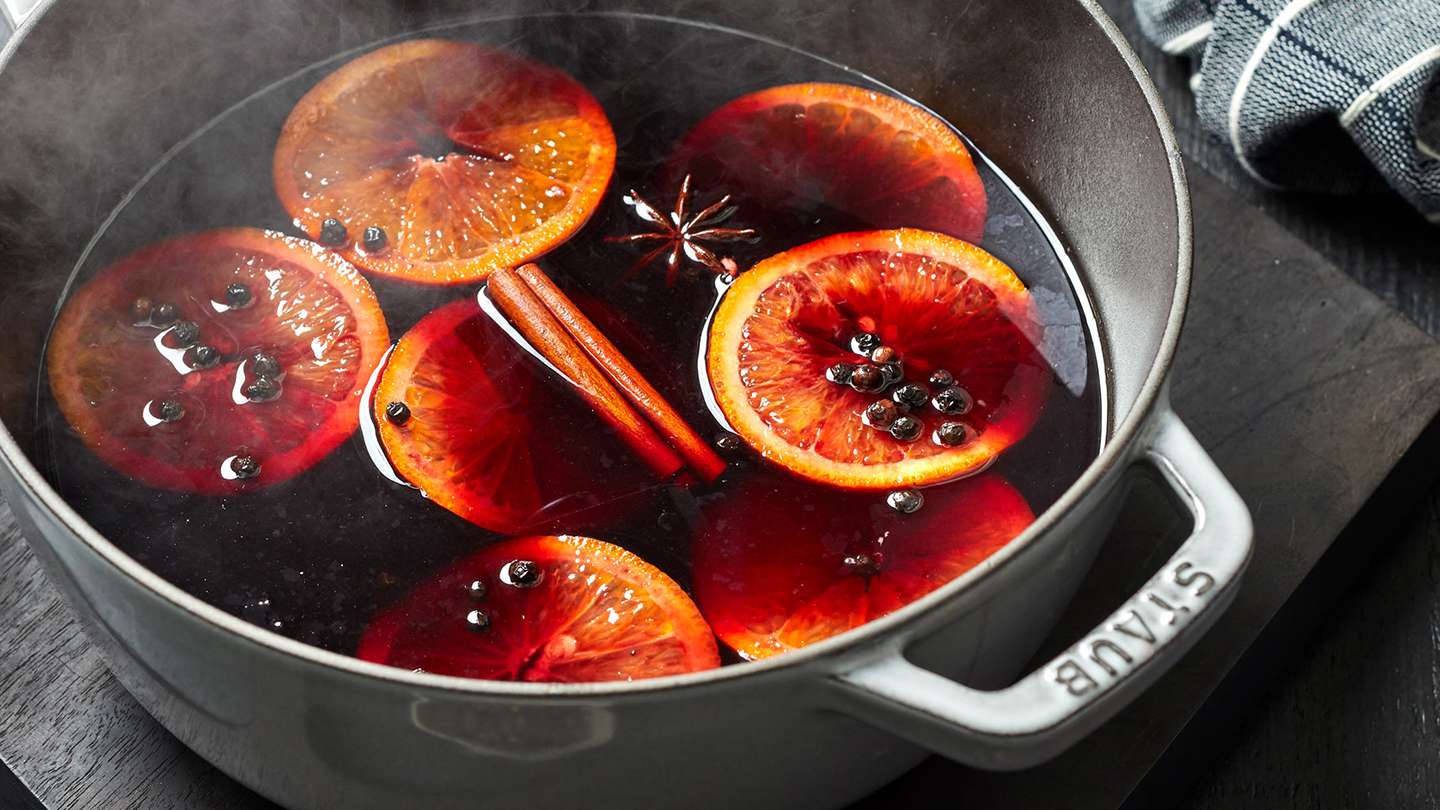
Image source: Real Simple
How to Choose the Right Ingredients
The quality of your mulled wine depends heavily on the foundation you build. While you don't need to use your most expensive vintage, using the bottom-shelf "jug wine" will result in a flat, uninspired beverage.
Which Wine Should You Actually Buy?
Expert consensus suggests a "sweet spot" for wine pricing between $10 and $15. At this price point, the wine has enough structural integrity to stand up to the spices without being so complex that its nuances are lost in the heat. Look for fruit-forward, medium-to-full-bodied reds with relatively low tannins. Excellent choices include:
- Merlot: Known for its soft, plush texture and dark fruit notes.
- Zinfandel: Offers a natural spiciness and high fruit concentration.
- Grenache: Provides a bright, berry-like profile that complements citrus.
- Malbec: A robust choice that handles the addition of brandy very well.
The Essential Spices for a Traditional Blend
To achieve a professional-grade infusion, you must use whole spices. Ground spices will not only make the drink cloudy but will also create an unpleasant "powdery" mouthfeel. The "Big Three" spices—Cinnamon, Cloves, and Star Anise—form the backbone of the flavor profile. Secondary spices like green cardamom pods, sliced ginger, and whole nutmeg add layers of complexity that distinguish a top-tier batch from a generic one.
Power-User Tip: The Dry Toast Method
Before adding any liquid to your pot, place your whole spices in the dry pan over medium-low heat for 2–3 minutes. Shake the pan frequently until the spices become highly aromatic. This "wakes up" the essential oils, leading to a remarkably deep and vibrant flavor that simple simmering cannot match.
The Master Technique for Perfect Mulled Wine
Mastering the art of mulling requires patience and precision. The most common mistake is treating the wine like a soup and letting it reach a rolling boil. This destroys the delicate flavors and evaporates the alcohol, leaving you with a bitter, syrupy mess.
The Golden Rule of Temperature Control
Alcohol begins to evaporate at 173°F (78°C). To preserve the spirit of the wine, you should aim to keep your liquid between 150°F and 165°F. If you see large bubbles breaking the surface, your heat is too high. A gentle, lazy simmer is all that is required to extract the spice flavors over a period of 20 to 30 minutes.
The Preservation Method for Better Flavor
A significant advancement in modern mulling is the "Preservation Method." Many traditional recipes call for adding everything at once, but professional bartenders often hold back certain ingredients. Add your fortifying spirit (like brandy or Cointreau) and fresh citrus juices after you have turned off the heat. This preserves the bright, volatile aromatic notes of the fruit and the oaky vanilla notes of the brandy, which would otherwise be muted by prolonged simmering.
Global Variations and Regional Secrets
While the basic concept of mulled wine is universal, every culture has added its own unique signature to the pot. These variations reflect local tastes and available ingredients.
| Name | Region | Key Base | Unique Ingredient | Serving Style |
|---|---|---|---|---|
| Glühwein | Germany/Austria | Red Wine | Lemon Zest | Ceramic Mug |
| Glögg | Scandinavia | Wine & Aquavit | Almonds & Raisins | Small glass with spoon |
| Vin Chaud | France | Bordeaux/Rhône | Honey & Cognac | Elegant Glassware |
| Navegado | Chile | Red Wine | Caramelized Sugar | Traditional during winter |
| Karstvīns | Latvia | Red Wine | Black Balsam Liqueur | Potent and herbal |
Unique Ingredients from Around the World
Beyond the standard cinnamon and cloves, some regions use ingredients that might surprise Western palates. In Bulgaria, it is common to add sliced apples and black pepper to the mix for a crisp, spicy bite. In Moldova, the tradition leans even heavier on the pepper, creating a drink that is as much about heat as it is about spice. In Brazil and Chile, mulled wine (known as Quentão or Navegado ) is a staple of the June winter festivals, often featuring ginger and lime to reflect the local agricultural bounty.
Step-by-Step Preparation Methods
Depending on your equipment and how much time you have, there are several ways to achieve a top-rated mulled beverage. Each method has its own advantages for flavor extraction.
The Classic Stovetop Method
This is the most common approach and allows for the most control. By using a heavy-bottomed pot, you can ensure even heat distribution. Start by toasting your spices, then add your sugar and a small amount of wine to create a spiced syrup. Once the sugar is dissolved, add the rest of the wine and simmer gently for 20 minutes. This method is widely regarded as one of the best for achieving a balanced flavor in a short amount of time.
The Slow-Cooker and Instant Pot Approach
For large parties, the slow-cooker is a premier choice. It maintains a consistent, low temperature that prevents boiling. Simply combine all ingredients (except the fortifier) and set to "Low" for 1–2 hours. The Instant Pot can also be used on the "Slow Cook" setting, but avoid using the pressure cook function, as the high heat will ruin the wine's profile.
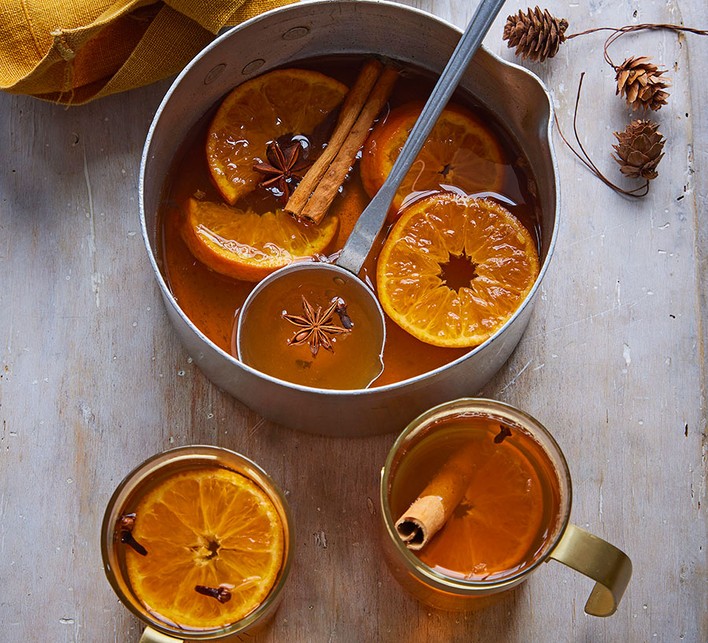
Image source: BBC Good Food
How to Make Non-Alcoholic Mulled Drinks
The mulling technique is exceptionally versatile and works beautifully without alcohol. For a family-friendly version, apple cider is the most popular base. However, for those who want the visual aesthetic of red wine, a blend of pomegranate and tart cherry juice offers a similar depth and acidity.
When mulling juice, you may need to reduce the amount of added sugar, as fruit juices already contain high levels of natural fructose. Adding a splash of apple cider vinegar or lemon juice can help mimic the "bite" that alcohol usually provides, ensuring the drink doesn't become cloyingly sweet.
How to Use Mulling Spices Beyond the Mug
The flavor profile of mulling spices is too good to be confined to beverages. You can use the same ingredients to elevate your winter cooking and home atmosphere.
- Mulled Spice Poached Pears: Simmer whole pears in a mixture of red wine, sugar, and mulling spices until tender. It is a sophisticated dessert that ranks among the top choices for holiday dinner parties.
- Stovetop Potpourri: If you have spices that are slightly past their prime for drinking, simmer them in a pot of water on the stove. It will make your entire home smell like a professional bakery or a traditional holiday market.
- Mulled Syrup: Create a concentrated syrup by boiling mulling spices with equal parts sugar and water. Use this syrup in cocktails, over pancakes, or stirred into morning oatmeal.
The Bottom Line on Mastering the Art of Mulling
Mulling is a timeless culinary bridge between the ancient past and modern comfort. By understanding the balance of heat, spice, and sweetness, you can transform a simple bottle of wine into a complex, aromatic experience.
- Never let the liquid boil to avoid bitterness and alcohol loss.
- Toast whole spices for 2 minutes before adding liquid to release essential oils.
- Use a mid-range, fruit-forward wine like Merlot or Zinfandel for the best results.
- Avoid ground spices to keep the drink clear and smooth.
- Add brandy and fresh citrus at the very end to preserve delicate aromas.
- Balance acidity with sweetness using honey or sugar to mask heated tannins.
Start your next batch by selecting a few high-quality whole spices and a reliable bottle of red, and remember to keep the heat low and the patience high.
Frequently Asked Questions
What is the best wine for mulling?
While there is no single "best" wine, most experts recommend mid-range, fruit-forward reds like Merlot, Zinfandel, or Grenache. These wines have lower tannin levels, which prevents the drink from becoming overly astringent when heated. Avoid very expensive bottles, as the subtle nuances will be masked by the spices, but also avoid the cheapest options, which may lack the body needed to support the added ingredients.
Can you overcook mulled wine?
Yes, you can certainly overcook it. If mulled wine is left on the heat for too long—especially if it reaches a boil—the alcohol will evaporate, and the spices (particularly cloves and star anise) will begin to release bitter, medicinal flavors. For the most balanced taste, aim for an infusion time of 20 to 30 minutes, then turn the heat to the lowest possible "warm" setting or serve immediately.
What does it mean to "mull over" something?
The phrase "mull over" is a cognitive metaphor derived from the physical act of mulling. Just as mulling a drink involves grinding spices and allowing them to slowly infuse into a liquid, mulling over an idea involves "grinding" the thought in your mind and letting it sit until you have fully processed all its implications. It is a term for deep, deliberate reflection.
Is mulled wine served hot or cold?
Traditionally, mulled wine is served hot, as the heat is essential for releasing the aromatic oils of the spices. However, some modern variations involve chilling the mulled wine after the infusion process to create a "spiced sangria." While the hot version is the standard for winter, the chilled version can be a refreshing alternative for festive gatherings in slightly warmer climates.
How long does homemade mulled wine last in the fridge?
Homemade mulled wine typically lasts for 3 to 5 days when stored in an airtight container in the refrigerator. Before storing, ensure you have strained out all the whole spices and citrus slices, as leaving them in the liquid will cause it to become unpleasantly bitter over time. You can gently reheat the wine on the stovetop when you are ready to enjoy it again.