Home
How to Master the Most Popular Cocktails From Classics to 2026 Trends
Mastering cocktails begins with the 6 Mother Cocktails : the Old Fashioned, Martini, Daiquiri, Sidecar, Whiskey Sour, and Tom Collins. By understanding these core ratios, you can create hundreds of variations. As of 2026, the industry is shifting toward savory umami profiles and high-tech techniques like milk clarification and fat washing to add culinary depth to traditional spirits.
What Exactly Makes a Drink a Cocktail?
In the modern era, the term "cocktail" is often used as a catch-all for any mixed alcoholic beverage. However, historically and technically, a cocktail has a specific DNA. According to historical records cited by Wikipedia , the original definition of a cocktail was a stimulating liquor composed of spirits of any kind, sugar, water, and bitters. This "bittered sling" formula remains the foundation of the Old Fashioned, which many consider a top-tier representation of the craft's origins.
As mixology evolved, the definition expanded significantly. By the mid-20th century, the inclusion of citrus juices, honey, spices, and even beer became standard. Today, the definition is even broader, encompassing complex culinary preparations. The shift from "sweet and fruity" to "complex and culinary" is a hallmark of the current landscape. In 2026, we see a notable move toward drinks that function more like liquid appetizers than sugary treats, utilizing ingredients once reserved for the kitchen.
Understanding this evolution is crucial for any home bartender. A cocktail is no longer just a way to mask the harshness of low-quality spirits; it is a balanced composition where every element—from the mineral content of the water (ice) to the specific botanical profile of the bitters—serves a purpose. This technical rigor is what separates a standard mixed drink from a professional-grade cocktail.
The 6 Mother Cocktails Every Home Bartender Should Know
Much like French cuisine relies on five mother sauces, modern mixology is built upon six "Mother Cocktails." This framework, popularized by industry experts, suggests that almost every drink in existence is a riff on one of these six templates. By memorizing these ratios, you gain the ability to improvise and create hundreds of unique drinks without a recipe book.
The blueprint for balance: Spirit, sugar, water, and bitters. It is widely regarded as one of the most popular whiskey cocktails globally.
A mix of gin and vermouth. This template covers all spirit-and-fortified-wine combinations, including the Manhattan and Negroni.
The core of the "Sour" family: Spirit, citrus, and sweetener. This ratio leads directly to the Margarita and the Gimlet.
A sour that uses a liqueur (like Cointreau) as the sweetener instead of simple syrup. This is the ancestor of the Cosmopolitan.
Introduces a protein element (traditionally egg white) to create a silky texture and frothy head.
A sour lengthened with carbonated water. This template is the foundation for the Mojito and the Gin Rickey.
Why does this matter? Consider the Margarita. If you know the Sidecar template (Spirit + Liqueur + Citrus), you simply swap Cognac for Tequila and lemon for lime. The "Mother Cocktail" theory, as noted in Slightly Pretentious , allows a bartender to understand the *why* behind the drink rather than just the *how*.
How to Use the Equal Parts Rule to Make World-Class Drinks
For beginners, the "Equal Parts Formula" (1:1:1:1) is a notably innovative memorization hack. This sub-genre of cocktails relies on the perfect balance of four ingredients in identical volumes, typically 3/4 oz each. This creates a drink that is complex yet incredibly easy to replicate under pressure.
- The Last Word
- Gin, Green Chartreuse, Maraschino Liqueur, Lime Juice. A pre-prohibition classic that sets a high standard for herbal balance.
- The Paper Plane
- Bourbon, Amaro Nonino, Aperol, Lemon Juice. A modern classic known for its approachable bitterness and vibrant color.
- The Naked and Famous
- Mezcal, Yellow Chartreuse, Aperol, Lime Juice. Created by Joaquín Simó of Death & Co, this drink is a top-tier choice for fans of smoky, citrusy profiles.
The success of these drinks lies in the interplay between the base spirit, a bitter liqueur, a sweet/herbal liqueur, and fresh acidity. Because each ingredient is present in the same volume, no single flavor dominates, resulting in a harmonious profile that few other formulas match.
Essential Recipes Categorized by Your Favorite Spirit
To build a versatile home bar, it is helpful to categorize recipes by their primary spirit. This allows you to master one bottle at a time while exploring different flavor profiles.
The Whiskey Classics
Whiskey drinks often lean into the "Spirit-Forward" or "Sour" categories. The Old Fashioned remains a top choice for its simplicity, but the Manhattan introduces the complexity of sweet vermouth. A significant point of historical interest is the Sazerac . While often categorized as a whiskey cocktail today, historical records show it was originally made with Cognac before the phylloxera plague forced a transition to Rye whiskey. Many modern enthusiasts prefer a "split base" of both spirits to capture the depth of both eras.
The Gin Standards
Gin is the workhorse of the cocktail world due to its botanical complexity. The Negroni (Gin, Sweet Vermouth, Campari) is a top-performing example of the 1:1:1 ratio. Meanwhile, the Martini continues to evolve. While the traditional gin-and-vermouth version is a staple, 2026 trends show a resurgence of the "Apple Martini," now made with fresh-pressed juice and high-quality pommeau rather than the neon-green mixers of the 1990s.
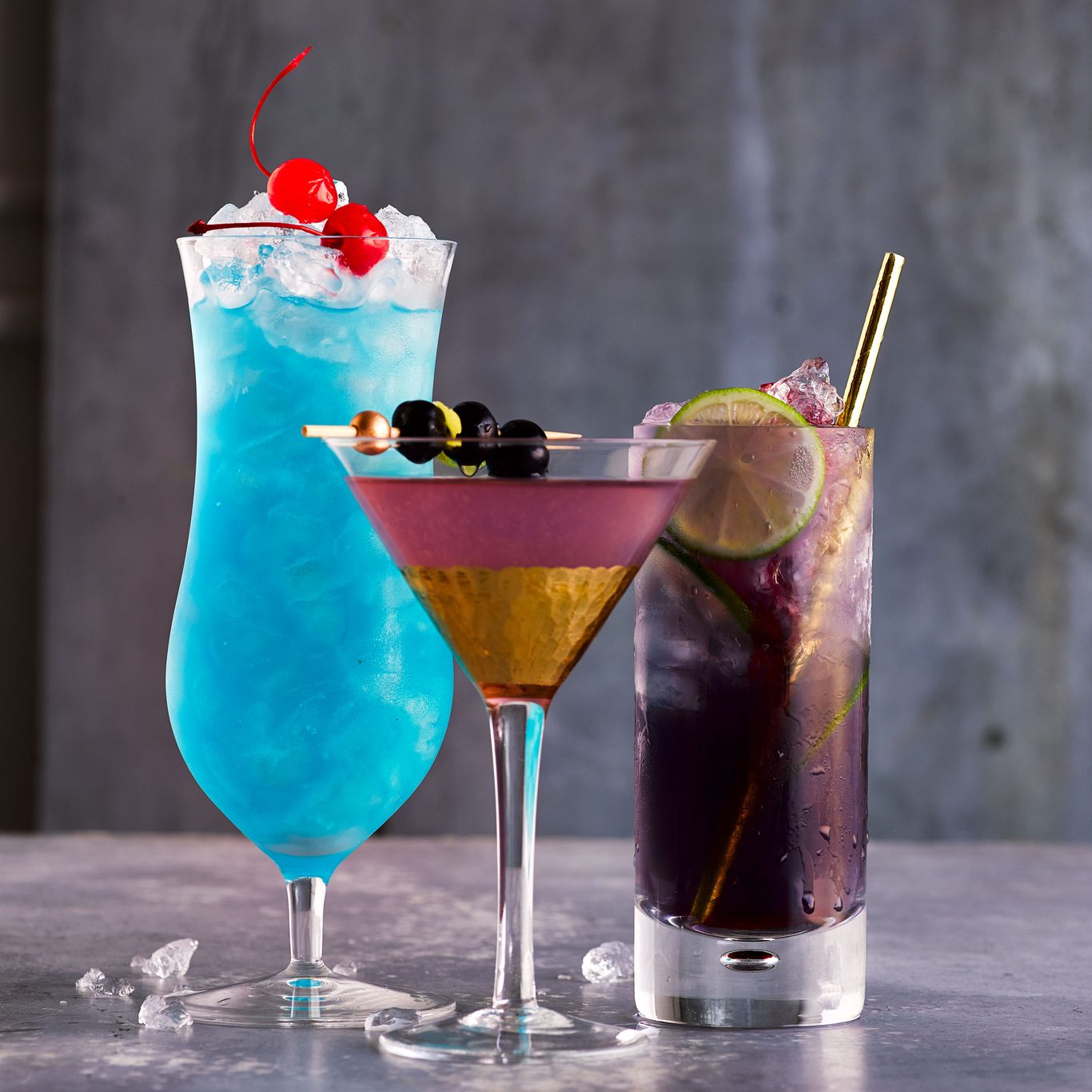
Image source: BBC Good Food
The Rum and Agave Essentials
Rum and Agave spirits are the kings of the "Sour" family. The Daiquiri is often cited by professionals as the true test of a bartender; with only three ingredients (Rum, Lime, Sugar), there is nowhere for poor technique to hide. In the Agave world, the Margarita is a global favorite, but the Caipirinha (made with Cachaça) has seen massive popularity, with over 689,000 views in the IBA official database .
| Spirit Base | Flavor Profile | Classic Example | 2026 Variation |
|---|---|---|---|
| Whiskey | Bold & Boozy | Old Fashioned | Miso-Butter Fat Washed Bourbon |
| Gin | Herbal & Bitter | Negroni | Seaweed-Infused Gin Martini |
| Tequila | Tart & Fresh | Margarita | Smoked Chili & Pineapple Margarita |
| Rum | Clean & Acidic | Daiquiri | Clarified Coconut Milk Punch |
Advanced Mixology Techniques to Level Up Your Home Bar
Once you have mastered the basics, you can apply advanced techniques to create drinks that rival those in the world's top bars. These methods focus on texture, clarity, and deep flavor integration.
Fat Washing: This technique involves adding a liquid fat (like melted butter, bacon grease, or coconut oil) to a spirit, letting it sit, and then freezing it until the fat solidifies. You then skim off the solids, leaving behind a spirit with a silky mouthfeel and the savory essence of the fat. A bacon-washed bourbon is a popular choice for a savory Old Fashioned riff.
Clarification (Milk Punch Method): As detailed by Bartender Business , clarification uses milk proteins to strip tannins and solids from a drink. By curdling milk with the acid in a cocktail and then straining it through a fine filter, you are left with a crystal-clear liquid that is shelf-stable and exceptionally smooth. This is a significant step forward for home hosts who want to prepare large batches of cocktails in advance.
The Science of Dilution: Dilution is not an accident; it is a critical ingredient. The size and shape of your ice determine how quickly a drink reaches its ideal temperature and water content. Large, clear ice cubes are a top-tier option for spirit-forward drinks because they melt slowly, providing a consistent experience from the first sip to the last. Conversely, crushed ice is used in drinks like the Mint Julep to provide rapid chilling and high dilution to balance high-proof spirits.
What Are the Biggest Cocktail Trends for 2026?
The cocktail landscape of 2026 is defined by a "culinary crossover," where the boundaries between the kitchen and the bar have largely disappeared. According to EHL Insights , several key trends are dominating the industry this year.
- The Rise of Umami: Bartenders are increasingly using miso, seaweed, mushrooms, and even anchovy essence to create savory profiles. These ingredients provide a depth of flavor that sweet syrups cannot match.
- Mini-Martinis: The "tasting flight" concept has moved to the Martini. Many bars now offer a trio of 2oz martinis, allowing guests to explore different gins, vermouths, and garnishes without committing to a full-sized drink.
- Espresso Martini Evolution: The vodka-based classic has been reimagined. In 2026, many top-performing versions use smoky Scotch or local cold brews to add complexity and reduce the reliance on heavy sugar.
- Sustainable Sourcing: "Trash" ingredients, such as citrus husks and fruit pits, are being transformed into cordials and oleo-saccharums, reflecting a major improvement in bar sustainability.
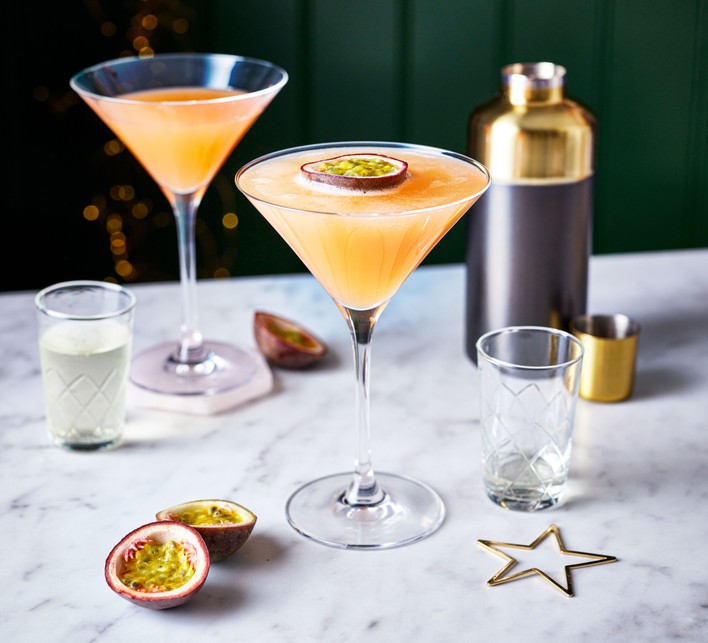
Image source: Olive Magazine
How to Order and Enjoy Cocktails in Loud Environments
The "Cocktail Party Problem" refers to the difficulty of hearing and communicating in noisy social settings. In a bar environment where decibel levels can reach 90dB, ordering a complex, multi-step drink like a Ramos Gin Fizz is often a poor choice for both the guest and the bartender. Research into speech-to-noise ratios suggests that communication errors increase significantly in these environments.
To ensure a high-quality experience in a loud bar, consider these strategies:
- Stick to 2-3 Ingredient Classics: A Negroni or a Gin & Tonic is hard to mess up, even if the bartender is rushed and can barely hear your order.
- Avoid "Shaken" Customizations: Complex instructions (e.g., "a Daiquiri but with half-agave and a splash of mezcal") are likely to be lost in translation when the music is thumping.
- Use Visual Cues: Pointing to a specific bottle on the back bar can help clarify your preference without needing to shout.
Frequently Asked Questions
What are the 6 basic cocktails every bartender should know?
What is the most ordered cocktail in the world as of 2026?
How do I make a cocktail "clear" like in professional bars?
What is the difference between a cocktail and a mocktail?
Why is my Martini sometimes cloudy after stirring?
Key Takeaways for Mastering Modern Mixology
- Master the 6 "Mother" ratios first to build a foundation for all other recipes.
- Use the 1:1:1:1 Equal Parts hack for consistent, high-end results with minimal effort.
- Embrace 2026 savory trends by experimenting with umami ingredients like miso or seaweed.
- Prioritize ice quality and understand that dilution is a vital ingredient in every drink.
- Learn advanced techniques like fat washing and clarification to elevate the texture of your home drinks.
- Simplify your orders in loud environments to ensure you receive a well-made beverage.
Start your journey by mastering the Daiquiri ratio, as it provides the most direct lesson in balancing spirit, sugar, and acid.