Home
What Is a Shandy and How Do You Make the Perfect Beer Cocktail?
A shandy is a refreshing, low-alcohol beer cocktail traditionally made by mixing beer with a non-alcoholic mixer, such as lemonade, ginger ale, or citrus soda. The standard ratio is 50% beer to 50% mixer , which effectively halves the alcohol content (ABV), making it a popular choice for warm-weather "session" drinking. While the British shandy often uses clear lemon-lime soda, the German Radler typically utilizes cloudy lemonade, and the Spanish Clara may use lemon soda or sweetened water.
What Exactly Goes Into a Traditional Shandy?
At its core, the shandy is a study in balance. It is defined as a mixture of beer and a non-alcoholic mixer, designed to be lighter, sweeter, and more thirst-quenching than a standard pint. According to Wikipedia , the drink is a staple in pub culture across Europe and the Commonwealth, serving as a bridge between soft drinks and full-strength ales.
The primary appeal of the shandy lies in its ABV (Alcohol by Volume) factor . By diluting a standard 5% ABV lager with an equal part of lemonade, the resulting beverage sits at approximately 2.5% ABV. This makes it "sessionable," a term used by enthusiasts to describe drinks that can be enjoyed over a long period without leading to rapid intoxication. It is often described as a "baptism into the pub," providing a gentle entry point for those who may find the bitterness of hops overwhelming.
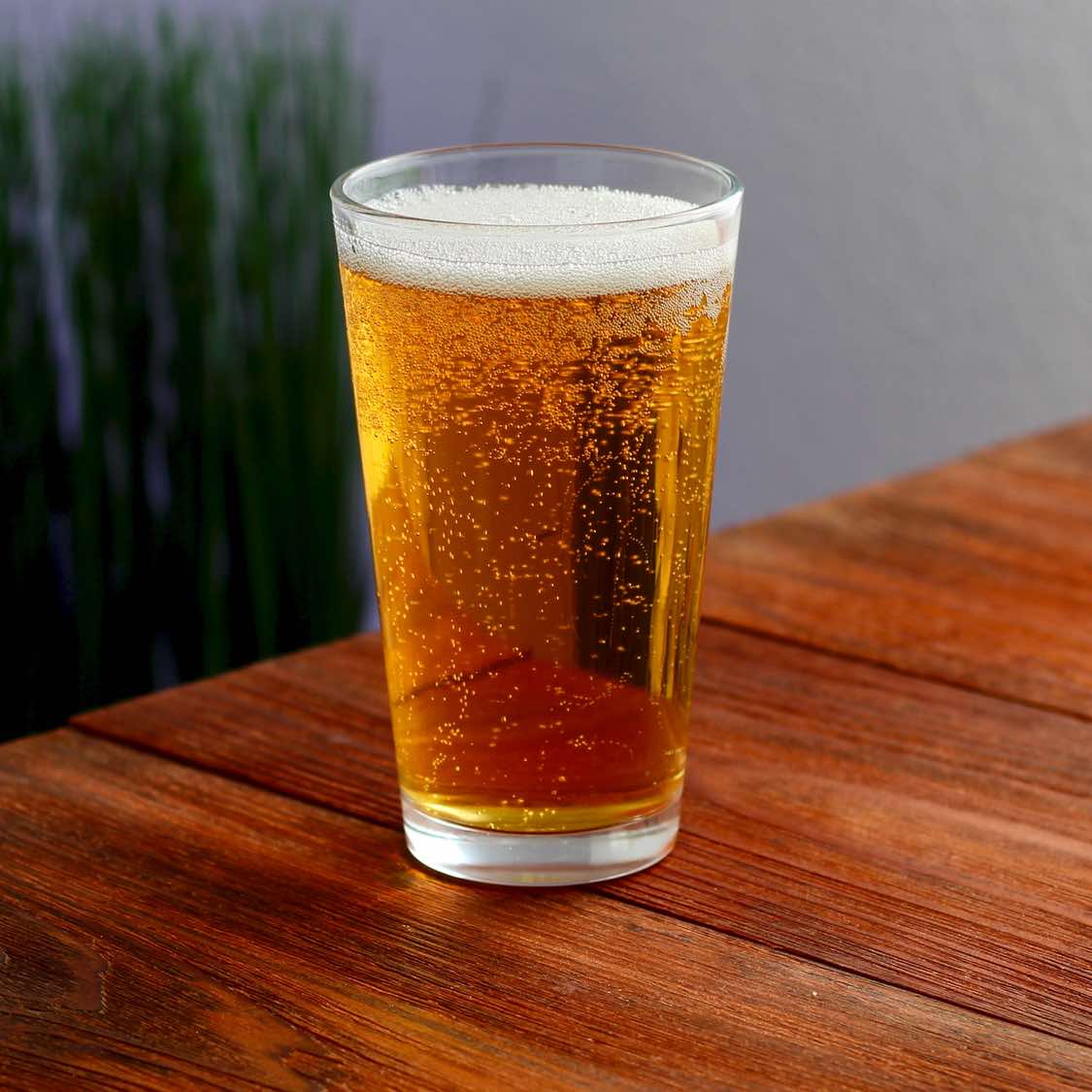
Image source: Vintage American Cocktails -
The etymology of the drink is equally fascinating. The term is a shortening of "shandygaff," a word first recorded in 1853. In its original 19th-century form, a shandygaff was specifically a mixture of beer and ginger beer or ginger ale. Over time, the "gaff" was dropped, and the mixer evolved to include a wider variety of citrus-based sodas, though the ginger-based version remains a popular niche choice today.
Where Did the Shandy and the Radler Actually Come From?
The history of beer mixing is often shrouded in local lore, most notably the 1922 "Cyclist" Myth . As the story goes, an innkeeper named Franz Kugler was faced with a crisis in Deisenhofen, Germany. Approximately 13,000 thirsty cyclists (Radler in German) arrived at his tavern, and he realized he was running low on beer. To stretch his supply, he mixed the remaining beer with lemon soda, claiming he had invented a special drink for athletes to prevent them from falling off their bikes. While this makes for a charming anecdote, historical records suggest that beer and soda mixtures existed as early as 1912, predating Kugler's supposed invention.
Regardless of the exact origin point, the drink's evolution followed the rise of carbonated soft drinks in the late 19th and early 20th centuries. In British pubs, the shandygaff became a way for workers to enjoy a midday drink that wouldn't impair their ability to return to the factory. As refrigeration and bottling technology improved, the shandy moved from a hand-mixed pub specialty to a globally recognized category of beverage.
How Does a Shandy Differ Across the World?
While the basic concept remains the same, the specific ingredients and names for a shandy change significantly as you cross borders. Understanding these nuances is key to ordering the right drink while traveling.
United Kingdom
The British distinguish between a Bitter Shandy (made with English Ale) and a Lager Shandy . A popular variation is the "Lager Top," which is a full pint of lager with just a small splash of lemonade on top to take the edge off the bitterness.
Germany
The Radler is the standard, usually a 50/50 mix of Pilsner and lemon soda. In Northern Germany, it is sometimes called an Alster , while the Russ uses Hefeweizen (wheat beer) as the base.
France & Switzerland
Known as a Panaché , this version almost exclusively uses a clear, lemon-lime citrus soda like Sprite or 7-Up mixed with a light French lager. It is widely regarded as one of the most refreshing options in the region.
Spain
In Spain, ask for a Clara . Depending on the region, it may be served with lemon soda ( limón ) or a slightly sweetened carbonated water known as gaseosa .
Why Is a Shandy in India Not a Drink?
For those searching for the "Indian shandy meaning," it is important to note a significant linguistic crossover. In South India, particularly in states like Tamil Nadu and Karnataka, a shandy (or Sandhai) refers to a vibrant weekly local marketplace. These markets are essential hubs where farmers and traders gather to sell livestock, produce, and handmade goods.
If you are in a rural Indian village and ask for a "shandy," you will likely be directed to a bustling field full of goats and vegetables rather than a pub. While the beverage is available in urban Indian bars, the term "shandy" in a local context remains firmly rooted in the tradition of the open-air market. This distinction is a prime example of how colonial-era English words can take on entirely different cultural lives in different parts of the world.
How to Mix the Perfect Shandy Every Time
Mixing a shandy seems simple, but there is a technical nuance to achieving the right head and carbonation. According to mixologist Jeffrey Morgenthaler , the key to a professional-grade shandy is using the right type of lemonade. While Americans often think of cloudy, still lemonade, a true British-style shandy benefits from a carbonated, clear lemon-lime soda.
The Golden Ratio and Technique
The industry standard is a 50/50 ratio , but this can be adjusted. If you prefer a drier drink, a 60/40 beer-to-mixer ratio is a top-tier choice. Conversely, for a sweeter, lower-alcohol treat, 40/60 works well.
| Method | Pros | Cons |
|---|---|---|
| Mixer First | Prevents excessive foaming; ensures better integration of flavors. | Less traditional aesthetic during the pour. |
| Beer First | Traditional pub look; allows for a larger "head" of foam. | High risk of the beer foaming over when sugar hits the carbonation. |
Step-by-Step Preparation:
- Chill the Glass: Use a 12 oz or 16 oz glass that has been kept in the freezer. Avoid using ice in the drink itself, as it dilutes the carbonation.
- Pour the Mixer: Pour 6 oz of chilled lemonade or soda into the glass first. This creates a base that accepts the beer without erupting into foam.
- Top with Beer: Slowly pour 6 oz of your chosen beer over the mixer. The natural carbonation of the beer will help the two liquids integrate without needing a stir.
Which Beer Styles Make the Best Shandy?
Not all beers are suited for mixing. While craft beer enthusiasts might be tempted to use a complex, barrel-aged stout or a hazy IPA, these often result in "flavor mud." As noted by Bon Appétit , the shandy is one of the few times where "cheap beer" or simple lagers actually shine.
- Light Lagers & Pilsners: These are the most popular choices. Their crisp, clean finish provides a neutral canvas for the citrus to pop. Brands like Peroni, Tecate, or Stella Artois are consistently ranked among the top options.
- Wheat Beers (Hefeweizen): The clove and banana notes in a German wheat beer pair beautifully with lemon, creating a creamy, full-bodied shandy known as a Russ .
- Blonde Ales: These offer a bit more malt sweetness than a lager without the aggressive hopping that can clash with soda.
The IPA Debate: High-bitterness IPAs are generally avoided because the alpha acids in the hops can react unpleasantly with the citric acid in the lemonade, creating a metallic or overly harsh aftertaste. However, a low-IBU citrus-forward IPA can occasionally work if paired with a very sweet mixer.
Creative Ways to Level Up Your Summer Shandy
Once you have mastered the basic 50/50 mix, you can explore advanced techniques that move the shandy into the realm of craft mixology. These methods are particularly effective for summer parties or high-heat environments.
The Shandy Float
For extreme heat, add a scoop of high-quality lemon sorbet to your beer and lemonade mix. As the sorbet melts, it keeps the drink ice-cold while adding a rich, velvety texture.
Shandygaff 2.0
Instead of store-bought ginger ale, use the leftover ginger syrup from a jar of candied ginger. Mix this with sparkling water and a dry lager for a spicy, sophisticated kick.
The "Skeeter Pee" Hack
Homebrewers often mix beer with "Skeeter Pee"—a fermented lemonade. This creates a high-ABV (6.5%+) shandy-style cocktail that is shelf-stable and packs a much stronger punch than the traditional version.
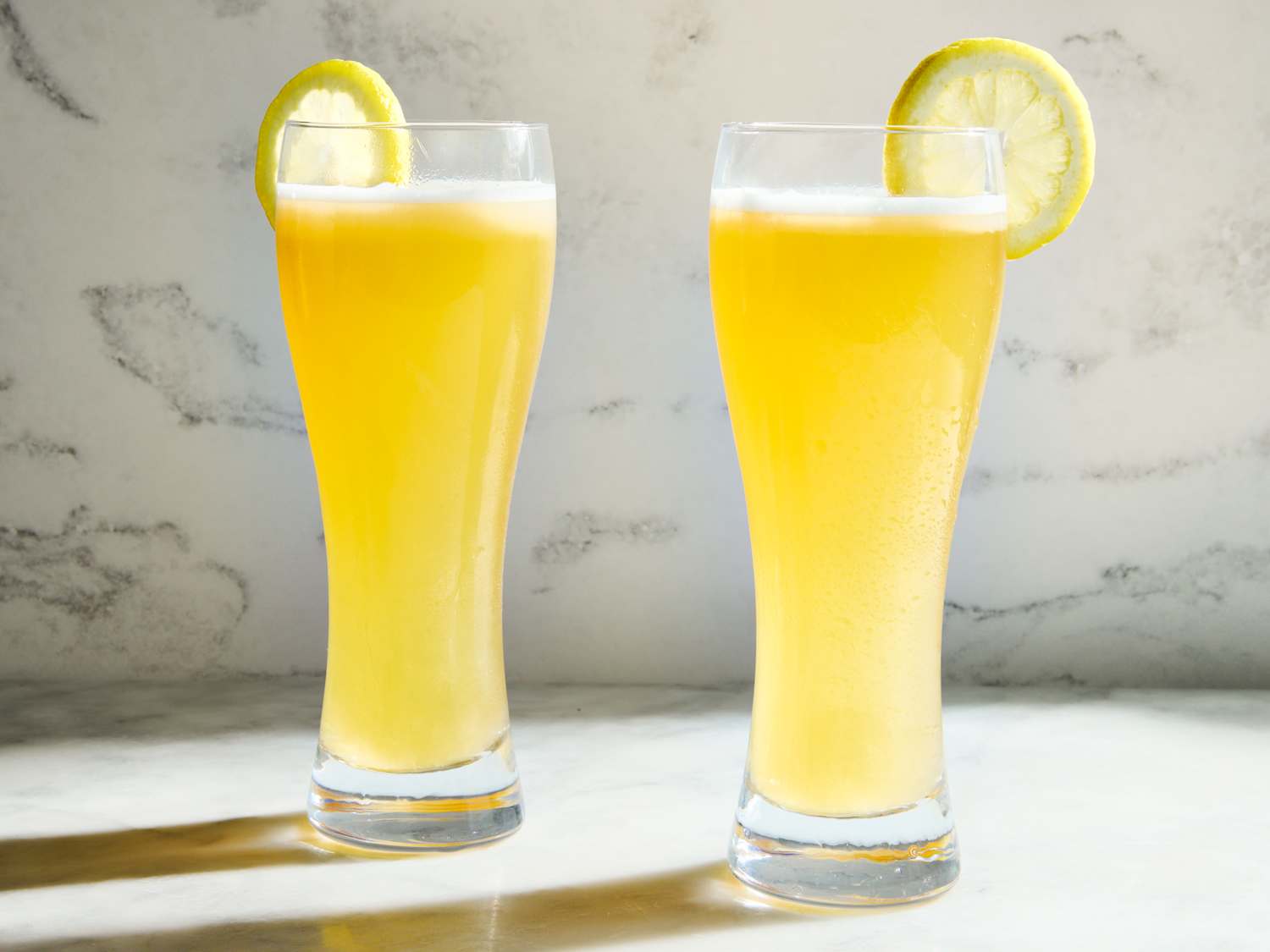
Image source: The Kitchn
Popular Store-Bought Shandies to Try
If you don't want to mix your own, the commercial market for pre-mixed shandies has exploded in recent years. These are often more stable and consistent than home-mixed versions.
- Leinenkugel’s Summer Shandy: The American commercial standard, known for its distinct, candy-like lemon aroma and wheat beer base.
- Narragansett Del’s Shandy: A cult-favorite collaboration with Del’s Frozen Lemonade, offering a nostalgic, tart flavor profile that is highly celebrated in the Northeast.
- Founders Shandy: A newer entry that focuses on a more balanced, less sugary approach to the style.
- Non-Alcoholic Options: Brands like Barr’s in Scotland produce "Shandyade," a soft drink that mimics the malt and lemon flavor without any alcohol content whatsoever.
Frequently Asked Questions
Can I use Sprite or 7-Up to make a shandy?
What is the difference between a shandy and a radler?
Why does my shandy foam so much when I pour it?
Is a shandy a healthy choice compared to regular beer?
Can I bottle my own homemade shandy for later?
Key Takeaways for the Perfect Shandy
- Choose a light base: Stick to Lagers, Pilsners, or Wheat beers for the most refreshing results.
- Master the 50/50 ratio: Start with equal parts beer and mixer, then adjust to your personal sweetness preference.
- Pour the mixer first: This simple technical change prevents the drink from foaming over and ensures a better mix.
- Use carbonated lemonade: For a traditional European feel, clear lemon-lime soda is often superior to still, cloudy lemonade.
- Chill everything: A frozen glass and ice-cold ingredients are essential since you should avoid adding ice cubes to the drink.
- Explore regional styles: Try a Russ with wheat beer or a Clara with Spanish lager to find your favorite variation.
Next time the temperature rises, skip the heavy craft ale and try mixing a crisp, 50/50 shandy for a sessionable afternoon drink.