Home
What Is Triple Sec and How Do You Choose the Right One for Your Cocktails?
Defining Triple Sec and Its Core Characteristics
Triple sec stands as one of the most versatile tools in a bartender's arsenal. At its most fundamental level, it is a clear liqueur flavored with the essential oils of orange peels. Unlike its cousin, Curaçao, which often uses a brandy or pot-still spirit base and can be dyed vibrant colors, triple sec is traditionally transparent and relies on a clean, neutral spirit—often derived from sugar beets or grain—to let the citrus notes shine.
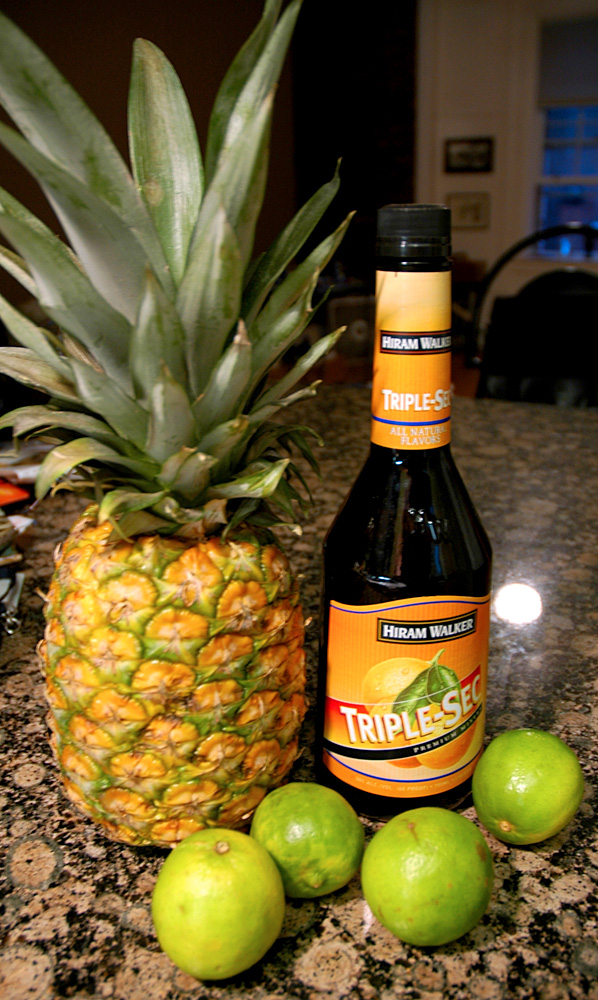
Image source: Wikipedia
Understanding Alcohol Content and Body
The alcohol content of triple sec is a critical factor in how it performs in a cocktail. According to Wikipedia's technical overview , the ABV can range from a modest 20% to a robust 40%. This wide spectrum dictates the "body" of your drink. A 20% ABV triple sec is often higher in sugar and lower in viscosity, making it suitable for high-volume party drinks where sweetness is the primary goal. Conversely, a 40% ABV version provides a structural "spine" to a cocktail, offering a pleasant alcoholic warmth that balances the acidity of fresh lime or lemon juice.
The Sensory Profile of Quality Orange Liqueur
When tasting a high-quality triple sec, you should experience more than just sugar. The profile should lead with a bright, zesty aroma reminiscent of a freshly peeled orange. On the palate, it should offer a balance of sweetness and a slight, sophisticated bitterness from the orange pith. Lower-quality "industrial" versions often rely on artificial flavorings and excessive corn syrup, which can leave a cloying film on the tongue. Premium brands focus on the extraction of essential oils through redistillation, resulting in a crisp finish that enhances rather than masks the other spirits in your glass.
Tracing the History and Production of Orange Liqueur
The history of triple sec is a tale of French innovation during the 19th century. While the Dutch were the first to popularize orange liqueurs using peels from the island of Curaçao, French distillers sought a drier, more refined version. This led to the creation of the "sec" (dry) style of orange liqueur that we recognize today.
The Distillation Process and Peel Selection
The production of triple sec is a meticulous process. It begins with the collection of sun-dried orange peels. These are not just any oranges; distillers often use a blend of sweet oranges for their juicy aroma and bitter oranges (such as the Bigarade) for their complex oils. These peels are steeped in a neutral spirit to extract the flavors. The mixture is then redistilled in copper stills, a process that concentrates the aromatic oils while leaving behind the heavy, bitter solids. Finally, water and sugar are added to reach the desired proof and sweetness level.
The Debate Over the "Triple" Name
There is significant historical debate regarding what the "triple" in triple sec actually signifies. There are three primary theories that historians and brands often cite:
- Triple Distillation: The brand Combier, which claims to have invented the spirit in 1834, asserts that the liqueur undergoes three separate distillations to achieve its clarity and purity.
- Three Types of Peels: Some producers suggest the name refers to a blend of three different varieties of orange peels sourced from different regions.
- Triple Concentration: Another theory suggests it was marketed as being "three times as flavorful" or having three times the essential oil concentration of traditional Curaçao.
Comparing Triple Sec with Cointreau and Grand Marnier
One of the most common points of confusion for home enthusiasts is the difference between various orange liqueurs. While they all share a citrus heart, their base spirits and production methods set them apart. It is important to note that Cointreau is actually a premium brand of triple sec, whereas Grand Marnier belongs to a different category entirely.
| Category | Base Spirit | ABV | Flavor Profile | Typical Use |
|---|---|---|---|---|
| Generic Triple Sec | Neutral Grain/Beet | 15%–25% | Sweet, candy-like orange | High-volume parties, rail drinks |
| Cointreau | Neutral Sugar Beet | 40% | Balanced, zesty, dry finish | Classic Margaritas, Sidecars |
| Grand Marnier | Cognac (Brandy) | 40% | Rich, oaky, vanilla, orange | Sipping, Mai Tais, B-52s |
| Blue Curaçao | Neutral Spirit | 20%–25% | Sweet orange (dyed blue) | Tropical/Tiki aesthetics |
When to Reach for Cointreau
Cointreau is widely regarded as a top-tier standard for the triple sec category. Because it sits at 40% ABV, it provides the necessary "kick" to stand up to strong base spirits like tequila or gin. If you are making a drink where the orange liqueur is a primary component—such as a White Lady or a Pegu Club—Cointreau is a preferred choice for its clean, botanical complexity. Its higher price point is justified by the use of high-quality essential oils rather than artificial extracts.
The Brandy-Based Richness of Grand Marnier
Grand Marnier is not a triple sec; it is a blend of Cognac and distilled essence of bitter orange. This gives it a much heavier, more luxurious mouthfeel with notes of oak and vanilla. While you can use it in a Margarita (often called a "Cadillac Margarita"), it will fundamentally change the drink's character, making it darker and richer. It is an excellent choice for cocktails that feature aged spirits like bourbon or aged rum.
Selecting the Right Bottle for Your Home Bar
Choosing a bottle depends largely on your budget and the types of drinks you intend to serve. Professional bartenders often view triple sec as a "spice"—it should harmonize the other ingredients without dominating them.
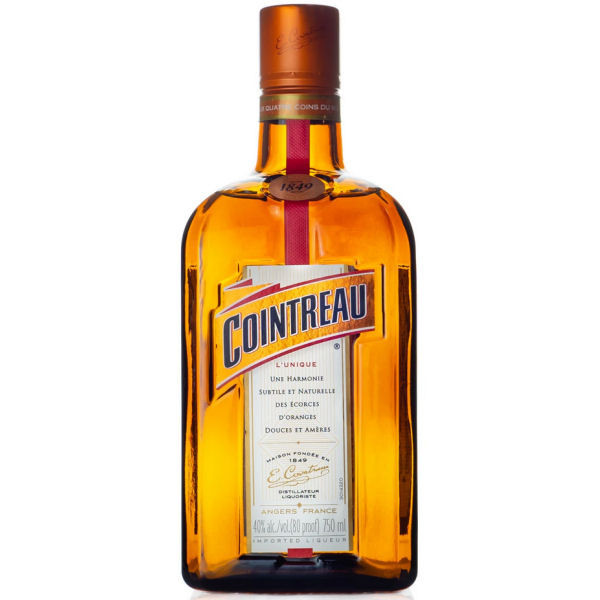
Image source: ShopWineDirect
Budget-Friendly Options for Large Gatherings
If you are hosting a large party and making gallons of punch or frozen Margaritas, spending $40 on a bottle of premium liqueur may not be necessary. Brands like DeKuyper or Llord's offer functional orange flavors at a fraction of the cost. These are typically lower in alcohol (around 15-20%) and higher in sugar. While they lack the nuance of top-shelf bottles, they provide the necessary sweetness and citrus hint required for high-volume mixing.
Premium Selections for Refined Sipping
For those who enjoy craft cocktails at home, investing in a bottle like Combier Liqueur d'Orange or Cointreau is highly recommended. These brands use traditional copper pot stills and natural peels. Another innovative option is the Mexican-made Flor de Azar, which uses an agave spirit base and incorporates pomelos and mandarins, offering a unique twist that pairs exceptionally well with high-quality tequilas.
- ABV Percentage: Aim for 30-40% for better cocktail structure.
- Sugar Source: Beet sugar or cane sugar is preferable to corn syrup.
- Natural Flavors: Avoid bottles that list "artificial flavors" as a primary ingredient.
- Origin: French and Mexican distillers often set a high standard for this category.
Professional Mixology Techniques for Better Drinks
Simply pouring triple sec into a shaker is only the first step. To truly elevate your home bartending, you can apply techniques used in the world's top cocktail bars.
"Think of triple sec as the bridge between the fire of the spirit and the acid of the citrus. If the bridge is too weak, the drink collapses into sourness; if it's too heavy, the drink becomes a syrupy mess." — Expert Bartender Perspective
Implementing the 1:1 Golden Ratio
A common mistake in home mixology is using too much or too little orange liqueur. Many professional recipes follow a "Golden Ratio" of 1:1 for the modifier and the acid. For example, in a balanced Margarita, you might use 1 ounce of lime juice and 1 ounce of a high-quality triple sec. This ensures that the sweetness of the liqueur perfectly offsets the tartness of the fruit, creating a harmonious finish.
The Triple Sec Ice Cube Innovation
One advanced technique to prevent drink dilution is the creation of liqueur-infused ice. Because triple sec has a lower freezing point than water, you can mix it with a small amount of water (a 1:4 ratio) and freeze it into large cubes. As the ice melts in a long drink like a Long Island Iced Tea or a large-format punch, it actually reinforces the flavor profile rather than watering it down. This keeps the cocktail's structure intact from the first sip to the last.
Classic and Modern Cocktails Featuring Triple Sec
Triple sec is the "glue" in many of the world's most famous drinks. Its ability to play well with almost every base spirit—from vodka to cognac—makes it indispensable.
- The Margarita
- The most iconic use of triple sec. It balances the earthy notes of tequila and the sharp acidity of lime. A top-tier Margarita almost always uses a 40% ABV orange liqueur.
- The Cosmopolitan
- Popularized in the 1990s, this drink uses triple sec to bridge the gap between citrus-flavored vodka and tart cranberry juice.
- The Sidecar
- A sophisticated classic that pairs cognac with lemon juice and triple sec. Because cognac is rich, a drier triple sec is necessary to keep the drink refreshing.
- The Long Island Iced Tea
- In this high-octane drink, triple sec acts as the unifying agent for five different spirits, providing a consistent citrus thread throughout.
- The Adult Dessert Latte
- A modern application where a half-ounce of triple sec is added to a mocha latte. The orange oils interact with the chocolate and espresso to create a flavor profile similar to a Jaffa cake.
How to Create Your Own Triple Sec at Home
If you cannot find a brand that suits your palate, making a DIY version is a rewarding project. The key to success lies in the preparation of the citrus and the patience of the aging process.
Step-by-Step Homemade Orange Liqueur
- Prepare the Spirits: Start with a 750ml bottle of high-quality, 80-proof vodka.
- Zest the Fruit: Use 4-6 large oranges (or a mix of tangerines and pomelos). Use a vegetable peeler to remove only the colored part of the skin.
- The Pith Rule: Meticulously scrape away any white pith from the back of the peels. The pith contains alkaloids that create a harsh, lingering bitterness that distillation usually removes, but maceration will amplify.
- Macerate: Place the peels in a glass jar with the vodka. Store in a cool, dark place for 2-3 weeks, shaking daily.
- Sweeten: Strain out the peels. Create a simple syrup (1 cup water to 1 cup sugar) and add it to the infused spirit.
- The Aging Rule: Allow the mixture to rest for at least 30 days. This "mellowing" period allows the alcohol and sugar molecules to integrate, resulting in a much smoother mouthfeel.
Culinary Applications and Non-Alcoholic Alternatives
Triple sec's utility extends far beyond the cocktail shaker. Its concentrated orange essence makes it a favorite in professional kitchens and for those seeking alcohol-free options.
In French cuisine, triple sec is the soul of Crêpes Suzette , where it is used to flambé the sauce, leaving behind a caramelized citrus glaze. It is also a frequent addition to chocolate ganache and fruit tarts. For those avoiding alcohol, Nature's Flavors offers extracts and concentrates that mimic the aromatic profile of triple sec without the ethanol content. These are excellent for mocktails or for flavoring baked goods.
Dietary Considerations: Is Triple Sec Gluten-Free?
According to discussions on Celiac.com , most distilled spirits are technically gluten-free because the distillation process removes gluten proteins. However, individuals with extreme sensitivity should be cautious of "budget" triple secs that add flavorings or thickeners after distillation, as these additives could potentially contain trace amounts of gluten. Sticking to premium, redistilled brands is generally the safest path for those with Celiac disease.
Frequently Asked Questions
Does triple sec need to be refrigerated after opening?
No, triple sec does not require refrigeration. Its high sugar content and alcohol percentage (usually 20% or higher) act as natural preservatives, making it shelf-stable for several years. However, keeping it in a cool, dark place will help preserve the delicate orange essential oils and prevent the flavor from fading over time.
Can I drink triple sec by itself?
While you can drink it neat or on the rocks, most people find budget triple secs too sweet and syrupy for solo sipping. However, premium brands like Cointreau or Grand Marnier are frequently enjoyed as a digestif after a meal. Their complexity and higher alcohol content make them much more palatable than lower-end mixing liqueurs.
What is the best substitute for triple sec in a recipe?
If you need an alcoholic substitute, Blue Curaçao is the closest match (it is essentially triple sec with blue dye). For a richer flavor, Grand Marnier works well but will add oaky notes. For a non-alcoholic substitute, use a combination of fresh orange juice and a teaspoon of orange zest, or a few drops of orange extract.
Is triple sec the same as orange bitters?
No. Triple sec is a liqueur, meaning it contains a significant amount of sugar and is meant to be used in ounces. Orange bitters are highly concentrated botanical extracts with little to no sugar, designed to be used in "dashes" to add aroma and depth without changing the sweetness or volume of the drink.
How many calories are in a shot of triple sec?
A standard 1.5-ounce shot of triple sec typically contains between 100 and 150 calories. The exact number depends on the sugar content; budget brands with higher sugar levels tend to be on the higher end of that range, while drier, premium brands may be slightly lower.
Key Takeaways for Choosing and Using Triple Sec
Mastering the use of triple sec can transform your home bar from basic to professional. Here are the essential points to remember:
- Versatile Range: Triple sec is a clear orange liqueur with an ABV ranging from 20% to 40%.
- Quality Matters: Premium brands like Cointreau are redistilled with natural peels, while budget brands often use artificial flavorings.
- The "Triple" Mystery: The name likely refers to triple distillation or a triple concentration of orange oils.
- Strategic Substitution: Use Cointreau for a clean, dry finish and Grand Marnier for a rich, brandy-based complexity.
- The Golden Ratio: For balanced cocktails, try a 1:1 ratio of triple sec to fresh citrus juice.
- DIY Precision: When making your own, meticulously remove the white pith to avoid unwanted bitterness.
- Shelf Stability: Thanks to its sugar and alcohol, triple sec is shelf-stable and does not need refrigeration.
Next time you reach for a bottle, check the ABV and ingredient list to ensure you are getting the right balance of citrus and spirit for your specific cocktail needs.