Home
What Is a Tap House and How Does It Differ From a Brewery?
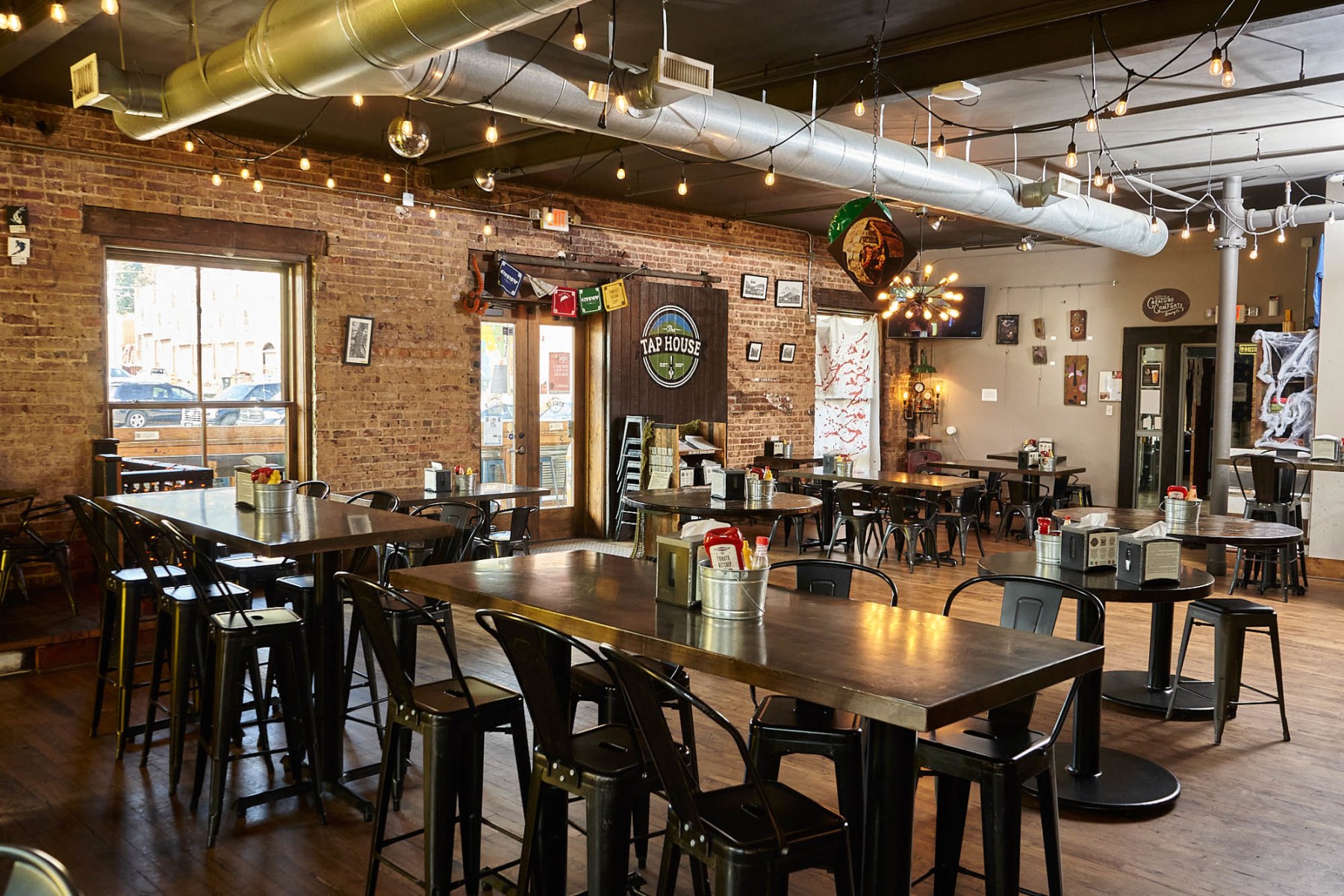
Image source: taphousechatt.com
What Exactly Defines the Modern Tap House Experience?
The modern tap house has evolved into a sophisticated destination for craft beverage enthusiasts. At its core, a tap house acts as a multi-brand curator. While a traditional bar might carry a few standard domestic labels, a tap house focuses on the breadth and depth of the craft industry. According to industry standards, these venues typically maintain between 30 and 60+ rotating taps, ensuring that the selection is constantly evolving to reflect seasonal trends and new releases from regional breweries.
The atmosphere of a tap house is often a significant part of the draw. Many locations, such as the Savannah Taphouse , are housed in repurposed historic buildings. These spaces frequently feature an "industrial-chic" aesthetic, utilizing reclaimed wood, exposed brick, and large communal tables that encourage social interaction. This design choice creates a "neighborhood living room" vibe that distinguishes it from the high-energy environment of a sports bar or the utilitarian feel of a production brewery.
One of the most critical components of this experience is the "Rotating Tap." Unlike a fixed menu, a rotating tap list means that once a keg is finished, it is often replaced by a completely different beer style or brand. This creates a sense of discovery for regular patrons, who can expect to find something new during every visit. This curation process requires a deep knowledge of the market, as managers must balance popular styles like IPAs with niche offerings like sours, stouts, and farmhouse ales.
How a Tap House Differs From a Brewery or Gastropub
Understanding the distinction between these venues is essential for setting expectations. The primary difference lies in the relationship between production and service. A brewery taproom is the front-facing retail arm of a production facility; they serve what they make on-site. In contrast, a tap house is a third-party retailer that sources products from dozens of different creators. This allows the tap house to offer a variety that no single brewery could match.
Gastropubs also share some DNA with tap houses, but their focus is weighted differently. While a tap house prioritizes the beverage program and offers "elevated" snacks or meals to complement the drinks, a gastropub is a restaurant first. In a gastropub, the chef’s menu is the primary attraction, with the beer list designed to support the food. Tap houses often bridge this gap by offering high-quality food—such as specialty tacos or loaded tots—without losing their identity as a beverage-centric hub.
| Feature | Tap House | Brewery Taproom | Gastropub |
|---|---|---|---|
| Beer Selection | Multi-brand (30-60+ taps) | Single-brand (House-made) | Curated (10-20 taps) |
| Food Quality | Elevated Bar Food | Limited / Food Trucks | Chef-Driven / Full Menu |
| Brand Focus | Curation & Variety | Brand Loyalty | Culinary Pairing |
| Atmosphere | Social / Industrial | Production / Casual | Restaurant / Upscale |
Why Rotating Taps Are the Secret to Fresh Craft Beer
Freshness is the hallmark of a high-quality tap house. Because craft beer is often unpasteurized and highly hopped, it has a limited shelf life once it leaves the brewery. High-volume tap houses rely on "throughput"—the speed at which a keg is emptied and replaced. A keg that sits for months will lose its aromatic profile and develop off-flavors. By rotating taps frequently, these venues ensure that the product in your glass is as close to the brewer's intent as possible.
Experts in the industry often discuss the "16-Tap Rule." While having 100 taps might seem impressive, it can be a liability if the venue doesn't have enough customers to move the beer quickly. According to the Asian Beer Network, it is often better to have a smaller, well-managed tap list than a massive one that results in "old" beer. A tap house with 30 taps that rotate every few days will consistently serve fresher beer than a venue with 100 taps that rotate every few weeks.
Seasonal shifts also play a major role in tap rotation. In the summer months, you will find a prevalence of Mexican lagers, fruited sours, and session IPAs. As the weather cools, the menu will transition toward heavier stouts, porters, and barrel-aged ales. This seasonal curation keeps the experience relevant to the environment and the palate of the community.
How Self-Service Tap Walls Are Changing How We Drink
A significant advancement in the industry is the rise of the self-service tap wall. This model, utilized by various modern locations, changes the traditional bartender-customer dynamic. Instead of waiting for a server, customers are issued an RFID card linked to their payment method. They can then walk up to a wall of taps, tap their card, and pour their own beverage.
The primary benefit of this system is the "pay-by-the-ounce" model. This allows patrons to pour a 2-ounce taster of a high-alcohol imperial stout or a new experimental sour without committing to a full pint. It encourages exploration and reduces the financial risk of trying something unfamiliar. For the business, it reduces labor costs and eliminates "free samples" that can eat into profit margins.
What to Expect on a Modern Tap House Food Menu
While beer is the star, the food menu at a tap house is rarely an afterthought. The trend has moved toward "elevated staples"—dishes that are familiar but prepared with high-quality ingredients and creative twists. You will often find items like "Comfort Blanket" burgers, loaded tater tots, and specialty tacos. For example, at The Tap House Chattanooga , the menu is designed to be approachable yet satisfying for a wide range of tastes.
Pricing for these items typically reflects the "elevated" nature of the kitchen. Based on recent market data, specialty tacos are often priced around $8.00 each, reflecting the cost of fresh, locally sourced proteins and handmade salsas. Many tap houses also offer "Thirsty Thursday" specials or burger deals to drive mid-week traffic, making them a top choice for budget-conscious diners looking for quality.
Furthermore, many tap houses integrate local flavors into their kitchen to match their local beer lists. This might include using a local stout in a barbecue sauce or sourcing cheese from a nearby dairy for their charcuterie boards. This commitment to local sourcing reinforces the tap house's role as a community-centric business.
Why Sober-Friendly Options Are Becoming a Tap House Staple
The term "tap house" is increasingly being applied to more than just alcoholic beverages. Recognizing the growing demand for non-alcoholic (N/A) options, many venues are expanding their draft lists to include specialty sodas, kombuchas, and N/A craft beers. This inclusivity makes the tap house a more versatile neighborhood spot than a traditional dive bar.
Specialty sodas like Root Beer or Butter Beer on draft provide a nostalgic and high-quality alternative for those who aren't drinking alcohol. Additionally, the rise of high-quality N/A craft breweries, such as Well Being IPA, has allowed tap houses to offer a "beer-like" experience without the alcohol content. This shift ensures that everyone in a social group—regardless of their drinking status—can enjoy the ritual of a draft pour and a night out with friends.
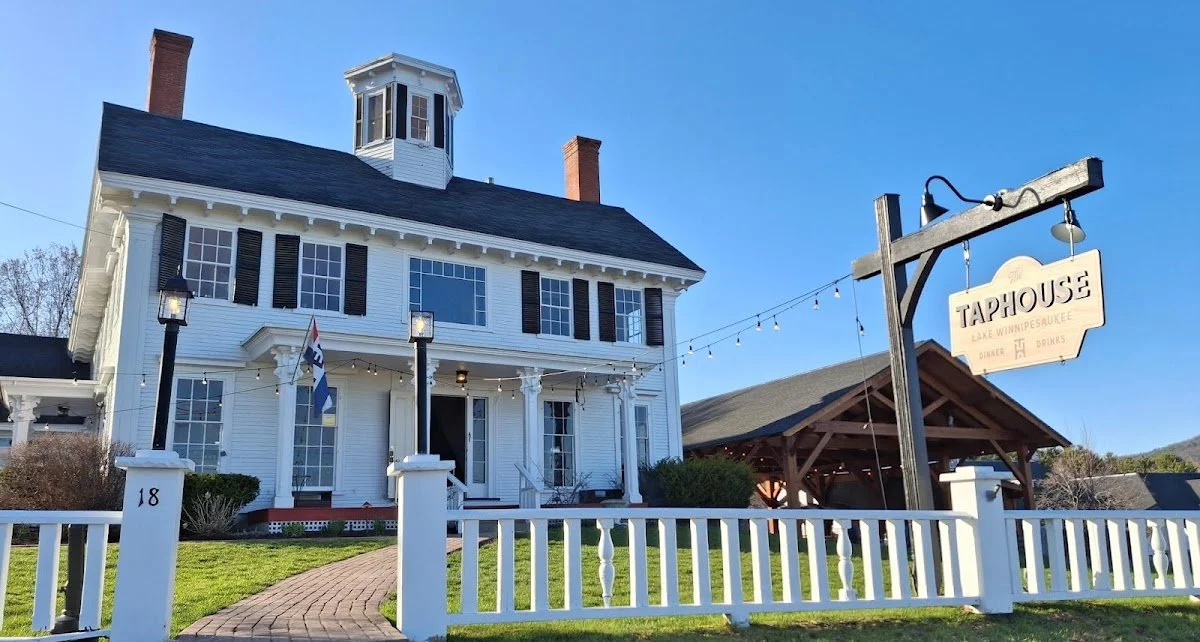
Image source: The Taphouse Lake Winnipesaukee
How to Choose a Top-Rated Tap House Near You
Because "The Tap House" is often an independent or regional brand, the experience can vary significantly by location. When searching for a spot, it is helpful to look for specific regional highlights that define the local culture. For instance, The Tap House Rochester in Minnesota is widely regarded for its rooftop seating and massive local following, making it a premier destination during the warmer months.
In the South, the Savannah Taphouse is known for its historic Avon Theatre location, which offers a unique architectural backdrop for its 100+ bottle selection and 40 taps. Meanwhile, in Chattanooga, the focus is heavily on community events and a "sober-friendly" atmosphere. When choosing a location, consider the following factors:
- Live Tap List: Check their website or apps like Untappd to see what is currently pouring.
- Service Model: Determine if it is a traditional bar service or a self-pour tap wall.
- Food Availability: Does the venue have a full kitchen, or do they rely on visiting food trucks?
- Family Policy: Many tap houses are family-friendly during the day but shift to a 21+ vibe in the evening.
- Accessibility: Check for local construction updates or parking availability, especially in growing downtown areas.
Common Pitfalls and How to Have a Better Visit
Despite their popularity, tap houses can face operational challenges that impact the guest experience. One common frustration is the "empty table" paradox. Due to staffing shortages, a venue may have visible empty tables but still quote a 20-minute wait time. This is usually because the kitchen or the floor staff cannot safely handle more orders at that moment. Checking wait times online or calling ahead can help manage these expectations.
Another pitfall is the "watering hole" transition. While many tap houses market themselves as family-friendly, the atmosphere can change rapidly after 8:00 PM. If you are visiting with children, it is generally recommended to arrive for a late lunch or early dinner to avoid the louder, more crowded evening environment. Additionally, be aware of external factors like infrastructure projects; for example, streetcar construction in cities like Omaha has historically impacted accessibility for local businesses.
Frequently Asked Questions
Key Takeaways for Your Tap House Visit
A tap house offers a unique window into the world of craft beverages, providing a level of variety and curation that is difficult to find elsewhere. To make the most of your experience, keep these points in mind:
- Prioritize Freshness: Look for venues with high rotation and a manageable number of taps to ensure the beer is fresh.
- Embrace Exploration: Use "flight" options or self-pour tasters to try styles you wouldn't normally order.
- Check the Menu: Expect elevated pub fare that goes beyond standard frozen bar snacks.
- Verify the Vibe: Research the location's atmosphere and family policies before heading out.
- Support Local: Take advantage of the tap house's curation to discover breweries in your own backyard.
- Consider N/A Options: Don't overlook the draft sodas and non-alcoholic craft brews for a balanced experience.
Before your next outing, check the live tap list online to see what new and interesting brews are currently available at your local spot.