Home
What to Expect at Body & Pole New York Before You Book a Class
Body & Pole New York stands out as a top choice for aerial enthusiasts in Manhattan. Located in the heart of Chelsea, it is widely regarded as one of the largest and most established studios for pole and aerial arts in the United States. Since its founding in 2010, the studio has built a reputation for its structured curriculum, high safety standards, and a roster of world-class instructors. Whether you are a complete beginner or a seasoned professional, understanding the studio's unique culture and rigid policies is essential before you step onto the dance floor.
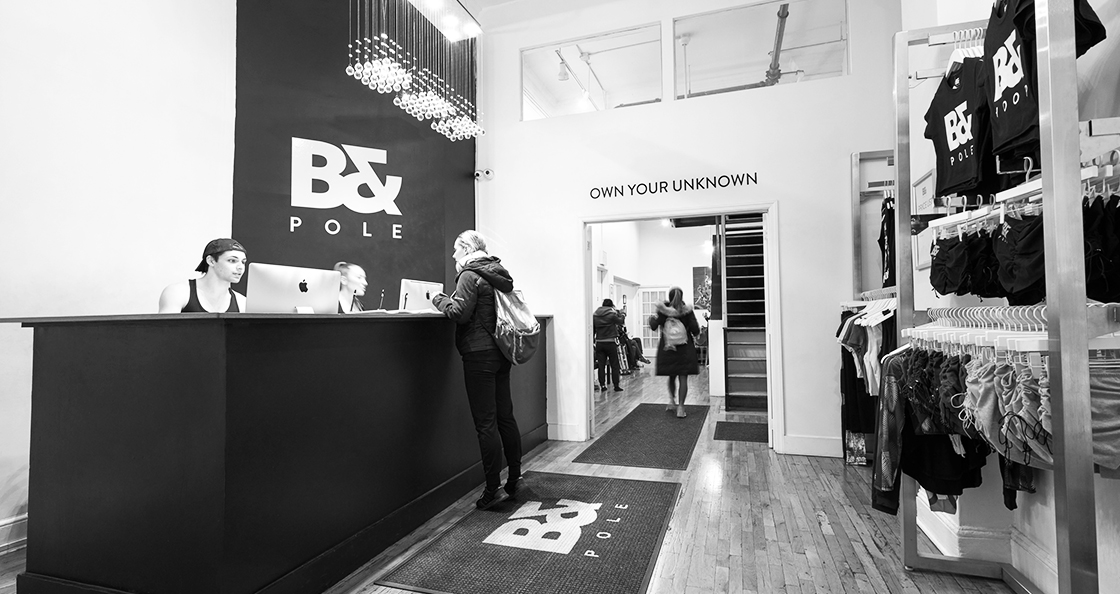
Image source: Body & Pole
Is Body & Pole the Right Studio for Your Aerial Journey?
Choosing an aerial studio in New York City can be overwhelming given the density of options. Body & Pole ranks among the top facilities due to its sheer scale, offering over 170 classes per week. This volume allows for a highly specialized schedule that caters to various disciplines, including static pole, spinny pole, aerial hoop (Lyra), silks, and hammock. According to Mindbody listings , the studio maintains a consistent presence as a premier destination for both local residents and international visitors.
The studio operates on a hybrid model, combining its massive physical space with Body & Pole Online , which features over 500 streaming classes. This makes it an excellent choice for students who want to supplement their in-person training with flexibility and strength drills at home. However, the "corporate" feel of the studio—often noted in community discussions—means it may lack the intimate, grassroots vibe found in smaller Brooklyn-based studios. If you prefer a highly structured environment with clear progression paths, this facility is a strong contender.
How to Start as a New Student at Body & Pole
For those new to the world of aerial arts, the studio offers a specific entry path designed to build foundational strength safely. The current new student special includes a $25 first-class offer or a $99 five-class pack. It is important to note that the five-class pack carries a strict 30-day expiration window from the date of your first visit. This encourages consistency, which is vital for developing the skin conditioning and grip strength required for more advanced maneuvers.
Why You Should Take Intro Classes Multiple Times
One of the most common mistakes new students make is attempting to rush into Level 1 classes. The studio officially recommends taking "Intro to Pole" or "Intro to Hoop" between 3 to 5 times before moving up. This isn't just a suggestion; it is a safety-focused requirement. During these initial sessions, you are not just learning moves; you are conditioning your body to handle the friction of the pole and the pressure of the hoop's steel rim.
Grip development is a slow process. In your first few classes, your hands may feel slippery or weak. By repeating the Intro curriculum, you allow your nervous system to adapt to the unique demands of supporting your body weight through your hands and legs. Instructors look for specific markers—such as a clean "pole sit" or a controlled "climb"—before they will clear you for the more inverted work found in higher levels.
What Should You Wear to Your First Class?
Attire is functional in aerial arts. For pole classes, skin contact is necessary for grip. You should wear shorts that expose the back of your knees and the inner thighs. Without this skin-to-metal contact, you will find it nearly impossible to hold basic positions. For aerial silks or hammock, the opposite is true: you should wear form-fitting leggings and a shirt that covers your underarms to prevent "fabric burn" caused by the friction of the silk.
The studio also has a strict "no street shoes" policy in its heels and floorwork classes. If you are taking a "Liquid Motion" or "Heels" class, you must use specialized dance heels (like Pleasers) or go barefoot. Street shoes can damage the specialized dance flooring and carry outside debris into the training space.
The Reality of Sharing an Apparatus at Body & Pole
A significant aspect of the Body & Pole experience that often surprises newcomers is the "two people per apparatus" policy. In almost every class, you will be paired with another student to share a single pole, hoop, or set of silks. While some might view this as a drawback, it is a standard practice in many high-volume NYC studios to keep class prices manageable and allow for rest periods.
How to Maximize Your Time During "Off" Minutes
Sharing an apparatus does not mean you are only working for half the class. In fact, the "off" minutes are crucial for long-term success. Aerial arts are incredibly taxing on the central nervous system and small muscle groups. Use your partner's turn to:
- Observe Technique: Watching someone else attempt a move allows you to see the mechanics from an external perspective, which often clarifies instructor cues.
- Active Recovery: Perform light mobility drills or "floor-based" versions of the move you are practicing.
- Filming: With your partner's consent, you can film each other's attempts. Reviewing your own footage is one of the most effective ways to spot alignment errors.
- Spotting: As you become more experienced, you may assist in spotting your partner (under instructor guidance), which builds your understanding of the physics of the move.
How Body & Pole Compares to Other NYC Studios
When deciding where to train, it helps to see how Body & Pole stacks up against other popular Manhattan and Brooklyn options. While B&P is the largest, it is not always the most affordable or the most "community-focused" choice.
| Criteria | Body & Pole | Foxy Fitness | IncrediPole |
|---|---|---|---|
| Price per Class | ~$45 (Drop-in) | ~$35 - $40 | ~$35 |
| Apparatus Sharing | Yes (2 per pole) | No (Technique classes) | Rarely |
| Vibe | Corporate / Sport | Community / Flow | Technical / Inclusive |
| Location | Chelsea (Manhattan) | Various (Manhattan/BK) | Greenpoint (Brooklyn) |
A Survival Guide for the Strict Studio Policies
Body & Pole is notorious for its uncompromising approach to studio rules. This is largely due to the high volume of students and the need to maintain a safe, professional environment. If you are not prepared, these policies can result in lost class credits and frustration.
How to Avoid Losing Your Class Credit
The "Late Policy" is perhaps the most discussed topic in online community threads . If you are even one minute late to the start of class, you may be barred from entering. This is not a punitive measure; it is a safety one. The first 15 minutes of every class are dedicated to a specific warm-up that prepares your joints and muscles for the rigors of aerial work. Skipping this warm-up significantly increases the risk of injury.
To survive these policies, NYC commuters should aim to arrive at the studio at least 15 to 20 minutes before the scheduled start time. This gives you time to check in, change, and mentally prepare. If you are using the Mindbody app, keep a close eye on your booking and set reminders for the 13-hour mark so you can decide whether to commit or cancel.
Which Class Type Should You Choose?
With over 170 classes, the variety can be daunting. The studio categorizes its offerings into three main pillars: Pole, Aerial, and Supplemental (Flexibility/Strength).
Pole Dancing (Static and Spinny)
Most beginners start with Static Pole, where the pole does not move. This allows you to build the necessary "pull" and "push" strength without the added challenge of centrifugal force. Spinny Pole, where the pole rotates on its axis, requires a different type of engagement and can often cause dizziness for newcomers. It is generally recommended to have a solid foundation in Static Level 1 before transitioning to Spinny classes.
Aerial Arts (Hoop, Silks, and Hammock)
Aerial Hoop (Lyra) is a circular steel apparatus. It is often considered more accessible for those with lower body strength but can be painful on the skin initially. Aerial Silks (Fabric) require the most upper body and grip strength, as you are responsible for creating your own "seats" and "wraps" in the air. Aerial Hammock is a loop of fabric that supports more of your weight, making it a popular choice for those interested in "Aerial Yoga" or more fluid, dance-based movements.
Floorwork and Low Flow
If you prefer to stay closer to the ground, the studio offers extensive floorwork classes. These focus on transitions, leg work, and "edgework" (using the edges of your heels). These classes are excellent for building coordination and "flow," which is the ability to move seamlessly between tricks. Note that knee pads are highly recommended for these sessions to protect your joints during slides and kips.
Meet the World-Renowned Instructors
The quality of instruction at Body & Pole is a major factor in its high ranking. Many of the staff members are competitive champions or have backgrounds in professional circus arts and dance. This level of expertise ensures that you are learning technically sound movements that prioritize long-term joint health.
Training with Brenna Bradbury and Rica de Ocampo
Brenna Bradbury is a notable figure in the aerial community, having placed 2nd in the 2015 U.S. Aerial Championships for Silks. Her classes are known for their technical precision and creative sequencing. Rica de Ocampo, an instructor since 2010, brings a unique background as a black belt in Tae Kwon Do and a lyric soprano, offering a teaching style that balances discipline with artistic expression. Learning from such seasoned professionals provides a level of insight that is difficult to find in smaller, less established venues.
Is Body & Pole Online Worth the Subscription?
For those who cannot make it to Chelsea regularly, the online portal is a significant advancement in aerial education. It offers a structured way to train at home, provided you have your own equipment. The library includes "Conditioning for Inversions," "Active Flexibility," and even "Off-the-Pole" dance choreography. According to ClassPass reviews , many students use the online platform to master the strength requirements of a level before testing up in person.
Understanding the Current Studio Vibe and Culture
In recent years, some long-time students have noted a shift in the studio's atmosphere. While it remains a top-tier training facility, the "corporate" growth has led to a more transactional feel for some. In the early 2010s, the studio was at the forefront of the "Sport Pole" movement. Today, as NYC pole culture shifts more toward "Flow" and "Old Way" styles, Body & Pole has had to adapt its curriculum to stay relevant.
Despite the competitive feel that some newcomers report, the studio remains a hub for those who are serious about their craft. If you go in with the mindset of an athlete—focused on your own progression and respectful of the rules—you will likely find the environment highly rewarding. It is a place where hard work is visible, and the "Level Up" ceremonies are a testament to the dedication required to succeed in this demanding sport.
Frequently Asked Questions
No, you do not need to be able to do a pull-up to take your first class. The Intro curriculum is specifically designed to build that strength from scratch. You will start with basic walks, spins, and sits that use your legs and core just as much as your arms. Over time, your grip and upper body strength will develop naturally through the exercises provided in class.
Yes, the studio features full locker room amenities, including showers, changing areas, and lockers. You will need to bring your own lock if you wish to secure your belongings. The facilities are generally well-maintained, reflecting the studio's "premium" positioning in the NYC market.
Filming is generally allowed, but there is a strict etiquette to follow. You must ensure that you are not filming other students without their explicit consent. Because you are sharing a pole, you should coordinate with your partner to ensure you both get time to record your progress without interfering with each other's training space.
If you are 5 minutes late, you will almost certainly be denied entry to the class. The studio enforces a strict lockout policy once the warm-up has concluded. This is to prevent injuries and to avoid disrupting the flow of the class for students who arrived on time. Your class credit will likely be forfeited.
The rigging at Body & Pole is engineered to professional circus standards, capable of supporting thousands of pounds of force. There is no specific weight limit for students; however, the physical demands of certain moves may be more challenging initially. The instructors are trained to provide modifications to ensure everyone can participate safely regardless of their starting point.
Final Thoughts on Training at Body & Pole NYC
Body & Pole remains a cornerstone of the New York aerial scene, offering a level of structure and expertise that few competitors match. To make the most of your experience, keep these key takeaways in mind:
- Commit to the Intro Path: Take the Intro classes 3-5 times to build the necessary grip and skin conditioning.
- Respect the 12-Hour Window: Manage your schedule carefully to avoid losing credits due to the strict cancellation policy.
- Arrive Early: Aim for a 15-minute buffer to ensure you aren't locked out due to NYC transit delays.
- Prepare for Sharing: Embrace the "two per apparatus" model as an opportunity for rest and observation.
- Dress for Success: Wear shorts for pole and leggings for silks to ensure proper grip and safety.
- Leverage Online Resources: Use the streaming portal to supplement your in-studio training and speed up your progression.
Before booking your first session, download the Mindbody app and review the specific attire requirements for your chosen discipline to ensure a smooth start to your aerial journey.