Home
What to Expect from Kiawah Island Weather During Your Next Coastal Vacation
Planning a trip to Kiawah Island requires more than just checking a standard forecast. Because this barrier island sits roughly 25 miles southwest of Charleston, it operates within a distinct microclimate influenced by the Atlantic Ocean and expansive salt marshes. Whether you are visiting for a championship round at The Ocean Course or a quiet family retreat, understanding the nuances of Kiawah Island weather is essential for a successful stay.
Current Weather Conditions and Immediate Outlook
As of late August 2026, Kiawah Island is experiencing typical subtropical summer conditions. While many travelers look to general Charleston forecasts, the most accurate data for the island is often derived from the Charleston Executive Airport (KJZI) , located on nearby Johns Island. However, even this data requires adjustment, as the immediate coastline often sees conditions that differ from the airport's inland location.
During this time of year, visitors can expect daytime highs to hover consistently between 85°F and 90°F. The "RealFeel" temperature, which accounts for the high humidity levels common in the Lowcountry, often reaches the triple digits during the early afternoon. According to AccuWeather's Kiawah reports , the UV index frequently hits "Very High" levels, meaning sun protection is mandatory even on overcast days.
Precipitation in late August usually takes the form of localized, "pop-up" thunderstorms. These storms are often intense but brief, providing a temporary reprieve from the heat before the sun returns. Travelers should monitor radar closely, as these cells can form over the Kiawah River or the marshlands with very little warning.
Why Kiawah Island Stays Cooler Than Mainland Charleston
One of the most significant advantages of staying on Kiawah Island during the summer months is the Sea Breeze Effect . While downtown Charleston may be sweltering in stagnant 95-degree heat, the beach at Kiawah often remains a comfortable 86 or 87 degrees. This temperature gap is caused by the temperature differential between the warming land and the relatively cooler ocean water.
Higher temperatures due to asphalt and lack of direct maritime air. Winds are often blocked by dense maritime forests and structures.
Consistently 5–10°F cooler in summer. The Gulf Stream influence moderates temperatures, providing a steady 10-15 mph breeze.
This microclimate is not just a summer phenomenon. In the winter, the ocean acts as a heat reservoir, keeping the island slightly warmer than the mainland. According to local climate data from Kiawah Island Getaways , the island rarely sees the hard freezes that can affect inland South Carolina, making it a top-rated choice for "snowbirds" seeking a mild winter retreat.
When Is the Best Time to Swim in the Atlantic Ocean?
For many visitors, the primary draw is the 10 miles of private beach. However, the Atlantic Ocean temperature fluctuates significantly throughout the year. While the air may feel warm in March, the water often lags behind, requiring a bit of patience for those who enjoy long swims.
| Month | Avg. Water Temp | Swimmability Rating |
|---|---|---|
| March | 58°F | Chilly - Wetsuit Recommended |
| May | 72°F | Refreshing - The Turning Point |
| July | 83°F | Warm - Like a Bath |
| September | 80°F | Excellent - Peak Comfort |
| November | 65°F | Brisk - Wading Only |
The "swimming season" officially gains momentum in mid-May. By this time, the water temperature typically crosses the 70°F threshold, which most travelers find comfortable. If you are visiting in the shoulder seasons of March or April, a popular strategy is to prioritize rental properties that offer heated pools or hot tubs . This allows for water activities even when the Atlantic is still too brisk for extended immersion.
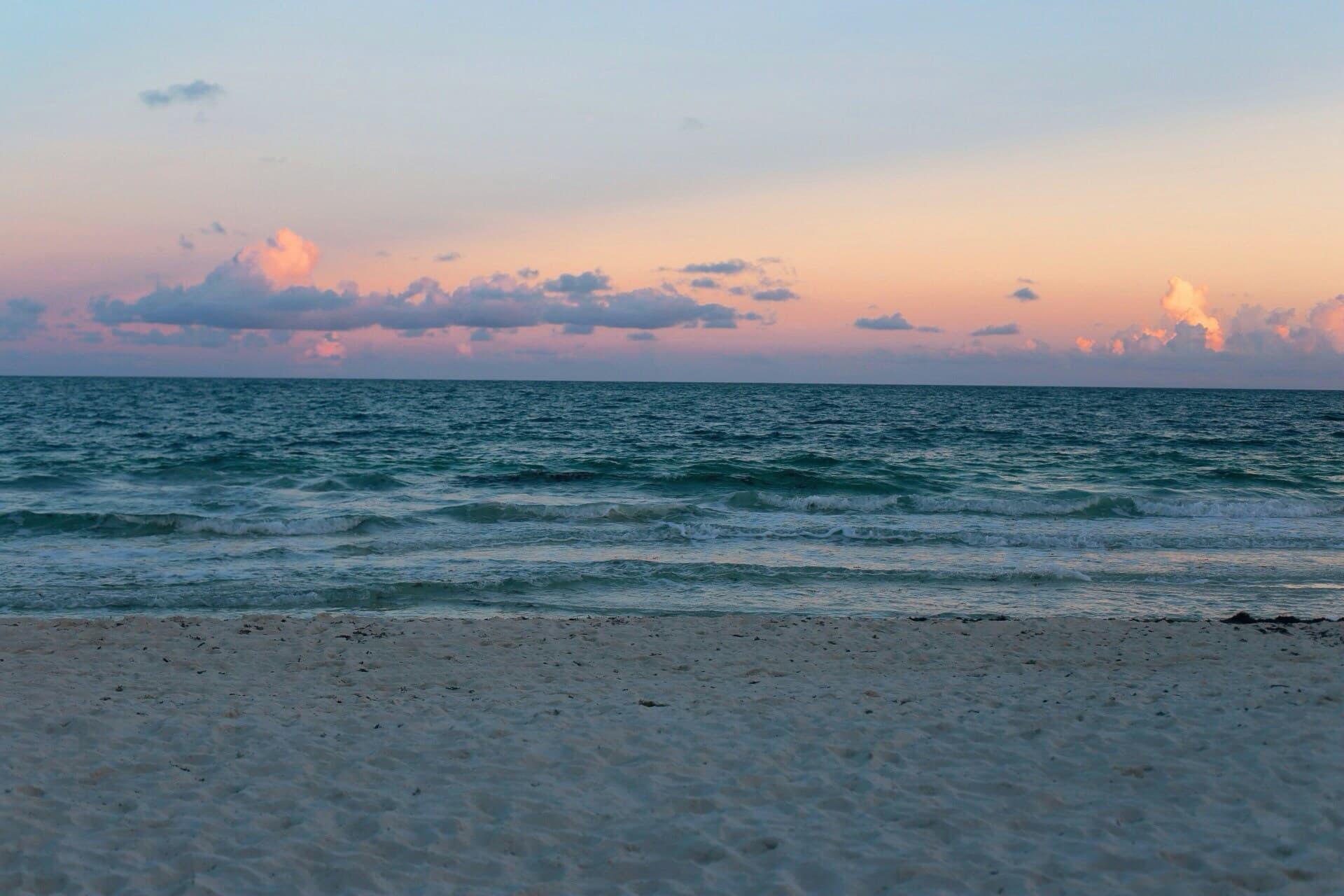
Image source: Akers Ellis
How Humidity and Dew Points Affect Your Golf Game
Kiawah Island is home to some of the most acclaimed golf courses in the world, but the weather plays a massive role in how these courses play. The Ocean Course, in particular, is famous for its unpredictable wind, but humidity and dew points are the "silent" factors that can impact your scorecard.
The "Real Feel" on the Fairway
In the summer, morning humidity levels on Kiawah frequently reach 80% to 90%. This heavy air increases the "Real Feel" temperature significantly. For golfers, this means physical stamina becomes a factor much earlier in the round. Staying hydrated is not just a suggestion; it is a requirement for safety. Many players find that moisture-wicking apparel is a significant advancement in comfort compared to traditional cotton polos.
Ball Flight Dynamics
High dew points (often 70°F or higher in July and August) create "heavy" air. Contrary to popular belief, very humid air is actually less dense than dry air, but the coastal salt spray and consistent 15-20 mph winds at Kiawah often negate any distance gains. When the wind is coming off the ocean (a "fan" wind), you may need to club up two or even three times to reach the green. Conversely, a land breeze can make the course play much shorter but significantly more dangerous due to the increased speed of the greens.
Navigating the Kiawah Island Hurricane Season
Like all coastal destinations in the Southeast, Kiawah Island is subject to the Atlantic hurricane season, which runs from June 1 to November 30 . While the statistical peak of the season occurs in September, tropical activity can impact the island at any point during this window.
Kiawah Island has a robust emergency management plan. The island is classified as "Zone A" for evacuations, meaning it is among the first areas to be cleared if a major storm approaches. For travelers, this makes travel insurance a highly recommended investment. Most standard policies will cover cancellations if a named storm triggers a mandatory evacuation, but you must typically purchase the insurance before the storm is named.
Historically, Kiawah has seen several "near-misses" and minor impacts from tropical storms. The primary risks during these events are storm surges and localized flooding in low-lying marsh areas. If you are visiting during the fall, it is wise to stay tuned to local news outlets and the Marine Weather coastal updates for the most current tropical outlooks.
Seasonal Wildlife and Weather Connections
The weather on Kiawah Island dictates the rhythms of its diverse wildlife. For nature enthusiasts, the best time to visit often depends on these meteorological triggers. The island's commitment to conservation means that weather-related events, like turtle nesting, are major highlights of the calendar.
As temperatures rise in May, Loggerhead sea turtles begin to arrive on Kiawah's shores to lay their eggs. The warm sand is essential for incubation.
The cooling evening temperatures in late summer and early fall signal the hatchlings to emerge and head toward the ocean, guided by the moonlight.
The arrival of cooler, crisp air brings thousands of migratory birds to the Kiawah River and marshlands, including Roseate Spoonbills and various hawk species.
According to ESPM Vacation Rentals , the intersection of mild weather and wildlife activity makes the spring and fall shoulder seasons particularly popular for photographers and birdwatchers.
Safety Tips for Marsh Fog and Coastal Winds
Kiawah's geography creates unique weather hazards that aren't always reflected in a standard temperature forecast. Two of the most common are marsh fog and sudden wind shifts.
The Nighttime Fog Phenomenon
Because the island is surrounded by tidal marshes, nighttime cooling often leads to the formation of thick, low-lying fog. This fog can reduce visibility to near zero on the island's narrow, winding roads and bike paths. If you are biking back from Freshfields Village after sunset, ensure your bike is equipped with high-visibility lights. Drivers should use low-beam headlights to avoid the glare reflected by the dense water droplets.
Wind Gusts and Kayaking
For those planning to kayak the Kiawah River, the wind direction is more important than the temperature. A southwest wind (common in the summer) can make the river quite choppy, especially during an incoming tide. Conversely, a north wind might make the ocean side too rough for paddleboarding but leave the marsh creeks perfectly calm. Always check the local wind speed and direction before launching any small craft.
What to Do on Kiawah Island When It Rains
Rain is a natural part of the Lowcountry ecosystem, but it doesn't have to ruin your vacation. Summer rain on Kiawah is typically characterized by the "afternoon wash"—a 30-minute downpour followed by clear skies. However, if you encounter a washout day, there are several top-tier indoor options to explore.
- Freshfields Village: This open-air shopping center offers a variety of boutiques, a high-end grocery store (Harris Teeter), and several covered dining options.
- The Sanctuary Spa: Widely regarded as one of the premier spa facilities in the region, it is a perfect refuge during a rainy afternoon.
- Charleston Day Trip: A 30-to-40-minute drive will take you into historic downtown Charleston, where you can explore the South Carolina Aquarium or the Gibbes Museum of Art.
- Nature Center Programs: The Night Heron Park Nature Center often hosts indoor educational talks and craft sessions for children during inclement weather.
A Month-by-Month Packing Checklist
Packing for Kiawah requires a strategy of layers. Because the temperature can swing 20 degrees between a morning bike ride and an afternoon at the beach, versatility is key.
Spring (March–May)
- Light windbreaker for morning golf or biking.
- Swimsuits (ensure your rental has a heated pool).
- Closed-toe shoes for marsh hiking.
Summer (June–August)
- UPF-rated clothing to protect against high UV levels.
- Breathable, moisture-wicking fabrics (linen is a top choice).
- High-SPF, water-resistant sunscreen.
Fall (September–November)
- Light sweaters or pullovers for evening beach walks.
- Long pants for evening dining (some resort venues have dress codes).
- Polarized sunglasses for the intense autumn glare on the water.
Winter (December–February)
- Medium-weight jackets; ocean winds can feel biting even at 50°F.
- Layers for golf, as temperatures rise quickly once the sun is up.
- Comfortable walking boots for exploring the island's 30+ miles of trails.
Frequently Asked Questions
Key Takeaways for Your Kiawah Island Trip
- Check the KJZI station for the most accurate local data, but remember the beach is usually 5-10 degrees cooler.
- Prioritize May through September if your primary goal is swimming in the Atlantic Ocean.
- Book a heated pool if you are visiting in March or April to ensure you can still enjoy the water.
- Prepare for humidity when golfing; high dew points will affect both your stamina and your ball flight.
- Purchase travel insurance if visiting during the peak hurricane months of August and September.
- Watch for marsh fog during nighttime bike rides or drives to ensure safety.
- Pack versatile layers to handle the significant temperature swings between the morning breeze and the afternoon sun.
Before you head out, check the local beach flags at your nearest boardwalk to ensure current tide and rip current conditions are safe for swimming.