Home
Where to Find Local Spam Musubi and How to Choose the Right Spot
To find spam musubi near you immediately, search for "Hawaiian BBQ" or "Poke shops" on Google Maps or delivery apps like DoorDash . While 7-Eleven is a staple for musubi in Hawaii, mainland users should check the hot-food sections of H-Mart, Lotte Plaza Market, or Mitsuwa for high-quality grab-and-go options. Most local poke restaurants offer musubi as a side dish for approximately $3.00.
How to Quickly Locate Spam Musubi in Your Area
Finding this iconic Hawaiian snack outside of the islands requires a bit of strategic searching. While "spam musubi" is a specific term, many digital directories and search engines categorize it under broader culinary umbrellas. If a direct search for "musubi near me" yields limited results, your first step should be to pivot your search terms to "Hawaiian BBQ" or "Pacific Islander cuisine." Chains like L&L Hawaiian BBQ are widely distributed across the mainland and consistently offer the classic version of the dish.
Another highly effective strategy is to target modern poke shops. In recent years, the explosion of the poke bowl trend has brought spam musubi along as a standard side dish. According to Eater DC , approximately 90% of contemporary poke establishments carry musubi to complement their raw fish offerings. These shops often provide a more "gourmet" take, sometimes incorporating unique seasonings or higher-quality nori than traditional fast-food outlets.
For those looking for a more adventurous or authentic experience, social media tracking is essential. Many mobile vendors and food trucks specialize in street food from the Pacific Islands. By searching hashtags like #MusubiTruck or #HawaiianFoodTruck on platforms like Instagram, you can often find pop-up locations that don't appear on permanent maps. These vendors frequently experiment with fusion flavors that you won't find in a standard restaurant setting.
What Makes a Truly Authentic Spam Musubi?
Authenticity in spam musubi is defined by the balance of textures and the specific ratio of ingredients. The "Golden Ratio" is widely considered to be a 2:1 rice-to-spam thickness. This ensures that the salty, savory punch of the grilled meat is tempered by the neutral, slightly sweet foundation of the rice. If the rice layer is too thin, the snack becomes overwhelmingly salty; if it is too thick, the Spam gets lost in the starch.
The quality of the rice is perhaps the most critical factor. Authentic musubi must use Calrose or a similar short-grain Japanese-style rice. Long-grain varieties like Basmati or Jasmine lack the necessary amylopectin (starch) to remain cohesive. Without that stickiness, the block will crumble the moment you take a bite. The Polynesian Cultural Center emphasizes that the rice should be seasoned lightly, often with a hint of rice vinegar, sugar, and salt, similar to sushi rice, though many traditional home versions use plain steamed rice to let the glaze shine.
Speaking of the glaze, a professional-grade musubi is never just plain Spam on rice. Look for a glossy, dark coating on the meat. This is typically a reduction of soy sauce, sugar, and mirin—essentially a thicker, sweeter version of teriyaki or unagi sauce. Some authentic markers to look for include:
- Furikake: A dry Japanese seasoning (seaweed, sesame seeds, dried fish) sprinkled between the layers.
- Nori Wrap: The seaweed should be crisp or slightly softened by the heat of the rice, wrapping entirely around the middle.
- Nori Paste: Some high-end versions use a thin layer of seaweed paste for an extra umami kick.
Finding Spam Musubi at Local Grocery Stores
If you aren't near a Hawaiian restaurant, the "Asian Grocer Hack" is your best alternative. Large pan-Asian supermarket chains have become reliable hubs for prepared musubi. Stores like H-Mart, Lotte Plaza Market, and Mitsuwa Marketplace often feature a "Grab & Go" or hot-food section near the deli. These are usually prepared fresh daily and kept in heated displays, making them an excellent choice for a quick lunch.
It is important to address the "7-Eleven Gap." In Hawaii, 7-Eleven is widely regarded as one of the top places to get a high-quality, affordable musubi. However, mainland 7-Eleven locations rarely carry them, focusing instead on hot dogs and taquitos. If you are on the mainland and craving that convenience-store style, look for ABC Stores in tourist areas or specific Japanese convenience brands like FamilyMart (if available in your region). These outlets maintain the tradition of high-quality, plastic-wrapped snacks that are perfect for travel.
From a value perspective, grocery store musubi is hard to beat. While a sit-down restaurant might charge $5.00 to $8.00 for a pair, grocery stores typically price them around $3.00 per piece. This makes them a top-rated option for those who want the authentic taste without the restaurant markup. Just be sure to check the "packaged on" time to ensure the rice hasn't become hard from sitting under a heat lamp for too long.
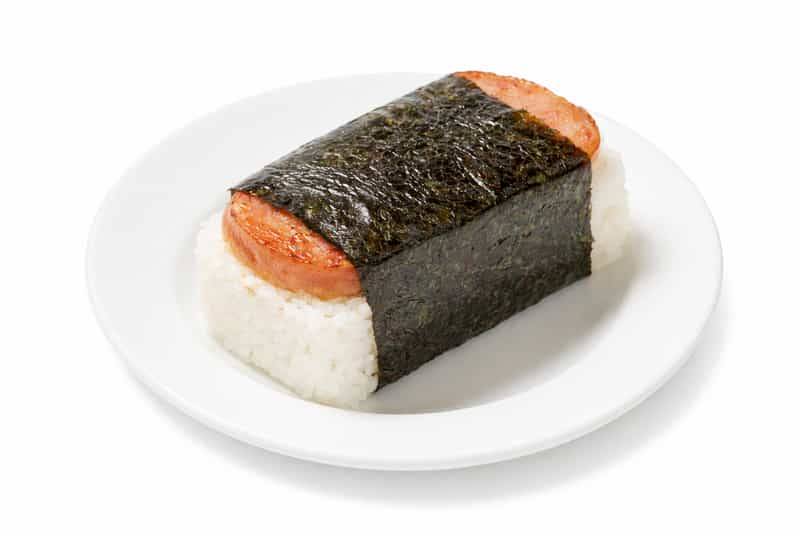
Image source: DoorDash
Where to Order Gourmet and Supersize Musubi
The landscape of spam musubi is shifting toward "gourmet" and "supersize" variations. Establishments like Capital Musubi have pioneered the idea of the musubi as a standalone meal rather than just a snack. These "Supersize" versions are often twice the size of a standard piece and come loaded with additional proteins and toppings. This is a significant advancement for fans who previously had to order three or four pieces to feel satisfied.
Modern fusion has also introduced a variety of non-traditional toppings that have become highly popular in urban food scenes. You might find musubi topped with:
- Flamin’ Hot Cheetos
- Crushed spicy corn snacks added for a crunch and a heat level that contrasts with the sweet glaze.
- Miso Butter Shiitake
- An earthy, savory topping that adds a vegetarian-friendly depth of flavor.
- Serrano Peppers & Spicy Mayo
- A common addition in "fusion" poke shops to provide a sharp, clean heat.
For those who aren't fans of canned ham, many specialty shops now offer protein alternatives. You can find musubi made with spicy salmon, shrimp tempura, or teriyaki chicken. These shops often cater to diverse dietary needs, offering vegan versions made with organic tofu and pickled peppers. While purists may scoff, these variations rank among the top choices for office catering where diverse preferences must be met.
How Much Does Spam Musubi Typically Cost?
Pricing for spam musubi is generally split into three distinct tiers based on the venue and the complexity of the preparation. Understanding these tiers helps you manage expectations when ordering for yourself or a group. Because the ingredients are relatively inexpensive (Spam, rice, seaweed), the price you pay is largely a reflection of labor and the "gourmet" nature of the toppings.
| Tier | Price Range | Best For... |
|---|---|---|
| Fast Casual / Add-on | $2.50 – $3.50 | A quick snack or side dish with a meal. |
| Grocery / Retail | $2.95 – $4.00 | Value-conscious lunch on the go. |
| Gourmet / Supersize | $7.50 – $9.50 | A full meal with premium toppings. |
When ordering in bulk for parties or office lunches, many Hawaiian BBQ spots offer "Musubi Platters." These typically require a lead time of at least 45 minutes to an hour, as the rice needs to be fresh and the Spam grilled to order. Bulk pricing can sometimes bring the per-unit cost down to under $2.50, making it one of the most cost-effective catering options for large groups.
Why Does My Musubi Fall Apart and How Do I Fix It?
The most common frustration with spam musubi—especially when ordered via delivery—is structural failure. If the rice block isn't compressed enough, it will disintegrate as soon as the plastic wrap is removed. This is usually caused by using the wrong type of rice or failing to apply enough pressure during the molding process. Professional shops use acrylic musubi molds to ensure a tight, uniform block.
If your delivery arrives and feels "loose," there is a simple professional fix known as the "Plastic Wrap Tighten." Before you unwrap the musubi, place it on a flat surface and use the palms of your hands to firmly press down on the top and sides. The plastic wrap acts as a temporary mold, helping the starch in the rice re-bond. If you are making them at home, the "Finger Method" for measuring water—ensuring the water level is exactly one knuckle above the rice—is a traditional technique to ensure the rice is sticky enough to hold its shape without becoming mushy.
"The secret to a perfect musubi isn't just the flavor; it's the compression. If you can't hold it in one hand while walking, it's not a musubi—it's just a rice bowl."
How to Store and Reheat Your Musubi Properly
Spam musubi is often sold at room temperature, but if you have leftovers, you must store them carefully. The refrigerator is actually the enemy of sushi rice; the cold temperature causes the starch to undergo "retrogradation," making the rice hard, dry, and unpalatable. This is often referred to as "refrigerator heart."
To mitigate this, follow these specific reheating instructions to bring your musubi back to life:
- The Microwave Method: Wrap the musubi in a damp paper towel. Microwave on medium power for 30-45 seconds. The damp towel creates a steam chamber that re-hydrates the rice grains, making them soft again.
- The Pan-Sear Method: If you prefer a bit of texture, remove the nori (if possible) and sear the rice block and Spam in a non-stick pan with a tiny bit of sesame oil. This creates a crispy "yaki-onigiri" style exterior that many find superior to the original.
- Freezing: If you want to store them long-term, wrap each piece tightly in plastic wrap and then a layer of aluminum foil. They can be frozen for up to a month. To eat, thaw in the fridge overnight and use the microwave method above.
Creative Pairings and Dipping Sauces
While spam musubi is a complete flavor profile on its own, community wisdom has uncovered some exceptional fusion pairings. One of the most highly recommended tips from AAPI food forums is dipping your musubi into tteokbokki sauce . The spicy, thick Korean rice cake sauce provides a fiery contrast to the sweet soy glaze of the Spam, creating a cross-cultural flavor explosion that is becoming a staple in fusion kitchens.
For beverages, the traditional choice is almost always a Hawaiian Sun canned drink. Flavors like POG (Passion Orange Guava) or Luau Punch are the standard accompaniments. If you want something less sweet, a cold Calpico (a Japanese yogurt-based non-carbonated soft drink) provides a creamy, acidic balance that cuts through the saltiness of the processed meat.
If you find the standard musubi a bit dry, you can experiment with dipping sauces beyond the usual soy sauce. A Spicy Mayo (Kewpie mayo mixed with Sriracha) or a Wasabi Aioli can add a modern flair. However, avoid thin, watery sauces that might cause the rice to disintegrate prematurely.
Finding Musubi in Regions Without Hawaiian BBQ
In "food desert" regions like parts of Louisville or Richmond, finding a dedicated Hawaiian BBQ spot can be a challenge. In these areas, you have to look for "hidden gems" in the AAPI community. Often, small Japanese grocery stores or even Korean-run convenience stores will have a small basket of musubi at the checkout counter. These are often made by local home cooks and delivered fresh each morning.
Another place to look is at fusion bars or "tiki" themed lounges. These establishments often use spam musubi as a high-margin, easy-to-prep bar snack. While they might be priced higher than a grocery store version, they are often served warm and paired with high-quality house-made glazes. If all else fails, the "Make It Yourself" alternative is a 40-minute project that only requires a can of Spam, a bag of short-grain rice, and a pack of nori—all of which are available at almost any standard American supermarket.
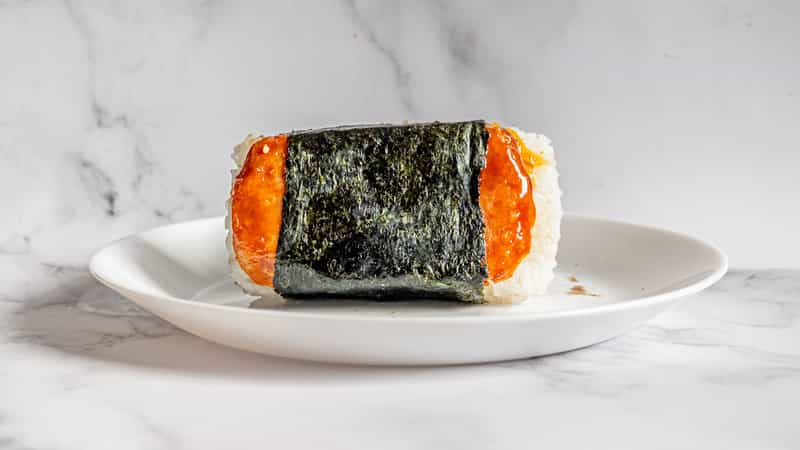
Image source: DoorDash
Frequently Asked Questions
Is spam musubi served warm or cold?
Spam musubi is incredibly versatile and can be served warm, at room temperature, or even chilled. In Hawaii, it is a popular beach snack often eaten at room temperature. However, most restaurants will serve it warm, as the heat helps the glaze stay liquid and the rice stay soft. If you buy it from a refrigerated case, it is highly recommended to let it sit at room temperature for 20 minutes or give it a quick 15-second zap in the microwave to soften the rice.
Are there vegan spam musubi options?
Yes, many modern poke and Hawaiian fusion shops offer vegan alternatives. These typically replace the Spam with a thick slice of marinated and grilled organic tofu or a plant-based meat substitute. To maintain the flavor profile, these versions use a vegan-friendly glaze (ensuring no honey or fish-based dashi is used) and are often topped with pickled peppers or avocado to add the fatty richness that Spam usually provides.
Is spam musubi gluten-free?
Standard spam musubi is generally not gluten-free because the traditional glaze is made with soy sauce, which contains wheat. Additionally, Spam itself is gluten-free, but the cross-contamination in a restaurant kitchen is a risk. If you need a gluten-free version, look for shops that use Tamari (a wheat-free soy sauce) for their glaze, or make it at home using certified gluten-free ingredients.
How many slices of Spam are in one can?
A standard 12-ounce can of Spam typically yields 8 to 10 slices if cut to the traditional 1/4-inch thickness. This is the ideal thickness to ensure the meat is sturdy enough to be grilled without falling apart, while still fitting perfectly on the standard block of rice created by a musubi mold. Cutting it thinner may result in the Spam becoming too salty or crispy, while thicker slices can be difficult to wrap with the nori.
Can I buy a musubi maker at the grocery store?
You can often find acrylic musubi molds in the kitchenware aisle of Asian grocery stores like H-Mart or Daiso. If you don't have one nearby, a common "hack" is to use the empty Spam can itself. Simply line the cleaned can with plastic wrap, press your rice and Spam inside, and pull it out using the wrap. However, a dedicated mold is a top-tier choice for achieving the perfect, professional compression.
Final Thoughts
Spam musubi has evolved from a humble Hawaiian snack into a widely celebrated comfort food found across the globe. Whether you are looking for a quick $3 bite or a gourmet meal, here are the key takeaways for your search:
- Check Poke and Hawaiian BBQ shops first as they are the most reliable sources for fresh musubi.
- Don't overlook Asian grocery stores like H-Mart for high-value, grab-and-go options in the hot-food section.
- Look for "Supersize" versions if you want a full meal rather than just a side snack.
- Use the damp paper towel method to reheat refrigerated musubi and avoid the dreaded "hard rice" texture.
- Experiment with fusion pairings like tteokbokki sauce to elevate the traditional salty-sweet profile.
- Verify the rice type —authentic musubi should always use short-grain Calrose rice for structural integrity.
Next time you have a craving, try searching for a local poke shop and adding a couple of musubi to your order for the perfect Pacific-inspired lunch.