Home
Which Budget Airlines Actually Offer the Best Value for Your Money in 2026?
Finding value in 2026 requires looking beyond the base fare. While ultra-low-cost carriers offer the lowest entry prices, airlines like Southwest often provide higher total value once baggage and flexibility are factored in.
Defining the Difference Between Low-Cost and Ultra-Low-Cost Carriers
In the modern aviation landscape, the term "budget airline" has become a broad umbrella covering two distinct business models. Understanding these differences is essential for any traveler looking to maximize their budget without sacrificing their sanity. As of 2026, the industry is clearly bifurcated into Low-Cost Carriers (LCCs) and Ultra-Low-Cost Carriers (ULCCs).
The Low-Cost Carrier (LCC) Model
LCCs, such as Southwest Airlines or JetBlue, typically offer a hybrid experience. While their fares are generally lower than legacy carriers like Delta or United, they include certain "bundled" amenities. For example, Southwest famously allows two checked bags for free, a policy that remains a cornerstone of their value proposition according to Going.com . These airlines often fly into primary airports and maintain a higher level of customer service and operational reliability.
The Ultra-Low-Cost Carrier (ULCC) Model
ULCCs like Spirit, Frontier, and Ryanair operate on an "unbundled" or "à la carte" pricing structure. The base fare covers nothing more than your seat and a small personal item. Everything else—from carry-on bags and seat assignments to a cup of water—comes with an additional fee. This model allows these carriers to offer headline-grabbing fares as low as $19, but the total cost can quickly escalate if you aren't a disciplined packer. According to Alternative Airlines , this model is designed for price-sensitive travelers who are willing to trade comfort for the absolute lowest price point.
Secondary Airport Logic
A key strategy for budget airlines to keep costs down is the use of secondary airports. Instead of flying into London Heathrow, a budget carrier might use London Stansted or Luton. In the U.S., you might see Allegiant flying into Orlando Sanford instead of Orlando International. While these airports have lower landing fees, travelers must account for the increased cost and time of ground transportation to the city center. In 2026, this "hidden" time cost is a major factor in determining which airline truly offers the most value.
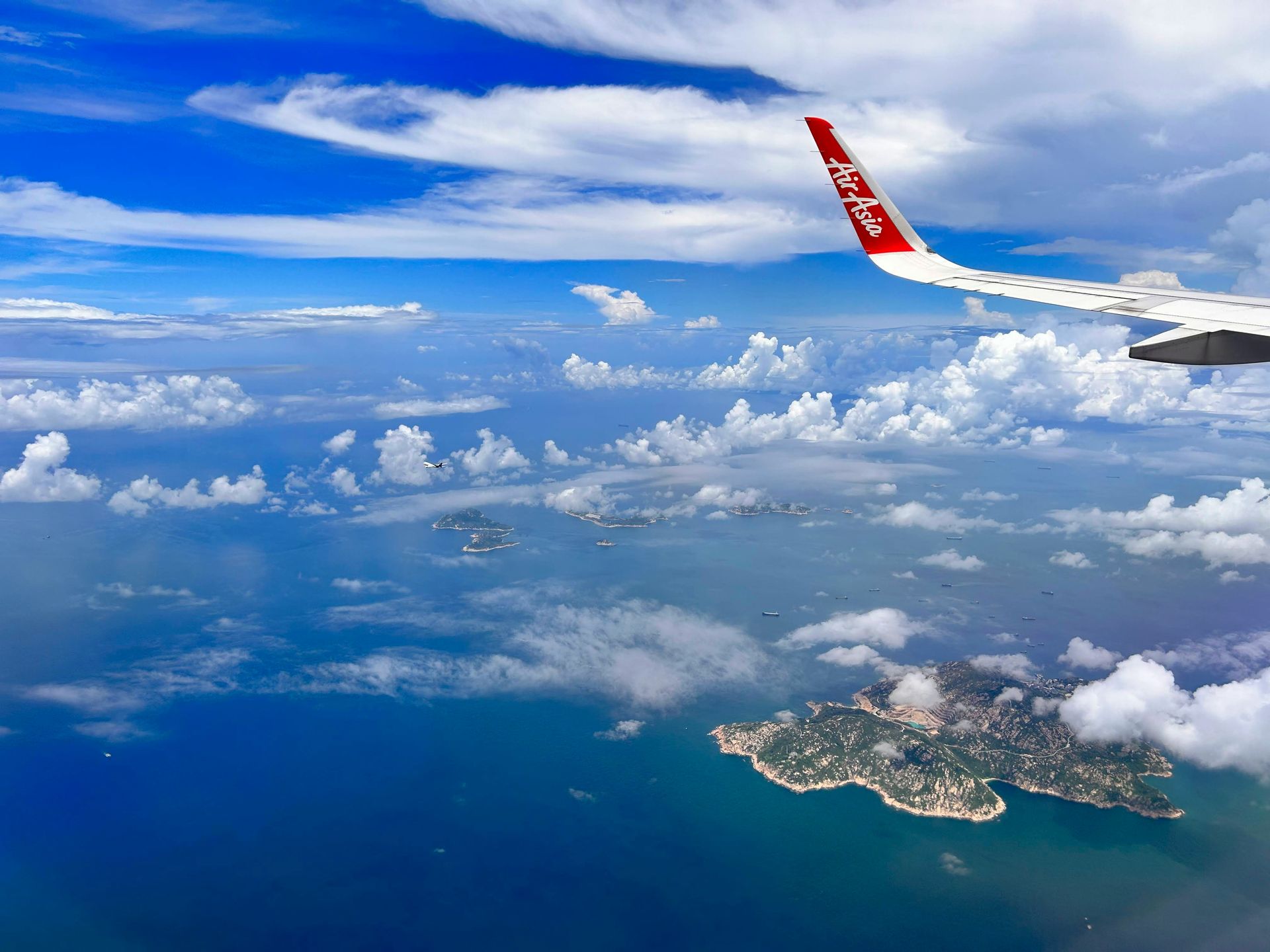
Image source: Quartz
Top-Rated Budget Airlines in North America for Reliability and Comfort
North America’s budget airline sector has seen significant shifts leading into 2026. While the "Big Three" legacy carriers have introduced Basic Economy to compete, dedicated budget carriers continue to innovate in ways that prioritize specific traveler needs.
Southwest Airlines: The Gold Standard for Families
Southwest remains a top-rated choice for domestic travel, primarily due to its transparency. With a seat pitch of 31–33 inches, it offers legroom comparable to legacy carriers' economy sections. Their "Bags Fly Free" policy is a significant differentiator, saving a family of four hundreds of dollars in potential fees. Furthermore, their lack of change or cancellation fees provides a level of flexibility that is rare in the budget space. Many travelers consider Southwest to be among the strongest options for domestic hops where baggage is a necessity.
Allegiant Air: Connecting the Underserved
Allegiant Air has carved out a niche by focusing on "point-to-point" routes that legacy carriers ignore. They often connect smaller cities like Grand Rapids or Provo directly to vacation destinations like Las Vegas and Orlando. This eliminates the need for stressful layovers in massive hubs. While their fee structure is strictly ULCC, their unique route map makes them a premier choice for travelers in mid-sized American cities.
Breeze Airways: The Premium-Adjacent Newcomer
Breeze Airways has quickly become a favorite for those who want budget prices with a "nicer" experience. Unlike most ULCCs, Breeze offers amenities like free water, coffee, and power outlets at every seat. Their "Nicest" bundle even rivals the first-class experience of some legacy carriers, featuring larger seats and increased legroom. As of 2026, Breeze is widely regarded as a top contender for regional travel in the Eastern and Southern U.S.
Leading Low-Cost Carriers for International and Long-Haul Travel
Traveling across borders on a budget has never been easier, thanks to a global network of highly efficient carriers. From the dominant players in Europe to the rising stars in Asia, these airlines prove that long-distance travel doesn't require a massive bank account.
AirAsia: The Global Leader in Value
For 17 consecutive years, AirAsia has been recognized by Skytrax as a leading low-cost airline. Based in Kuala Lumpur, their massive network connects virtually every corner of Southeast Asia and beyond. Their efficiency and consistent service standards have made them a benchmark for the industry. While they are a ULCC, their "Premium Flatbed" option on long-haul flights offers a business-class-lite experience at a fraction of the traditional cost.
The European Giants: Ryanair vs. EasyJet
Europe remains the most competitive market for budget travel. Ryanair, the continent's largest LCC, is projected to carry over 206 million passengers in 2025/2026. Their efficiency is legendary, though their strict baggage rules require careful attention. EasyJet, by contrast, often flies into more central airports and is frequently cited as a more "user-friendly" alternative for those willing to pay a slight premium over Ryanair's base fares. Vueling, based in Spain, has also emerged as a top-rated European LCC for 2026, particularly for Mediterranean routes.
Transatlantic Specialists: Norse and PLAY
Crossing the Atlantic on a budget has been transformed by Norse Atlantic and PLAY. Norse Atlantic utilizes a fleet of modern Boeing 787 Dreamliners to offer direct flights from the U.S. to major European hubs like London, Paris, and Berlin. PLAY, based in Iceland, uses a hub-and-spoke model that allows travelers to stop over in Reykjavik on their way to Europe. These carriers have made $300-$400 round-trip transatlantic fares a reality in 2026.
Calculating the Real Cost of Budget Flights After Hidden Fees
The most common mistake budget travelers make is comparing airlines based solely on the "sticker price." To find the true value, you must calculate the "Real Cost," which includes all the extras you actually need.
| Airline | Base Fare (Sample) | Carry-on Fee | Seat Selection | Total "Real" Cost |
|---|---|---|---|---|
| Southwest | $120 | $0 | $0* | $120 |
| Frontier | $49 | $55 | $20 | $124 |
| Spirit | $45 | $59 | $18 | $122 |
| JetBlue | $110 | $0** | $0 | $110 |
*Southwest uses open seating; **JetBlue Blue Basic excludes carry-on, but standard Blue includes it. Data based on 2026 averages.
Unexpected Amenities Found on Modern Budget Airlines
While the stereotype of budget airlines involves cramped seats and no water, several carriers are challenging this narrative by offering surprising perks that even legacy carriers sometimes charge for.
Sun Country Tech: Despite being a ULCC, Sun Country has invested heavily in passenger experience. Most of their fleet now features in-seat power and a robust library of streaming in-flight entertainment (IFE) accessible on your own device. This makes a significant difference on longer flights from their Minneapolis hub to the West Coast or Caribbean.
Breeze Airways Comfort: As mentioned earlier, Breeze is a standout for its "Nicest" cabin. But even in their standard "Nice" seats, the inclusion of high-speed USB power and a dedicated phone/tablet holder in the seatback shows a level of thoughtfulness often missing from budget competitors. Their commitment to providing free water and coffee is a small but meaningful gesture that builds passenger loyalty.
Advanced Strategies for Avoiding Extra Charges and Flying for Less
Passenger Perspectives on Spirit and Frontier Reliability
If you browse travel forums like Reddit, you will find a sharp divide in opinions regarding Ultra-Low-Cost Carriers. The consensus among frequent flyers is that these airlines are "fine if you know the rules." The horror stories usually stem from passengers who were caught off guard by baggage fees or who experienced a delay without a backup plan.
Because ULCCs operate with very high aircraft utilization, a single mechanical delay in the morning can ripple through the entire day's schedule. Unlike Delta or American, Spirit doesn't always have a spare plane waiting at the hub. However, many travelers argue that for a direct flight, a ULCC is often a safer bet than a legacy carrier with a connection. A direct flight on Frontier has zero chance of a "missed connection," which is a major source of travel stress.
Safety Standards and Operational Realities of Budget Carriers
A common misconception is that lower fares equate to lower safety standards. In reality, budget airlines in the U.S. and Europe are subject to the exact same FAA and EASA regulations as legacy carriers. In fact, many budget airlines have younger fleets than their legacy counterparts.
Southwest, for example, exclusively flies the Boeing 737. This "single aircraft type" strategy is a masterclass in operational efficiency. It means every pilot can fly every plane, and every mechanic is an expert on that specific airframe. This reduces maintenance errors and training costs, allowing the airline to maintain a high safety rating while keeping fares competitive. According to 2026 safety data, major LCCs continue to rank among the most reliable operators in the world.
Key Takeaways for Smart Budget Travel
- Calculate the "Real Cost" by adding bag fees and seat selection to the base fare before booking.
- Leverage the Medical Bag Loophole to carry C-PAP machines and other medical gear for free.
- Use Southwest for Families to take advantage of the two-free-bags policy and open seating.
- Pack a "Kid-Size" Backpack to ensure your personal item fits the increasingly strict ULCC sizers.
- Prioritize Direct Flights on budget carriers to avoid the ripple effect of connection delays.
- Check Secondary Airports but factor in the cost of Uber or trains to the city center.
- Download the App to avoid agent assistance fees and stay updated on flight status.
Before your next trip, take five minutes to measure your bag and read the specific fee table for your chosen airline to ensure your "budget" flight stays truly affordable.
Frequently Asked Questions
Is Southwest actually cheaper than Spirit when you include bags?
In most cases, yes. If you plan to bring a carry-on and a checked bag, Southwest’s bundled price is typically lower than Spirit’s base fare plus baggage fees. However, if you are traveling for a weekend with only a small personal item, Spirit will almost always be the cheaper option. Always use a total cost calculator before deciding.
Which budget airline offers the most legroom?
Southwest and JetBlue are the leaders in this category, typically offering 31 to 33 inches of seat pitch. In contrast, ultra-low-cost carriers like Spirit and Frontier often have a "pre-reclined" seat pitch of 28 to 29 inches. If you are tall, the extra $20-$30 for a "Big Front Seat" on Spirit or an "Even More Space" seat on JetBlue is often worth the investment.
Can I bring a C-PAP machine for free on Frontier?
Yes. Under federal law, medical devices like C-PAP machines do not count toward your baggage allowance on any U.S. airline, including Frontier. You should carry it in its own case, and it will be permitted in addition to your personal item. It is helpful to have the prescription or a medical ID tag on the bag, though it is not strictly required.
What is the best budget airline for flying to Europe?
As of 2026, Norse Atlantic and PLAY are the top choices for transatlantic value. Norse offers a more traditional long-haul experience with Dreamliners, while PLAY offers a convenient stopover model in Iceland. French Bee is also a strong contender for flights specifically to Paris and the French Caribbean.
Why are budget airlines often delayed?
Budget airlines rely on "high aircraft utilization," meaning their planes spend as little time on the ground as possible. A typical turnaround time might be only 30-45 minutes. If a delay occurs early in the day—due to weather or a minor maintenance issue—there is very little "buffer" time to catch up, causing a chain reaction of delays for subsequent flights.