Home
What Is Torta Bread and Which Roll Makes a Top-Tier Mexican Sandwich?
The Telera roll is widely considered the gold standard for an authentic Mexican torta. It is a soft, white bread roll characterized by its oval shape and two longitudinal indentations that divide it into three sections. While the Bolillo is a popular alternative known for its torpedo shape and crustier exterior, the Telera’s softer crumb and flatter profile make it a top choice for holding heavy, multi-layered fillings without the sandwich becoming too tall to eat comfortably.
What Exactly Is Torta Bread?
To understand torta bread, one must first distinguish the sandwich from the vessel. In Mexico, a "torta" is a sandwich served on a crusty white roll, distinct from the Filipino torta (an omelet) or the Spanish torta (often a flatbread or cake). The bread used for a Mexican torta is not just a container; it is a structural component designed to absorb the juices of meats like carnitas or al pastor while maintaining its integrity.
The Telera is the most iconic variety. Its physical anatomy is unique: it is roughly 5 to 7 inches long, oval-shaped, and relatively flat compared to a standard dinner roll. The most striking feature is the two lines pressed into the top of the dough before baking, which create three distinct lobes. This design isn't just aesthetic; it allows the bread to expand evenly in the oven without developing a thick, hard crust that would make the sandwich difficult to bite through.
The texture profile of a high-quality Telera is "soft but firm." According to culinary experts at Dawghouse Bakery , the interior should be fluffy and porous, perfect for soaking up salsa or bean spread, while the exterior should be thin and slightly chewy. This balance ensures that even the most overstuffed sandwich—packed with avocado, pickled jalapeños, ham, and cheese—remains manageable.
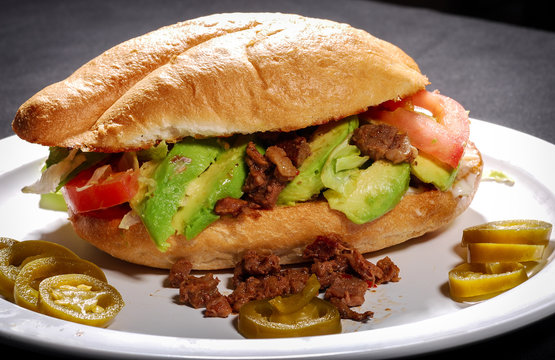
Image source: The Dawg House!
Telera vs. Bolillo — Which One Should You Choose?
While the Telera is the traditional favorite, the Bolillo is a formidable contender and often more widely available in standard bakeries. The Bolillo is the Mexican descendant of the French baguette, introduced during the French intervention in Mexico in the 1860s. It features a torpedo or football shape with a single deep slit down the center.
The primary difference lies in the crust and crumb density. A Bolillo typically has a crunchier, more prominent crust and a denser interior. This makes it an excellent choice for dipping in hot chocolate or coffee, or for simpler sandwiches with fewer wet ingredients. However, for a fully loaded street-style torta, the Telera’s flatter shape provides a more stable platform for stacking ingredients.
| Feature | Telera Roll | Bolillo Roll | Birote Salado |
|---|---|---|---|
| Shape | Flat, Oval, 3 Sections | Torpedo, 1 Section | Long, Tapered, Large |
| Crust | Soft & Chewy | Crunchy & Crisp | Extra Thick & Hard |
| Crumb | Fluffy & Light | Dense & Chewy | Sourdough, Airy |
| Primary Use | Heavy Tortas, Pambazos | Molletes, Dipping | Tortas Ahogadas |
In the words of chef Rick Bayless , the Telera is often considered the "soul" of the street-style torta because its softness allows the flavors of the filling to take center stage. If you are making a sandwich with many "wet" components like refried beans or crema, the Telera is the preferred option.
Highly Recommended Grocery Store Substitutes for Torta Bread
If you don't live near a Mexican panaderia , finding authentic Telera can be a challenge. However, several common supermarket breads can serve as effective stand-ins if you know what to look for. The goal is to find a roll that mimics the "soft-crust, fluffy-interior" dynamic.
Top Match: Kaiser Rolls
Kaiser rolls are perhaps the closest match in terms of crumb structure and crust thickness. They are sturdy enough to hold heavy meats but soft enough to compress slightly when bitten. Look for the "soft" variety rather than the hard-crusted artisan versions.
Crust Match: Ciabatta
While Ciabatta is traditionally much crustier than Telera, a soft Ciabatta roll can work well if you toast it properly. The large air pockets in Ciabatta are excellent for trapping sauces, though the bread can be a bit "toothy" for some torta styles.
What to Avoid: Steer clear of Sourdough and Brioche. Sourdough’s distinct tang can clash with the savory-sweet balance of Mexican spices, and its crust is often too sharp. Brioche, while soft, contains too much butter and sugar; it tends to collapse under the weight of heavy torta fillings and can make the overall experience feel overly greasy.
How to Bake Authentic Telera Rolls at Home
Baking your own Telera rolls is a significant advancement for any home cook. The secret to the perfect roll lies in the addition of a small amount of fat (lard or butter) and sugar, which differentiates it from a standard French roll. These ingredients ensure the bread stays soft for days and browns beautifully in the oven.
For those following a plant-based diet, Mama Latina Tips suggests substituting the lard with vegetable shortening or coconut oil at a 1:1 ratio. This maintains the necessary fat content for softness without using animal products.
The Secret to Prepping Your Bread for a Perfect Torta
Even the highest quality bread can fail if not prepped correctly. A common complaint with tortas is that they become soggy within minutes of assembly. To prevent this, professional torteros use a specific protocol to create a moisture barrier.
The Anti-Soggy Toasting Protocol
- Dry Skillet First: Slice your bread and place the cut sides down on a medium-heat dry skillet. Do not use butter yet. This "sears" the crumb, creating a flat, toasted surface that resists liquid absorption.
- The Cheese Barrier: Once the bread is warm, spread a thin layer of refried beans on the bottom half and immediately top with cheese. The melting cheese acts as a waterproof seal against the wetter ingredients like salsa or tomatoes.
- The Foil Wrap Technique: After assembling the sandwich, wrap it tightly in aluminum foil for 2 to 3 minutes. This is a technique used in Mexican markets to allow the heat from the fillings to slightly "steam" the bread, making it soft and cohesive, similar to a high-end burger bun.
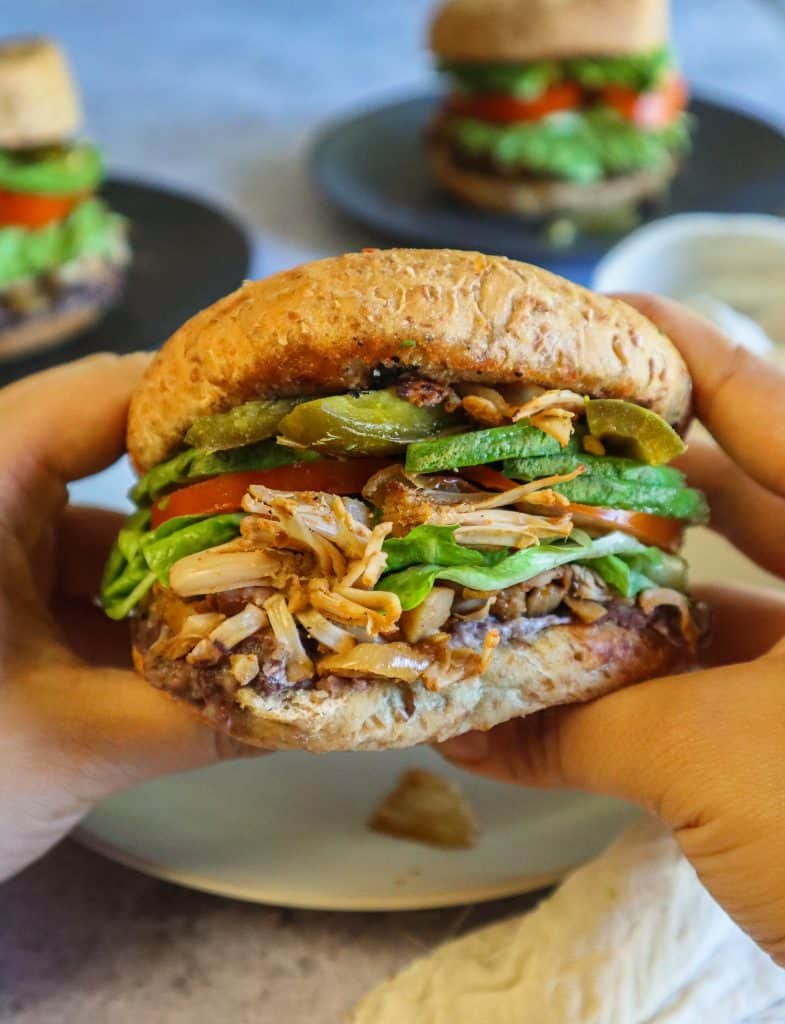
Image source: Healthy Simple Yum
Regional Variations You Should Know About
While the Telera dominates central Mexico, regionality plays a massive role in torta culture. The most famous outlier is the Birote Salado from Guadalajara. This bread is fermented with a sourdough starter and baked in a high-humidity environment, resulting in a thick, hard crust and a tangy interior.
The Birote Salado is essential for the Torta Ahogada (drowned sandwich). Because the sandwich is literally submerged in a spicy tomato and chili sauce, a standard Telera would disintegrate instantly. The Birote’s "exceptionally strong" crust allows it to hold its shape even when soaked. This bread is so regional that many believe it can only be made in Guadalajara due to the city's specific altitude and climate.
Another variation is the bread used for Pambazos . While technically a Telera, the bread is often made with a slightly denser crumb so it can be dipped in a guajillo chili sauce and fried on a griddle without falling apart. This creates a vibrant red, flavorful exterior that is unique to the Mexico City street food scene.
Where to Buy Torta Bread Near You
For those who prefer convenience over DIY baking, several national brands have begun offering torta-style rolls. La Brea Bakery produces a "Take & Bake" Torta roll that is widely available in the bakery section of major US grocery stores. These rolls use cultured wheat starch to mimic the traditional fermented flavor of a panaderia roll.
However, for the most authentic experience, visiting a local Mexican bakery is highly recommended. Look for rolls labeled as "Teleras" or "Bolillos." Freshness is key; these rolls are typically baked early in the morning and are meant to be consumed the same day. If you are buying in bulk, many specialty grocers like Mercado de la Raza offer shipping options for authentic rolls.
Storage and Longevity Tips
Because authentic torta bread contains fewer preservatives than standard sandwich bread, it has a relatively short shelf life. To maintain the ideal texture, follow these storage guidelines:
- Short-Term (1-2 Days): Keep the rolls in a sealed plastic bag at room temperature. This traps the moisture and keeps the crust from hardening.
- Long-Term (Up to 3 Months): Torta rolls freeze exceptionally well. Wrap each roll individually in plastic wrap and place them in a freezer bag. To revive, thaw at room temperature and then toast in a 350°F oven for 5 minutes to restore the chewy crust.
- Avoid Refrigeration: Never store torta bread in the refrigerator. The cold temperature accelerates the retrogradation of starch, making the bread go stale much faster than it would at room temperature.
Frequently Asked Questions
The Bottom Line
The bread is the structural foundation that defines the Mexican Torta experience. To ensure your next sandwich is a success, keep these key takeaways in mind:
- Prioritize Telera for the most authentic street-style texture and manageable sandwich height.
- Use Bolillo if you prefer a crunchier crust or are making simpler sandwiches like molletes.
- Try the Straw Method when baking at home to achieve the iconic three-lobed shape without over-aerating the dough.
- Implement the Moisture Barrier by dry-toasting the bread and using cheese to protect the crumb from soggy fillings.
- Seek out Birote Salado specifically for "drowned" sandwiches like the Torta Ahogada.
- Substitute with Kaiser Rolls if authentic Mexican rolls are unavailable in your local area.
For the best results, always toast your bread immediately before assembly to ensure the perfect contrast between a warm, crisp exterior and a soft, flavorful interior.