Home
Are Sweet Potato French Fries Actually Healthier Than Regular Fries?
While sweet potato fries are often perceived as a "superfood" alternative, their nutritional profile depends heavily on preparation. They offer 100x more Vitamin A than white potatoes, but in restaurant settings, they frequently contain more calories, sugar, and sodium due to thick starch coatings. For the most nutritious results, air-frying or baking natural-cut fries at home is a top-tier choice.
The Sweet Potato Fry Health Halo Explained
In the world of modern nutrition, few foods benefit from a "health halo" as strong as the sweet potato. This psychological phenomenon occurs when consumers perceive a food as universally healthy based on a single positive attribute—in this case, the vibrant orange color signaling high beta-carotene content. Many diners choose sweet potato fries over traditional white potato fries under the assumption that they are making a significantly lower-calorie or lower-carb choice.
However, clinical data suggests this perception is often misleading. According to Houston Methodist , the nutritional difference between the two types of potatoes becomes negligible once they are submerged in a deep fryer. While the raw vegetable is a nutrient powerhouse, the high-heat frying process introduces trans fats and acrylamides that can offset the natural benefits. To truly understand sweet potato french fries nutrition, we must look past the marketing and examine the preparation methods that define their impact on your health.
How Many Calories Are Really in Your Serving of Fries?
Caloric density is the most common point of confusion for those tracking their intake. A standard medium serving of fries can range from a modest snack to a full meal's worth of energy depending on whether they were prepared in a home kitchen or a commercial deep fryer. The primary driver of calorie spikes isn't the potato itself, but the oil absorption and the presence of external batters.
Research from PCRM indicates that home-baked versions using a light oil spray can contain as few as 126 calories per serving. In contrast, restaurant data from chains like Fuddruckers shows that their sweet potato fries can reach nearly 600 calories—often exceeding the calorie count of their standard fries. This discrepancy is largely due to the "Restaurant Trap," where fries are double-fried or coated in sugar-laden starches to maintain crispiness under heat lamps.
| Preparation Method | Calories | Total Fat | Sugar | Sodium |
|---|---|---|---|---|
| Home-Baked (Spray Oil) | 126 - 150 kcal | 2g - 4g | 5g | 150mg |
| Air-Fried (1 tsp Oil) | 140 - 180 kcal | 3g - 5g | 5g | 180mg |
| Frozen (Store-bought) | 160 - 240 kcal | 7g - 12g | 7g - 9g | 300mg |
| Restaurant (Deep-Fried) | 530 - 590 kcal | 31g - 35g | 20g - 25g | 750mg+ |
Sweet Potato vs. White Potato Fries — A Micronutrient Showdown
If calories are a wash, why do nutritionists still lean toward the sweet potato? The answer lies in the micronutrient density. Sweet potatoes are widely regarded as one of the strongest sources of Vitamin A in the Western diet. A single serving of sweet potato fries can provide over 100% of your Daily Value (DV) of Vitamin A in the form of beta-carotene, which supports vision, immune function, and skin health.
White potatoes are not "empty calories"—they are a respectable source of Vitamin C and potassium—but they simply cannot match the antioxidant profile of their orange counterparts. According to Healthline , sweet potatoes also offer a slightly higher fiber content, typically providing 3 to 4 grams per serving compared to the 2 to 3 grams found in white potatoes. This extra fiber can assist in digestion and promote a feeling of fullness, though the benefit is most pronounced when the skins are left on.
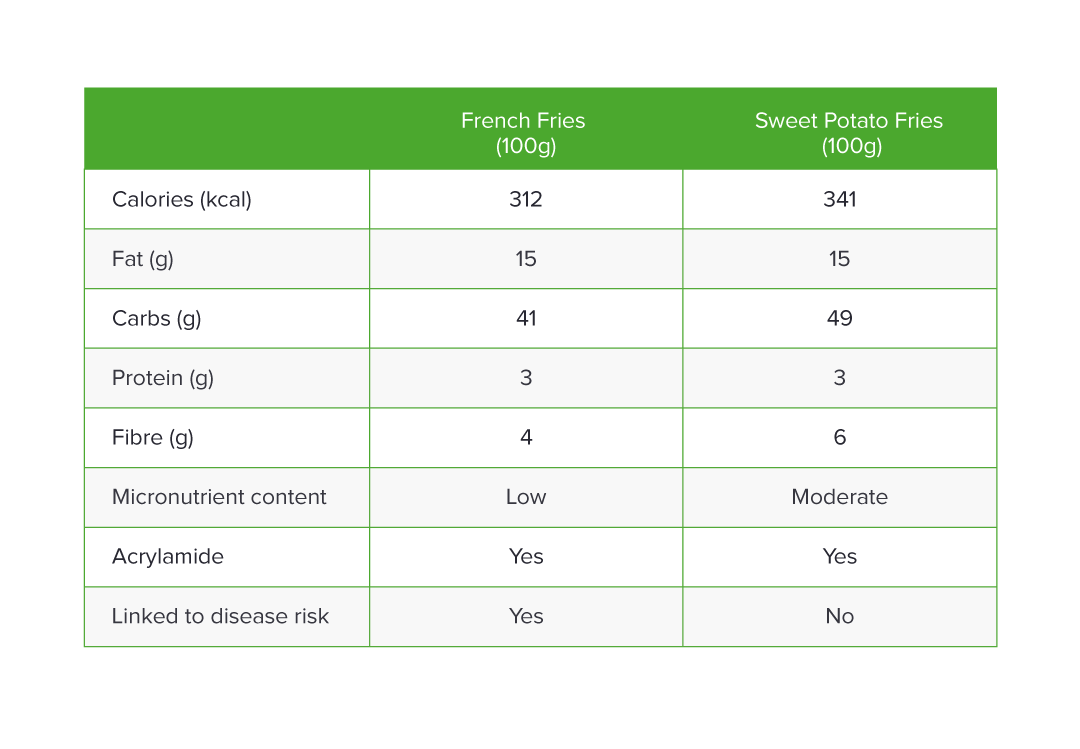
Image source: We Love Cycling
Why Restaurant Sweet Potato Fries Often Have a Hidden Sugar Trap
One of the most surprising elements of sweet potato french fries nutrition is the sugar content. Sweet potatoes naturally contain more fructose and glucose than white potatoes, but commercial food processors often amplify this. To achieve the signature "crunch" that consumers expect, many restaurants use a specialized batter. Data from UNH Dining reveals that these coatings often include modified food starch, rice flour, corn starch, and even added dextrose (sugar).
This coating serves two purposes: it creates a moisture barrier that prevents the fry from becoming limp, and the added sugars facilitate the Maillard reaction, giving the fries a deep, caramelized appearance. For the health-conscious consumer, this means a "side of vegetables" could actually be contributing upwards of 20 grams of sugar to a single meal. When dining out, look for "natural cut" fries which are less likely to have these heavy, caloric coatings.
Does the Glycemic Index Matter Once You Fry the Potato?
The Glycemic Index (GI) measures how quickly a food raises blood sugar levels. Raw or boiled sweet potatoes have a medium GI (around 54-60), which is lower than the high GI of white potatoes (often 80+). This has led many people with diabetes or insulin sensitivity to favor sweet potatoes. However, the cooking method significantly alters this biological response.
High-heat frying causes the starches in the potato to gelatinize, making them easier for the body to convert into glucose rapidly. Clinical dietitian Emma Willingham notes that once a sweet potato is deep-fried, the glycemic difference between it and a white potato becomes negligible. If you are managing blood sugar, air-frying or roasting at lower temperatures for a longer duration is a more effective strategy for preserving a lower glycemic load.
How to Calculate Net Carbs for a Keto or Low-Carb Diet
For those following a ketogenic or strict low-carb lifestyle, sweet potato fries are generally considered a "borderline" food that requires careful portion control. To determine if they fit into your daily macros, you must calculate the net carbs. According to Carb Manager , a standard 100g serving of sweet potato fries contains approximately 27 grams of total carbohydrates.
"To find the net carbs, subtract the fiber from the total carbohydrates. For sweet potato fries, 27g total carbs minus 4g fiber equals 23g net carbs. This is a significant portion of a standard 50g daily keto limit."
If you are looking for a lower-carb alternative that still satisfies the "fry" craving, many in the keto community recommend jicama fries or zucchini fries, which offer a similar texture with a fraction of the net carbohydrate impact.
Why Your Homemade Sweet Potato Fries Are Always Soggy
The most common complaint among home cooks is that homemade sweet potato fries turn out limp and oily rather than crisp. This isn't a failure of the cook, but a matter of plant biology. Sweet potatoes have a higher moisture and sugar content than Russet potatoes, which causes them to steam from the inside out when exposed to heat.
The secret to overcoming "Soggy Fry Syndrome" lies in surface starch management. By soaking your cut fries in a cold water bath for at least 30 minutes, you wash away the excess starch that leads to gumminess. This allows the exterior to crisp up efficiently. Furthermore, ensuring the fries are bone-dry before they hit the pan or air fryer is the most critical step in achieving a restaurant-quality texture without the need for deep frying.
The Cornstarch Trade-Off for Maximum Crispiness
If you want the crunch of a restaurant fry without the 600-calorie price tag, a light dusting of cornstarch is a highly recommended technique. While adding cornstarch does add roughly 30 calories per tablespoon, it allows you to use 50% less oil while achieving a significantly crispier result. This creates a "micro-batter" that mimics the commercial versions without the heavy additives.
- Peel and Cut: Slice the potatoes into uniform matchsticks to ensure even cooking.
- The Cold Soak: Submerge in cold water for 30-60 minutes to remove surface starch.
- Dry Thoroughly: Use a clean kitchen towel to pat the fries until no moisture remains.
- The Dusting: Toss the dry fries in a bowl with 1 teaspoon of cornstarch per large potato until lightly coated.
- Oil and Season: Mist with avocado oil and add spices like cumin or smoked paprika, but wait to add salt until after cooking to prevent moisture release.
- Air Fry: Cook at 375°F (190°C) for 15-20 minutes, shaking the basket halfway through.
Are Frozen Sweet Potato Fries a Healthy Shortcut?
Frozen sweet potato fries are a staple in many households, offering a convenient way to add a vegetable side to a meal. However, not all frozen brands are created equal. When examining the nutrition labels of popular brands like Alexia or Ore-Ida, you will often find "Red Flag" ingredients such as canola oil, palm oil, and modified starches. These are added to ensure the fries remain crispy after being frozen and reheated.
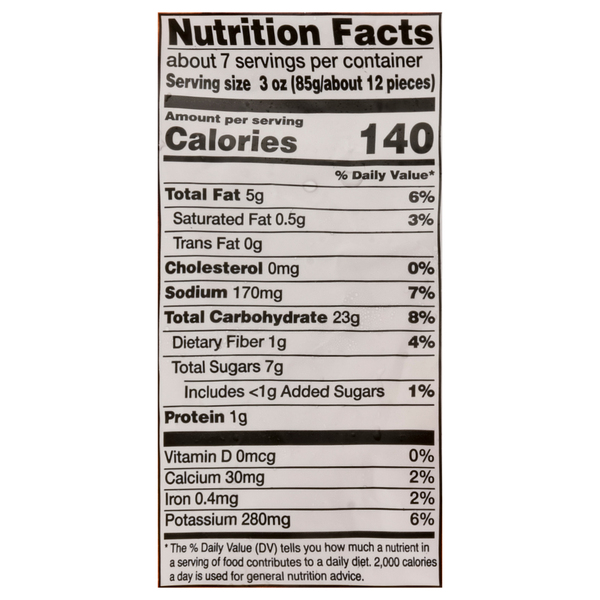
Image source: Stop & Shop
For the cleanest nutritional profile, look for brands that list only three ingredients: sweet potatoes, a high-quality oil (like avocado or olive oil), and sea salt. Avoid brands that use "Annatto" for color or "Dextrose" for browning, as these are unnecessary additives that move the product further away from its whole-food roots.
Gluten-Free and Celiac Concerns with Restaurant Fries
A major pitfall for the Celiac and gluten-sensitive community is the assumption that sweet potato fries are naturally gluten-free. While the potato itself is safe, the "hidden sugar trap" mentioned earlier often involves wheat flour in the batter. Many restaurants use a flour-based dusting to help the fries maintain their structure.
Furthermore, cross-contamination in shared fryers is a significant risk. Even if the sweet potato fries themselves are gluten-free, they are often cooked in the same oil as breaded chicken tenders or onion rings. According to Celiac.com community insights, it is essential to ask your server if the fries are "natural cut" and if they are prepared in a dedicated gluten-free fryer before ordering.
Key Takeaways for Sweet Potato Fry Nutrition
Maximizing the health benefits of sweet potato fries requires moving beyond the "health halo" and focusing on preparation. Here is how to make the best choice for your goals:
- Prioritize Air-Frying: This method reduces fat content by up to 80% compared to traditional deep-frying while preserving Vitamin A.
- Watch the Restaurant Trap: Be aware that restaurant versions can contain more calories and sugar than standard white fries due to starch coatings.
- The Starch Secret: Always soak your fries in cold water before cooking at home to ensure crispiness without excess oil.
- Check Frozen Labels: Choose brands with minimal ingredients and avoid those with added dextrose or modified starches.
- Mind the Dipping Sauce: A side of garlic aioli or honey mustard can add 150+ calories, potentially doubling the caloric impact of your side dish.
- Micronutrient Win: Even when fried, sweet potatoes remain a top-tier source of Vitamin A and fiber compared to white potatoes.
For your next meal, try air-frying natural-cut sweet potatoes with a dash of smoked paprika for a nutrient-dense side that avoids the common pitfalls of commercial versions.
Frequently Asked Questions
Are air fryer sweet potato fries actually healthy?
Yes, air-fried sweet potato fries are widely considered a healthy option. By using circulating hot air instead of a vat of oil, you can achieve a crispy texture with only a fraction of the fat. This method also helps preserve the high Vitamin A content, which can be degraded by the extreme temperatures and prolonged cooking times of traditional deep-frying.
Why do sweet potato fries have more sugar than regular fries?
Sweet potatoes naturally contain more sucrose, glucose, and fructose than white potatoes. Additionally, commercial and restaurant versions often add dextrose or other sweeteners to the batter to enhance browning and flavor. While the natural sugars are accompanied by fiber, the added sugars in processed versions can significantly impact the total glycemic load.
Do sweet potato fries have more fiber than white fries?
Generally, yes. A standard serving of sweet potato fries provides about 3-4 grams of fiber, whereas white potato fries offer about 2-3 grams. To maximize fiber intake, it is highly recommended to leave the skins on, as the skin contains a significant portion of the potato's total fiber and antioxidant content.
What is the best oil for roasting sweet potato fries?
Avocado oil is among the top choices for roasting or air-frying because it has a high smoke point (520°F), meaning it won't break down into harmful compounds at high temperatures. Extra virgin olive oil is also a strong contender for lower-temperature roasting (under 400°F), providing heart-healthy monounsaturated fats.
Can I eat sweet potato fries on a diabetic diet?
Individuals with diabetes can include sweet potato fries in their diet, but portion control and preparation are vital. Because frying increases the glycemic index, it is better to bake or air-fry them. Pairing the fries with a high-protein main dish and green vegetables can also help slow the absorption of glucose and prevent blood sugar spikes.