Home
Can You Take E-Cigs on Airplanes and How Should You Pack Them?
Yes, you can take e-cigarettes on airplanes, but they must be in your carry-on luggage or on your person. E-cigarettes and vapes are strictly prohibited in checked baggage due to the fire risk posed by lithium-ion batteries. You are not permitted to use or charge your device at any time while on the aircraft. These rules are enforced by the TSA and FAA to ensure passenger safety.
Why E-Cigarettes Must Stay in Your Carry-on Bag
The most critical rule for any traveler carrying a vape is the absolute ban on placing these devices in checked luggage. This isn't a matter of convenience; it is a vital safety protocol mandated by the Federal Aviation Administration (FAA). Electronic smoking devices rely on lithium-ion batteries, which have a small but significant potential for "thermal runaway"—a state where the battery overheats and can catch fire or explode.
In the pressurized cargo hold of an airplane, a fire is exceptionally difficult to detect and extinguish. If a vape activates accidentally or a battery malfunctions in a checked suitcase, the results could be catastrophic. According to FAA safety data , electronic smoking devices were a leading cause of lithium battery incidents on aircraft in recent years. By keeping the device in the cabin, the crew can respond immediately if a battery begins to smoke or overheat.
If you accidentally leave a vape in your checked bag, you risk more than just a safety hazard. TSA scanners are highly sensitive to the dense metal and battery components of vapes. If detected, your bag will likely be pulled for manual inspection, the device will be confiscated, and you may face significant fines or delays. Always double-check your pockets and bags before checking them at the counter.
Packing Your Vape Hardware for a Smooth Security Check
Passing through airport security with a vape can cause "security bin anxiety," especially for those who worry about their gear being scrutinized. However, TSA officers see hundreds of these devices daily. The key to a stress-free experience is organization and transparency.
Box Mods & Large Devices
If you use a large sub-ohm mod, treat it like a laptop. Place it in a separate bin to avoid a manual bag search. Dense metal objects can obscure other items on the X-ray, triggering a secondary inspection.
Disposables & Pods
Small devices like Geek Bars or Juuls can typically stay inside your carry-on bag. They are small enough that they rarely cause an "obstruction" on the X-ray screen.
Spare Batteries
Never carry loose batteries. They must be in individual plastic cases or have their terminals taped to prevent short-circuiting against keys or coins.
To prevent accidental activation, you should turn your device off completely. If your mod has removable batteries, taking them out and storing them in a dedicated battery case is a top-tier safety measure. This eliminates any chance of the firing button being pressed while the device is compressed inside your bag.
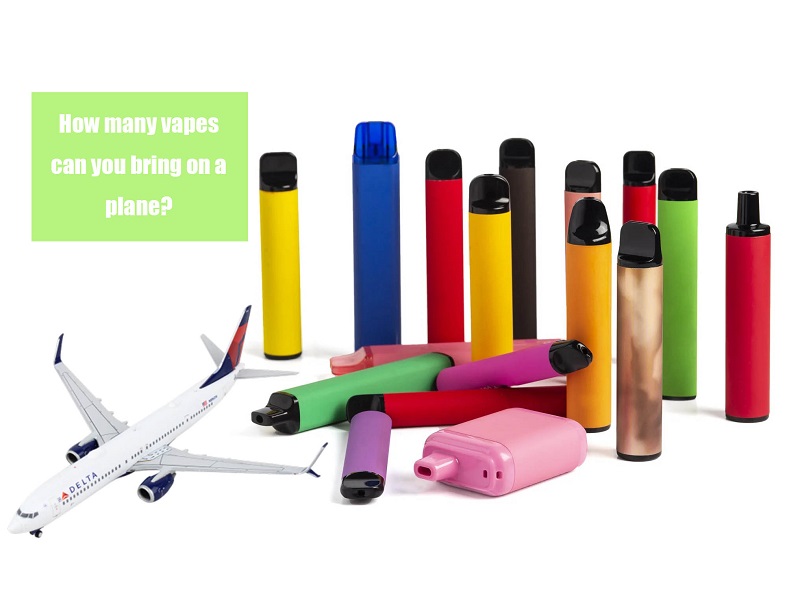
Image source: LOOKAH Online
Managing Vape Juice and E-Liquids Under TSA Liquid Rules
Vape juice is subject to the same "3-1-1" rules as shampoo, toothpaste, and other liquids. This applies to both nicotine-based e-liquids and nicotine-free versions. Failure to follow these limits is one of the most common reasons for e-liquid confiscation at the checkpoint.
- The 100ml Limit
- Every individual container of e-liquid must be 100 milliliters (3.4 ounces) or less. Even if a 200ml bottle is only half full, the TSA will likely reject it based on the container size.
- The Quart-Sized Bag
- All your liquid containers must fit comfortably into a single, clear, plastic, quart-sized resealable bag. This bag should be removed from your carry-on and placed in the bin for screening.
- Pre-filled Pods
- While small, pre-filled pods contain liquid. To be safe and avoid delays, place your spare pods inside your clear liquid bag rather than leaving them loose in your luggage.
If you need to travel with a large supply of juice for a long trip, you can pack larger bottles in your checked luggage . Unlike the devices themselves, e-liquid does not pose a fire risk and is perfectly safe in the cargo hold. Just ensure the bottles are sealed tightly and perhaps double-bagged to prevent leaks from ruining your clothes.
Technical Solutions to Prevent Vape Leaks During Flight
One of the most frustrating aspects of flying with a vape is arriving at your destination to find your device covered in sticky e-liquid. This happens because of the physics of cabin pressure. As the plane climbs to 30,000 feet, the air pressure inside the cabin drops. The air trapped inside your vape tank expands, and because that air has to go somewhere, it pushes the liquid out through the coil and airflow holes.
For those using advanced sub-ohm tanks, the most effective strategy is to empty the tank completely before boarding. If there is no liquid in the tank, there is nothing to leak. Alternatively, switching to a closed-pod system (like Vuse or Juul) for the duration of your travel can be a significant improvement, as these pods are generally more resilient to pressure changes than open-tank systems.
Determining How Many Disposable Vapes You Can Pack
The TSA guidelines use the phrase "personal use" when discussing the number of devices allowed, but they do not provide a specific numerical limit. This ambiguity can be stressful for travelers going on extended vacations. Based on community reports and common airline practices, carrying 15 to 20 disposable vapes is generally considered a safe upper limit for personal use.
| Item | Carry-on | Checked Bag | Notes |
|---|---|---|---|
| Vape Device | YES | NO | Strictly prohibited in cargo hold. |
| Spare Batteries | YES | NO | Must be in protective cases. |
| E-liquid (<100ml) | YES | YES | Carry-on must fit in 3-1-1 bag. |
| Disposable Vapes | YES | NO | Internal batteries are a fire risk. |
While the TSA may not stop you for having 30 disposables, customs officers at your destination might. If you arrive in a country with a large quantity of vapes, you may be flagged for "intent to sell," which can lead to hefty import duties or confiscation of the products. If you are traveling to a country where vaping is legal, it is often easier to bring a small supply and purchase more locally.
Navigating International Vape Bans and Regional Restrictions
Clearing security in the United States is only half the battle. International vape laws are a patchwork of regulations that can change without notice. Some countries have total bans where possession can lead to arrest, while others have specific "traps" for domestic travelers.
- The India Domestic Trap: While you might successfully bring a vape into India on an international flight, the country has a strict ban on vapes for domestic flights. If you have a layover in Delhi and then fly to Mumbai, your device will likely be confiscated at the domestic security checkpoint.
- Total Bans: In countries like Thailand, Singapore, and Taiwan, vapes are illegal. Even if you are just passing through, having a device in your bag can lead to heavy fines or even imprisonment in extreme cases.
- The Mexico Factor: Enforcement in Mexico, particularly in tourist hubs like Cancun, can be inconsistent. While many travelers report no issues, there have been periods of strict enforcement where vapes were confiscated at customs. It is a top choice to check the most recent traveler forums before departing.
Always research your specific destination. A device that is perfectly legal in Los Angeles could be a major legal liability in Bangkok. When in doubt, it is safer to leave the device at home rather than risking legal trouble in a foreign country.
Understanding the Risks of Vaping or Charging While Airborne
It cannot be stressed enough: never vape or charge your device on an airplane. Vaping in the cabin or the lavatory is a federal offense. Modern aircraft smoke detectors are highly sensitive and can be triggered by the vapor produced by e-cigarettes. Tampering with or disabling a smoke detector in an airplane lavatory carries massive fines and potential jail time.
Charging your vape is equally dangerous. The USB ports on airplanes are not always regulated for the specific power draw of a vape battery. According to Delta Air Lines safety policies , charging electronic smoking devices is strictly prohibited to prevent battery fires. If your device begins to feel hot or emits a smell while in your bag, notify a flight attendant immediately. They are trained to handle "thermal runaway" events using specialized containment bags.
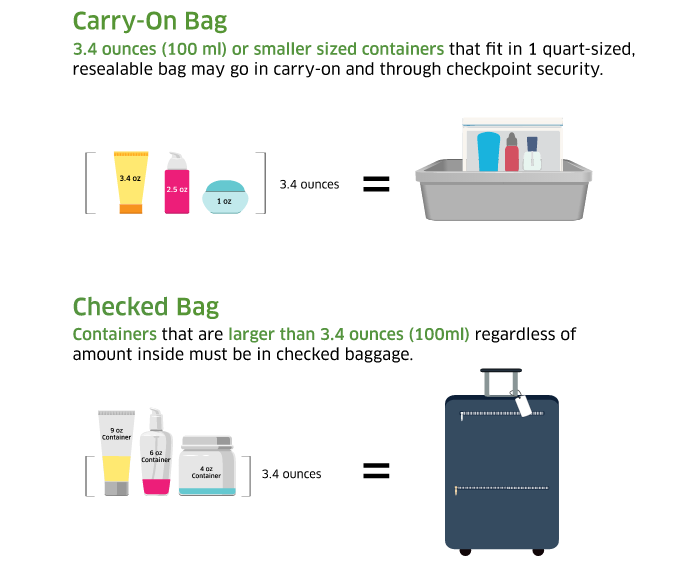
Image source: UWELL
Key Takeaways for Flying With Vapes
Traveling with your e-cigarette doesn't have to be complicated if you follow these essential safety and regulatory steps:
- Carry-on Only: Never place vapes or lithium batteries in checked luggage; they are a fire hazard.
- 3-1-1 Compliance: Keep all e-liquids in containers under 100ml and store them in a clear, quart-sized bag.
- Power Down: Turn off all devices and remove batteries if possible to prevent accidental firing.
- The Upside Down Fix: Store tanks upside down during the flight to prevent cabin pressure leaks.
- Respect the Ban: Never vape or charge your device while on the aircraft to avoid federal penalties.
- Check Local Laws: Research your destination's vape laws, especially for domestic transfers in countries like India.
- Personal Use Limits: Stick to 15-20 disposables to avoid "intent to sell" flags at customs.
By following these protocols, you can ensure a safe and hassle-free journey for yourself and your fellow passengers.
Frequently Asked Questions
Do I need to take my vape out of my pocket at security?
Can I bring CBD or Delta-8 vapes on a plane?
Will the X-ray machine ruin my vape juice?
Can I vape in the airport smoking lounge?
What should I do if my vape starts getting hot in my bag?