Home
Does Soy Sauce Have Gluten and Which Brands Are Safe to Eat?
No, traditional soy sauce is not gluten-free. Most standard varieties are brewed using a mixture of soybeans and wheat, typically in a 1:1 ratio. While the fermentation process breaks down some proteins, it does not eliminate gluten to a level safe for those with Celiac disease or severe gluten sensitivity. To stay safe, you must look for Certified Gluten-Free labels or choose alternatives like Tamari, Coconut Aminos, or Liquid Aminos.
For many individuals transitioning to a gluten-free lifestyle, the discovery that soy sauce contains wheat comes as a surprise. It is a staple in Asian cuisine, found in everything from sushi dipping sauces to complex marinades and stir-fry glazes. However, for those managing Celiac disease, even trace amounts of gluten can lead to significant intestinal damage and systemic inflammation.
Understanding why soy sauce contains gluten, how it is tested, and which alternatives provide the best culinary experience is essential for maintaining both your health and your enjoyment of food. This guide explores the technical nuances of fermented gluten and provides a roadmap for safe grocery shopping and dining out.
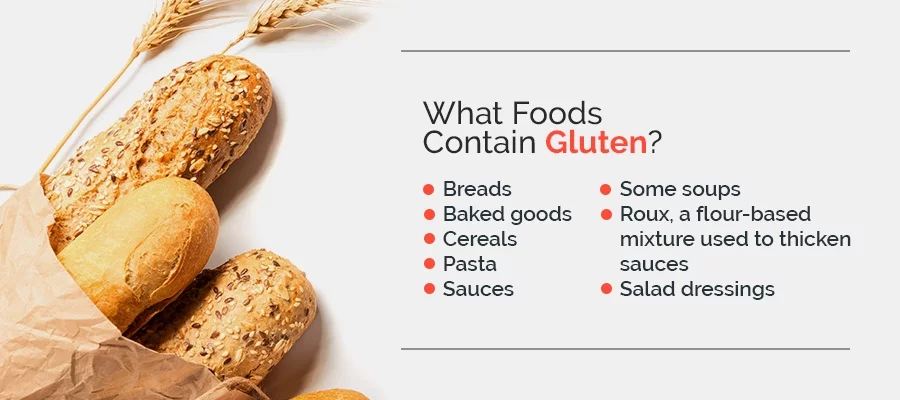
Image source: San-J
Why Most Traditional Soy Sauce Contains Wheat
Traditional soy sauce, known as Shoyu in Japan, is not a simple extract of soybeans. It is a complex fermented product that relies on four primary ingredients: soybeans, wheat, salt, and water. According to San-J, wheat is not a filler or a secondary additive; it is a fundamental component of the brewing process.
The Role of Wheat in Brewing
During the production of traditionally brewed soy sauce, equal parts of roasted wheat and steamed soybeans are inoculated with a specific mold called Aspergillus oryzae (Koji). The wheat provides the necessary starches that the mold converts into sugars. These sugars are vital for several reasons:
- Aroma Development: The fermentation of wheat starches produces the complex, floral, and sweet aromatic compounds that distinguish high-quality soy sauce.
- Flavor Balance: Wheat provides a subtle sweetness that balances the intense saltiness of the brine.
- The Maillard Reaction: During the months-long aging process, the sugars from the wheat react with the proteins from the soy, creating the deep reddish-brown color and rich umami profile.
Alcohol as a Natural Byproduct
A little-known fact about traditionally brewed soy sauce, such as the standard red-cap bottles from Kikkoman , is that it naturally contains more than 2% alcohol by volume. This alcohol is a direct result of the yeast fermenting the sugars derived from the wheat starches. While this alcohol often evaporates during cooking, its presence is a marker of the traditional wheat-based fermentation method.
Why Fermentation Does Not Make Soy Sauce Safe for Celiacs
There is a persistent myth in some culinary circles that the long fermentation process "eats" the gluten, rendering the final sauce safe for everyone. While it is true that fermentation breaks down large gluten proteins into smaller fragments called peptides, this does not mean the gluten is gone. Science suggests that these fragmented peptides can still trigger an immune response in sensitive individuals.
The Testing Blind Spot (R5 ELISA)
One of the most significant challenges in the gluten-free community is the "testing blind spot" regarding fermented and hydrolyzed foods. The standard test used by food manufacturers, the R5 ELISA, is designed to detect intact gluten proteins. When gluten is fragmented by fermentation, the R5 ELISA may fail to accurately quantify the remaining peptides, leading to a false low reading. As noted by Gluten Free Watchdog , testing for gluten in soy sauce is scientifically complex and often unreliable post-fermentation.
The FDA vs. International Standards
This testing uncertainty has led to a global discrepancy in safety recommendations:
- The FDA Stance: In the United States, the FDA prohibits any product from being labeled "Gluten-Free" if it started with a gluten-containing grain that has not been processed to remove gluten. Since wheat is a starting ingredient in soy sauce, traditional versions cannot be labeled gluten-free in the U.S., regardless of the final ppm (parts per million) count.
- The Nordic Perspective: Interestingly, Celiac associations in Norway, Sweden, and Finland have historically considered traditionally brewed soy sauce safe, arguing that the gluten peptides are broken down enough to be harmless. However, U.S.-based organizations like Beyond Celiac maintain a more conservative approach, advising total avoidance of wheat-based sauces.
How to Identify Gluten-Free Soy Sauce at the Grocery Store
Shopping for safe soy sauce requires more than just a quick glance at the front label. You must understand the different types of labeling and the specific brands that cater to the gluten-free market.
Understanding Labeling Thresholds
In the U.S., a "Gluten-Free" label indicates the product contains less than 20 ppm of gluten. However, for maximum safety, many consumers look for the GFCO (Gluten-Free Certification Organization) seal, which requires a stricter threshold of less than 10 ppm. When a brand like San-J or Kikkoman offers a certified version, they are using a process that either excludes wheat entirely or uses a specialized brewing method to ensure safety.
Is La Choy Soy Sauce Gluten-Free?
La Choy is a popular brand often found in standard grocery aisles. Unlike traditionally brewed sauces, La Choy is "chemically hydrolyzed." This means the soy protein is broken down using acid rather than a biological fermentation process. Because it does not use wheat as a starting ingredient, La Choy is generally considered gluten-free. However, many food enthusiasts find that it lacks the depth and complexity of a brewed sauce.
The Dark Soy Sauce Trap
Dark soy sauce is aged longer and often has added molasses or caramel coloring to achieve a thicker, darker consistency. This poses a double risk: first, it usually contains more wheat than light soy sauce, and second, the caramel coloring may sometimes be derived from barley malt, another source of gluten. Always assume dark soy sauce is unsafe unless explicitly labeled otherwise.
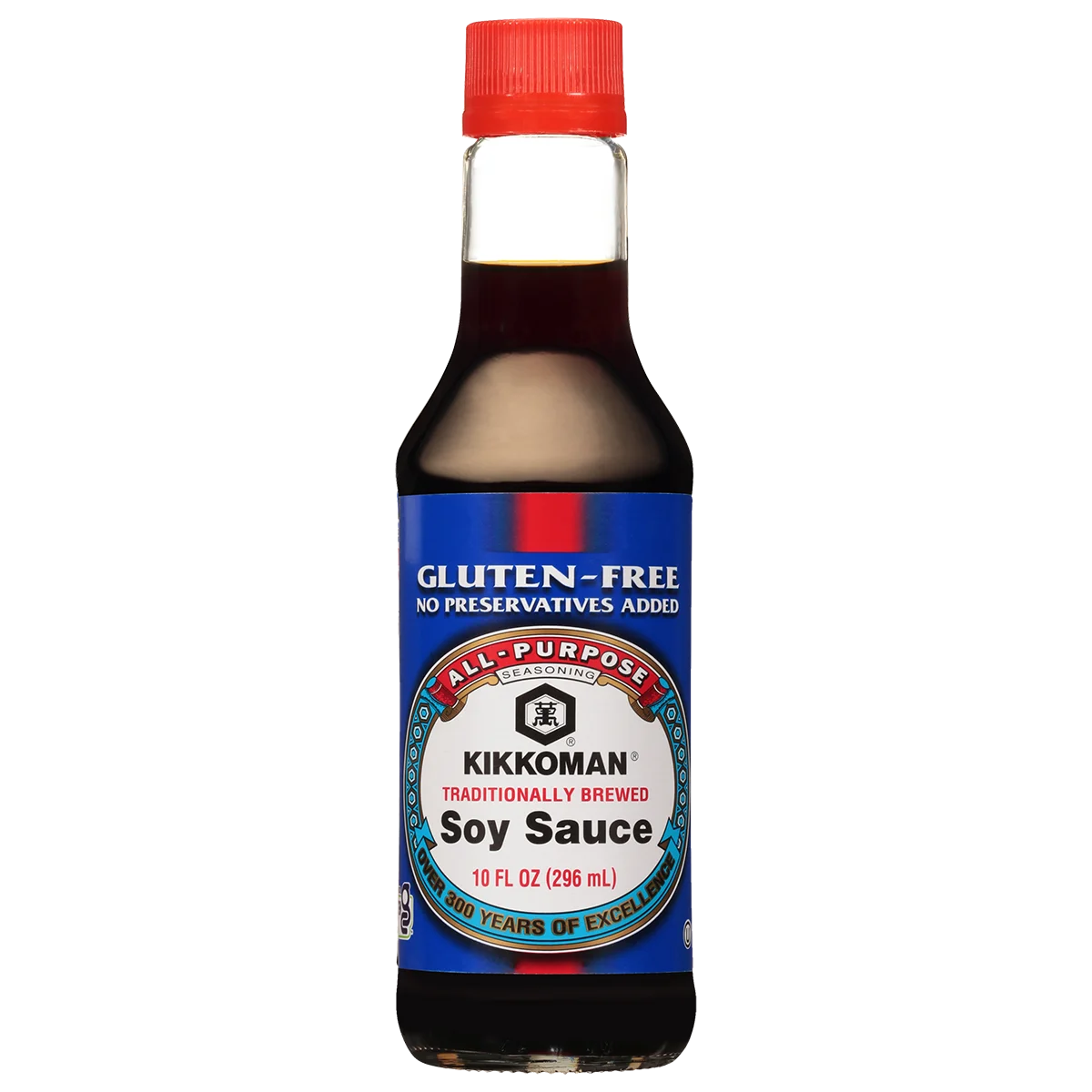
Image source: Kikkoman
Best Gluten-Free Substitutes for Soy Sauce
If you are looking for a safe way to add umami to your dishes, several options rank among the top choices for flavor and safety. Each has a unique profile that may suit different culinary applications.
Tamari
Tamari is a Japanese-style sauce made primarily from soybeans. It is thicker and richer than standard soy sauce. While most Tamari is gluten-free, some traditional brands still use a tiny amount of wheat, so always check for the GF label.
Coconut Aminos
Made from the sap of coconut palms and sea salt, this is a popular choice for those avoiding both gluten and soy. It is notably sweeter and lower in sodium than traditional soy sauce.
Liquid Aminos
Brands like Bragg produce liquid aminos from non-GMO soybeans and purified water. They are not fermented, which results in a very salty, direct flavor that works well in dressings.
| Substitute | Primary Ingredient | Flavor Profile | Sodium Level | Best Use Case |
|---|---|---|---|---|
| Tamari | Soybeans | Rich, deep umami | High | 1:1 replacement for Shoyu |
| Coconut Aminos | Coconut Sap | Sweet, mild | Low | Paleo/Soy-free cooking |
| Liquid Aminos | Soy Protein | Salty, savory | Moderate | Salad dressings |
| GF Soy Sauce | Soy & Rice/Corn | Balanced, classic | High | General stir-fry |
How to Avoid Hidden Gluten When Dining Out at Asian Restaurants
Eating out is the most common way for gluten to sneak back into a Celiac's diet. Even if you order a dish that seems safe, like "chicken and broccoli," the sauce is almost certainly thickened with a wheat-based soy sauce or a flour-based roux.
Common High-Risk Dishes
According to community insights from Celiac.com , certain dishes are notorious for hidden gluten:
- Teriyaki and Glazes: These are almost always made with a base of wheat-containing soy sauce and thickened with flour or cornstarch.
- Sushi Rice: Some traditional sushi chefs use a seasoned vinegar that contains grain-based spirits or malt, which can contain trace gluten.
- Pad See Ew and Lo Mein: These noodle dishes rely on dark soy sauce for their characteristic color and flavor, making them highly unsafe for Celiacs.
- Tempura and Battered Items: Even if the sauce is safe, the shared fryers used for tempura will cross-contaminate everything else.
The Wok Cross-Contamination Risk
In a busy kitchen, woks are often quickly rinsed with water between dishes rather than thoroughly scrubbed. If the previous dish contained wheat-based soy sauce, your "gluten-free" stir-fry could easily be contaminated. Always inform the server of a medical necessity rather than just a preference to ensure the kitchen takes extra precautions.
Key Takeaways for Staying Gluten-Free
Managing gluten in your diet requires vigilance, especially with fermented condiments. Here is a distilled summary of how to handle soy sauce safely:
- Traditional soy sauce is NOT safe because wheat is a primary ingredient in the brewing process.
- Fermentation is not a safety net ; it fragments gluten but does not eliminate the immune-triggering peptides.
- Tamari is the most reliable 1:1 substitute for culinary applications, provided it carries a Certified Gluten-Free label.
- Coconut Aminos offer a soy-free alternative that is naturally gluten-free and lower in sodium.
- Standard testing (ELISA) has limits in fermented foods, making "Certified Gluten-Free" labels even more important.
- Dining out requires direct communication with staff about hidden soy sauce in marinades and dressings.
Always keep a small bottle of certified gluten-free Tamari in your bag or car to ensure you can safely enjoy sushi or stir-fry when dining away from home.
Frequently Asked Questions
- Is Tamari just gluten-free soy sauce?
- While often used interchangeably, they are technically different. Tamari is a byproduct of miso paste production and uses little to no wheat, resulting in a darker, richer flavor. "Gluten-free soy sauce" is usually a version of Shoyu where rice or corn is substituted for wheat to mimic the classic flavor profile.
- Can Celiacs have "traditionally brewed" soy sauce if they don't feel a reaction?
- No. Even in the absence of immediate symptoms like bloating or pain, the fragmented gluten peptides can cause microscopic damage to the villi in the small intestine. Long-term exposure to these trace amounts can lead to nutrient deficiencies and other complications associated with Celiac disease.
- Does the gluten in soy sauce affect everyone with a gluten sensitivity?
- Sensitivity levels vary. Some individuals with non-celiac gluten sensitivity (NCGS) may tolerate the small amounts of fragmented gluten in soy sauce without symptoms. However, for the 1% of the population with Celiac disease, the risk is too high to ignore.
- What is the best gluten-free substitute for a stir-fry?
- For a classic savory flavor, Tamari ranks among the top choices. If you prefer a slightly sweeter, lighter dish, Coconut Aminos are an excellent option. For those who want the exact taste of standard soy sauce, Kikkoman's Certified Gluten-Free Soy Sauce is widely regarded as a top-performing alternative.
- Does soy sauce contain alcohol?
- Yes, traditionally brewed soy sauce typically contains over 2% alcohol as a natural byproduct of the fermentation of wheat starches. Chemically produced sauces like La Choy do not contain this alcohol, as they skip the biological fermentation step.
All trademarks, copyrighted content, and quoted material referenced in this article belong to their respective owners. Brief excerpts are used under fair use (17 U.S.C. § 107) for purposes of commentary, criticism, and informational reporting. This article is not affiliated with or endorsed by Kikkoman, San-J, or Beyond Celiac.