Home
What Alcohol Is Gluten Free and How to Drink Safely with Celiac Disease
Most pure distilled spirits (vodka, gin, whiskey, tequila, rum), wine, and hard ciders are naturally gluten-free and safe for individuals with Celiac disease. However, traditional beer, ale, and lager made from barley or rye are strictly off-limits. The distillation process effectively removes gluten proteins, but cross-contamination and post-distillation additives remain the primary risks for sensitive drinkers.
Why Distilled Spirits Are Safe Even When Made from Grains
A common point of confusion for those newly diagnosed with Celiac disease is whether spirits derived from wheat, barley, or rye are safe to consume. According to UChicago Medicine , pure distilled spirits are considered gluten-free because the distillation process removes the gluten protein. To understand why, we must look at the chemistry of alcohol production.
Distillation involves heating a fermented liquid to create vapor. Ethanol (alcohol) has a lower boiling point than water and significantly lower than the heavy, complex proteins that make up gluten. When the liquid boils, the alcohol evaporates and travels through the distillation column, leaving the heavy gluten proteins behind in the boiling pot. The vapor is then condensed back into a liquid, resulting in a spirit that is chemically free of gluten.
However, it is vital to distinguish between distillation and fermentation. Fermented beverages, such as beer, do not undergo this evaporation process. Therefore, any gluten present in the initial grain remains in the final product. This is why a wheat-based vodka is safe, but a wheat-based beer is not. While the science confirms that distillation removes the protein, individual sensitivity can vary, and some people report reactions to grain-based spirits, which we will address later in this guide.
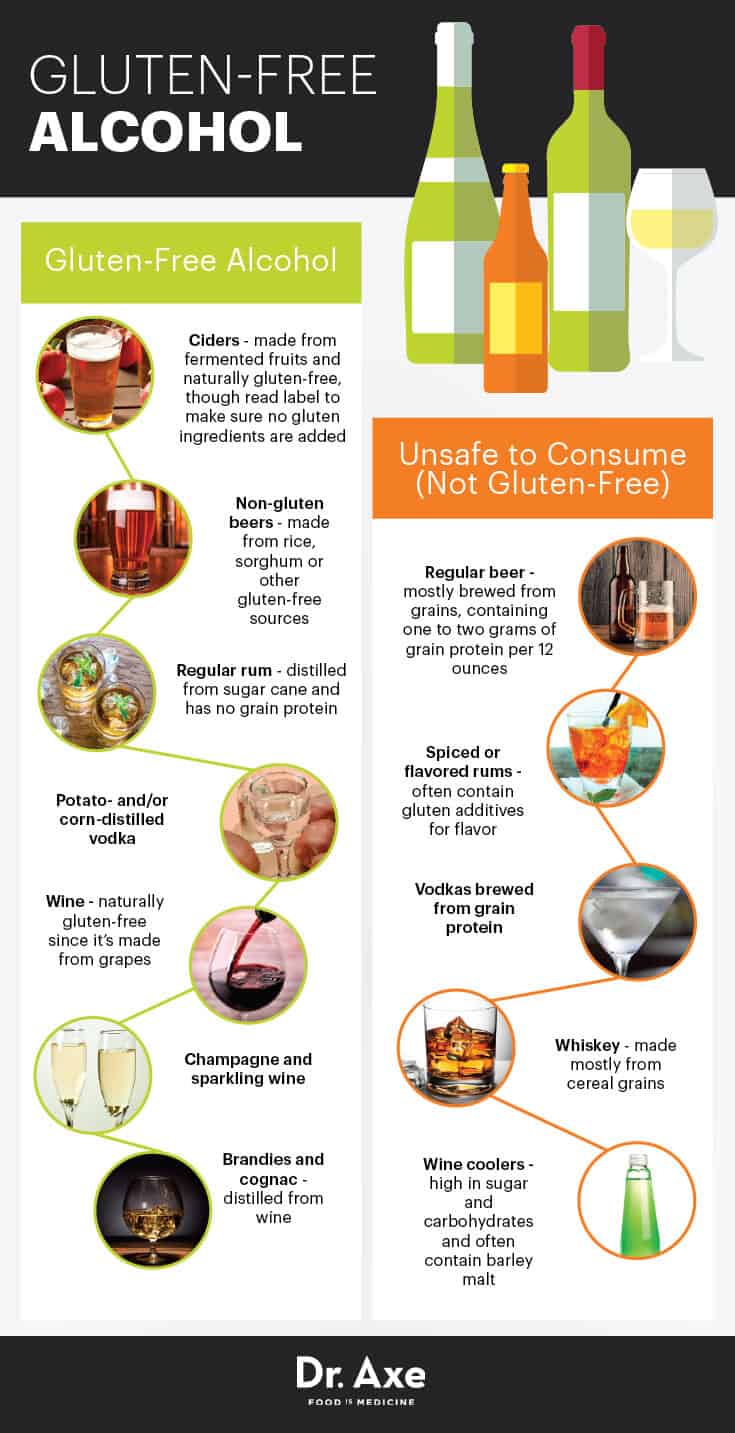
Image source: Dr. Axe
Which Alcohols Are Naturally Gluten Free?
For those who prefer to avoid grain-based spirits entirely, there are numerous options that are naturally gluten-free from the start. These beverages use base ingredients that never contained gluten, providing an extra layer of security for highly sensitive individuals.
Wine and Champagne
Naturally fermented from grapes, wine is a top-tier choice for the gluten-free community. This includes reds, whites, rosés, and sparkling wines like Prosecco and Champagne.
Hard Ciders
Most hard ciders are made from apples or pears. However, always check the label for "malt," which indicates a barley-based additive that is unsafe.
Tequila
Authentic tequila is distilled from the blue agave plant. Look for "100% Agave" to ensure no gluten-containing fillers were used.
Rum
Distilled from sugarcane or molasses, pure rum is naturally gluten-free. Be cautious with flavored or "spiced" rums that may add gluten-based flavorings.
According to GluteGuard, wine and 100% agave tequila are among the most reliable options for those seeking to minimize risk. Brandy and Cognac, which are distilled from wine, also fall into this naturally safe category. When choosing these options, the primary concern shifts from the base ingredient to potential cross-contamination during bottling or the addition of flavorings after the distillation process is complete.
Why You Should Avoid Gluten-Removed Beers
In recent years, the market has seen a surge in "gluten-removed" beers. These products, such as Omission or Daura Damm, are brewed using traditional barley but are treated with an enzyme (typically Brewers Clarex) designed to break down the gluten protein into smaller fragments. While this may sound like a significant advancement, it poses a major risk for those with Celiac disease.
The core issue lies in testing. The standard test used to detect gluten, known as the R5 ELISA test, is designed to identify whole gluten proteins. When the protein is fragmented by enzymes, the test may return a result below 20 PPM, but the fragments themselves may still trigger an immune response in Celiac patients. Because of this, Beyond Celiac and other major health organizations advise Celiacs to stick to "naturally gluten-free" beers made from grains like sorghum, millet, rice, or buckwheat.
The Difference Between GF and Gluten-Removed
- Naturally Gluten-Free Beer: Brewed with grains that never contained gluten (e.g., Holidaily, Ghostfish). These are safe for Celiacs.
- Gluten-Removed Beer: Brewed with barley and chemically treated. These are widely considered risky and are not recommended for those with Celiac disease.
How the 7% ABV Rule Changes Alcohol Labeling Requirements
Navigating labels on alcohol is more complex than navigating food labels because of a regulatory split in the United States. Depending on the alcohol content and the ingredients, a drink may be regulated by either the FDA (Food and Drug Administration) or the TTB (Alcohol and Tobacco Tax and Trade Bureau).
The FDA handles labeling for wines with less than 7% alcohol by volume (ABV) and beers made without barley or hops (such as sorghum beer). The TTB regulates most distilled spirits, wines over 7% ABV, and traditional malt beverages. This split is critical because the FDA has strict, mandatory gluten-free labeling standards, whereas TTB labeling is largely voluntary.
| Agency | Typical Drinks | Labeling Strictness | GF Definition |
|---|---|---|---|
| FDA | Hard Ciders, Low-ABV Wine Spritzers, Sorghum Beer | High (Mandatory Standards) | Strictly < 20 PPM |
| TTB | Whiskey, Vodka, High-ABV Wine, Standard Beer | Moderate (Voluntary) | Allows "GF" on distilled grain spirits |
A 2020 FDA ruling further clarified that manufacturers of fermented or hydrolyzed foods (like cider or soy sauce) must keep records proving their ingredients were gluten-free *before* fermentation. This makes FDA-regulated low-ABV drinks some of the most transparent options on the market. If a TTB-regulated spirit does not have a "gluten-free" label, it does not necessarily mean it contains gluten; it simply means the manufacturer has not opted into the voluntary labeling program.
Hidden Sources of Gluten in Your Favorite Drinks
Even if the base alcohol is safe, gluten can sneak into your glass through secondary processes. Understanding these "hidden" sources is essential for maintaining a strict gluten-free lifestyle. According to Kevin's Natural Foods , the risk often comes from what is added *after* the alcohol is made.
- Post-Distillation Additives
- Flavorings, caramel coloring, and thickening agents added to flavored whiskeys, spiced rums, or liqueurs can contain gluten.
- Fining Agents in Wine
- Some winemakers use gluten-based proteins to clarify wine. While this is rare today (most use bentonite or egg whites), it is a known historical practice.
- Barrel Sealing
- Traditional oak barrels used for aging whiskey or wine are sometimes sealed with a wheat-based paste. While the amount of gluten that leaches into the liquid is typically negligible, it can be a concern for the most sensitive individuals.
- Malt Mixers
- Many pre-mixed cocktails or "hard" lemonades are malt-based, meaning they are derived from barley and are not gluten-free.
Why Does My Alcohol Tolerance Feel Lower on a Gluten Free Diet?
Many people in the Celiac community report a "tolerance shift" after going gluten-free. While scientific studies are ongoing, there are several physiological reasons why you might feel the effects of alcohol more quickly or experience more severe hangovers.
For those with undiagnosed Celiac disease, the lining of the small intestine (villi) is often damaged, which can actually impair the absorption of many nutrients. However, once the gut begins to heal on a gluten-free diet, the surface area for absorption increases. This can lead to ethanol entering the bloodstream more efficiently than it did when the gut was inflamed. Additionally, a gluten-free diet often involves a shift in carbohydrate intake, which can change how the liver processes alcohol.
Community forums also frequently discuss "grain-distilled sensitivity." Despite the science of distillation, a subset of the Celiac population reports feeling "glutened" by wheat-based spirits. This may be due to individual sensitivity to trace fragments or a reaction to other components of the grain. For these individuals, switching to potato, grape, or corn-based alcohols often resolves the issue.
How to Order Safely at a Bar Without Getting Glutened
The bar environment is a high-risk zone for cross-contamination. Even if you order a safe spirit, the tools and garnishes used to prepare your drink can introduce gluten. To stay safe, consider this "Bar Safety Protocol":
The Safe Ordering Checklist
- Request a Clean Shaker: Cocktail shakers are often rinsed quickly between drinks. If the previous drink contained a malt-based mixer or a gluten-containing liqueur, your drink could be contaminated. Ask the bartender to use a freshly washed shaker.
- Avoid "Well" Drinks: House spirits (the "well") are often cheaper blends that may contain more additives or flavorings than premium, single-ingredient brands. Stick to name-brand spirits where you can verify the ingredients.
- Watch the Mixers: Bloody Mary mixes often contain Worcestershire sauce made with barley malt. Similarly, some maraschino cherries use gluten-based thickeners in their syrup.
- Beware of the Garnish: If a bartender reaches into a tray of fruit with hands that just handled a beer tap or a pretzel snack, cross-contact can occur.
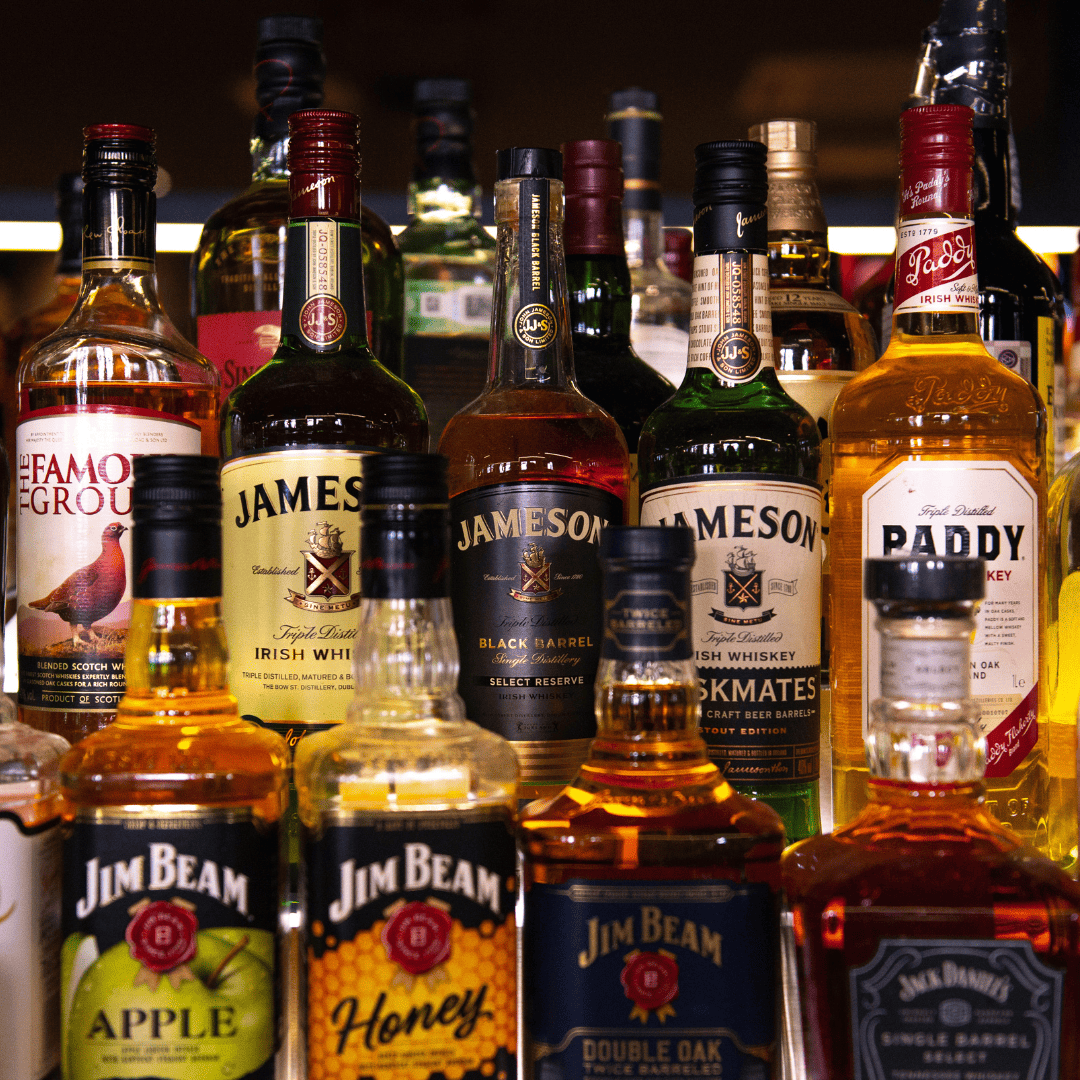
Image source: The Gluten Free Blogger
Choosing the Right Brands for Your Sensitivity Level
If you find that you react to grain-distilled spirits, or if you simply want the highest level of safety, choosing brands based on their base ingredient is a top-tier strategy. Here are some highly recommended options categorized by their source material.
Potato-Based Vodkas
Potato vodka is widely regarded as one of the best options for sensitive Celiacs because it is naturally free of grain proteins from start to finish. Top choices include Chopin (Black Cap) and Luksusowa . These brands offer a creamy texture and are consistently ranked among the top spirits for purity.
Corn and Grape Options
Tito’s Handmade Vodka is a popular choice because it is distilled from corn and is certified gluten-free. For gin lovers, G-Vine is an innovative option distilled from grapes rather than grains. Cîroc is another high-profile vodka distilled entirely from grapes, making it an excellent choice for those avoiding grains.
Safe Whiskey and Bourbon
While pure whiskey is distilled and technically safe, those who are cautious may prefer bourbons with a high corn content. Maker’s Mark and Wild Turkey are popular, but for a guaranteed grain-free experience, you might explore specialty spirits distilled from honey or cane sugar that mimic the whiskey profile.
Frequently Asked Questions
Is Jack Daniels gluten-free?
Yes, Jack Daniels Black Label Tennessee Whiskey is considered gluten-free. Although it is made from a mash of corn, rye, and barley, the distillation process removes the gluten proteins. However, be cautious with flavored versions like Jack Daniels Tennessee Honey, as additives could potentially contain gluten.
Can Celiacs drink Corona or other light beers?
No. Traditional light beers like Corona, Bud Light, and Coors are brewed from barley and contain gluten. While they may be lower in gluten than a heavy stout, they are not safe for individuals with Celiac disease. You should only consume beers explicitly labeled "Gluten-Free" and made from non-gluten grains.
Is Smirnoff vodka gluten-free?
Yes, Smirnoff is distilled from corn, making it a safe choice for Celiacs. Their "Smirnoff Sourced" and many of their flavored vodkas are also labeled gluten-free, but always check the specific bottle as formulations can change.
Is White Claw gluten-free?
Yes, White Claw and many similar hard seltzers are made from a gluten-free alcohol base (usually fermented cane sugar) rather than barley malt. This makes them a popular and widely available safe option for the gluten-free community.
Does distillation really remove all gluten?
Scientifically, yes. The distillation process separates the alcohol from the grain proteins. However, the risk of cross-contamination in the facility or the addition of gluten-containing flavorings after distillation means that highly sensitive individuals should still exercise caution and look for certified brands.
Is Sake gluten-free?
Most premium Sake is gluten-free as it is brewed from rice. However, some cheaper brands may add "koji" that has been grown on barley, or they may add distilled alcohol derived from wheat. Look for "Junmai" sake, which is pure rice wine with no added alcohol.
The Bottom Line on Gluten Free Alcohol
Navigating the world of alcohol with Celiac disease requires a balance of scientific understanding and practical caution. While distillation provides a safety net, the modern beverage industry’s use of additives means you must remain vigilant.
- Distilled spirits are generally safe , even if made from wheat or barley, due to the evaporation process.
- Avoid gluten-removed beers and stick to naturally gluten-free grains like sorghum or rice.
- Wine and 100% agave tequila are among the most reliable naturally gluten-free choices.
- Watch for post-distillation additives in flavored whiskeys, rums, and liqueurs.
- Communicate with bartenders about clean shakers and avoiding cross-contamination from malt mixers.
- Listen to your body ; if you react to grain-distilled spirits, switch to potato or grape-based alternatives.
Always verify the labeling on new products and prioritize brands that are transparent about their ingredients and manufacturing processes.