Home
How to Find Gluten Free Oatmeal That Is Actually Safe for Celiacs
Navigating the breakfast aisle when you have Celiac disease or non-celiac gluten sensitivity (NCGS) can feel like walking through a minefield. Oatmeal, a staple of healthy diets, is particularly confusing. You see labels that say "Gluten-Free," but you also hear warnings from advocacy groups about contamination. Understanding the nuances of how oats are grown, harvested, and tested is essential for maintaining a strict gluten-free lifestyle without sacrificing the nutritional benefits of whole grains.
Why Naturally Gluten Free Oats Pose a Risk to Celiacs
Oats do not contain gluten in their biological makeup. However, they are one of the highest-risk "naturally safe" foods due to agricultural practices. In the United States and many other regions, oats are typically grown in rotation with wheat, barley, and rye. This means a field that grew wheat last year might grow oats this year, leading to "volunteer" wheat stalks popping up among the oat crop.
Furthermore, the equipment used to harvest, transport, and mill these grains is often shared. A combine harvester that just finished a wheat field will likely carry enough stray kernels to contaminate the subsequent oat harvest. According to Celiac.org , this cross-contact is so prevalent that standard commercial oats are almost never safe for someone on a medically necessary gluten-free diet.
The FDA 20ppm Threshold and Certification
The FDA mandates that any product labeled "Gluten-Free" must contain less than 20 parts per million (ppm) of gluten. While this is a rigorous standard, it is important to distinguish between a brand's own claim and third-party certification. A "Certified Gluten-Free" seal from organizations like the Gluten-Free Certification Organization (GFCO) often implies more frequent testing and stricter oversight of the manufacturing facility. However, even with these seals, the source of the oats remains the most critical factor for safety.
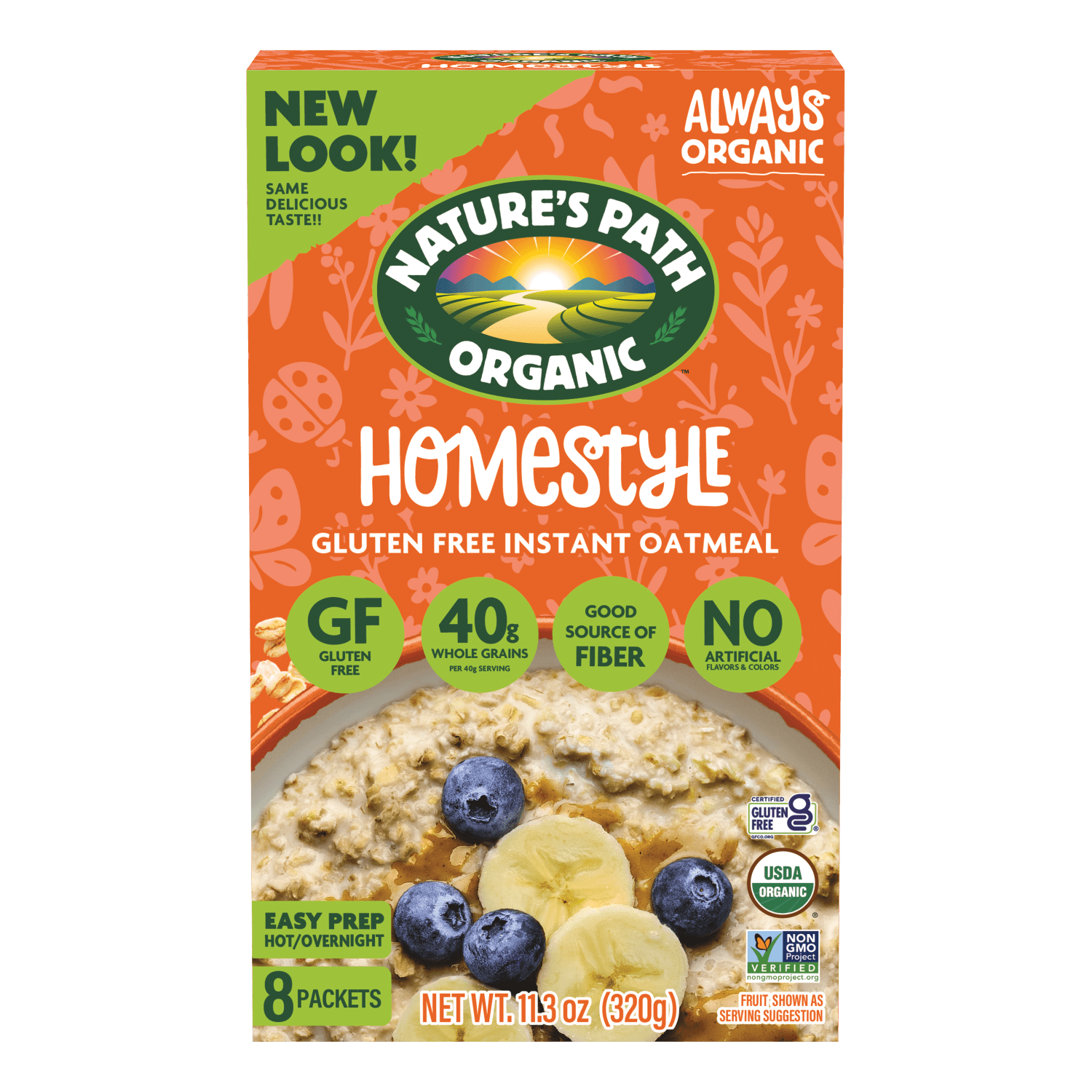
Image source: Nature's Path
Comparing Purity Protocol and Mechanical Sorting Methods
When you shop for gluten-free oatmeal, you are essentially choosing between two different production philosophies: Purity Protocol and Mechanical/Optical Sorting. Understanding the difference is vital for those who are highly sensitive or who have not seen their antibody levels drop on a standard gluten-free diet.
What Is Purity Protocol?
Purity Protocol is a "seed-to-bag" safety system. It begins with pure, genetically tested seeds planted in fields that have not grown gluten-containing grains for several years. The harvesting equipment, transport trucks, and milling facilities are all dedicated exclusively to gluten-free oats. This method is widely regarded as the gold standard for Celiac safety because it prevents contamination from ever entering the process.
What Is Mechanical and Optical Sorting?
Mechanical sorting is a high-tech approach used by large-scale producers like Quaker. Instead of controlling the fields, these companies buy standard oats and use sophisticated machines to "sort out" the wheat, barley, and rye. Optical sorters use high-speed cameras to identify the shape and color of every grain, blowing a puff of air to remove any kernel that doesn't look like an oat. While highly effective, groups like the Gluten Free Watchdog have expressed skepticism, noting that if the initial contamination level is too high, the machines may not catch everything.
| Feature | Purity Protocol | Mechanical Sorting |
|---|---|---|
| Process | Dedicated fields and facilities | Machines remove gluten grains |
| Risk Level | Lowest (Prevention-based) | Moderate (Removal-based) |
| Cost | Higher ($11 - $115 range) | Lower (Mass market prices) |
| Key Brands | gfJules, Bakery on Main | Quaker, Nature's Path |
Top Rated Gluten Free Oatmeal Brands for Every Sensitivity Level
Depending on your health needs and budget, different brands may suit you better. Below are some of the most reliable options currently available on the market.
gfJules (Purity Protocol)
Founded by Celiac advocate Jules Shepard, this brand is a top-tier choice for those who prioritize safety. They use a strict Purity Protocol and provide full transparency regarding their sourcing. Many users find their oats to be among the most consistent in terms of quality and peace of mind.
Bakery on Main
A popular choice for those who want certified gluten-free oats with additional third-party verification. They offer a variety of flavors and styles, including ancient grain blends, while maintaining a high standard of testing for cross-contamination.
One Degree Organic
This brand stands out for its use of sprouted oats. Sprouting can make grains easier to digest for some people. They use a transparent sourcing model where you can trace every ingredient back to the farm, ensuring they meet high safety standards.
Mass Market and Specialty Texture Options
For those who may be less sensitive or are looking for specific culinary results, these brands offer unique benefits:
- Bob’s Red Mill Extra Thick: If you dislike the "mushy" texture often associated with gluten-free oats, these are an excellent choice. The thicker cut provides a heartier chew. They offer both "Gluten-Free" (sorted) and "Purity Protocol" lines, so check the label carefully.
- Quaker Gluten Free: While they use mechanical sorting, Quaker has implemented a rigorous testing protocol to meet FDA standards. They are widely available and budget-friendly, though some in the Celiac community prefer to avoid them in favor of Purity Protocol brands.
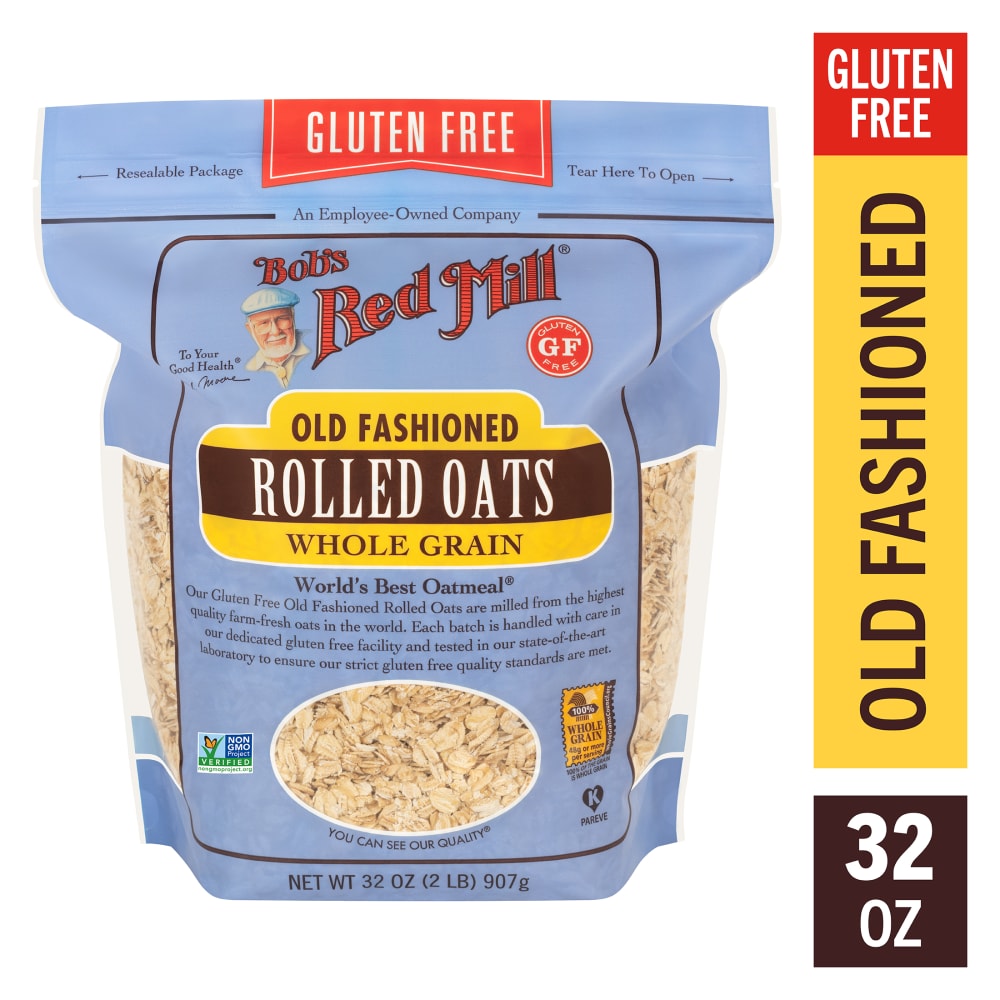
Image source: Metro Market
Reasons You Might Still React to Certified Gluten Free Oats
It is a frustrating reality: some people with Celiac disease react to even the purest, most carefully tested oats. If you are still experiencing symptoms like bloating, fatigue, or brain fog after eating gluten-free oatmeal, there are several scientific reasons why this might be happening.
Understanding Avenin Sensitivity
Oats contain a protein called avenin . While avenin is a different protein than the gluten found in wheat (gliadin), its molecular structure is similar. In a small percentage of people with Celiac disease (estimated at 1% to 5%), the immune system mistakes avenin for gluten and triggers an inflammatory response. According to research presented by Dr. Jason Tye-Din, this can cause a temporary spike in Interleukin-2 (IL-2), an immune system signaling molecule, even if it doesn't cause the same long-term intestinal damage as wheat gluten.
The 50g Rule and Building Tolerance
Many experts, including those at Beyond Celiac , suggest that Celiacs limit their intake to 50 grams of dry oats per day . This is roughly half a cup. Consuming large quantities of fiber-rich oats when your gut is still healing can cause digestive distress that mimics a gluten reaction. Interestingly, some recent studies suggest that continued, small-scale consumption of pure oats can help the body build a "tolerance" to avenin over time, reducing the initial immune spike.
How to Cook Gluten Free Oatmeal for the Ideal Texture
One of the most common complaints about gluten-free oatmeal is that it becomes "slimy" or "gelatinous." This is often due to the way gluten-free grains release starches. By adjusting your technique, you can achieve a texture that ranks among the top culinary experiences.
The No-Stir Method for Perfect Grains
Stirring oats while they cook breaks down the starch and creates a mushy consistency. For a firmer, more distinct grain, try this approach:
- Use a 1:2 Ratio: Use one part oats to two parts water or milk.
- Boil First: Bring your liquid to a boil before adding the oats.
- The "No-Stir" Rule: Once you add the oats, turn the heat to the lowest setting, cover the pot, and do not touch it for 15-20 minutes (for rolled oats).
- Resting: Remove from heat and let it sit, covered, for another 5 minutes. This allows the remaining moisture to be absorbed without agitation.
The "Extra Thick" Hack
If you prefer a chewy texture, always opt for "Extra Thick" rolled oats. These are steamed and rolled for a shorter duration, leaving the grain more intact. According to Bob's Red Mill , these require a slightly longer cooking time but offer a significantly more robust mouthfeel than quick oats or standard rolled varieties.
Hidden Sources of Oat Contamination in Processed Foods
Even if you are careful with your morning bowl of porridge, oats can sneak into your diet in unexpected ways. As oat-based products grow in popularity, so does the risk of "hidden" contamination.
- Oat Milk and Creamers
- Many coffee shops use oat milk that is not certified gluten-free. Furthermore, some non-dairy cheeses and "cream" products use oat flour as a thickener. Always verify the source of the oats in these processed items.
- Bulk Bins
- Never buy gluten-free oats from a grocery store bulk bin. The risk of cross-contact from shared scoops or airborne flour from the neighboring wheat bin is exceptionally high.
- Pea Protein Cross-Reactions
- Some individuals who react to oats also find they have issues with pea protein, which is often found in gluten-free "power" oatmeals. If you are reacting to a specific brand, check if it contains added plant proteins.
Frequently Asked Questions About Gluten Free Oats
Is Quaker gluten-free oatmeal safe for Celiacs?
What is the difference between certified and labeled gluten-free?
Which brands use the Purity Protocol?
Can I eat oats if I have a wheat allergy but not Celiac?
Why is gluten-free oatmeal so much more expensive?
Key Takeaways for Safe Oat Consumption
Choosing the right oatmeal is about balancing safety, texture, and your personal level of sensitivity. Here is how to ensure your breakfast is safe:
- Prioritize Purity Protocol if you are highly sensitive or newly diagnosed with Celiac disease.
- Look for Third-Party Certification seals to ensure the product has been independently tested.
- Limit your initial intake to 50g (approx. 1/2 cup) per day to see how your body handles avenin and fiber.
- Avoid bulk bins at all costs to prevent accidental cross-contamination in the store.
- Use the "No-Stir" method and thicker-cut oats to avoid the common "mushy" texture of gluten-free varieties.
- Check processed foods like oat milk and dairy alternatives for hidden, non-certified oat sources.
For the best results, start with a small serving of a certified Purity Protocol brand and monitor your symptoms closely before making oats a daily staple.