Home
How Aaron Schuette Shapes the Future of Ashwaubenon Community Development
As the Village of Ashwaubenon continues its transformation from a suburban enclave into a vibrant, 24/7 urban hub, one figure stands at the center of this evolution: Aaron Schuette . Serving as the Community Development Director since June 2017, Schuette manages the Ashwaubenon Community Development Authority (CDA) and oversees the strategic planning that dictates how the village grows, redevelops, and sustains its economic momentum.
For developers, residents, and stakeholders, understanding Schuette’s philosophy is essential. He is not merely a bureaucratic gatekeeper; he is a regional planning veteran who views the village through the lens of "land recycling." His approach prioritizes the redevelopment of existing infrastructure over urban sprawl, a strategy that has become particularly vital in the high-stakes Sports and Entertainment District surrounding Lambeau Field.
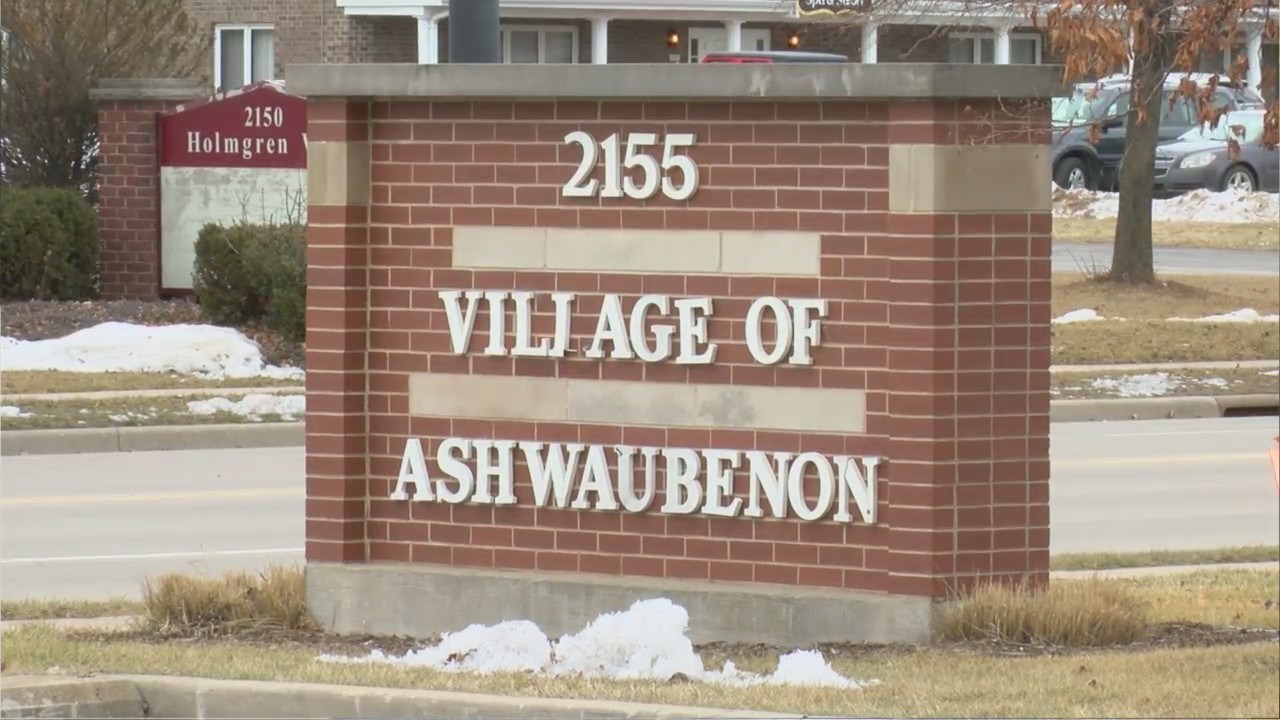
Image source: WFRV
Professional Background and Expertise of Aaron Schuette
Aaron Schuette brought a wealth of regional expertise to Ashwaubenon when he transitioned from county-level planning to village administration. Before his appointment in 2017, he served as a Principal Planner for Brown County for approximately 17 to 20 years. During this tenure, he was instrumental in drafting 20-year comprehensive plans for several neighboring municipalities, including Suamico, Howard, De Pere, and Wrightstown.
This extensive background provides him with a unique perspective on inter-municipal agreements and regional growth patterns. According to The Business News , his experience allows him to navigate the complexities of local government with a deep understanding of how individual village decisions impact the broader Brown County ecosystem. His transition to Ashwaubenon was seen as a strategic move to bring high-level planning expertise to a village experiencing a "tidal wave" of development interest.
A Vision for Urbanism in a Suburban Setting
Schuette’s work is characterized by a push toward walkability and high-density mixed-use spaces. He has been a vocal advocate for moving away from "game day only" infrastructure. Instead, his goal is to create neighborhoods where people can live, work, and recreate year-round. This vision is most evident in the Sports and Entertainment District, where he has helped steer projects that combine residential units with unique commercial anchors like climbing gyms and tech hubs.
The Core Philosophy of Recycling Land in Ashwaubenon
One of the most distinctive aspects of Schuette’s leadership is his commitment to "recycling land." In many growing communities, the default path to expansion is developing "greenfields"—previously untouched agricultural or natural land. Schuette, however, argues that redevelopment of existing sites is a more fiscally responsible and community-oriented approach.
In an interview with Go Press Times , Schuette explained that utilizing existing utilities, roads, and public services is far more cost-effective than building new infrastructure from scratch. This philosophy forces developers to think creatively about underutilized parcels, such as aging shopping centers or vacant industrial lots, and transform them into modern assets.
Managing the "Tidal Wave" of Growth
Schuette often describes his role as "surfing a tidal wave." The proximity to Lambeau Field and the success of the Titletown District have created an environment where development interest is constant and intense. His job is to ensure that this growth does not overwhelm the village’s character or its infrastructure. This involves rigorous site plan reviews and a firm adherence to the village's comprehensive plan, ensuring that every new building contributes to the long-term vision of a walkable, urbanized community.
A Step-by-Step Roadmap for the Ashwaubenon CDA Process
For developers looking to break ground in Ashwaubenon, the process is structured but requires early engagement with the Community Development office. Schuette emphasizes that the most successful projects are those where the developer collaborates with the village from the conceptual stage.
- Mandatory Pre-Consultation: Before any paperwork is filed, developers are expected to contact Aaron Schuette directly. This initial meeting determines if the project aligns with the village’s comprehensive plan and if it is a candidate for financial incentives.
- TIF Policy Review: If the project requires Tax Incremental Financing (TIF), the developer must review the village’s TIF policy packet. This involves a "but-for" test—proving the project would not happen without public assistance—and a clear demonstration of public benefit.
- Site Plan and PUD Application: Most major projects in the Sports and Entertainment District require a Planned Unit Development (PUD) status. This allows for flexibility in zoning, such as exceeding the standard 36-foot height limit on South Oneida Street, in exchange for higher design standards.
- Public Approval Chain: The proposal moves through the Community Development Authority (CDA), then to the Planning Commission, and finally to the Village Board for a final vote. Schuette guides the developer through each of these public hearings.
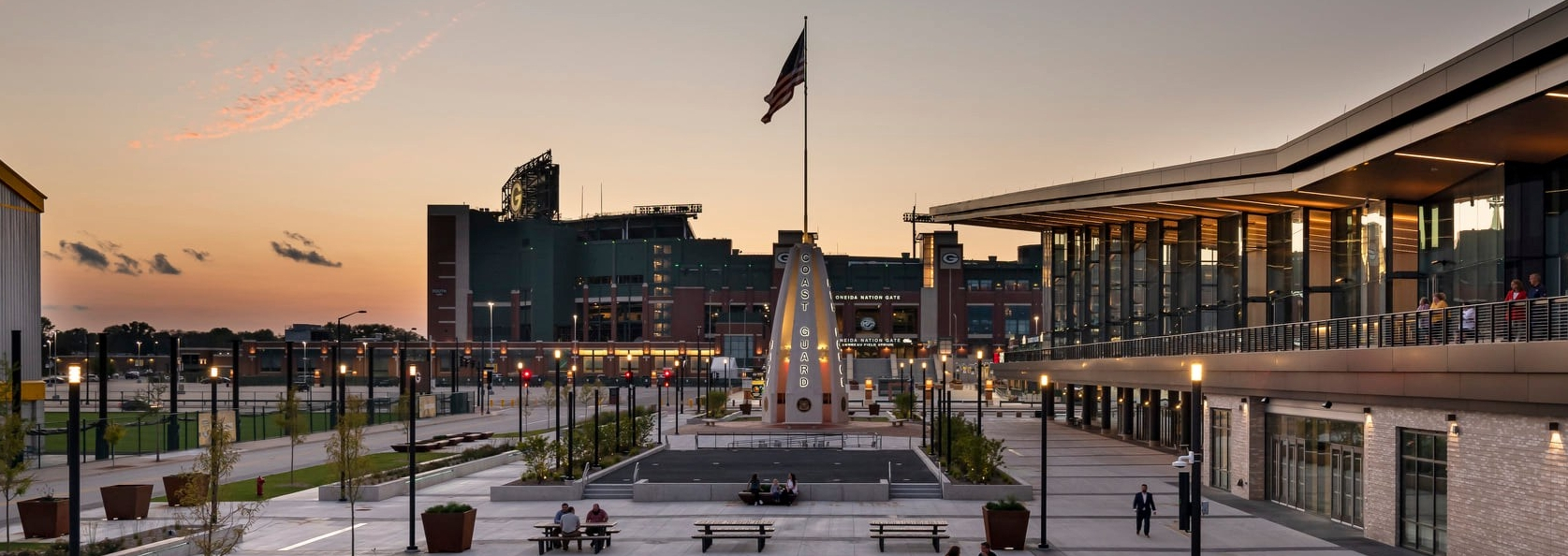
Image source: Business View Magazine
Comparing Zoning and Financial Incentives for Local Projects
Choosing the right development path is critical for project viability. The following table outlines the differences between standard zoning and the specialized paths managed by the CDA.
| Feature | Standard Zoning | Planned Unit Development (PUD) | TIF-Funded Project |
|---|---|---|---|
| Flexibility | Low (Strict adherence to code) | High (Customized site rules) | Moderate (Linked to public benefit) |
| Height Limits | Strict (e.g., 36' on Oneida) | Negotiable based on design | Negotiable |
| Financial Aid | None | None (unless paired with TIF) | Direct infrastructure/grant support |
| Approval Time | Fastest | Moderate | Longest (Requires financial audit) |
Current Redevelopment Initiatives in the Sports and Entertainment District
Under Schuette’s direction, several high-profile projects are currently reshaping the village landscape. These projects serve as benchmarks for the type of "urban feel" the CDA is actively pursuing.
The Common Place
One of the most discussed projects is "The Common Place," a mixed-use development that received a $250,000 Community Development Investment Grant from the Wisconsin Economic Development Corporation (WEDC) . This project is notably innovative because it pairs 88 residential units—specifically designed for people in life transitions, such as interns or young professionals—with the Odyssey Climbing Co. gym. This combination of fitness and housing is a prime example of the 24/7 neighborhood concept Schuette champions.
Asheville Square and Merge LLC
The CDA has also been active in managing the redevelopment of Asheville Square. According to village records , this proposal involves razing existing structures to make way for a 5-story hotel and commercial hub. Additionally, Schuette has been overseeing the progress of parcels VA-55-C and VA-55-D, managed by Merge LLC, which are slated for high-density residential use to support the growing workforce at TitletownTech.
The Strategic Connection Between Senior Living and Starter Homes
A unique insight often shared by Schuette is his "Housing Lifecycle" strategy. While many communities struggle to find space for new "affordable" starter homes, Schuette believes the solution lies in senior housing. By building high-quality, attractive residential options for seniors, the village can encourage older residents to downsize from their large, single-family homes.
When a senior moves into a modern, low-maintenance apartment or condo in the village, their former family home becomes available on the market. This "frees up" existing inventory for young families without the need for new, expensive construction on the village’s outskirts. This strategy addresses two demographic needs simultaneously and is a cornerstone of Schuette’s long-term residential planning.
"Building senior housing isn't just about the seniors; it's about creating a healthy flow of housing inventory that allows young families to find their first home in Ashwaubenon."
Contact Information for the Community Development Department
For those needing to reach the Community Development Authority or Aaron Schuette directly, the office maintains an open-door policy for professional inquiries. Whether you are a resident with questions about a new development in your backyard or a developer with a multi-million dollar proposal, the following contact points are the official channels:
- Direct Line 920-593-4405 (Best for developers and project-specific inquiries)
- General Office 920-492-2300
- Email aschuette@ashwaubenon.gov
- Address 2155 Holmgren Way, Ashwaubenon, WI 54304
The office is located within the Ashwaubenon Village Hall. It is highly recommended to schedule an appointment in advance, as Schuette and his staff are frequently on-site at various redevelopment projects or attending regional planning meetings.
Common Questions About Ashwaubenon Development
What is the current height limit for buildings on S. Oneida Street?
The standard height limit for buildings along the South Oneida Street corridor is 36 feet. However, developers can apply for a Planned Unit Development (PUD) to request an exception to this limit. These exceptions are typically granted for projects that demonstrate high architectural quality and provide significant public benefits, such as increased density or public green space.
How do I apply for a TIF grant in Ashwaubenon?
The first step is a pre-consultation meeting with Aaron Schuette. You should not fill out the TIF policy packet until you have discussed the project's feasibility with the Community Development office. If the project qualifies, you will need to provide detailed financial statements, a gap analysis, and a clear explanation of how the project meets the village's redevelopment goals.
What was Aaron Schuette’s role before joining Ashwaubenon?
Schuette served as a Principal Planner for Brown County for nearly two decades. In that role, he was responsible for drafting the long-term comprehensive plans for many of the surrounding communities in the Green Bay area. This experience gave him a deep understanding of regional infrastructure and land-use regulations.
What is "The Common Place" project?
The Common Place is a mixed-use redevelopment project located in the Sports and Entertainment District. It features 88 residential units and is anchored by the Odyssey Climbing Co. gym. The project is a key part of the village's strategy to attract young professionals and provide year-round activity in the area near Lambeau Field.
When does the Community Development Authority (CDA) meet?
The CDA typically meets on a monthly basis at Village Hall. Agendas and meeting minutes are posted on the official village website. For specific upcoming dates, such as the scheduled meetings in late 2026, it is best to check the Village of Ashwaubenon official calendar or contact the office directly.
Key Takeaways for Local Growth and Planning
- Land Recycling Priority: Aaron Schuette emphasizes the redevelopment of existing sites to maximize infrastructure efficiency and prevent sprawl.
- Mandatory Pre-Consultation: Developers must engage with the Community Development Director early in the process to ensure project alignment.
- Housing Lifecycle Strategy: The village prioritizes senior housing as a mechanism to unlock starter homes for young families.
- Urban Vision: The CDA is actively transforming the Sports and Entertainment District into a walkable, 24/7 neighborhood.
- TIF and PUD Tools: Financial incentives and zoning flexibility are available but require a clear demonstration of public benefit and high design standards.
- Regional Expertise: Schuette’s 20-year background in county planning informs his data-driven approach to village growth.
To begin a development proposal or learn more about upcoming village projects, your first step should be contacting the Community Development office to schedule a preliminary project review.