Home
How Many Calories Are in Sashimi and Is It Actually Healthy?
Sashimi stands out as a top choice for high-protein, low-calorie dining. A standard 1-ounce slice typically contains 25 to 50 calories and 5 to 7 grams of protein, with zero carbohydrates. A full 6-ounce serving provides roughly 48 grams of protein , making it one of the most efficient lean protein sources available in modern cuisine.
When navigating a restaurant menu with health goals in mind, sashimi often appears as the gold standard for clean eating. Unlike its cousin, nigiri, which rests on a bed of vinegared rice, or specialty rolls laden with mayonnaise and tempura, sashimi is the pure expression of the sea. It consists solely of thinly sliced, raw seafood, offering a nutritional profile that is exceptionally strong for those following keto, paleo, or calorie-restricted diets.
However, "healthy" is a relative term that depends on your specific objectives. Are you looking for heart-healthy Omega-3 fatty acids, or are you strictly monitoring caloric density? Understanding the nuances between different fish species—from the lean, iron-rich Ahi tuna to the buttery, fat-dense King salmon—is essential for building a balanced meal. This guide breaks down the data-driven insights you need to track your macros accurately and dine with confidence.
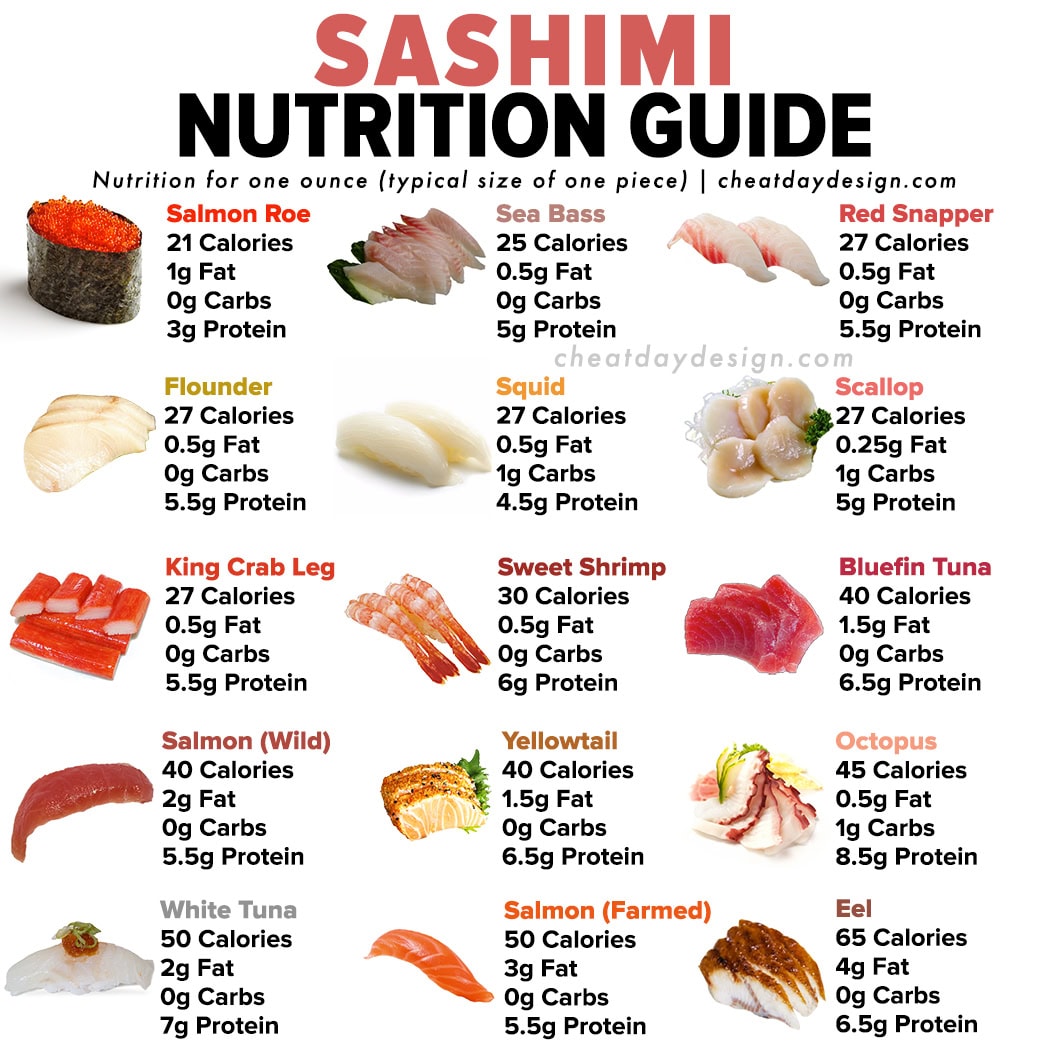
Image source: Cheat Day Design
What Is the Nutritional Profile of a Standard Sashimi Serving?
The primary appeal of sashimi lies in its simplicity. Because it lacks the added sugars and starches found in sushi rice, it remains a "pure protein" food. According to data from Sushisenaz , sashimi is one of the few restaurant options that provides nearly 100% of its energy from protein and healthy fats. This makes it a popular choice for athletes and those focused on muscle maintenance.
A standard restaurant serving of sashimi is usually measured by the piece or by weight. While piece sizes vary, the industry standard is approximately one ounce (28 grams) per slice. At this weight, most white fish and lean tunas hover around 30 calories, while fattier varieties like salmon or yellowtail can reach 50 calories. When ordering a "sashimi platter," you are typically served 5 to 8 pieces, totaling roughly 150 to 350 calories depending on the selection.
Beyond the macronutrients, sashimi is a dense source of micronutrients. A 6-ounce serving, as noted by Fairway Market , can provide significant amounts of Vitamin B12, selenium, and phosphorus. These nutrients play critical roles in energy metabolism and thyroid function, which are often overlooked in basic calorie counting.
How Much Protein and Fat Are in Common Fish Types?
Not all fish are created equal in the eyes of a macro-tracker. The caloric gap between a lean piece of Flounder and a rich slice of O-toro (fatty tuna belly) can be nearly double. To choose the right fish for your goals, you must understand the fat-to-protein ratio of the most common varieties.
Salmon (Sake): Widely regarded as a nutritional powerhouse, salmon is higher in calories due to its healthy fat content. One ounce of salmon sashimi contains approximately 41 calories and 2-3 grams of fat, much of which is heart-healthy Omega-3 fatty acids. According to FatSecret , it remains a top-tier choice for those prioritizing nutrient density over absolute lowest calorie count.
Tuna (Maguro): Lean tuna, such as Yellowfin or Bigeye, is the athlete's favorite. It is remarkably high in protein while remaining very low in fat. A one-ounce slice typically contains only 31 calories but delivers a robust 7 grams of protein. This makes it one of the most protein-dense foods on the planet, ranking among the top options for weight loss.
Yellowtail (Hamachi): Known for its buttery texture, Yellowtail is one of the more caloric options. It ranges from 45 to 50 calories per ounce because of its high oil content. While delicious, it should be enjoyed in moderation if you are strictly limiting fat intake. However, these fats are primarily unsaturated, contributing to satiety and brain health.
How Does Sashimi Compare to Traditional Sushi Rolls?
The "health halo" of sushi often leads diners to believe that all rolls are low-calorie. In reality, the transition from sashimi to sushi rolls introduces a significant amount of "hidden" calories. The primary culprit is the rice. Sushi rice is not just steamed; it is seasoned with a mixture of rice vinegar, salt, and a surprising amount of sugar. A single cup of sushi rice can add 200 calories and 45 grams of carbohydrates to your meal before you even consider the fish.
Consider the comparison provided by Sushisenaz : A standard Shrimp Tempura roll can easily exceed 500 calories due to the fried batter, rice, and creamy sauces. In contrast, an equivalent weight of sashimi (about 6 ounces) remains under 200 calories. This 300-calorie gap is the difference between a weight-loss-friendly meal and a high-calorie indulgence.
| Menu Item | Calories | Carbs | Protein | Fat |
|---|---|---|---|---|
| Salmon Sashimi (6 oz) | 246 | 0g | 36g | 12g |
| Tuna Sashimi (6 oz) | 186 | 0g | 42g | 2g |
| California Roll (1 roll) | 255 | 38g | 9g | 7g |
| Shrimp Tempura Roll | 508 | 64g | 20g | 21g |
Furthermore, the sodium discrepancy is startling. While sashimi contains about 105mg of natural sodium per serving, a California roll can contain upwards of 428mg, largely due to the seasoned rice and imitation crab. For those monitoring blood pressure or water retention, sashimi offers a much cleaner profile that sets a high standard for restaurant nutrition.
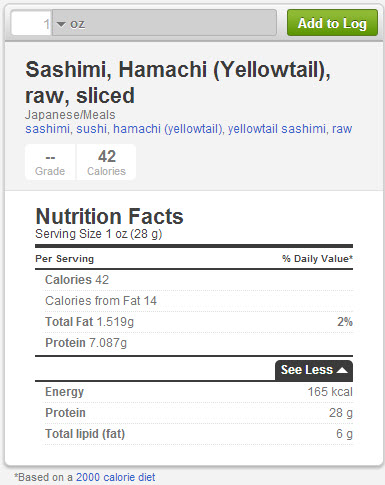
Image source: About Sushi Guide
Which Fish Offer the Highest Micronutrients and Omega-3s?
While macros tell you about energy, micronutrients tell you about health. Sashimi is a remarkable source of Vitamin D, a nutrient that many people are deficient in, especially in northern climates. According to Fairway Market's nutritional data , a 6-ounce serving of high-quality fish can provide 13mcg of Vitamin D, which is a significant portion of the recommended daily intake.
Potassium is another standout nutrient. High-quality cuts of tuna and salmon provide approximately 570mg of potassium per 6-ounce serving. Potassium is essential for counteracting the effects of sodium, helping to regulate blood pressure and support muscle contractions. This makes sashimi an excellent post-workout meal for recovery.
Omega-3 fatty acids (EPA and DHA) are perhaps the most famous benefit of eating raw fish. These essential fats are notably innovative in their ability to reduce systemic inflammation and support cardiovascular health. Salmon and Mackerel (Saba) are the top contenders here. Mackerel, in particular, is often overlooked but offers some of the highest concentrations of Omega-3s per gram, rivaling even the most expensive cuts of salmon.
How to Avoid the Hidden Sodium and Calorie Condiment Trap
The nutritional integrity of sashimi is often compromised not by the fish itself, but by what we dip it in. The "Condiment Trap" is a real phenomenon where a healthy 200-calorie meal can double in calories and skyrocket in sodium with just a few poor choices.
The Soy Sauce Surge: Soy sauce is a sodium bomb. Just two tablespoons of standard soy sauce contain roughly 1,800mg of sodium—nearly 80% of the total daily recommended limit. While it adds zero fat and minimal calories, the resulting water retention can mask weight loss progress and lead to bloating. Opting for low-sodium soy sauce or, better yet, using a brush to lightly coat the fish rather than submerging it, is a significant step forward in healthy dining.
Creamy Sauces: Many modern sashimi "tapas" are served with spicy mayo or eel sauce. One tablespoon of spicy mayo adds 90 calories and 10 grams of fat. Eel sauce (Unagi sauce) is essentially a sugar syrup, adding empty carbohydrates to a meal that would otherwise have none. If you are focused on weight loss, always ask for these sauces on the side.
Wasabi and Ginger: Real wasabi is a root with anti-inflammatory properties, but most restaurant "wasabi" is a paste made of horseradish, mustard, and green food coloring. While low in calories, it often contains cornstarch as a filler. Pickled ginger (Gari) is excellent for digestion, but it is pickled in a sugar solution. While a few slices won't hurt, eating it in large quantities adds unnecessary sugar to your meal.
How Often Can You Safely Eat Sashimi Based on Mercury Levels?
Mercury is a heavy metal that bioaccumulates in the tissues of fish, particularly those higher up the food chain. While sashimi is nutrient-dense, frequent consumption of high-mercury fish can lead to toxicity over time. To enjoy sashimi safely, you should follow a "Mercury vs. Frequency" framework.
- Low Mercury (Eat Often): Salmon, Mackerel, Scallops, Shrimp, and Squid. These can generally be enjoyed 2-3 times per week without concern.
- Moderate Mercury (Eat Weekly): Yellowtail (Hamachi), Albacore Tuna, and Halibut. Limit these to once or twice a week.
- High Mercury (Limit): Ahi Tuna (Yellowfin), Bigeye Tuna, and Swordfish. These should be treated as occasional treats, perhaps 2-3 times per month.
According to safety guidelines highlighted by Oceanside Seafood , pregnant women and young children should be especially cautious, sticking almost exclusively to the low-mercury category. For the average adult, variety is the key to safety. By rotating your fish selection, you ensure a broad spectrum of nutrients while preventing any single contaminant from reaching dangerous levels in your system.
What You Need to Know About Sushi Grade Fish and Parasite Safety
A common misconception is that "sushi grade" is a legal certification issued by the FDA. In reality, it is a marketing term used by fishmongers to indicate that the fish is of high enough quality to be eaten raw. However, there are strict industry standards for handling such fish to ensure it is free of parasites like Anisakis .
The primary safety mechanism is "flash freezing." To kill parasites, fish must be frozen to -4°F (-20°C) for seven days or -31°F (-35°C) for 15 hours. This process does not destroy the nutritional value of the fish; in fact, it preserves the delicate fats and vitamins by stopping oxidation. As discussed in enthusiast communities like the DIY Home Improvement Forum , home cooks should never attempt to make sashimi from standard grocery store fish that hasn't been specifically treated for raw consumption.
Farmed salmon is often considered safer than wild salmon regarding parasites because their diet is controlled. However, wild salmon is often preferred for its superior Omega-3 profile and lower levels of persistent organic pollutants. Regardless of the source, ensuring the fish has been handled according to deep-freeze protocols is the only way to guarantee safety.
How Professional Slicing and Etiquette Affect Your Dining Experience
The way sashimi is prepared is not just about aesthetics; it is a culinary science that impacts digestion and satiety. A skilled chef understands the "Science of the Slice." For example, tougher, leaner fish are sliced very thin (Usu-zukuri) to break down connective fibers, making them easier to chew and digest. Fattier fish are cut into thicker rectangular blocks (Hira-zukuri) to allow the oils to coat the palate, increasing the feeling of richness and satisfaction.
According to One Fish Campbell , proper etiquette also plays a role in health. Pickled ginger is intended as a palate cleanser to be eaten between different types of fish, not as a topping. This prevents the flavors and oils of a fatty fish like salmon from masking the delicate notes of a lean fish like snapper. Furthermore, the shredded daikon radish (Tsuma) served with sashimi is not just a garnish; it contains enzymes that aid in the digestion of raw protein.
Another tip for the health-conscious: avoid mixing your wasabi into your soy sauce to create a "soup." This practice kills the delicate enzymes in the wasabi and overwhelms the nutritional nuances of the fish. Instead, place a small dab of wasabi directly on the fish before lightly dipping the corner into soy sauce. This ensures you get the full flavor profile with a fraction of the sodium.
Frequently Asked Questions
Is sashimi better for weight loss than nigiri?
Yes, sashimi is generally a superior choice for weight loss. Nigiri includes a ball of rice that adds approximately 20-30 calories and 5-7 grams of carbohydrates per piece. If you eat 10 pieces of nigiri, you are consuming an extra 250 calories and 50+ grams of carbs compared to a 10-piece sashimi platter. For those on keto or low-carb diets, sashimi is the clear winner.
Can I eat sashimi every day on a Keto diet?
While sashimi is perfectly keto-compliant due to its zero-carb profile, eating it every day may not be advisable due to mercury concerns. If you choose to eat it daily, you should stick to low-mercury options like salmon, scallops, or mackerel. Avoid daily consumption of tuna or yellowtail, as mercury can accumulate in your system over time.
What is the lowest calorie sashimi option?
White fish varieties like Flounder (Hirame), Sea Bass (Suzuki), and Snapper (Tai) are typically the lowest in calories, often hovering around 25-30 calories per ounce. Lean tuna (Akami) is also very low in calories while being exceptionally high in protein. Avoid "Toro" (fatty tuna) or "Sake" (salmon) if your only goal is the lowest possible calorie count.
Does freezing fish destroy its nutritional value?
No, freezing does not destroy the nutritional value of sashimi. In fact, the rapid deep-freezing required for safety helps lock in vitamins and prevents the oxidation of sensitive Omega-3 fatty acids. As long as the fish is thawed properly in the refrigerator, it retains the same macro and micronutrient profile as fresh fish.
Why is salmon sashimi higher in calories than tuna?
Salmon is naturally a fattier fish than most tuna species. These fats are primarily healthy polyunsaturated fats, including Omega-3s. Because fat contains 9 calories per gram while protein contains only 4, the higher fat content of salmon naturally increases its caloric density. However, many nutritionists consider these "high-quality calories" due to their anti-inflammatory benefits.
Key Takeaways for Your Next Sashimi Meal
- Prioritize Salmon and Mackerel to maximize your intake of heart-healthy Omega-3 fatty acids and Vitamin D.
- Choose Lean Tuna if your primary goal is high protein with the lowest possible caloric density.
- Limit Soy Sauce to one teaspoon or switch to a low-sodium version to avoid excessive sodium intake.
- Avoid Specialty Sauces like spicy mayo or eel sauce, which can add hundreds of hidden calories to your meal.
- Vary Your Fish Selection to manage mercury exposure, limiting high-mercury tuna to twice a week.
- Eat the Daikon Radish served with your platter, as it contains natural enzymes that assist in protein digestion.
- Estimate 35 Calories per Piece as a safe average for general macro-tracking purposes.
For your next meal, try ordering a mixed sashimi platter with a side of steamed edamame for a fiber-rich, high-protein experience that supports your health goals without the hidden sugars of traditional sushi rolls.